
When planning an unforgettable journey across the United States, travelers often find themselves weighing the allure of two colossal states: Texas and [California](https://lifeoutofthebox. Both offer an incredible array of destinations, attractions, and unique experiences that cater to every type of lifestyle, from luxury travel to budget-friendly family trips. But a fundamental question often arises, especially for those considering an extensive road trip or a multi-state adventure: “Is Texas bigger than California?” The simple answer, in terms of sheer land area, is a resounding yes.
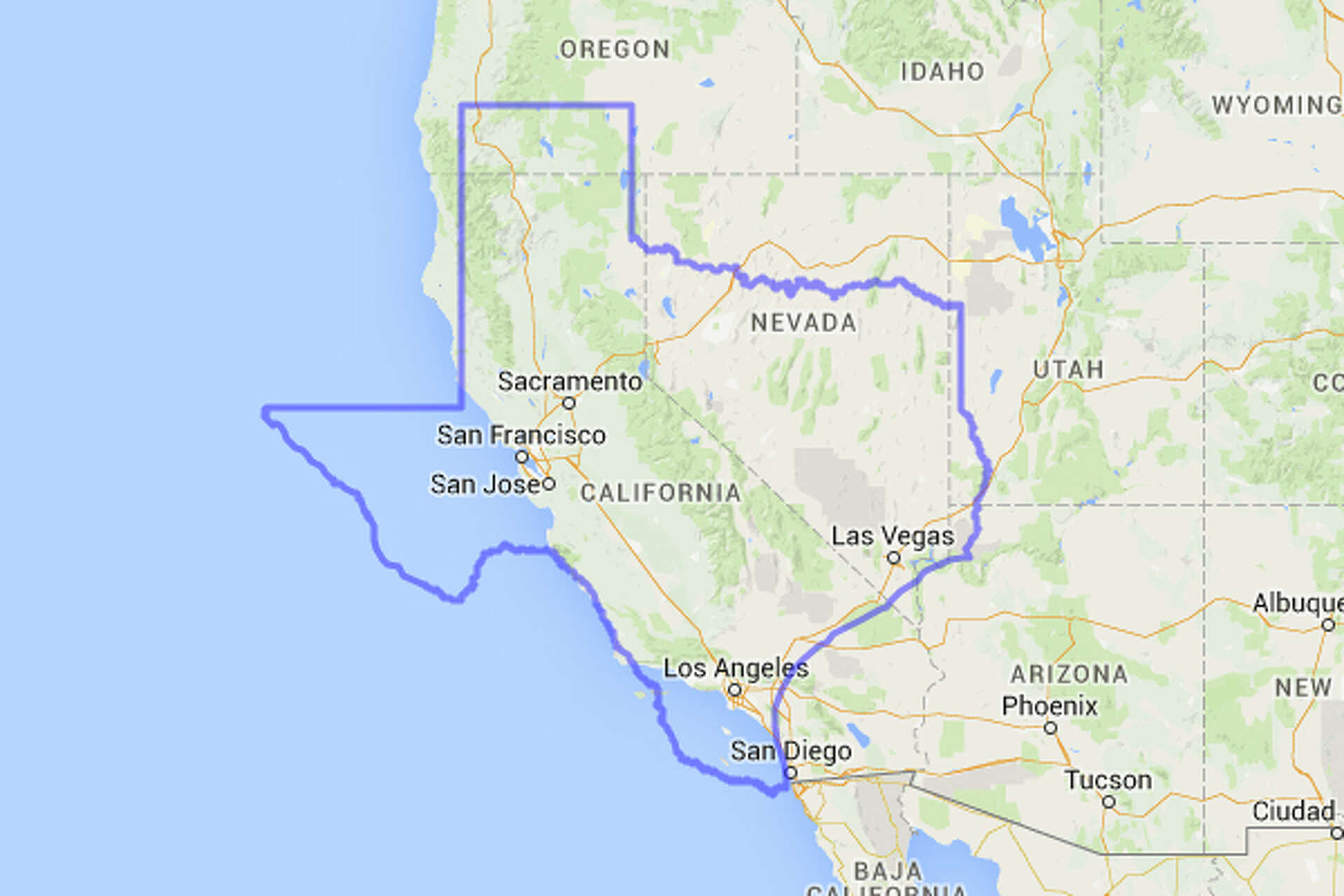
Texas, the Lone Star State, proudly holds the title of the second-largest state in the United States by area, right behind Alaska. It spans an immense 268,596 square miles (695,662 square kilometers). California, the Golden State, while undeniably vast and diverse, comes in third with an area of 163,695 square miles (423,970 square kilometers). This significant difference in size means that a journey through Texas can feel like traversing several smaller countries, offering an expansive canvas for exploration, culture, and adventure.
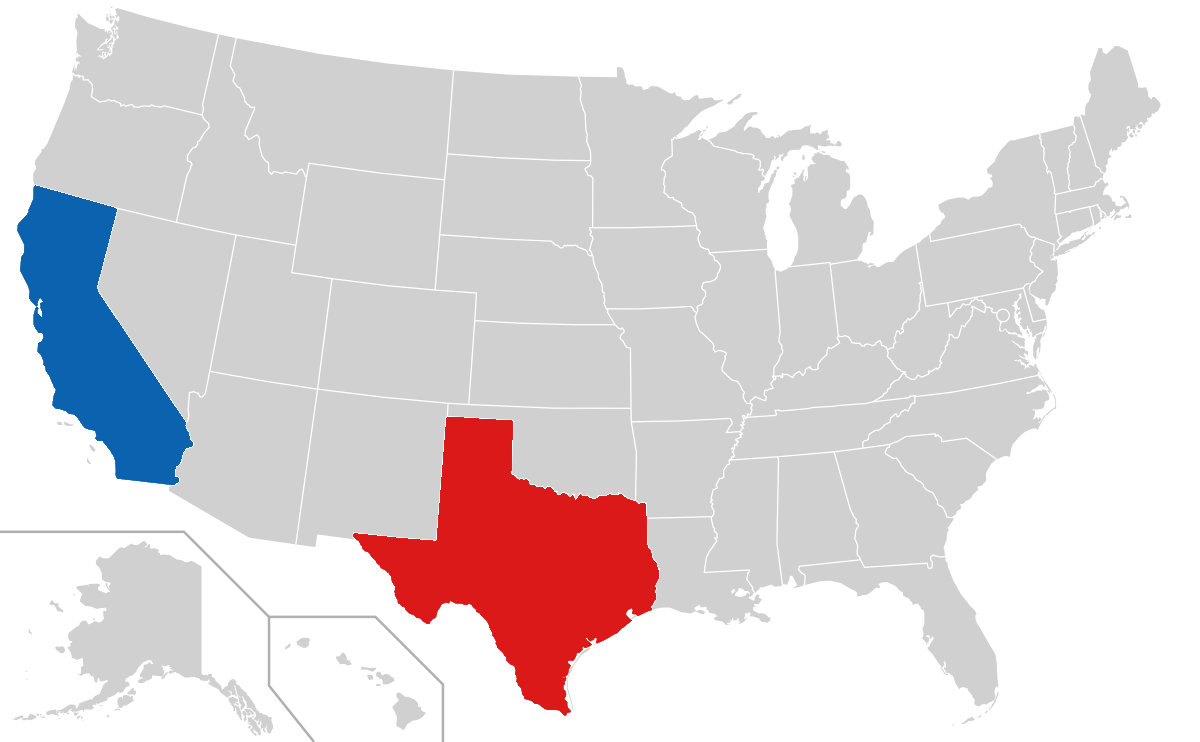
This geographical reality, however, is just the beginning of the story. Both states, despite their distinct sizes, are giants in terms of their cultural impact, economic power, and the sheer variety of tourism opportunities they present. From vibrant urban centers boasting world-class hotels and resorts to serene natural landscapes perfect for long-term stays or weekend getaways, understanding the scale of each state helps travelers better plan their itineraries and manage their expectations regarding the distances between famous landmarks and attractions.
The Geographic Titans: A Size Comparison
The vastness of Texas versus California is more than just a statistic; it shapes the very essence of travel and lifestyle within their borders. When you look at a map, the sheer breadth of Texas becomes apparent, stretching from the piney woods of East Texas to the deserts of West Texas, and from the Red River in the north to the Rio Grande in the south, bordering Mexico. California, while smaller, commands an impressive coastline along the Pacific Ocean and includes some of the tallest mountains in the contiguous United States.
The Sheer Scale: Land Area and Borders
The considerable difference in land area means that getting from one major city to another in Texas often involves longer drives than in California. For instance, traveling from Houston to El Paso can take upwards of 10-12 hours by car, a journey equivalent to crossing several states in other parts of the country. This impacts travel planning significantly, influencing choices for accommodation, such as where to book hotels or find suitable apartments for a stopover. The extensive network of highways in Texas is a testament to its size, connecting its diverse regions and facilitating access to its numerous attractions.
California, on the other hand, while offering a different scale, still presents substantial travel distances. Driving the scenic Highway 1 from San Francisco down to Los Angeles is a multi-day trip for most, with countless stops at charming coastal towns, stunning beaches, and iconic viewpoints along the way, such as Big Sur. The state’s north-south orientation along the coast, coupled with the towering Sierra Nevada Mountains to the east, defines its internal geography and the routes travelers take.
Population and Urban Sprawl
Despite Texas’s larger landmass, California boasts a significantly larger population, currently the most populous state in the United States with over 39 million residents, compared to Texas’s approximately 30 million. This higher population density in California contributes to its expansive urban areas, particularly around Los Angeles, the San Francisco Bay Area, and San Diego. The bustling metropolises here offer a vibrant tourism scene, characterized by a wealth of high-end hotels, diverse dining, and cultural attractions.
Texas’s population, though smaller, is concentrated in a few massive cities like Houston, San Antonio, Dallas, and Austin, each with its own distinct character and offerings for travelers. The relatively lower population density outside these urban centers means that vast stretches of Texas remain wild and undeveloped, providing ample opportunities for outdoor adventures and experiencing true Texan hospitality away from the crowds. This stark contrast highlights how the interplay of land area and population density shapes the travel experiences and available accommodation options in both states.
Diverse Landscapes and Natural Wonders
Both Texas and California are renowned for their breathtaking natural beauty and diverse landscapes, offering a playground for outdoor enthusiasts and those seeking serene escapes. From dramatic coastlines to rugged mountains, arid deserts to lush forests, each state presents a unique set of natural landmarks and ecological zones that are central to their tourism appeal.
Texas’s Expansive Plains and Canyons
Texas’s vastness allows for an incredible range of geographical features. In West Texas, the Chihuahuan Desert stretches out, home to the remote and magnificent Big Bend National Park, where the Rio Grande carves dramatic canyons through ancient mountains. Nearby, the Guadalupe Mountains National Park boasts Texas’s highest peak, Guadalupe Peak, offering challenging hikes and stunning vistas.
Moving eastward, the Texas Hill Country mesmerizes with its rolling hills, spring-fed rivers like the Guadalupe River, and charming towns such as Fredericksburg and Luckenbach. This region is famous for its wineries, peach orchards, and natural swimming holes. Along the Gulf Coast, travelers can explore Padre Island National Seashore, the longest undeveloped barrier island in the world, offering pristine beaches, birdwatching, and camping opportunities. Further inland, East Texas is characterized by dense pine forests and numerous lakes, a stark contrast to the western deserts. For those seeking unique natural experiences, Texas truly has it all, often with more space to explore and fewer crowds.
California’s Mountains, Coastlines, and Deserts
California’s topography is equally dramatic and diverse. The state is framed by the Pacific Ocean to the west and the formidable Sierra Nevada Mountains to the east. Within the Sierra Nevadas, travelers will find some of the most iconic national parks in the United States: Yosemite National Park, famous for its giant sequoia trees, waterfalls, and granite cliffs; Sequoia National Park, home to the world’s largest trees; and Kings Canyon National Park. These parks offer unparalleled hiking, camping, and scenic drives, attracting millions of visitors annually.
To the north, Redwood National Park protects ancient groves of the world’s tallest trees, providing an awe-inspiring experience. The coastal stretch of California is legendary, from the rugged cliffs of Big Sur to the golden beaches of Malibu and Laguna Beach. Inland, the vast and fertile Central Valley serves as an agricultural powerhouse, while the southeastern part of the state features stunning desert landscapes like Death Valley National Park, one of the hottest places on Earth, and the unique Joshua trees of the Mojave Desert. For those seeking alpine beauty, Lake Tahoe, straddling the border with Nevada, offers pristine waters and world-class skiing.
Culture, Lifestyle, and Tourism Experiences
The vastness and diverse geographies of Texas and California naturally lead to distinctly different cultures, lifestyles, and tourism experiences. Both states offer a rich tapestry of history, art, music, and culinary delights, making them premier travel destinations, but they do so through entirely different lenses.
Southern Charm vs. West Coast Vibe
Texas embodies a unique blend of Southern charm, Western ruggedness, and a strong independent spirit. Its culture is deeply rooted in cowboy traditions, ranching, and its history as a republic. This is reflected in its music scene, particularly country music, and its friendly, hospitable demeanor. Cities like San Antonio offer a deep dive into Spanish colonial history with landmarks like The Alamo and the beautiful River Walk. Austin, the “Live Music Capital of the World,” pulses with a vibrant, eclectic energy, blending music, food trucks, and outdoor activities. Houston is a cosmopolitan hub known for its space exploration history at the Johnson Space Center and a thriving arts scene. The lifestyle here often leans towards a more relaxed pace, even within its bustling cities, emphasizing community and tradition.
California, conversely, epitomizes the “West Coast vibe” – a blend of innovation, health-conscious living, entertainment glamour, and a pioneering spirit. From the tech giants of Silicon Valley to the bohemian spirit of San Francisco and the glitz of Hollywood in Los Angeles, California is a global trendsetter. Its culture is often associated with wellness, outdoor recreation, and a forward-thinking approach. San Francisco is famous for its iconic Golden Gate Bridge, historic cable cars, and diverse neighborhoods like Chinatown and the Mission District. Los Angeles offers everything from theme parks like Universal Studios Hollywood to luxury shopping in Beverly Hills and the iconic Hollywood Sign. The lifestyle is typically faster-paced, highly diverse, and always on the cutting edge.
Culinary Journeys and Local Flavors
Both states offer exceptional culinary experiences, reflecting their diverse cultures and agricultural bounty. In Texas, the food scene is heavily influenced by Tex-Mex cuisine, authentic barbecue, and Southern comfort food. From mouth-watering brisket in Austin to sizzling fajitas in San Antonio, food is an integral part of the Texan experience. Coastal areas like Galveston offer fresh seafood, while the Hill Country boasts farm-to-table restaurants and renowned wineries. Travelers can embark on a true culinary adventure, exploring hole-in-the-wall joints and upscale dining establishments alike.
California’s food culture is characterized by its emphasis on fresh, local ingredients, farm-to-table movements, and a fusion of international cuisines. Given its fertile Central Valley and access to the Pacific Ocean, fresh produce and seafood are staples. Napa Valley is world-famous for its wines, while cities like Los Angeles and San Francisco are culinary capitals, offering everything from Michelin-starred restaurants to innovative street food. Healthy eating, vegan options, and diverse ethnic foods are readily available, catering to every palate and dietary preference.
Major Tourist Attractions and Activities
When it comes to attractions, both states are packed with options, making them top choices for travelers.
In Texas:
- Historical Landmarks: The Alamo and the San Antonio River Walk in San Antonio.
- Space Exploration: Johnson Space Center in Houston, offering a fascinating look into NASA’s missions.
- Theme Parks: Six Flags Over Texas in Arlington and Schlitterbahn Waterpark in New Braunfels.
- Nature & Outdoors: Big Bend National Park, Guadalupe Mountains National Park, and Padre Island National Seashore.
- Unique Towns: The artistic haven of Marfa, the German heritage of Fredericksburg, and the historic dance hall of Gruene.
In California:
- Iconic Landmarks: The Golden Gate Bridge, Alcatraz Island, and Golden Gate Park in San Francisco. The Hollywood Sign, Santa Monica Pier, and Beverly Hills in Los Angeles.
- Theme Parks: Disneyland and Disney California Adventure Park in Anaheim, along with Universal Studios Hollywood.
- Natural Wonders: Yosemite National Park, Redwood National Park, Sequoia National Park, Death Valley National Park, and Lake Tahoe.
- Wine Regions: The world-renowned vineyards of Napa Valley and Sonoma Valley.
- Coastal Drives: The stunning Pacific Coast Highway (Highway 1), particularly the stretch through Big Sur.
- Beach Cities: The vibrant shores of Santa Monica, Malibu, Laguna Beach, and La Jolla.
- Deserts and Oases: The luxurious resorts of Palm Springs.
Accommodation and Travel Planning
Understanding the scale and diversity of Texas and California is crucial for effective travel planning, especially when it comes to selecting the right accommodation and navigating each state efficiently. Whether you’re seeking luxury resorts, boutique hotels, budget-friendly apartments, or unique villas, both states offer a plethora of choices to fit any travel lifestyle.
Finding Your Perfect Stay
In both Texas and California, the range of accommodation options is as diverse as the landscapes themselves. Major cities like Houston, Dallas, Austin, Los Angeles, and San Francisco are brimming with options, from lavish five-star hotels boasting suites with city views and top-tier amenities, to charming boutique hotels nestled in historic districts. For those seeking a more local experience or a longer stay, serviced apartments and villas are readily available, offering comfort and convenience that can feel like a home away from home.
When traveling through Texas’s Hill Country, for example, you might find delightful bed and breakfasts or rustic cabins perfect for a peaceful retreat. Along California’s coast, quaint inns and beachfront resorts provide stunning views and easy access to the Pacific Ocean. Budget-conscious travelers will also find numerous motels and mid-range hotels across both states, particularly along major highways and in smaller towns. Utilizing booking platforms and comparison sites is essential to finding the best deals and reading reviews to ensure your chosen accommodation meets your expectations, whether you’re looking for family-friendly amenities, a pet-friendly stay, or a resort with a spa.
Navigating Your Journey
Given the extensive distances, especially in Texas, planning your itinerary carefully is paramount. Road trips are immensely popular in both states and often the best way to experience their vastness and diverse attractions. Renting a car is almost a necessity for exploring beyond the major city centers, allowing the freedom to discover hidden gems and picturesque routes.
For Texas, consider focusing on specific regions for shorter trips – perhaps North Texas with Dallas-Fort Worth and its surrounding suburbs like Plano and Irving; Central Texas including Austin, San Antonio, and the Hill Country; or South Texas with its coastal charm. Inter-city flights are also a viable option for crossing the state’s immense distances quickly, connecting hubs like Houston’s George Bush Intercontinental Airport and Dallas/Fort Worth International Airport.
In California, while public transportation is more developed in cities like San Francisco and Los Angeles, a car is still recommended for exploring national parks, the Napa Valley wine region, or the scenic Pacific Coast Highway. Distances between major cities are significant but often more manageable than in Texas. California also has a robust network of regional airports for travelers looking to hop between destinations like San Diego, Sacramento, and Palm Springs.
Ultimately, whether you choose the vast plains of Texas or the dramatic coastlines of California, both states promise an unforgettable travel experience. The key is to acknowledge their scale, plan accordingly, and embrace the unique adventures each “bigger than life” destination has to offer.
LifeOutOfTheBox is a participant in the Amazon Services LLC Associates Program, an affiliate advertising program designed to provide a means for sites to earn advertising fees by advertising and linking to Amazon.com. Amazon, the Amazon logo, AmazonSupply, and the AmazonSupply logo are trademarks of Amazon.com, Inc. or its affiliates. As an Amazon Associate we earn affiliate commissions from qualifying purchases.