
The question “Is Texas bigger than Iran?” is more than a simple geographical query; it’s a fascinating starting point for understanding the sheer scale and diverse experiences awaiting travelers in two distinct corners of the globe. At first glance, one might assume a United States state, no matter how large, would struggle to match a sovereign nation. However, the comparison reveals surprising insights into both regions’ vastness, leading us to explore their unique landscapes, rich cultures, and compelling travel opportunities.
Let’s cut directly to the chase: No, Texas is not bigger than Iran. While the Lone Star State is undeniably immense, Iran surpasses it significantly in terms of land area. Texas sprawls across approximately 268,596 square miles (695,662 square kilometers), making it the second-largest state in the United States after Alaska. It’s larger than many European countries, including France or Spain. Iran, on the other hand, covers an impressive 636,296 square miles (1,648,195 square kilometers), positioning it as the 17th largest country in the world. This means Iran is roughly 2.4 times the size of Texas.
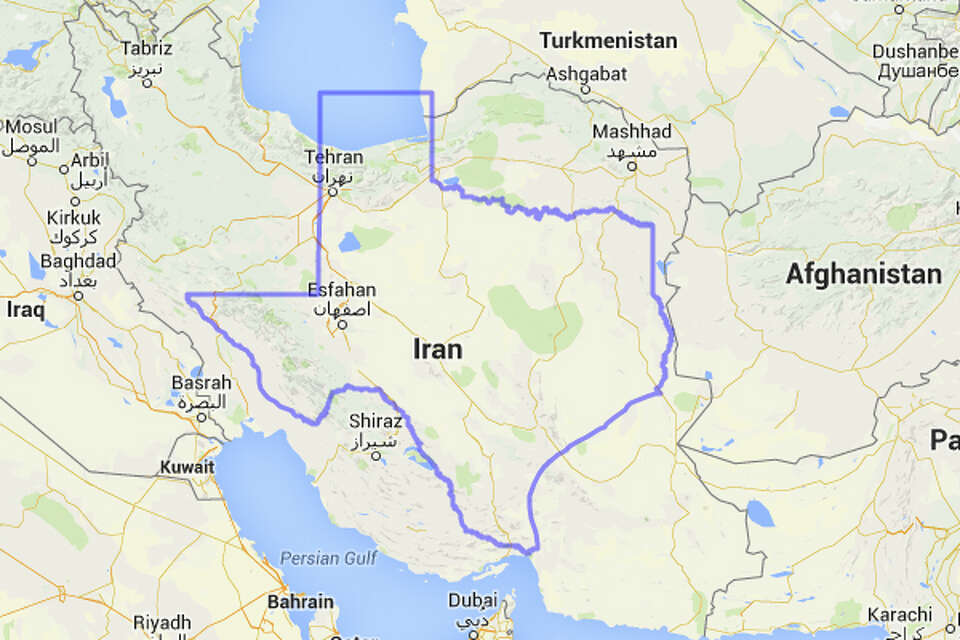
This vast difference in size, however, only scratches the surface. Both Texas and Iran offer an incredible array of destinations, attractions, and experiences that make them captivating choices for any traveler. From bustling metropolises to serene natural wonders, and from cutting-edge modern accommodations to historic boutique hotels, each region promises a unique journey.
Exploring the Vastness of Texas: The Lone Star State’s Grandeur
Texas, a cornerstone of North America, is a land of extremes and iconic imagery. Its sheer size means that driving from one end to the other can take over 12 hours, traversing distinctly different geographical and cultural zones. For travelers planning a trip, understanding this diversity is key to unlocking the best of the Lone Star State.
Diverse Destinations and Attractions
The urban centers of Texas are vibrant hubs, each with its own character and appeal. Houston, the largest city in Texas, is renowned for its contributions to space exploration at the NASA Johnson Space Center and its thriving energy industry. It boasts world-class museums in the Museum District, an incredible food scene ranging from international cuisines to classic Texas BBQ, and a diverse array of hotels and resorts.
Further north, Dallas offers a sophisticated blend of Western charm and modern cosmopolitan flair. Visitors can explore the Arts District, home to impressive architecture and galleries, or delve into history at the Sixth Floor Museum at Dealey Plaza. Dallas is also a shopper’s paradise and a major hub for business stays, offering numerous luxury hotels and conference facilities.
Austin, the state capital, is celebrated for its “Keep Austin Weird” motto, reflecting its eclectic music scene, innovative tech industry, and laid-back lifestyle. Live music venues along 6th Street and South Congress Avenue are legendary, while the city’s numerous parks and the Barton Springs Pool provide refreshing escapes. For those seeking unique experiences, Austin’s food trucks and boutique hotels are not to be missed.
San Antonio, meanwhile, is steeped in rich history and vibrant culture. It’s home to the iconic Alamo, a symbol of Texas independence, and the picturesque Riverwalk, lined with shops, restaurants, and hotels. The city also boasts several Spanish colonial missions, designated as a UNESCO World Heritage Site, offering a glimpse into the state’s storied past.
Beyond the cities, Texas offers awe-inspiring natural landmarks. Big Bend National Park in West Texas presents dramatic desert landscapes, rugged mountains, and the winding Rio Grande. Guadalupe Mountains National Park features the highest peak in Texas and stunning canyons. These parks are ideal for adventure travel enthusiasts, offering hiking, camping, and unparalleled stargazing opportunities. The Gulf Coast provides sandy beaches and fishing, while the Hill Country offers rolling hills, vineyards, and charming small towns perfect for a relaxing getaway.
Accommodation and Lifestyle in Texas
When it comes to accommodation, Texas caters to every preference and budget. In major cities like Houston and Dallas, you’ll find an abundance of luxury hotels, business hotels, and serviced apartments complete with all modern amenities. Austin excels with its trendy boutique hotels and eco-friendly stays, while San Antonio offers historic hotels along the Riverwalk that blend comfort with authentic ambiance.
For those seeking a more unique lifestyle experience, Texas offers charming bed and breakfasts in picturesque towns like Fredericksburg and Wimberley. The state is also famous for its ranch stays, where visitors can immerse themselves in authentic cowboy culture, partake in outdoor activities, and enjoy rustic yet comfortable lodging. Family trips are easily accommodated with resorts offering extensive facilities, including water parks and kids’ clubs. Budget travel is also very feasible, with numerous motel chains, vacation rentals, and campsites available across the state.
Unveiling the Cultural Riches of Iran: An Ancient Empire’s Allure
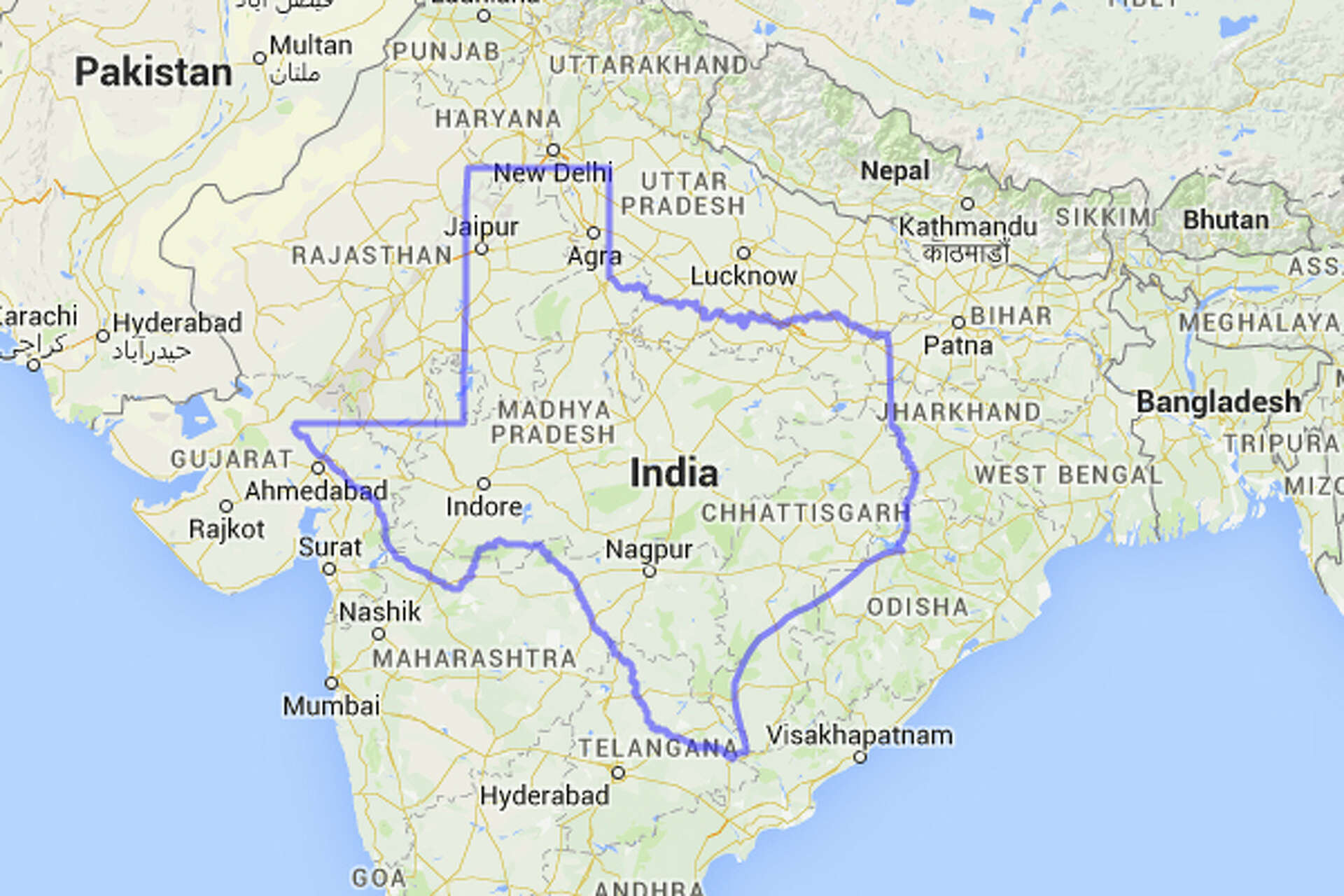
Despite its larger geographical footprint, Iran often remains less explored by international tourists compared to Texas. However, for those who venture to this ancient land in the Middle East and Western Asia, a journey through millennia of history, stunning architecture, and profound hospitality awaits.
Historical Landmarks and Diverse Landscapes
Iran’s history dates back thousands of years, having been home to some of the world’s oldest civilizations. Its capital, Tehran, is a bustling metropolis that blends modern skyscrapers with ancient bazaars. Here, travelers can explore the magnificent Golestan Palace, a UNESCO World Heritage Site, and delve into the country’s rich heritage at the National Museum of Iran and the National Jewelry Museum. Tehran also offers a vibrant arts scene, contemporary galleries, and a wide range of dining experiences.
The crown jewel of Iranian tourism is undoubtedly Isfahan, a city famed for its breathtaking Islamic architecture. Naqsh-e Jahan Square, another UNESCO World Heritage Site, is one of the largest and most impressive squares in the world, surrounded by architectural masterpieces like the Imam Mosque, Sheikh Lotfollah Mosque, and the Ali Qapu Palace. The city’s ancient bridges, such as the Khaju Bridge, add to its romantic allure, offering picturesque settings for evening strolls.
Shiraz, the city of poets, gardens, and nightingales, is another must-visit. It’s the gateway to Persepolis, the awe-inspiring ceremonial capital of the Achaemenid Empire, which stands as a testament to ancient Persian power and artistic prowess. Within Shiraz itself, visitors can explore the tombs of revered poets Hafez and Saadi, the vibrant Vakil Bazaar, and the stunning Nasir al-Mulk Mosque (Pink Mosque), famous for its kaleidoscope of colors when illuminated by morning light.
Iran’s natural landscapes are as diverse as its history. From the scorching salt flats of the Lut Desert (another UNESCO site) to the snow-capped peaks of the Alborz Mountains, which offer skiing opportunities in winter, the country presents a dramatic range of environments. The lush northern regions bordering the Caspian Sea provide a stark contrast with their green forests and humid climate, offering a different kind of natural beauty for travelers to discover.
The local culture of Iran is deeply rooted in Persian traditions, known for its profound emphasis on hospitality, poetry, and exquisite cuisine. Persian food, characterized by aromatic spices, fresh herbs, and a balance of sweet and savory flavors, is an experience in itself, from succulent kebabs to fragrant rice dishes and refreshing sherbets.
Accommodation and Travel Experiences in Iran
Accommodation in Iran has been steadily improving, with a growing number of options to suit various tastes. In Tehran, modern hotels offer international standards of comfort, including well-appointed suites and a range of amenities for both leisure and business travelers. In historical cities like Isfahan and Shiraz, many traditional houses have been beautifully restored and converted into charming boutique hotels or guesthouses, offering an authentic immersion into Persian architecture and hospitality. These typically feature ornate courtyards, traditional decor, and often local cuisine.
For those seeking a more adventurous or off-the-beaten-path experience, there are eco-lodges in rural areas and desert camps that provide unique accommodation options. Booking accommodations in Iran often requires careful planning, and it’s advisable to use specialized travel agencies or booking platforms that cater to the region, as international payment systems can be limited.
Travel experiences in Iran are deeply cultural. Visitors can participate in cooking classes to learn Persian recipes, attend traditional music performances, or explore vibrant bazaars where ancient crafts like carpet weaving and miniature painting thrive. Adventure travel options include trekking in the Alborz Mountains, exploring the caves of Ali Sadr, or experiencing the tranquility of the desert on camelback. For tourism tips, it’s important to be aware of local customs and dress codes, which vary for men and women.

Navigating Two Worlds: Travel Tips and Experiences
While Texas and Iran are fundamentally different in their geographical and socio-political contexts, both offer incredibly rich and rewarding travel experiences. The comparison of their sizes ultimately highlights the sheer scale of attractions and activities each region contains.
For Texas travelers:
A trip through Texas is often characterized by expansive road trips, enjoying diverse urban and natural landscapes with modern amenities and robust infrastructure. Travel guides often recommend renting a car to truly appreciate the distances and variety. The lifestyle is largely Western, with ease of booking and access to information. Whether it’s a family trip to a theme park, a luxury stay at a resort, or a budget-friendly exploration of state parks, Texas has it all.
For Iran travelers:
Travel to Iran is a profound journey into ancient history and deeply ingrained culture. It requires more preparation, particularly regarding visa requirements and understanding local customs. However, the rewards are immense: unparalleled historical landmarks, genuine hospitality, and incredibly diverse landscapes that surprise many. Tourism here is often a discovery of the unexpected, offering authentic, immersive experiences that contrast sharply with Western perceptions. Accommodation options range from modern city hotels to traditional guesthouses that offer a glimpse into Persian lifestyle.
Ultimately, while the statistical answer to “Is Texas bigger than Iran?” is a clear no, the real takeaway for travelers is the immense scale of both destinations. Each region, whether the expansive Lone Star State or the ancient Persian Empire, offers a universe of exploration. From the modern marvels and vast natural parks of Texas to the millennia-old landmarks and rich cultural tapestries of Iran, both promise an unforgettable journey, rich in unique attractions, diverse accommodations, and compelling lifestyle experiences. The choice between them isn’t about size, but about the type of adventure you seek.
LifeOutOfTheBox is a participant in the Amazon Services LLC Associates Program, an affiliate advertising program designed to provide a means for sites to earn advertising fees by advertising and linking to Amazon.com. Amazon, the Amazon logo, AmazonSupply, and the AmazonSupply logo are trademarks of Amazon.com, Inc. or its affiliates. As an Amazon Associate we earn affiliate commissions from qualifying purchases.