
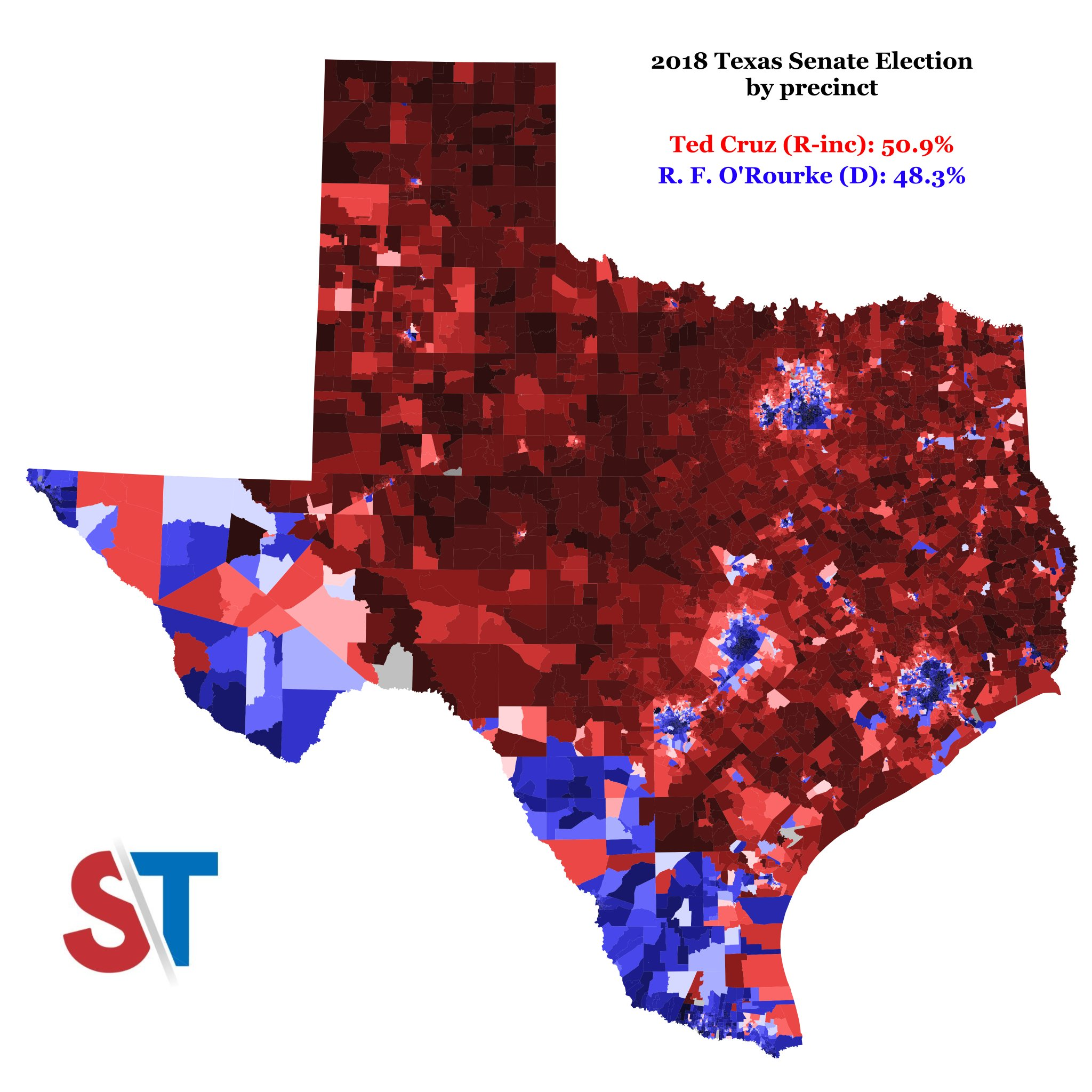
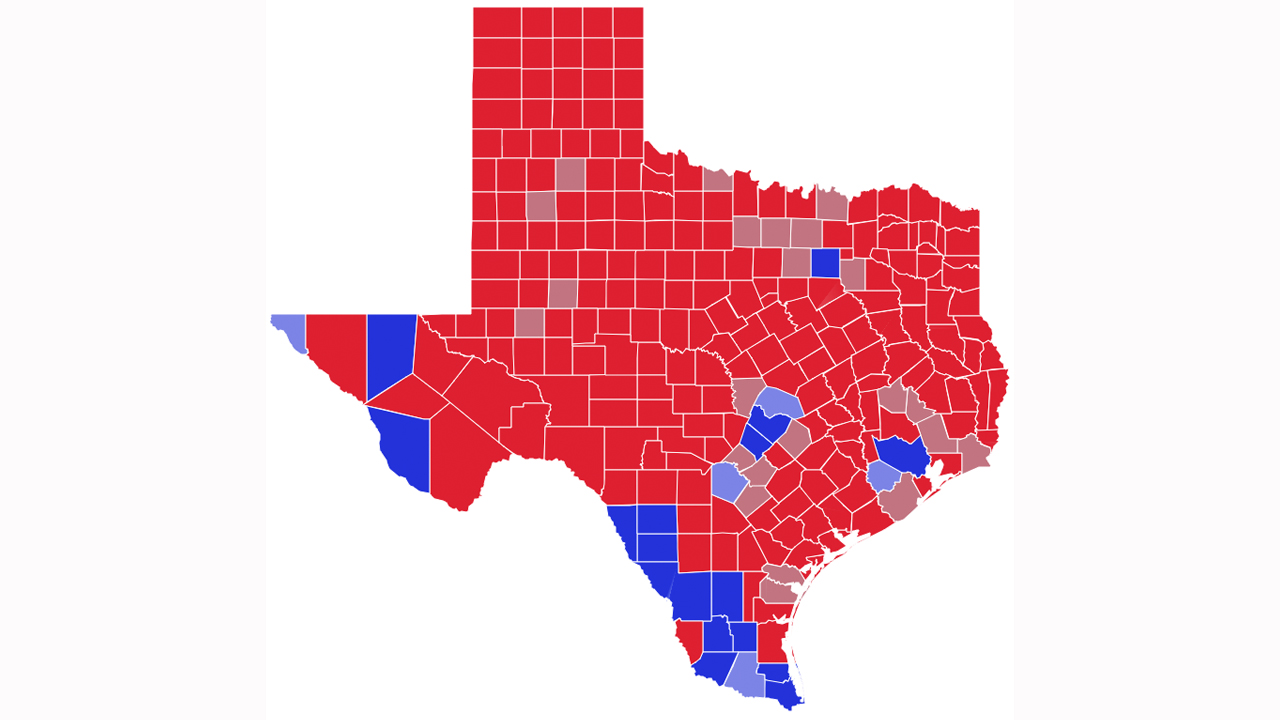
Texas, a state synonymous with wide-open spaces, iconic cowboys, and a fiercely independent spirit, often conjures images of sun-baked landscapes and a conservative political identity. Yet, the question “Is Texas Blue?” delves into a more nuanced and evolving reality, particularly for those exploring its vibrant urban centers and the burgeoning cultural tapestry they represent. While the state’s rural expanses and historical leanings might suggest a solid red hue, a closer look reveals pockets of vibrant blue, painted by diverse populations, progressive movements, and a growing embrace of cultural experiences that challenge traditional perceptions. This exploration isn’t about political affiliations, but rather about the rich, multifaceted character that defines modern Texas for the discerning traveler and cultural enthusiast.

The Urban Pulse: Cities of Blue
Texas’s major metropolitan areas are undeniably the heart of its “blue” identity, serving as melting pots of cultures, ideas, and experiences. These cities are not just economic powerhouses; they are dynamic hubs of art, music, culinary innovation, and forward-thinking community development.
Austin: The Live Music Capital’s Creative Current
Austin stands as the undisputed epicenter of Texas’s progressive spirit. Renowned as the “Live Music Capital of the World,” its streets thrum with a constant symphony of genres, from indie rock and country to blues and electronic. Beyond the music, Austin boasts a thriving arts scene, evident in its numerous galleries, street art installations, and vibrant festivals like South by Southwest (SXSW). The city’s commitment to environmental sustainability and its unique “Keep Austin Weird” ethos foster an atmosphere of open-mindedness and creativity.
Culinary Delights and Craftsmanship
The food scene in Austin is a testament to its evolving identity. While barbecue remains a sacred tradition, the city offers a diverse palate, from innovative Tex-Mex and authentic international cuisine to award-winning food trucks serving up gourmet delights. Craft breweries and distilleries have also flourished, offering a taste of local innovation and community spirit. Exploring neighborhoods like South Congress reveals independent boutiques, artisan workshops, and a palpable sense of local pride.
Houston: A Global Metropolis of Diversity
Houston, the most populous city in Texas, is a microcosm of the world. Its immense diversity, fueled by a constant influx of international residents, has cultivated a rich cultural landscape. From its world-class Museum District, featuring institutions like the Museum of Fine Arts, Houston and the Children’s Museum Houston, to its vibrant international enclaves like Chinatown and Little Saigon, Houston offers an unparalleled journey through global cultures without leaving the city.
Culinary Frontiers and Artistic Expression
Houston’s culinary scene is as vast and varied as its population. It is often lauded as one of America’s most exciting food cities, with Vietnamese, Indian, and Mexican cuisines reaching new heights of authenticity and innovation. The city’s arts scene is equally impressive, with the renowned Theater District hosting major performing arts organizations and numerous independent galleries showcasing contemporary artists. The Space Center Houston, a landmark attraction, further solidifies Houston’s pioneering spirit.
Dallas-Fort Worth Metroplex: Sophistication Meets Southern Charm
The Dallas-Fort Worth Metroplex, often referred to as the “Big D” and its neighboring city “Funkytown,” presents a dynamic blend of cosmopolitan sophistication and enduring Texan charm. Dallas itself is a hub of commerce and culture, with a thriving arts district, a burgeoning culinary scene, and a notable commitment to modern architecture.
Arts, Culture, and Culinary Evolution in Dallas
The Dallas Arts District is one of the largest urban arts districts in the United States, home to the Dallas Museum of Art, the Perot Museum of Nature and Science, and the Winspear Opera House. The city’s culinary landscape has seen significant evolution, moving beyond traditional Texan fare to embrace diverse international flavors and cutting-edge gastronomy. Fort Worth, on the other hand, retains a more distinctly Western identity, particularly in the Stockyards National Historic District, while also boasting a growing appreciation for the arts and a unique cultural identity.
The Shifting Sands: Cultural Transformations
Beyond the major cities, Texas is experiencing subtle yet significant cultural shifts. While the vast ranches and small towns may still embody a traditional Texan ethos, a growing appreciation for diverse cultures, artistic expression, and progressive values is becoming increasingly evident.
The Rise of Creative Communities
Smaller cities and towns across Texas are witnessing the emergence of vibrant creative communities. Artists, entrepreneurs, and individuals seeking a more laid-back yet culturally rich lifestyle are drawn to places like San Antonio, with its deep historical roots and burgeoning arts scene, and El Paso, a city with a distinct border culture that offers a unique blend of Mexican and American influences.
San Antonio’s Historic Charm and Artistic Renaissance
San Antonio, a city steeped in history with landmarks like the Alamo and the San Antonio Missions National Historical Park, is experiencing an artistic renaissance. The River Walk is a testament to its blend of natural beauty and urban development, offering a picturesque setting for exploration. Galleries, theaters, and performance spaces are flourishing, showcasing local talent and attracting diverse audiences. The city’s rich Tejano culture is celebrated through its festivals, music, and cuisine, adding a distinct blue hue to its historical canvas.
The Influence of Higher Education and Technology
Texas’s numerous universities and burgeoning tech industry are also playing a crucial role in shaping its cultural landscape. These institutions attract diverse student bodies and professionals, fostering an environment of innovation, open dialogue, and exposure to global perspectives. This demographic shift contributes to a growing demand for varied cultural experiences, from independent bookstores and coffee shops to farmers’ markets and community arts programs.
Experiencing the Blue Hues: Travel Tips
For travelers seeking to experience the “blue” side of Texas, strategic planning and an open mind are key. Embracing the urban centers and engaging with their unique cultural offerings will provide the most immersive experience.
Navigating the Urban Landscape
- Transportation: Major cities like Austin, Houston, and Dallas offer robust public transportation systems, though a car is often recommended for exploring the vastness of the state. Ride-sharing services are widely available in urban areas.
- Accommodation: A range of options exists, from luxury hotels in downtown areas to boutique inns and charming bed and breakfasts in historic districts. Consider areas within walking distance of cultural attractions for a more immersive experience.
- Culinary Exploration: Be adventurous! Sample the diverse range of international cuisines, from Vietnamese pho in Houston to authentic tacos in Austin. Don’t shy away from food trucks; they are often the heart of culinary innovation.
- Arts and Culture: Prioritize visiting museums, art galleries, live music venues, and local theaters. Check event listings for festivals, performances, and community gatherings happening during your visit.
Embracing the Local Spirit
- Engage with local communities: Visit neighborhood markets, attend local events, and strike up conversations with residents. This is where the true spirit of Texas, in all its diversity, can be found.
- Explore beyond the main attractions: While landmarks are important, venturing into lesser-known neighborhoods can reveal hidden gems of art, music, and culinary excellence.
- Be mindful of the climate: Texas can be very hot, especially during the summer months. Plan outdoor activities for the cooler parts of the day and stay hydrated.
In conclusion, while “blue” in Texas might not be a monolithic political statement, it undeniably represents a vibrant, dynamic, and evolving cultural landscape. The state’s major cities pulse with a creative energy and a welcoming spirit, offering a rich tapestry of experiences for those willing to look beyond the traditional Texan stereotypes. From the live music scene of Austin to the global flavors of Houston and the sophisticated arts of Dallas, Texas is far more diverse and colorful than its dominant hue might suggest.
LifeOutOfTheBox is a participant in the Amazon Services LLC Associates Program, an affiliate advertising program designed to provide a means for sites to earn advertising fees by advertising and linking to Amazon.com. Amazon, the Amazon logo, AmazonSupply, and the AmazonSupply logo are trademarks of Amazon.com, Inc. or its affiliates. As an Amazon Associate we earn affiliate commissions from qualifying purchases.