
The chilling title of The Texas Chainsaw Massacre immediately conjures images of fear, isolation, and unbridled terror. For decades, this iconic 1974 horror film has not only redefined the genre but has also embedded itself deeply into popular culture, leaving an indelible mark on the psyche of audiences worldwide. A significant part of its enduring mystique stems from the persistent rumor, often propagated by the film’s own marketing, that it is “based on a true story.” This claim, emblazoned on movie posters and whispered among fans, has fueled countless sleepless nights and sparked endless debates. It prompts a fascinating journey into the eerie intersection of real-life atrocities, cinematic artistry, and the human fascination with the macabre.

For many, the idea of visiting the filming locations or even the broader landscape of Texas becomes an experience tinged with an unsettling curiosity. It’s a form of “dark tourism” that goes beyond conventional sightseeing, appealing to those who seek to connect with the narratives, both factual and fictional, that have shaped our cultural landscape. This exploration delves into the historical threads woven into the fabric of the film, examining the true events and individuals that inspired its creation, while also exploring how this terrifying tale continues to influence perceptions of Texas and attract a unique subset of travelers.
The Haunting Claim: Unpacking the “True Story” Marketing Ploy
From its very inception, The Texas Chainsaw Massacre was marketed with an unsettling tag: “What happened is true.” This bold declaration was a stroke of genius by director Tobe Hooper and his team, designed to amplify the film’s visceral impact and blur the lines between fiction and reality. In an era before widespread internet fact-checking, this claim was incredibly potent, lending an air of documentary-like authenticity to the gruesome events unfolding on screen. Audiences were left to grapple with the terrifying possibility that such horrors could indeed happen, transforming the cinematic experience into something far more personal and disturbing.
The film meticulously crafted an atmosphere of gritty realism, employing a pseudo-documentary style, utilizing unknown actors, and shooting in desolate, sun-baked Texas locations. This aesthetic choice further cemented the “true story” illusion. While the film explicitly opens with a narrator stating it’s “an account of the tragedy that befell a group of five youths, in particular Sally Hardesty,” and that it’s “one of the most bizarre crimes in the annals of American history,” it’s crucial to understand that the actual plot – the five friends, the gas station, the hitchhiker, and the family of cannibals including the iconic Leatherface – is entirely fictional. No such family existed, nor was there a specific massacre involving a chainsaw-wielding killer in Texas as depicted in the movie. The genius lay in the psychological manipulation, tapping into primal fears and societal anxieties about isolated rural areas and the unknown dangers lurking within.

The Real-Life Echoes: Ed Gein, The Butcher of Plainfield
While The Texas Chainsaw Massacre is not a literal recounting of specific events, it undeniably drew profound inspiration from a real-life figure whose gruesome crimes shocked the nation in the late 1950s: Ed Gein. Gein, a reclusive farmer from Plainfield, Wisconsin, was a grave robber and murderer whose disturbing activities included exhuming corpses from local cemeteries and fashioning trophies, furniture, and even clothing from human remains. His isolated farmhouse, filled with macabre artifacts, became a chilling testament to his depravity when authorities finally uncovered his secrets in 1957.
Gein’s story captivated and horrified America. He wasn’t a chainsaw-wielding maniac, nor did he target groups of hitchhiking teenagers. His crimes were far more solitary and unsettling, primarily involving the desecration of the dead and the murder of two women. However, certain elements of his grim reality resonated deeply with Tobe Hooper’s vision. Gein’s rural isolation, his bizarre collection of human skin and bones, and his creation of a “suit” made from human flesh provided a grotesque blueprint for elements like Leatherface’s mask and the macabre décor of the Sawyer family’s house.
The connection to Ed Gein is where the “true story” claim gains its insidious power. Filmmakers often draw from real events, historical figures, or psychological profiles to lend authenticity and depth to their narratives. In the case of The Texas Chainsaw Massacre, it was Gein’s sheer abnormality and the unsettling discovery of his rural house of horrors that provided the foundational psychological terror, not the specific chain of events. Other horror films, such as Alfred Hitchcock’s Psycho (1960), Deranged (1974), and even The Silence of the Lambs (1991), have similarly drawn inspiration from Gein’s heinous acts, showcasing his lasting, albeit dark, influence on the genre.
Texas as a Landscape of Fear: Filming Locations and Their Legacy
The choice of Texas as the setting for The Texas Chainsaw Massacre was not arbitrary. Director Tobe Hooper, a native Texan, deliberately utilized the state’s vast, desolate, and often oppressive summer landscape to enhance the film’s sense of isolation and dread. The intense heat, the endless dusty roads, and the sparse, forgotten communities became characters in themselves, amplifying the vulnerability of the protagonists and the alien nature of their terrifying encounter.
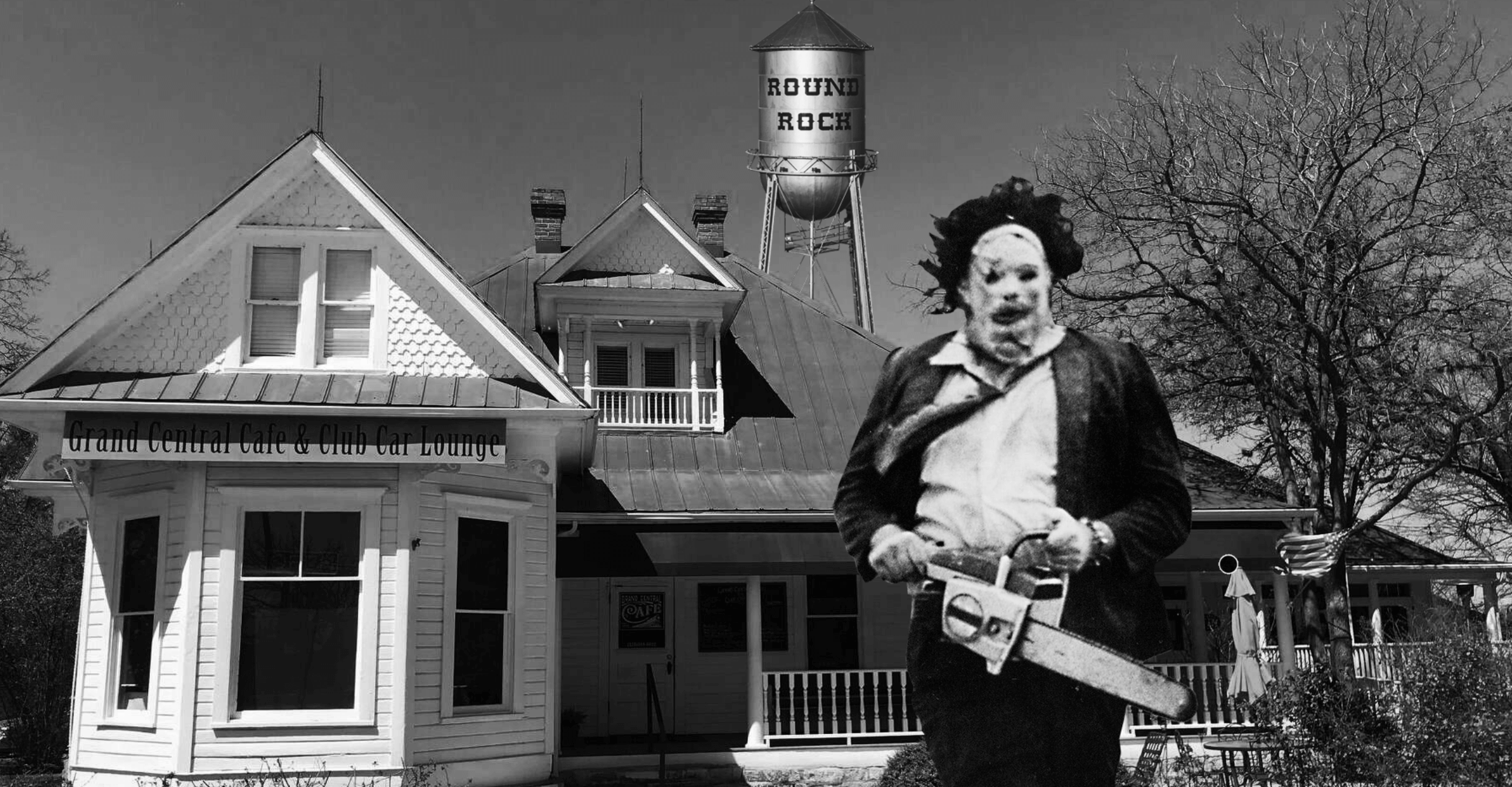
The primary filming location for the iconic Sawyer family house was an unassuming Victorian farmhouse located near Round Rock, just north of Austin. This house, with its weathered facade and sprawling porch, perfectly encapsulated the decaying rural aesthetic central to the film’s horror. Over the years, this house has become a bona fide landmark for horror enthusiasts and a fascinating case study in dark tourism. Due to preservation efforts and a strategic relocation, the original house was moved in 1998 from its initial site to the small town of Kingsland, Texas, approximately 60 miles northwest of Austin. Today, it stands proudly as The Original Texas Chainsaw Massacre House and operates as a restaurant called Grand Central Cafe, part of The Antlers Inn complex. Visiting this landmark allows fans to dine within the very walls that once witnessed cinematic terror, offering a unique, if slightly surreal, culinary and cultural experience.
Other notable filming locations that draw curious travelers include parts of Bastrop and La Grange, communities whose rural charm was expertly twisted to serve the film’s sinister narrative. For instance, the infamous Gas Station from the movie, where the unwitting protagonists stop for gas and barbecue, has been meticulously restored and now functions as a themed souvenir shop and barbecue joint in Bastrop, offering overnight accommodation in cabins dubbed the “Horror Hotel.” These sites, once mundane landscapes, have been transformed into pilgrimage points, where fans can immerse themselves in the lore, take photographs, and purchase memorabilia, all while grappling with the unsettling thought of the fictional horrors that unfolded there. This transformation highlights how tourism, even dark tourism, can breathe new life into seemingly ordinary locations, turning them into must-see attractions for a niche but dedicated audience.
The Enduring Legacy: Film Tourism and the Macabre Traveler
The lasting impact of The Texas Chainsaw Massacre extends far beyond its initial theatrical run. It has spawned numerous sequels, prequels, and reboots, each attempting to capture a fraction of the original’s raw power. But more importantly for the travel and tourism industry, it has cultivated a vibrant subculture of “horror tourism.” This niche appeals to individuals who are fascinated by the darker aspects of history and fiction, seeking out locations associated with infamous events, haunted tales, or, in this case, iconic horror films.
For these travelers, visiting the sites connected to The Texas Chainsaw Massacre is not merely about sightseeing; it’s about experiencing a tangible link to a story that has profoundly affected them. It’s about feeling the oppressive Texas heat, walking the same paths, and perhaps even staying in accommodations that echo the film’s aesthetic. The Grand Central Cafe in Kingsland and the Gas Station in Bastrop are not just businesses; they are immersive experiences that cater directly to this segment of the market. They offer more than just food or a bed; they offer a story, a connection to a cultural phenomenon.
The phenomenon of film tourism, especially within the horror genre, highlights a unique aspect of lifestyle travel. It’s not just about luxury resorts or pristine beaches; it’s also about seeking out experiences that resonate with personal interests, no matter how unusual. For fans of The Texas Chainsaw Massacre, a trip to Texas becomes a pilgrimage, a chance to explore the authentic landscapes that inspired one of cinema’s most terrifying villains and his fictional family. This form of tourism contributes to local economies, transforming obscure rural locations into destinations that attract visitors from around the globe. It’s a testament to the power of storytelling, demonstrating how a compelling narrative, even a terrifying one, can shape perceptions of a place and create entirely new reasons for people to visit.
In conclusion, while The Texas Chainsaw Massacre is not a factual depiction of specific events, its claim of being “based on a true story” is rooted in the chilling real-life crimes of Ed Gein and masterfully amplified by ingenious marketing. This blend of inspiration and marketing genius cemented its place in horror history and forged an enduring legacy that continues to draw fascinated travelers to the sun-baked roads and eerie landscapes of Texas. For those brave enough to venture, the experience offers a unique exploration into the darker corners of both cinematic history and human nature, proving that sometimes, the most terrifying tales are the ones that hint at a disturbing truth beneath the surface.
LifeOutOfTheBox is a participant in the Amazon Services LLC Associates Program, an affiliate advertising program designed to provide a means for sites to earn advertising fees by advertising and linking to Amazon.com. Amazon, the Amazon logo, AmazonSupply, and the AmazonSupply logo are trademarks of Amazon.com, Inc. or its affiliates. As an Amazon Associate we earn affiliate commissions from qualifying purchases.