
The chilling title alone, “The Texas Chain Saw Massacre,” conjures images of isolated farmhouses, the revving of a chainsaw, and a family of cannibals terrorizing innocent travelers. For decades, this iconic 1974 horror film has fueled nightmares and morbid curiosity, largely due to its infamous claim: “Based on a True Story.” But how much of this terrifying tale is rooted in reality, and what does it mean for those looking to explore the mysterious corners of Texas? For fans of the macabre and those drawn to the darker side of tourism, unraveling the truth behind the legend offers a unique travel experience, blending cinematic history with the authentic charm of the Lone Star State.

Our journey begins not with a chainsaw, but with a deep dive into the historical nuances that inspired director Tobe Hooper’s masterpiece. We’ll then explore the actual filming locations—many of which are still standing and open to visitors—and discuss how these landmarks contribute to Texas’s diverse tourist appeal. From quirky roadside attractions to luxurious accommodations near the film’s eerie settings, this guide will help you plan an unforgettable trip that balances frights with genuine Texas hospitality, proving that even the most unsettling stories can lead to fascinating travel destinations.
Unraveling the Legend: Fact vs. Fiction
The claim “Based on a True Story” emblazoned on the posters of The Texas Chain Saw Massacre was a masterstroke of marketing, instantly elevating the film from mere fiction to a terrifying possibility. However, the reality is far more nuanced, drawing inspiration from disparate elements rather than a singular, fully documented event. Understanding this distinction is key to appreciating both the film’s enduring power and the genuine history of the state it depicts.
The Grisly Inspiration: Ed Gein’s Horrific Legacy
While no chainsaw-wielding family of cannibals ever terrorized travelers in Texas, the character of Leatherface and his twisted household drew heavily from the macabre case of Ed Gein. Gein, a notorious grave robber and murderer from Plainfield, Wisconsin, committed his heinous acts in the 1950s. His crimes, which involved exhuming corpses and creating grotesque household items from human remains—including furniture, bowls, and even suits made of human skin—shocked the nation and provided a grim template for cinematic horror.
Gein’s isolated farmhouse, his strange relationship with his deceased mother, and his practice of mutilating bodies resonated deeply with Tobe Hooper. The idea of a deranged individual living in squalor, surrounded by the remnants of his victims, directly influenced the disturbing aesthetic and character design of the Sawyer family, particularly Leatherface’s mask made of human skin. However, Gein did not use a chainsaw, nor was he part of a family of killers. His story was one of solitary psychosis, not a communal spree of violence. This key distinction underscores how filmmakers often weave together fragments of true crime to craft a fictional narrative that feels authentically terrifying.
More “Based On” Than “True Story”
It’s crucial for any horror aficionado or curious traveler to understand that “The Texas Chain Saw Massacre” is not a journalistic retelling of actual events. Instead, it’s a brilliant exploitation of primal fears, loosely inspired by the psychological impact of Gein’s crimes and the societal anxieties of the time. The film’s opening narration and promotional materials cleverly blurred the lines between reality and fiction, leading many to believe a real incident occurred in Texas involving a chainsaw-wielding killer.
The film’s gritty, documentary-style cinematography further contributed to this illusion of reality. Shot on a shoestring budget, its raw, visceral aesthetic made the horrors feel uncomfortably real, prompting viewers to question if such depravity could truly exist. This narrative ambiguity, combined with the visceral nature of the film, transformed The Texas Chain Saw Massacre into a cultural phenomenon that continues to intrigue and terrify, cementing its place not just in horror history, but also as an unusual point of interest for those exploring Texas’s lesser-known landmarks.
Journey to the Macabre: Exploring Filming Locations and Inspired Sites
For fans who want to dive deeper into the world of The Texas Chain Saw Massacre, Texas offers a unique “dark tourism” experience. Many of the original filming locations are still accessible, having found new lives as quirky attractions, restaurants, or historical landmarks. Visiting these sites provides a tangible connection to the film’s legacy and a fascinating glimpse into the independent filmmaking scene of the 1970s. This journey is not just for horror buffs; it’s a chance to explore small-town Texas, experience local culture, and appreciate the unique ways communities embrace their cinematic history.
The Iconic House: Where Fear Was Filmed
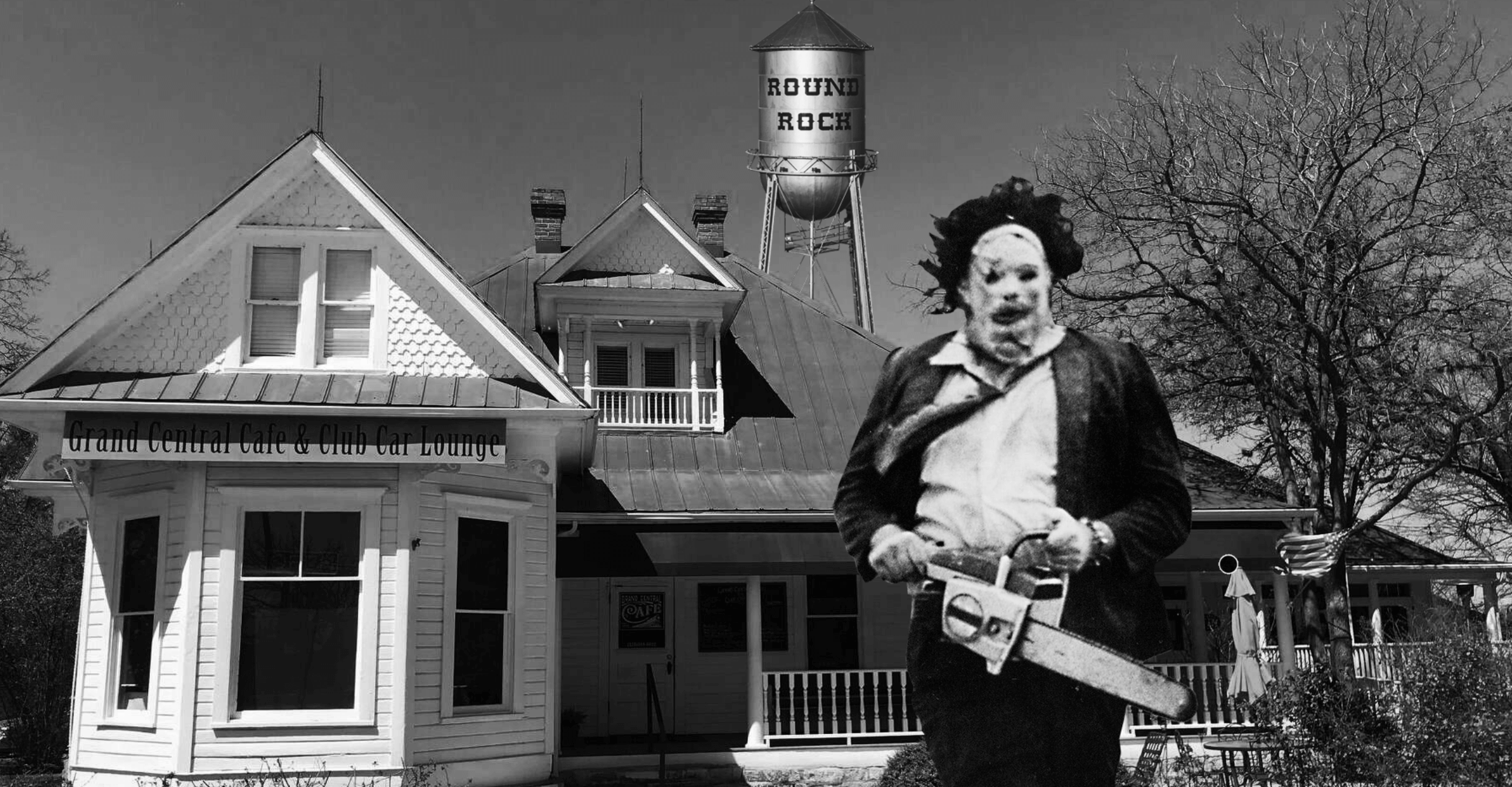
Perhaps the most recognizable location from the film is the Victorian-style farmhouse that served as the Sawyer family’s gruesome abode. Originally located in Granger, Texas, the house was meticulously scouted by Tobe Hooper for its desolate and unsettling appearance. After filming wrapped, the house eventually fell into disrepair.
However, in a remarkable feat of preservation and tourism ingenuity, the house was carefully dismantled, moved approximately 60 miles, and reassembled in Kingsland, Texas, in 1998. Today, it stands proudly as the centerpiece of the Antlers Hotel property and operates as the Grand Central Cafe. Stepping inside, visitors can dine in the very rooms where terrifying scenes unfolded, albeit now transformed into a charming, upscale restaurant. The cafe embraces its cinematic past, featuring subtle nods to the film without being overtly gory, making it a truly unique dining experience. This clever repurposing allows visitors to experience a piece of horror history in a comfortable, family-friendly setting, proving that even the most terrifying locations can be reimagined for tourism.
The Gas Station: A Pit Stop for Horror Fans
Another essential stop on the Chainsaw trail is the infamous gas station from the movie, located in Bastrop, Texas. In the film, this remote outpost serves as a chilling prelude to the horrors to come, a seemingly innocent stop that quickly turns sinister. For decades after the film’s release, the building remained largely dilapidated, a ghost of its terrifying past.
In recent years, however, the original building has been lovingly restored and transformed into a full-fledged tourist attraction called “The Gas Station.” Owned by a dedicated fan, it now operates as a horror-themed barbecue joint and souvenir shop. Visitors can fuel up on authentic Texas barbecue, browse a collection of horror memorabilia, and even stay overnight in one of the themed cabins located on the property. It’s a perfect example of niche tourism, catering specifically to fans who appreciate the cult status of the film and want to immerse themselves in its eerie atmosphere. This blend of local cuisine, unique accommodations, and cinematic homage creates a memorable experience that goes beyond simply viewing a landmark.
Other Noteworthy Locations in Texas
While the house and the gas station are the primary draws, other locations in Central Texas played their part in bringing The Texas Chain Saw Massacre to life. Many of the rural roads and desolate landscapes seen in the film were shot around Pflugerville and Austin, utilizing the natural, raw beauty of the Texas countryside. While specific points of interest might be harder to pinpoint without a dedicated film history guide, simply driving through these areas evokes the isolated, unsettling atmosphere that Tobe Hooper masterfully captured.
These lesser-known sites, combined with the more famous ones, offer a comprehensive itinerary for those seeking to follow in the footsteps of cinematic history. This type of travel fosters a deeper appreciation for the filmmaking process and allows visitors to see how everyday landscapes can be transformed into scenes of enduring terror. Moreover, it encourages exploration of off-the-beaten-path destinations, contributing to the local economies of smaller Texas towns that might otherwise be overlooked by mainstream tourism.

The Allure of Dark Tourism in Texas
“Dark tourism,” or thanatourism, is a growing niche in the travel industry, attracting individuals drawn to sites associated with death, disaster, and the macabre. The Texas Chain Saw Massacre locations serve as prime examples of this phenomenon, offering a blend of horror history, psychological intrigue, and authentic regional experiences. For many, it’s not about glorifying violence, but about understanding cultural impact, confronting fears, and experiencing history in a unique, tangible way. Texas, with its rich and sometimes dark past, offers more than just chainsaw-related frights.
Beyond the Chainsaw: Other Eerie Attractions
For travelers who enjoy the thrill of the unsettling, Texas is full of other attractions that tap into the state’s spooky side. Austin, the capital city, boasts numerous ghost tours that delve into its haunted hotels and historic buildings. The famous Driskill Hotel, for example, is rumored to be home to several spectral residents, offering guests a luxurious stay with a side of supernatural thrills. Similarly, San Antonio, with its ancient missions and battlegrounds like The Alamo, offers a wealth of ghost stories and historical mysteries.
These sites provide a different kind of “true story” for visitors—local legends, historical tragedies, and unexplained phenomena that have become woven into the fabric of Texas folklore. Exploring them can be a fascinating way to engage with the state’s history, understand its cultural narratives, and even challenge one’s own perceptions of the supernatural. Whether it’s a haunted walking tour in Dallas or a visit to a supposedly cursed ranch, Texas provides ample opportunities for those seeking a chill beyond the silver screen.
Planning Your Themed Getaway
A themed getaway focused on horror and history requires careful planning to ensure a well-rounded and enjoyable experience. Travelers should consider the time of year—autumn months leading up to Halloween can be particularly atmospheric but also busier. Mapping out the locations, including the Grand Central Cafe in Kingsland and The Gas Station in Bastrop, is essential.
It’s also advisable to incorporate non-horror-related activities to break up the itinerary and experience the broader culture of Texas. For instance, after visiting the spooky sites around Austin, one might explore the city’s vibrant live music scene, enjoy delicious Texas barbecue, or relax by Barton Springs Pool. This balanced approach ensures that your trip is not just a dark pilgrimage, but a holistic exploration of a fascinating state. Consider renting a car for flexibility, as many of these sites are in more rural areas.
Your Stay in Texas: Accommodation & Local Experiences
A trip to explore the legacy of The Texas Chain Saw Massacre doesn’t have to be a rustic affair. Texas offers a wide range of accommodation options and local experiences that can elevate your themed getaway into a truly memorable adventure, whether you’re seeking luxury, budget-friendly stays, or unique boutique hotels. The key is to blend the macabre with the comfortable, ensuring a relaxing retreat after a day of cinematic exploration.
Hotels and Resorts: Comfort Amidst the Creepy
When planning your base for exploring the Texas Chain Saw Massacre locations, Austin makes an excellent hub. Its proximity to Kingsland, Bastrop, and Pflugerville allows for convenient day trips to the film sites while providing a vibrant city experience in the evenings.
- Luxury Stays: For those seeking an opulent escape, Austin boasts world-class hotels. The historic Driskill Hotel, mentioned earlier for its spectral residents, offers grandeur and a touch of the supernatural. The Hotel ZaZa Austin provides a chic, modern experience with stunning skyline views and top-notch amenities. For a more secluded luxury, the Lake Austin Spa Resort offers an indulgent retreat where you can unwind from any lingering frights.
- Boutique and Mid-Range Options: Austin’s South Congress Avenue area is home to numerous boutique hotels that offer unique charm and easy access to shops and eateries. For a more budget-friendly stay without sacrificing comfort, consider properties slightly outside the immediate downtown core or explore charming B&Bs in smaller towns like Bastrop or Georgetown, which offer local character.
- Unique Accommodations: Remember The Gas Station in Bastrop offers themed cabins for an overnight stay—a truly immersive experience for the dedicated fan. Similarly, if you choose to dine at the Grand Central Cafe in Kingsland, the surrounding Antlers Hotel provides a quaint, historic lodging option, allowing you to sleep just steps away from the iconic house.
Dining and Local Culture: Texas Beyond the Horror
Beyond the horror sites, Texas offers a rich tapestry of local culture, food, and activities. Austin is renowned as the “Live Music Capital of the World,” with countless venues offering everything from country to indie rock. Don’t miss exploring the historic bars like Deep Eddy Cabaret or catching a show at the legendary Broken Spoke.
Food is a cornerstone of the Texas experience. Indulge in authentic Texas barbecue at iconic spots like Franklin Barbecue in Austin, or explore the vibrant food truck scene. Tex-Mex cuisine is another must-try, offering a flavorful blend of Texas and Mexican influences. These culinary adventures provide a delicious counterpoint to the day’s eerie explorations.
For outdoor enthusiasts, Zilker Metropolitan Park and Barton Springs Pool in Austin offer refreshing natural escapes. Further afield, consider extending your trip to natural landmarks like Big Bend National Park for breathtaking desert landscapes, or head to San Antonio to stroll along the historic River Walk and visit The Alamo. These diverse experiences showcase the incredible breadth of tourism opportunities in Texas, ensuring that your visit is rich in culture, adventure, and comfort, even if its initial inspiration was a terrifying film.
Responsible Travel and Respectful Exploration
Engaging in dark tourism, particularly around sites tied to real-world suffering or fictionalized horror, carries a responsibility. While The Texas Chain Saw Massacre is largely a work of fiction, its inspirations and the morbid nature of its locations call for a respectful approach to travel. This means understanding the context, supporting local businesses thoughtfully, and ensuring your presence contributes positively to the communities you visit.
When visiting the Grand Central Cafe or The Gas Station, remember these are active businesses and historical landmarks. Treat them with the same respect you would any other cultural site. Avoid littering, adhere to any posted rules, and be mindful of other patrons who may be there for different reasons. Engaging with locals, whether shop owners or restaurant staff, is an excellent way to learn more about the area and its history beyond the film.
Furthermore, while the film’s “based on a true story” claim is a marketing tool, the real story of Ed Gein involved horrific violence against real people. It’s important to approach such inspirations with sensitivity, acknowledging the human cost behind these narratives, rather than sensationalizing them. Responsible tourism means recognizing the fine line between historical intrigue and disrespect.
By planning your trip conscientiously, staying in local accommodations, dining at local establishments, and exploring the broader cultural landscape of Texas, you can transform a morbid curiosity into a truly enriching travel experience. Texas offers an incredible array of destinations, from bustling cities like Houston and Dallas to serene natural parks and charming small towns. Your “Chainsaw” journey can be an entry point into discovering the diverse beauty, history, and hospitality of this incredible state, proving that even a trip inspired by fear can lead to truly wonderful discoveries. So, pack your bags, prepare for a fascinating blend of cinematic history and authentic Texas charm, and embark on an adventure that will leave you with stories to tell—just hopefully not ones involving a real chainsaw.
LifeOutOfTheBox is a participant in the Amazon Services LLC Associates Program, an affiliate advertising program designed to provide a means for sites to earn advertising fees by advertising and linking to Amazon.com. Amazon, the Amazon logo, AmazonSupply, and the AmazonSupply logo are trademarks of Amazon.com, Inc. or its affiliates. As an Amazon Associate we earn affiliate commissions from qualifying purchases.