
Navigating the intricacies of property ownership can be a complex endeavor, especially when it intersects with personal lifestyle choices and significant life events. For those considering a move to the Lone Star State, or for residents already enjoying the vibrant culture and diverse landscapes of Texas, understanding its legal framework for property is crucial. The question, “Is Texas a community property state?” directly addresses a fundamental aspect of how assets are acquired and divided within marital unions. This legal designation carries significant implications for married couples, affecting everything from real estate and bank accounts to business interests and debts.
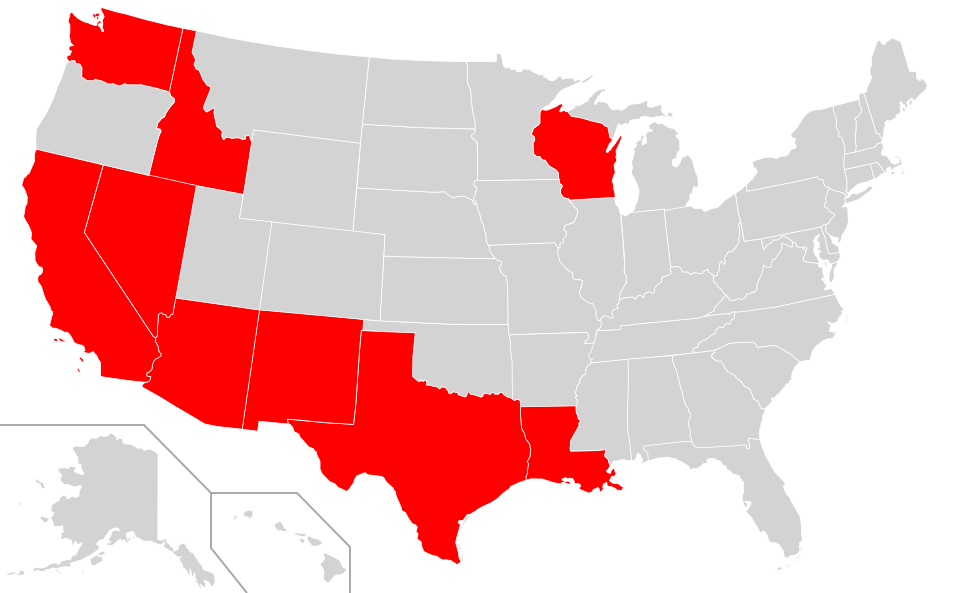
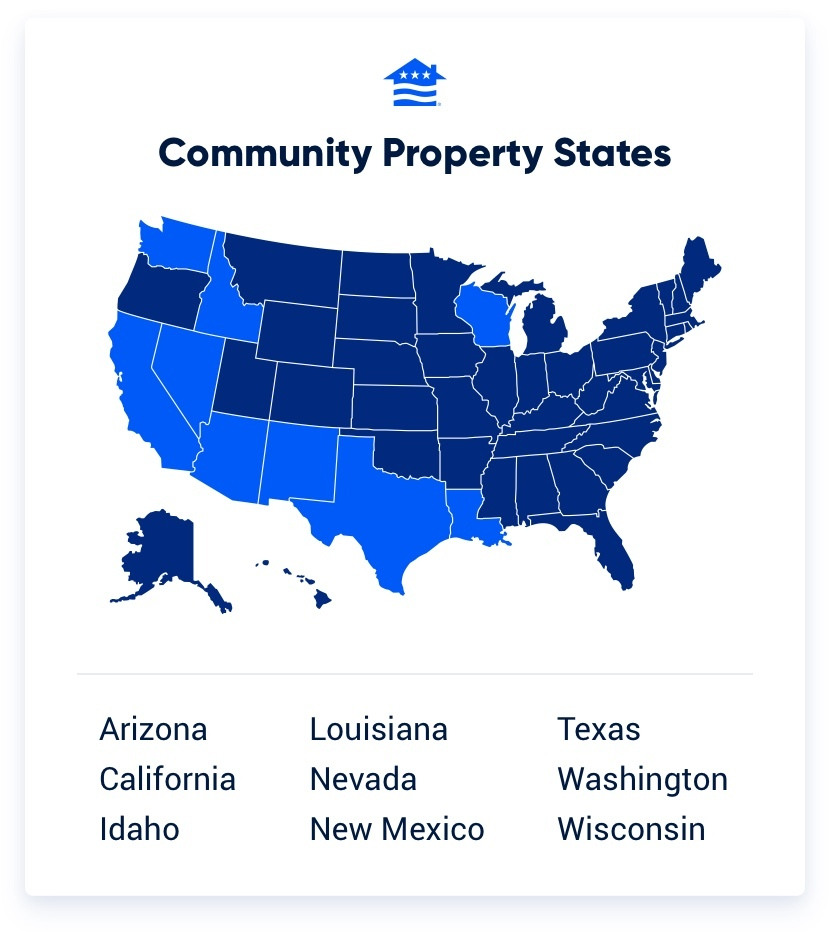
Community property laws are a cornerstone of marital property rights in several U.S. states, originating from Spanish and French civil law traditions. Unlike common law states, where marital property is typically owned individually by each spouse, community property states presume that most assets acquired during the marriage are jointly owned by both spouses, regardless of whose name is on the title. This presumption profoundly influences financial planning, estate planning, and divorce proceedings. Texas, with its unique history and robust economy, has embraced this legal tradition, making it a community property state. This means that the vast majority of assets and debts accumulated by a couple from the date of their marriage until their separation or divorce are considered community property, owned equally by both spouses.
Understanding Community Property in Texas
In Texas, the concept of community property is not merely a legal formality; it’s a foundational principle that shapes marital financial relationships. When a couple marries in Texas, or moves to Texas while married, most of the property they acquire after the marriage date is legally considered “community property.” This classification extends to income earned by either spouse, any assets purchased with that income, and the appreciation of community property. For example, if one spouse inherits money or receives a gift during the marriage, that asset is generally considered separate property. However, if that inherited money is then used to purchase a house, the house itself, or at least the portion purchased with community funds, could be classified as community property. Similarly, if one spouse starts a business during the marriage, the business and any profits it generates are typically considered community property.
Separate Property vs. Community Property
The distinction between separate property and community property is paramount. Texas law clearly defines what constitutes separate property. Generally, separate property includes:
- Assets owned by a spouse before marriage: Anything a person owned prior to saying “I do” remains their individual property. This could include real estate, vehicles, savings accounts, or investments.
- Gifts received during the marriage: If a spouse receives a gift specifically intended for them, such as jewelry from a family member or a cash gift, that item is considered their separate property.
- Inheritances received during the marriage: Similar to gifts, any property inherited by a spouse during the marriage is their separate property. This is a critical distinction, as inherited assets can often be substantial.
All other property acquired by either spouse during the marriage is presumed to be community property. This presumption is rebuttable, meaning it can be overturned with clear and convincing evidence. However, the burden of proof lies with the spouse claiming an asset as separate property. This often requires meticulous record-keeping, such as separate bank accounts and clear documentation of the source of funds. For instance, if a spouse sells a piece of separate property and uses the proceeds to buy another asset, they must be able to trace those funds to maintain the separate character of the new asset. Failure to do so can result in the new asset being classified as community property.
Implications for Lifestyle and Financial Planning
The community property laws in Texas have far-reaching implications that touch upon nearly every aspect of a couple’s lifestyle and financial planning. From purchasing a dream home in the sprawling suburbs of Dallas to investing in a vacation villa in the picturesque Texas Hill Country, the legal framework dictates how these assets are owned and managed. Understanding this framework is not just a matter of legal compliance; it’s about making informed decisions that align with a couple’s long-term financial goals and personal aspirations.

Property Acquisition and Management
When a married couple in Texas decides to buy property, whether it’s a primary residence, a rental apartment, or a weekend getaway, the nature of that acquisition is influenced by community property law. If the funds used for the purchase come from income earned during the marriage, the property will likely be classified as community property, regardless of whose name is listed on the deed. This means both spouses have an equal ownership interest in the property. This shared ownership extends to any subsequent appreciation in the property’s value. For example, if a couple buys a home in Austin with earnings from both of their jobs, and the home’s value increases significantly over the years, that appreciation is also considered community property.
The management of community property is also a shared responsibility. While one spouse might handle the day-to-day operations of a community-owned rental property or make decisions regarding a jointly owned business, both spouses have rights and responsibilities. This can be particularly relevant when considering major financial decisions, such as selling a property, taking out a mortgage on community property, or entering into significant contracts related to community assets. Legal advice is often sought to ensure that both parties are comfortable with and legally protected in such situations.
Divorce and Property Division
Perhaps the most significant impact of community property law is felt during a divorce. Texas is a “no-fault” divorce state, meaning a divorce can be granted without proving that one spouse is to blame for the marriage’s breakdown. However, when it comes to dividing property, the community property laws come into play. In a Texas divorce, the court is tasked with dividing the community property in a “just and fair” manner. This does not necessarily mean a 50/50 split. The court can consider various factors when determining what constitutes a just and fair division, including:
- Fault in the breakup of the marriage: While not required for divorce, fault can influence property division.
- Disparity in earning capacities: If one spouse has significantly higher earning potential than the other, the court might award a larger share of community property to the less-advantaged spouse to ensure their future financial stability.
- Contributions to the marriage: This can include not only financial contributions but also non-monetary contributions, such as homemaking, childcare, and supporting the other spouse’s career or education.
- The health and age of each spouse: These factors can impact a spouse’s ability to earn a living and their future financial needs.
- Waste of community assets: If one spouse has dissipated or wasted community property before or during the divorce proceedings, the court may order a disproportionate division to compensate the other spouse.
It is crucial for couples contemplating divorce to understand the value of their community property and their potential claims. This might involve obtaining appraisals for real estate, valuing businesses, and assessing the worth of investments. Legal representation is highly recommended to navigate these complex negotiations and court proceedings.
Estate Planning Considerations
Community property laws also have substantial implications for estate planning. When one spouse passes away, the surviving spouse’s rights to community property are distinct from their rights to any separate property they may own. Generally, a deceased spouse can only bequeath their one-half interest in the community property, along with their separate property, through their will. The surviving spouse retains their one-half interest in the community property. This distinction is vital for ensuring that estate plans accurately reflect a couple’s wishes and minimize potential tax liabilities and legal complications for the surviving spouse.
For example, a couple might jointly own a luxury suite at a renowned resort or a collection of valuable artwork. If one spouse dies, their will can only direct the disposition of their share of this community property. The surviving spouse’s share remains theirs, unaffected by the deceased spouse’s will. Understanding these nuances allows couples to create comprehensive estate plans that protect their loved ones and ensure a smooth transfer of assets. This might involve consulting with an estate planning attorney to draft wills, trusts, and other necessary documents.
In essence, Texas’s designation as a community property state is a fundamental aspect of its legal landscape that influences married couples’ financial lives. From everyday transactions to significant life events like divorce and death, understanding how community property laws operate in Texas is essential for making informed decisions, protecting assets, and ensuring future financial security. Whether you are a long-time resident or planning your next adventure and considering making the Lone Star State your home, this legal framework plays a vital role in shaping your property rights and responsibilities.
LifeOutOfTheBox is a participant in the Amazon Services LLC Associates Program, an affiliate advertising program designed to provide a means for sites to earn advertising fees by advertising and linking to Amazon.com. Amazon, the Amazon logo, AmazonSupply, and the AmazonSupply logo are trademarks of Amazon.com, Inc. or its affiliates. As an Amazon Associate we earn affiliate commissions from qualifying purchases.