
The vast and varied landscape of Texas often sparks a curious geographical question: is it a part of the East Coast or the West Coast? This seemingly simple inquiry delves into the heart of what defines these iconic American coastlines and how the Lone Star State, with its unique character and sprawling territory, fits into the national consciousness. While Texas doesn’t directly border either the Atlantic Ocean or the Pacific Ocean, its cultural influences, economic ties, and even its perceived identity can often align it with aspects of both. This article will explore the geographical realities, cultural echoes, and lifestyle associations that might lead one to ponder Texas‘s coastal classification.
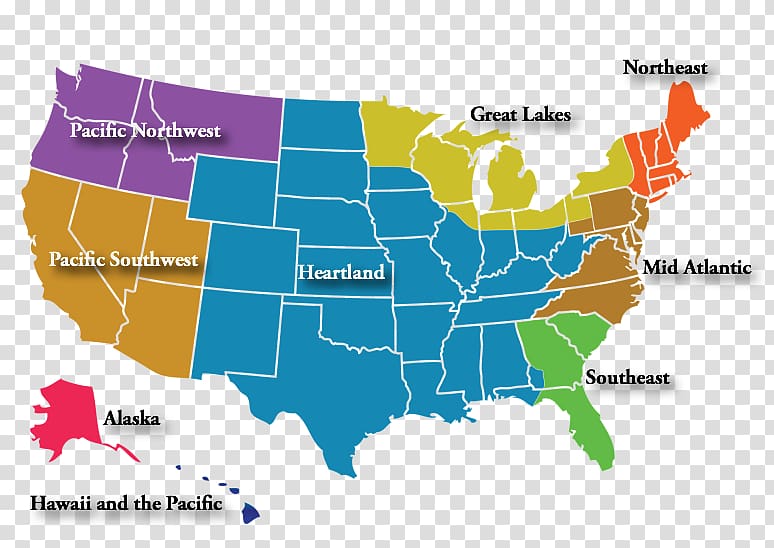
Navigating the Geographic Landscape: Beyond the Direct Coastline
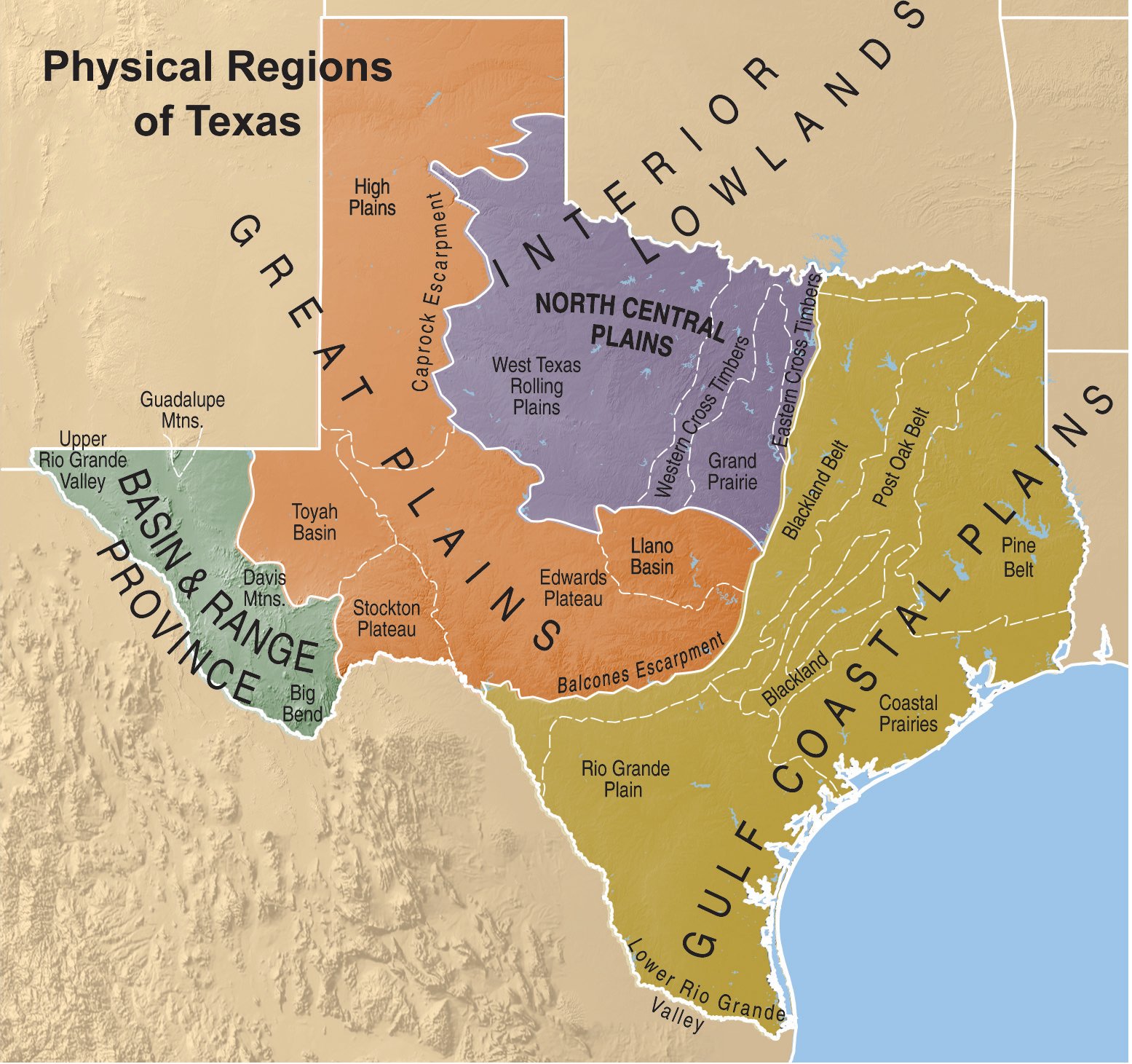
To definitively answer whether Texas is East Coast or West Coast, we must first look at its literal geographical position. Texas is situated in the south-central region of the United States. Its eastern border is defined by the Sabine River and the Louisiana state line, placing it firmly in proximity to the Gulf Coast. To the west, it shares borders with New Mexico and Mexico, extending into arid and semi-arid plains. Its southern edge is famously the Rio Grande, forming the boundary with Mexico.
The East Coast is generally understood as the region of the United States bordering the Atlantic Ocean, encompassing states from Maine down to Florida. These states are characterized by their historical significance, densely populated urban centers, and a maritime heritage deeply tied to the Atlantic. Think of the bustling metropolises like New York City, the historic charm of Charleston, or the vibrant energy of Miami.
The West Coast, on the other hand, refers to the states bordering the Pacific Ocean: primarily California, Oregon, and Washington. This region is known for its diverse natural beauty, from the redwood forests to the desert landscapes, and its pioneering spirit in technology and entertainment. Iconic cities like Los Angeles, San Francisco, and Seattle embody the West Coast lifestyle.
Given this, Texas is geographically neither East Coast nor West Coast. However, its considerable coastline along the Gulf of Mexico means it shares many characteristics with coastal regions, including a significant tourism industry, a distinct culinary scene influenced by seafood, and a lifestyle that often embraces outdoor activities and water-based recreation.
The Gulf Coast Connection: A Distinctive Coastal Identity
While not the Atlantic or Pacific, the Gulf Coast of Texas is a vital part of the state’s identity and offers a unique coastal experience. Cities like Galveston, with its historic Strand District and beaches, and Corpus Christi, home to the Texas State Aquarium and USS Lexington Museum, showcase a vibrant beach culture. South Padre Island is a popular destination for sun-seekers and water sports enthusiasts, drawing crowds similar to those found on beaches further east or west.
The tourism industry in these Gulf Coast cities thrives on attractions that appeal to families and vacationers. From luxurious resorts offering spa treatments and fine dining to charming vacation apartments and villas, the accommodation options cater to a wide range of preferences and budgets, mirroring the offerings found in renowned East Coast and West Coast vacation spots. The local culture is a blend of Southern hospitality, Tex-Mex influences, and a laid-back coastal vibe. The food scene is a delicious fusion, with fresh seafood often taking center stage alongside traditional Texas barbecue and other regional specialties. Exploring these landmarks and experiencing the local flavors offers a taste of a coastal lifestyle that, while distinct, shares commonalities with the broader coastal appeal of America.
Cultural and Economic Echoes: Alignments and Divergences
The question of Texas‘s coastal classification often stems from its perceived cultural and economic leanings. Due to its historical development and its position as a major hub for oil and gas, Texas has strong economic ties to both the eastern and western parts of the United States. Its energy sector is deeply intertwined with the East Coast’s demand and the global market, while its burgeoning tech scene in cities like Austin and Dallas echoes the innovation and entrepreneurial spirit often associated with the West Coast’s Silicon Valley.
Culturally, Texas is a complex tapestry. The eastern parts of the state, bordering Louisiana, often exhibit a strong Southern influence, with a shared history and cultural practices. This alignment might lead some to associate this region with the East Coast‘s Southern territories. Conversely, the sheer size and dynamism of Texas, its pioneering spirit in industries, and its embrace of new trends can sometimes evoke comparisons to the forward-looking, trend-setting nature of the West Coast.

The lifestyle in Texas is as diverse as its geography. You can find luxury travel experiences in the sprawling estates and high-end hotels of cities like Dallas and Houston, offering an opulent lifestyle reminiscent of the sophisticated urban centers of the East Coast. Simultaneously, the adventurous spirit and focus on outdoor recreation in areas like Big Bend National Park or the Texas Hill Country can evoke the natural beauty and active pursuits cherished on the West Coast. Whether planning a budget-friendly family trip to a state park or a sophisticated business stay in a downtown hotel, Texas offers a spectrum of lifestyle choices that resonate across the nation.
Lifestyle and Travel: Experiences that Defy Simple Categorization
When we look at the travel and lifestyle aspects of Texas, it becomes clear why the “East Coast or West Coast” question arises. The state offers experiences that blend familiar elements of both coastal regions, creating a unique identity that is distinctly Texan.
Travel and Attractions: A Diverse Portfolio
Texas is a treasure trove of travel destinations. For those seeking historical immersion, San Antonio offers the iconic Alamo and the charming Riverwalk, evoking the historical depth found in East Coast cities. The state’s rich history is evident in its numerous landmarks, from the State Capitol in Austin to the historic homes of Galveston.
For nature enthusiasts, West Texas boasts the dramatic landscapes of Big Bend National Park, a destination that rivals the natural grandeur of West Coast parks. The Texas Hill Country provides rolling hills, wineries, and charming small towns, offering a different kind of scenic beauty. Meanwhile, the Gulf Coast provides beaches, boating, and fishing, drawing parallels to the recreational opportunities on both the Atlantic and Pacific.
The sheer diversity of attractions means Texas can cater to virtually any travel preference. Whether one is interested in exploring the bustling urban centers with their world-class museums and entertainment venues, or seeking tranquility in its vast natural reserves, the travel experiences are rich and varied. This breadth of offerings allows Texas to stand on its own, rather than being neatly pigeonholed into a coastal category.
Accommodation and Tourism: Embracing Variety
The accommodation and tourism sectors in Texas are as varied as its landscapes. From luxury resorts like The Woodlands Resort to boutique hotels in Austin, Dallas, and Houston, the options for lodging are extensive. Travelers can choose from suites with premium amenities, apartments for longer stays, or charming villas for a more private experience. Booking platforms and review sites help visitors compare and select the perfect place to stay, ensuring a comfortable and memorable visit.
The tourism industry actively promotes local culture, food, and activities. Austin is renowned for its live music scene and vibrant culinary landscape, often compared to the trendsetting cities of the West Coast. Houston boasts a diverse international food scene and a thriving arts district, offering a cosmopolitan experience that resonates with East Coast metropolises. San Antonio offers a deep dive into Tex-Mex culture and Spanish colonial history, providing a unique cultural immersion.
Tips for travelers often involve embracing the local pace and exploring beyond the major cities. The warm climate in many parts of the state encourages outdoor activities year-round, from hiking and camping to water sports along the Gulf Coast. The culinary journey is a highlight, with barbecue, Tex-Mex, and fresh seafood being essential tastes of Texas. This focus on local experiences and authentic flavors is a hallmark of quality tourism, regardless of geographical designation.
Conclusion: Texas – A State of Its Own
Ultimately, the question “Is Texas East Coast Or West Coast?” is more of a thought experiment than a literal classification. Geographically, Texas is situated in the south-central United States, with its primary coastline on the Gulf of Mexico. However, its significant economic ties, cultural influences, and the diverse range of travel, tourism, accommodation, and lifestyle experiences it offers create a compelling argument for its unique place in the American landscape.
Texas doesn’t need to be confined to an East Coast or West Coast box. It draws inspiration from both, while forging its own distinct identity. Its rich history, natural beauty, thriving metropolises, and warm hospitality make it a destination that offers something for everyone. Whether you’re drawn to its historic landmarks, its culinary delights, its luxurious accommodations, or its adventurous outdoor pursuits, Texas provides a full spectrum of experiences that define its own brand of American lifestyle. It is a state that embodies a spirit of independence and grandeur, a place where diverse influences converge to create a truly unforgettable journey.
LifeOutOfTheBox is a participant in the Amazon Services LLC Associates Program, an affiliate advertising program designed to provide a means for sites to earn advertising fees by advertising and linking to Amazon.com. Amazon, the Amazon logo, AmazonSupply, and the AmazonSupply logo are trademarks of Amazon.com, Inc. or its affiliates. As an Amazon Associate we earn affiliate commissions from qualifying purchases.