
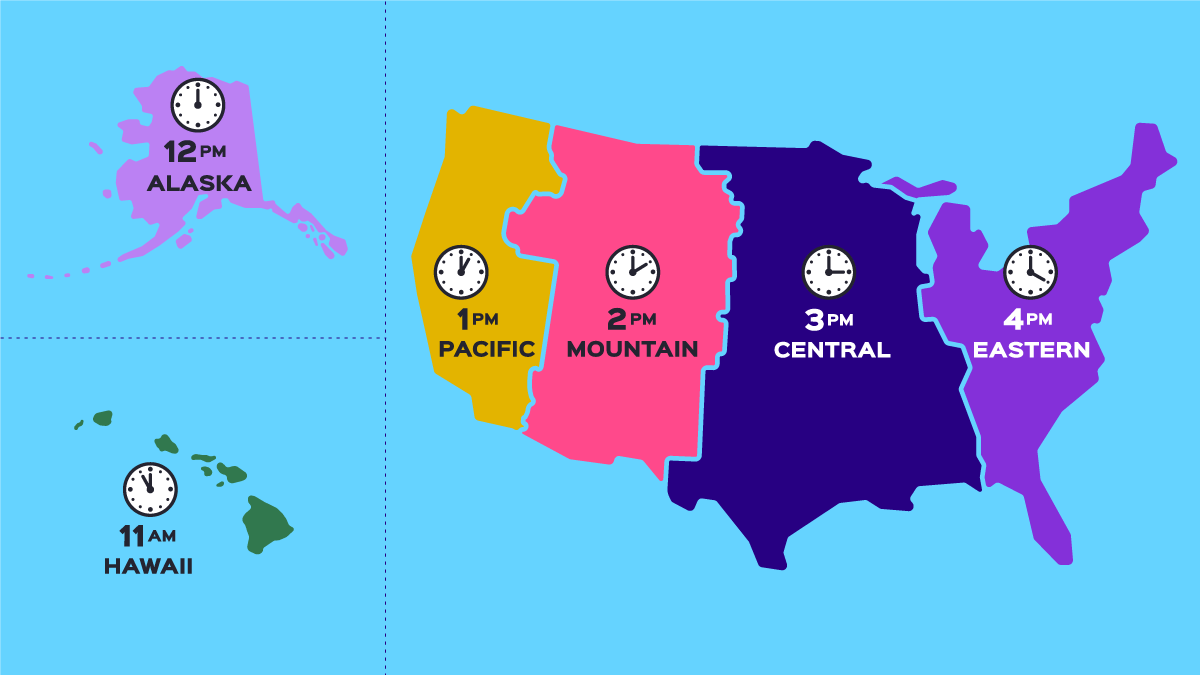
Understanding time zones is a fundamental aspect of navigating any vast geographical region, and for travelers, business professionals, and even residents within the state, clarifying the temporal alignment of Texas is crucial. While a significant portion of the United States observes either Eastern Standard Time (EST) or Pacific Standard Time (PST), the reality for Texas is a bit more nuanced, placing it firmly within the Central Time Zone. This distinction has practical implications for scheduling flights, coordinating meetings, planning road trips, and generally understanding the rhythm of daily life across its diverse cities and landscapes.
The Central Time Zone: Texas’s Temporal Anchor
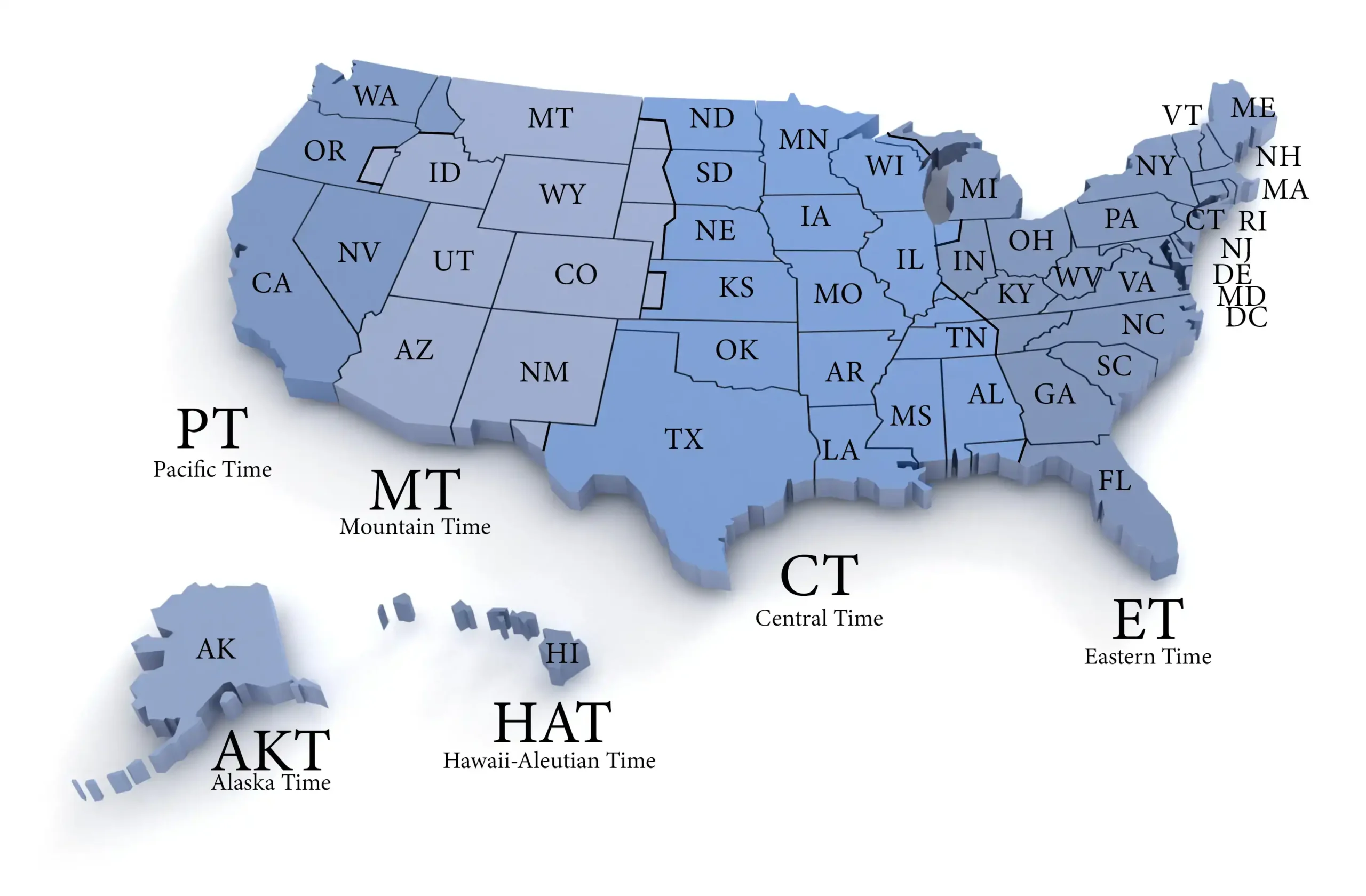
Texas, the second-largest state in the U.S. by both area and population, predominantly observes the Central Time Zone (CT). This zone is characterized by being six hours behind Coordinated Universal Time (UTC-6) during standard time and five hours behind UTC (UTC-5) when daylight saving time is in effect. This places Texas geographically between the Eastern Time Zone, which includes states like New York and Florida, and the Mountain Time Zone, which encompasses states like Colorado and Arizona (though Arizona largely does not observe daylight saving time).
Why Central Time for Texas?
The designation of Texas within the Central Time Zone is primarily a result of its geographical longitude. The state stretches across a considerable north-south and east-west expanse, but the majority of its population centers and landmass fall within the geographical boundaries of the Central Time Zone. This alignment facilitates easier coordination with neighboring states and a broader segment of the American economy and communication networks.
Daylight Saving Time in Texas
Like most of the United States, Texas observes Daylight Saving Time (DST). This means that from the second Sunday in March until the first Sunday in November, the clocks are moved forward by one hour. During DST, Texas operates on Central Daylight Time (CDT), which is UTC-5. This shift ensures that daylight hours are extended into the evening during the warmer months, a practice adopted for various economic and social reasons. However, there have been ongoing discussions and legislative efforts within Texas regarding the potential abolishment of DST, with some advocating for permanent standard time. Should Texas ever adopt a permanent time zone, it would simplify scheduling for those who travel between states with differing DST practices.
Navigating Time Differences: Practical Implications for Travelers
For travelers planning a trip to or from Texas, understanding the Central Time Zone is paramount.
Flights and Itineraries
When booking flights into or out of major Texas cities like Dallas, Houston, or San Antonio, all schedules will be listed according to Central Time. If you are flying from a location in the Eastern Time Zone, such as Atlanta, your departure and arrival times will reflect a one-hour difference. For example, a 10:00 AM flight departing from Atlanta would arrive in Dallas at 11:00 AM Central Time, as Dallas is one hour behind Atlanta. Conversely, traveling from the Pacific Time Zone, such as Los Angeles, means a three-hour adjustment. A 9:00 AM PST departure from Los Angeles would mean an arrival in Houston at 12:00 PM CST. Always double-check your itinerary and be mindful of these time zone shifts to avoid missed connections or early/late arrivals.
Business and Communication
For business travelers or those coordinating with individuals or companies in Texas, adherence to Central Time is essential. Conference calls, meeting schedules, and project deadlines should all be referenced against CT. If your business is based in the Pacific Time Zone, remember that Texas is three hours ahead. This can impact communication, especially when seeking to reach someone at the beginning or end of their workday. For instance, if you need to contact a Texas colleague at 9:00 AM their time, that would correspond to 7:00 AM PST. Planning calls strategically can optimize productivity and avoid awkward early morning or late evening outreach.
Road Trips and Exploration
Planning a road trip across Texas means you will remain within the Central Time Zone for the vast majority of your journey. However, if your travels involve crossing into neighboring states, or if your origin or destination is outside of Texas, time zone awareness becomes critical. For instance, driving from New Mexico, which is primarily in the Mountain Time Zone, into West Texas would mean crossing into a different temporal zone. Conversely, driving east into Louisiana or Arkansas keeps you within the Central Time Zone. Understanding these transitions is particularly helpful for estimating travel times and arrival at points of interest, such as the Alamo in San Antonio or the vastness of Big Bend National Park.
A Glimpse at Neighboring Time Zones
To fully appreciate Texas’s temporal placement, it’s beneficial to briefly consider its immediate neighbors and their time zone affiliations.
Eastward: The Eastern Time Zone
To the east of Texas, states like Louisiana, Arkansas, Oklahoma (which is also primarily in CT), and further east, states like Mississippi and Tennessee, all fall within the Eastern Time Zone (ET) or the Central Time Zone. Florida, for instance, spans both Eastern and Central Time Zones, with most of the state observing Eastern Time. This creates a one-hour difference with Texas.
Westward: The Mountain Time Zone
To the west, New Mexico and most of Colorado observe Mountain Time (MT). As mentioned, Arizona is a notable exception, largely remaining on MST year-round. This means that when it is 12:00 PM CST in Dallas, it is 10:00 AM MST in Phoenix (during standard time) or 11:00 AM MDT in Denver (during daylight saving time).
Beyond Time Zones: Understanding Texas’s Unique Character
While temporal alignment is a practical consideration, it’s also important to remember that Texas is a state defined by its immense size and diverse cultural tapestry. From the bustling metropolises of Houston and Dallas to the historic charm of San Antonio and the rugged beauty of the Texas Hill Country, each region possesses its own unique pace and rhythm.
Adapting to Local Rhythms
Whether you are visiting Austin for its vibrant live music scene, exploring the historic missions of San Antonio, or experiencing the vastness of the Texas Panhandle, understanding the local culture is as important as knowing the time. The state’s expansive geography means that even within the same time zone, the experience of day can feel different. Sunrise and sunset times will vary noticeably between the eastern and western edges of the state, influencing local activities and the general ambiance of a region.

The Importance of Local Knowledge
For any visitor, whether for leisure or business, taking the time to understand Texas beyond its temporal designation will greatly enrich the experience. Familiarizing yourself with the local customs, popular attractions like Kemah Boardwalk or the Space Center Houston, and the culinary delights that define Texan cuisine will ensure a more fulfilling visit. While the question of “Is Texas Eastern Or Pacific Time?” is definitively answered as Central Time, the true essence of Texas lies in its vibrant and diverse regional identities, all operating within the same temporal framework but offering a wealth of unique experiences.
LifeOutOfTheBox is a participant in the Amazon Services LLC Associates Program, an affiliate advertising program designed to provide a means for sites to earn advertising fees by advertising and linking to Amazon.com. Amazon, the Amazon logo, AmazonSupply, and the AmazonSupply logo are trademarks of Amazon.com, Inc. or its affiliates. As an Amazon Associate we earn affiliate commissions from qualifying purchases.