
The Lone Star State, a vast expanse of sprawling plains, burgeoning metropolises, and a rich tapestry of cultural influences, has long been a bastion of conservative politics. However, beneath this established veneer, a demographic and political transformation has been subtly, and at times dramatically, underway. The question of whether Texas is “flipping blue” is not a simple yes or no; it’s a nuanced exploration of evolving demographics, shifting political landscapes, and the complex interplay of factors that shape a state’s destiny. This article delves into the indicators, the challenges, and the potential future of Texas as a pivotal battleground in American politics.
The Shifting Sands of Demographics
At the heart of any political transformation lies demographic change, and Texas is a prime example. The state’s explosive population growth over the past few decades has been fueled by both domestic migration and international immigration. This influx has brought a more diverse electorate, with increasing numbers of Latino, Asian, and younger voters who tend to lean more Democratic than the state’s traditional base.
The Growing Latino Electorate
The Latino population in Texas is not a monolithic bloc. It comprises individuals with diverse national origins, socioeconomic backgrounds, and political views. However, a significant portion of this growing demographic has shown an increasing affinity for Democratic candidates, particularly in urban and suburban areas. This is driven by a variety of factors, including concerns about immigration policy, economic opportunities, education, and healthcare. The sheer size of the Latino population means that their voting patterns have a substantial impact on election outcomes.
The Urban-Rural Divide
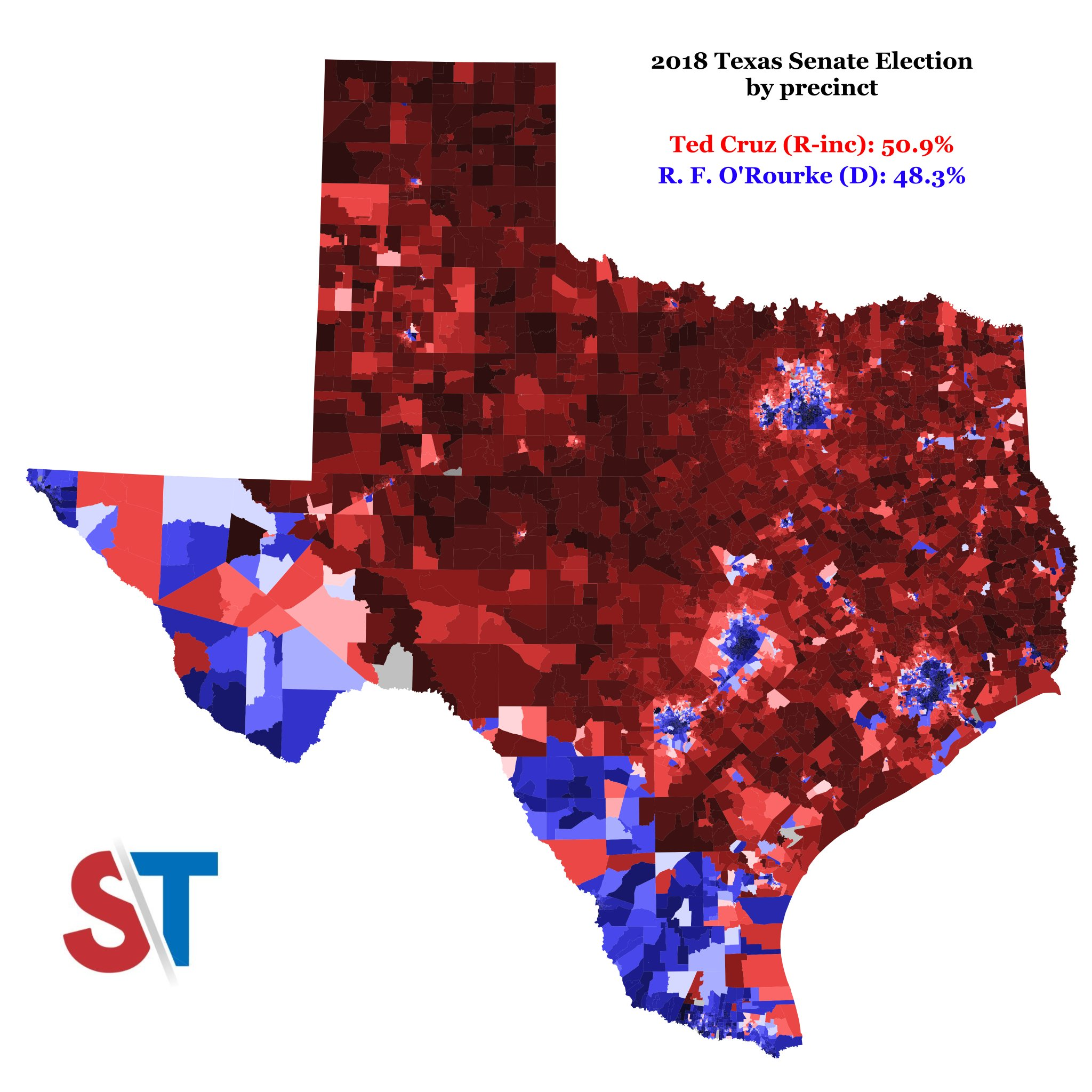
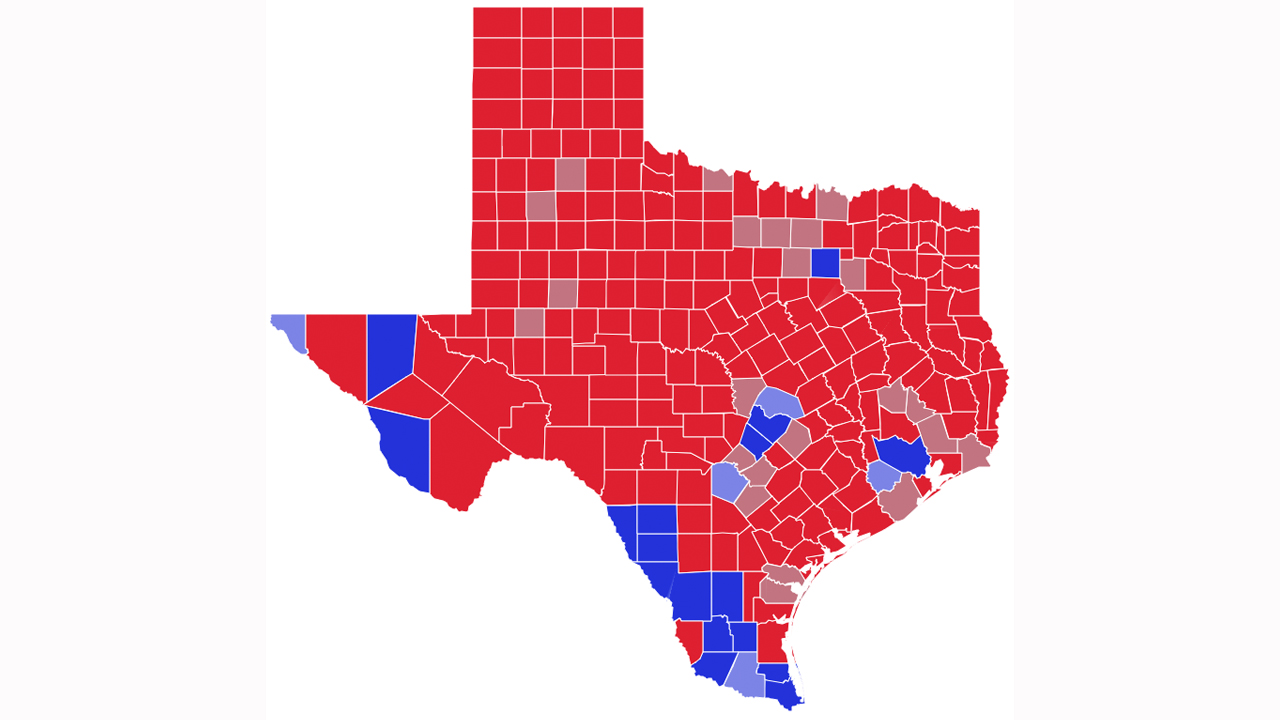
A stark contrast exists between Texas’s rapidly urbanizing centers and its more rural communities. Cities like Houston, Dallas, San Antonio, and Austin have become vibrant hubs of diversity and innovation, attracting a younger, more progressive populace. These urban areas consistently vote Democratic, contributing significantly to the party’s performance in statewide races. Conversely, many of the state’s rural areas remain overwhelmingly conservative, providing a strong base for Republican candidates. This widening chasm between urban and rural Texas is a defining feature of its political landscape.
The Rise of the Suburbs
The suburban rings surrounding major Texas cities have emerged as critical swing areas. As these suburbs grow and diversify, they are becoming increasingly competitive. The influx of new residents, often younger families and professionals, brings a mix of political ideologies. The outcomes in these suburban counties can often tip the balance in statewide elections, making them focal points for both parties’ campaign strategies. Areas like Fort Bend County, with its diverse population, have shown a clear trend towards the Democratic Party in recent elections.
Electoral Trends and Shifting Fortunes
While Texas has remained a red state in presidential and many statewide elections, the margins have tightened significantly in recent cycles. This suggests a gradual, albeit slow, shift in the electorate’s preferences.
Presidential Election Cycles
In 2016, Donald Trump won Texas by a comfortable margin. However, in 2020, Joe Biden significantly narrowed the gap, receiving millions more votes than any previous Democratic presidential nominee in the state. This performance, particularly in suburban counties and some border regions, sent a clear signal that Texas was becoming more competitive.
Gubernatorial and Senate Races

While the presidency represents the highest office, races for Governor and U.S. Senate are often seen as barometers of the state’s political mood. Beto O’Rourke‘s 2018 Senate campaign against Ted Cruz garnered national attention for its surprising closeness, demonstrating the potential for Democratic success in Texas. His subsequent gubernatorial bid in 2022, while ultimately unsuccessful, also highlighted the persistent challenges for Republicans in mobilizing their base and appealing to a broader electorate.
Local Elections and State Legislature
The blue shift is perhaps most evident in local elections and the composition of the state legislature. Democrats have made inroads in historically Republican districts, flipping seats in state House and Senate races. The growing Democratic representation in urban areas, such as the state legislature’s delegation from Travis County, reflects the changing political leanings of these population centers. While Republicans still maintain control of the state government, the margins are smaller, and the opposition is more formidable.
The Road Ahead: Challenges and Opportunities
The path to a truly “blue” Texas is not without its obstacles. Several factors will continue to shape the state’s political trajectory.
Mobilization and Turnout
For Democrats to succeed in Texas, effective voter mobilization and high turnout among their base are crucial. This requires robust grassroots organizing, strong campaign infrastructure, and compelling messaging that resonates with diverse communities. Engaging young voters, who often have lower turnout rates, is also a key challenge.
Republican Adaptability
The Republican Party in Texas is not static. It is also adapting to the changing demographics and political landscape. While maintaining its conservative core, the party is also seeking to broaden its appeal, particularly among Latino and suburban voters. Their ability to retain these crucial segments of the electorate will be a significant factor in future elections.
The Impact of National Politics
Texas’s political fortunes are also intertwined with national political trends. The popularity of national figures, the prevailing political climate, and major policy debates can all influence voter behavior in the state. Events and controversies at the national level can either energize or alienate voters in Texas, impacting their decisions in local and state races.
The Economic Engine of Change
Texas’s economic dynamism, driven by industries such as technology, energy, and healthcare, continues to attract new residents and businesses. This economic growth creates opportunities but also exacerbates existing divides and brings new challenges, such as affordable housing and infrastructure development, which can become significant political issues. The state’s booming tech sector in places like Austin has attracted a younger, more liberal workforce, further contributing to the state’s evolving political identity.
Conclusion: A State in Flux
The question of whether Texas is flipping blue remains a subject of ongoing debate and analysis. It is not a switch that will be flipped overnight, but rather a gradual and complex evolution. The demographic shifts are undeniable, and the electoral trends indicate a narrowing of the partisan divide. Texas is undoubtedly becoming more competitive, and the margins of victory for Republicans are shrinking.
The future political landscape of the Lone Star State will be shaped by the ongoing interplay of demographic change, voter engagement, party strategies, and national political currents. While a full blue flip may be a long-term prospect, the ongoing transformation of Texas is already having a profound impact on its political identity and its role in the broader American electoral map. The state is no longer a foregone conclusion, but a dynamic and evolving entity whose political destiny is still being written.
LifeOutOfTheBox is a participant in the Amazon Services LLC Associates Program, an affiliate advertising program designed to provide a means for sites to earn advertising fees by advertising and linking to Amazon.com. Amazon, the Amazon logo, AmazonSupply, and the AmazonSupply logo are trademarks of Amazon.com, Inc. or its affiliates. As an Amazon Associate we earn affiliate commissions from qualifying purchases.