
Texas, a colossal state renowned for its diverse landscapes, vibrant cities, and rich cultural tapestry, often sparks curiosity regarding its climate, particularly its humidity levels. The answer to “Is Texas humid?” is not a simple yes or no; rather, it’s a nuanced exploration of geography, seasons, and microclimates that shape the experience for both residents and travelers. From the steamy subtropical shores of the Gulf of Mexico to the arid desert expanses of West Texas, the state presents a kaleidoscope of atmospheric conditions. Understanding these variations is paramount for anyone planning a visit, deciding on the best time for outdoor activities, or simply seeking comfortable accommodations that promise an escape from the elements.
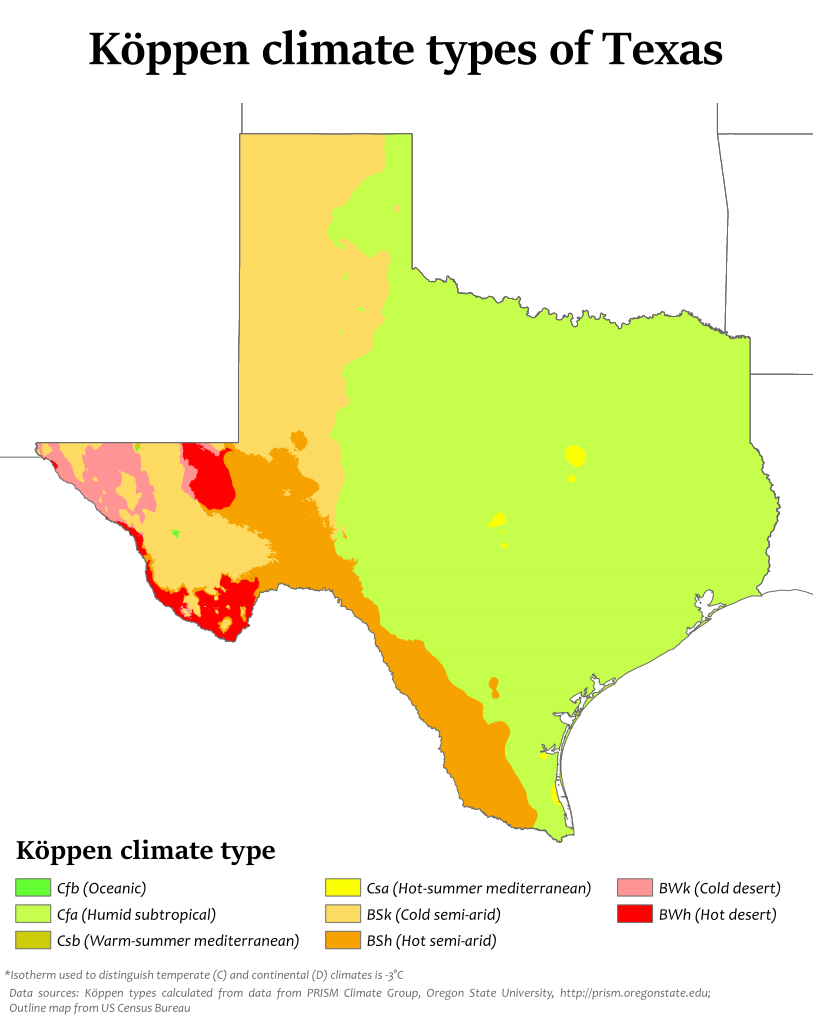
The sheer size of Texas, spanning over 268,000 square miles, means it encompasses several distinct climate zones. This geographical diversity is the primary driver behind its fluctuating humidity. The warm, moist air originating from the Gulf of Mexico significantly influences the eastern and central parts of the state, bringing with it the characteristic stickiness associated with high humidity. Conversely, the western regions, shielded by higher elevations and farther removed from the Gulf’s influence, exhibit a much drier, more arid climate. This article delves into the various facets of Texas humidity, offering insights that are invaluable for planning travel, selecting the right hotels, and embracing the unique lifestyle experiences the Lone Star State has to offer.
The Geographic Divide: East vs. West Texas Humidity
The vastness of Texas necessitates a regional breakdown to truly understand its humidity profile. The state can be broadly divided into distinct climatic zones, each with its own unique relationship with moisture in the air. This geographic partitioning is crucial for travelers to anticipate what kind of weather they will encounter and how it might impact their trip.
East Texas: The Humid Heartbeat
East Texas, particularly the coastal plains and piney woods regions, is unequivocally humid. This area falls squarely within a humid subtropical climate zone, largely due to its proximity to the Gulf of Mexico. The Gulf acts as a massive reservoir of moisture, continuously feeding warm, damp air inland. Cities like Houston, Galveston, Beaumont, and Corpus Christi experience high humidity levels for much of the year, especially during the summer months. Relative humidity often hovers between 70% and 90%, making even moderate temperatures feel significantly warmer and muggier. The dense vegetation and numerous waterways in this region further contribute to the localized humidity. For tourism in these areas, particularly during peak summer, travelers should prepare for warm, sticky conditions. Many resorts and hotels in these destinations prioritize excellent air conditioning and offer amenities like swimming pools to help guests stay cool. Exploring outdoor attractions such as the beaches of Galveston or the Houston Zoo is best done in the early morning or late afternoon to avoid the harshest midday heat and humidity.
Central Texas: A Transitional Zone
Moving inland, Central Texas serves as a fascinating transitional zone where the humid influences of the Gulf begin to wane, but are still very much present. Major cities like Austin and San Antonio experience warm to hot summers with noticeable humidity, though generally less intense than their coastal counterparts. Spring and fall are typically delightful, offering a balance of warmth and lower humidity, making them prime times for exploring landmarks like the Alamo or enjoying the vibrant Austin music scene. Even in summer, while the heat index can be high, the air sometimes feels less heavy than in Houston. This region is characterized by a mix of rolling hills, rivers, and urban centers, where microclimates can lead to variations. For example, staying near a spring-fed river or lake can offer a slightly cooler and more refreshing environment. When planning a trip to Austin or San Antonio, packing light, breathable clothing and staying hydrated are key to enjoying the diverse experiences these cities offer. Many hotels in Central Texas are designed with outdoor spaces in mind, often featuring shaded patios and pools to enhance guest comfort.
West Texas: Arid and Dry
In stark contrast, West Texas is predominantly arid to semi-arid. Far removed from the Gulf of Mexico’s moisture, this region is characterized by expansive deserts, rugged mountains, and high plains. Cities such as El Paso, Midland, Lubbock, and Amarillo experience significantly lower humidity levels, especially compared to the eastern half of the state. Summer days can be scorching, with temperatures frequently soaring above 100°F (38°C), but the dry heat feels different—less oppressive and more bearable for many, as sweat evaporates quickly, providing a natural cooling effect. Evenings in West Texas often bring substantial drops in temperature, a hallmark of desert climates, making for surprisingly cool nights. This region is home to spectacular natural landmarks like Big Bend National Park and Guadalupe Mountains National Park, where the dry air offers crystal-clear stargazing opportunities. Travelers exploring these areas should focus on sun protection, hydration to combat the dry air, and layers for fluctuating temperatures. Accommodation options range from classic roadside motels to unique boutique hotels offering a genuine West Texas charm, often with features that cater to the dry climate.
Seasonal Swings: When to Expect the Humidity
Beyond geographical location, the time of year plays a critical role in how humid Texas feels. Seasonal changes bring dramatic shifts in temperature and moisture content, significantly impacting the travel experiences and local lifestyle.
Summer: The Peak Humidity Season
Without a doubt, summer (June through August) is the peak humidity season across much of Texas, particularly in the eastern and central regions. The combination of intense heat and high moisture from the Gulf of Mexico creates a palpable stickiness. The heat index, which accounts for both temperature and humidity, often pushes comfort levels to their limits. Daytime temperatures can routinely exceed 90°F (32°C), with the heat index making it feel well over 100°F (38°C). Nights offer little relief, remaining warm and muggy. This period is when proper planning is essential for any Texas travel. For those visiting destinations like Houston or Dallas, indoor attractions such as museums, shopping malls, and air-conditioned venues become havens. Water parks and natural swimming holes in Central Texas (like those in New Braunfels or San Marcos) are popular choices for locals and tourists seeking to cool off. When booking hotels or resorts during this time, ensuring robust air conditioning is a top priority, and properties with excellent pool amenities are often preferred.
Spring and Fall: Milder, Variable Conditions
Spring (March to May) and Fall (September to November) are generally considered the most pleasant times to visit Texas. During these seasons, temperatures are milder, and humidity levels are typically much lower, creating comfortable conditions for outdoor activities and sightseeing. Spring brings vibrant wildflowers, including the iconic bluebonnets, to the Texas Hill Country, making it an ideal time for scenic drives and exploring charming small towns. Fall offers crisp air, beautiful foliage in parts of East Texas, and a perfect climate for hiking or enjoying outdoor festivals. While occasional fronts can bring temporary spikes in humidity or sudden cool snaps, these seasons generally provide a welcome reprieve from the summer heat. For tourism focused on exploring landmarks like the San Antonio Riverwalk or undertaking longer hikes in state parks, spring and fall offer the most enjoyable weather. Many guides recommend these seasons for active travelers looking to fully immerse themselves in the natural beauty and local culture of Texas.

Winter: Generally Drier, But Not Always
Winter in Texas (December to February) brings the driest conditions to most parts of the state. Cold fronts from the north often usher in cooler, drier air, making for comfortable, crisp days. While temperatures can drop significantly, especially in the Panhandle region (e.g., Amarillo and Lubbock), the low humidity can make even chilly temperatures feel more manageable than humid cold. Coastal areas, however, can still experience periods of higher humidity, especially during warmer spells or when warm fronts briefly return from the Gulf of Mexico. While snow is rare in many parts of the state, it’s not unheard of, particularly in North Texas and the Panhandle. For travelers seeking a mild winter escape without extreme cold or humidity, South Texas destinations like South Padre Island or San Antonio can be appealing. This season is also excellent for enjoying outdoor activities like golf or exploring urban centers without the sweltering heat. Accommodation often includes cozy indoor common areas, and some luxury hotels and villas feature fireplaces for a touch of warmth and ambiance.
Impact on Travel and Lifestyle
Understanding the nuances of Texas humidity is not just an academic exercise; it has practical implications for planning a successful trip and fully enjoying the lifestyle the state offers. From packing decisions to activity choices, climate plays a central role.
Planning Your Texas Trip: What to Pack and Expect
Given the varying humidity levels across Texas and throughout the year, packing strategically is crucial. For trips to humid regions like Houston or Galveston, especially in summer, lightweight, breathable fabrics such as cotton, linen, or moisture-wicking synthetics are essential. Loose-fitting clothing will help air circulate and keep you cooler. Don’t forget a wide-brimmed hat and quality sunscreen, as the Texas sun can be intense regardless of humidity. Hydration is paramount; always carry a reusable water bottle and drink plenty of fluids. For drier West Texas excursions, while summer still demands light clothing, layers are advisable for cooler evenings. Lip balm and moisturizer can also be helpful in combating the dry air. When booking accommodation, verifying the presence of efficient air conditioning (AC) is non-negotiable for comfort, particularly during the hotter months. Many modern hotels, suites, and apartments offer advanced climate control systems, a significant advantage for a comfortable stay.
Activities and Attractions: Adapting to the Climate
The climate also dictates the best way to enjoy Texas’ myriad attractions. During hot and humid periods, prioritizing indoor activities like visiting the Space Center Houston, exploring the Dallas Arts District, or enjoying shopping at upscale malls in Houston and Dallas can provide a welcome escape. Many museums and cultural landmarks throughout the state are excellent choices. For outdoor experiences, early mornings or late afternoons are ideal. Water-based activities are naturally popular: swimming in the Barton Springs Pool in Austin, kayaking on the San Antonio River, or relaxing on the beaches of Padre Island National Seashore offer refreshing breaks. In cooler, drier seasons, the possibilities for outdoor adventures expand, from hiking in Palo Duro Canyon State Park to exploring the historic districts of San Antonio on foot. Tourism guides often emphasize these seasonal considerations to help visitors maximize their enjoyment of Texas’ diverse offerings.
Coping with Texas Humidity: Tips for Travelers
For those venturing into the more humid parts of Texas, especially during summer, a few practical tips can significantly enhance comfort and safety. These guides are designed to help you navigate the climate like a seasoned local.
Hydration and Heat Safety
Staying hydrated is arguably the most important tip for combating Texas humidity and heat. Drink water regularly, even if you don’t feel thirsty, as dehydration can sneak up quickly in humid conditions where sweat doesn’t evaporate as efficiently. Avoid excessive alcohol and sugary drinks, which can contribute to dehydration. Be mindful of the heat index and limit strenuous outdoor activities during the hottest parts of the day (typically between 10 AM and 4 PM). Seek shade whenever possible, and take frequent breaks in air-conditioned environments. Pay attention to your body for signs of heat exhaustion or heatstroke, which are serious conditions. Many travel destinations in Texas are equipped with public water fountains and businesses that welcome visitors seeking a moment of respite and a cool drink.
Choosing the Right Attire
As mentioned, breathable and light-colored clothing is key. Cotton, linen, rayon, and moisture-wicking synthetic fabrics are your best friends. Dark colors absorb more heat, so opt for lighter hues. Loose-fitting garments allow for better airflow and prevent clothing from clinging uncomfortably to your skin. For footwear, breathable sandals or open-toed shoes are often preferable to heavy, closed-toe options, as feet can swell in the heat and humidity. Don’t underestimate the power of a good hat to protect your face and neck from direct sun exposure, and sunglasses are a must for protecting your eyes from the intense Texas sun.
Finding Relief: Indoor Havens and Water Fun
When the humidity becomes oppressive, Texas offers numerous avenues for relief. Take advantage of the state’s impressive array of indoor attractions: world-class museums like the Museum of Fine Arts, Houston or the Kimbell Art Museum in Fort Worth, vast shopping malls such as the Galleria Houston, or entertainment complexes. Many hotels and resorts boast excellent indoor pools or climate-controlled common areas where you can relax. For outdoor relief, Texas has a wealth of water parks, lakes, rivers, and coastal beaches. Spending a day floating down the Comal River in New Braunfels or enjoying the waves at South Padre Island are quintessential Texas experiences that offer a refreshing break from the heat and humidity. These activities blend tourism with practical coping strategies, ensuring your travel remains enjoyable.
In conclusion, the question “Is Texas humid?” is best answered with a resounding “it depends.” The state’s incredible size and diverse geography mean that humidity levels vary dramatically from east to west and from season to season. While East Texas and the coastal regions are undeniably humid, particularly in summer, West Texas offers a dry, arid climate. Central Texas exists as a transitional zone, balancing both influences. By understanding these regional and seasonal differences, travelers can effectively plan their trips, pack appropriately, and choose activities that align with the prevailing climate. Whether you’re seeking the lively urban lifestyle of Houston, the historic charm of San Antonio, or the rugged beauty of Big Bend National Park, a little foresight regarding Texas’ humidity will ensure a more comfortable and memorable experience in the Lone Star State.
LifeOutOfTheBox is a participant in the Amazon Services LLC Associates Program, an affiliate advertising program designed to provide a means for sites to earn advertising fees by advertising and linking to Amazon.com. Amazon, the Amazon logo, AmazonSupply, and the AmazonSupply logo are trademarks of Amazon.com, Inc. or its affiliates. As an Amazon Associate we earn affiliate commissions from qualifying purchases.