
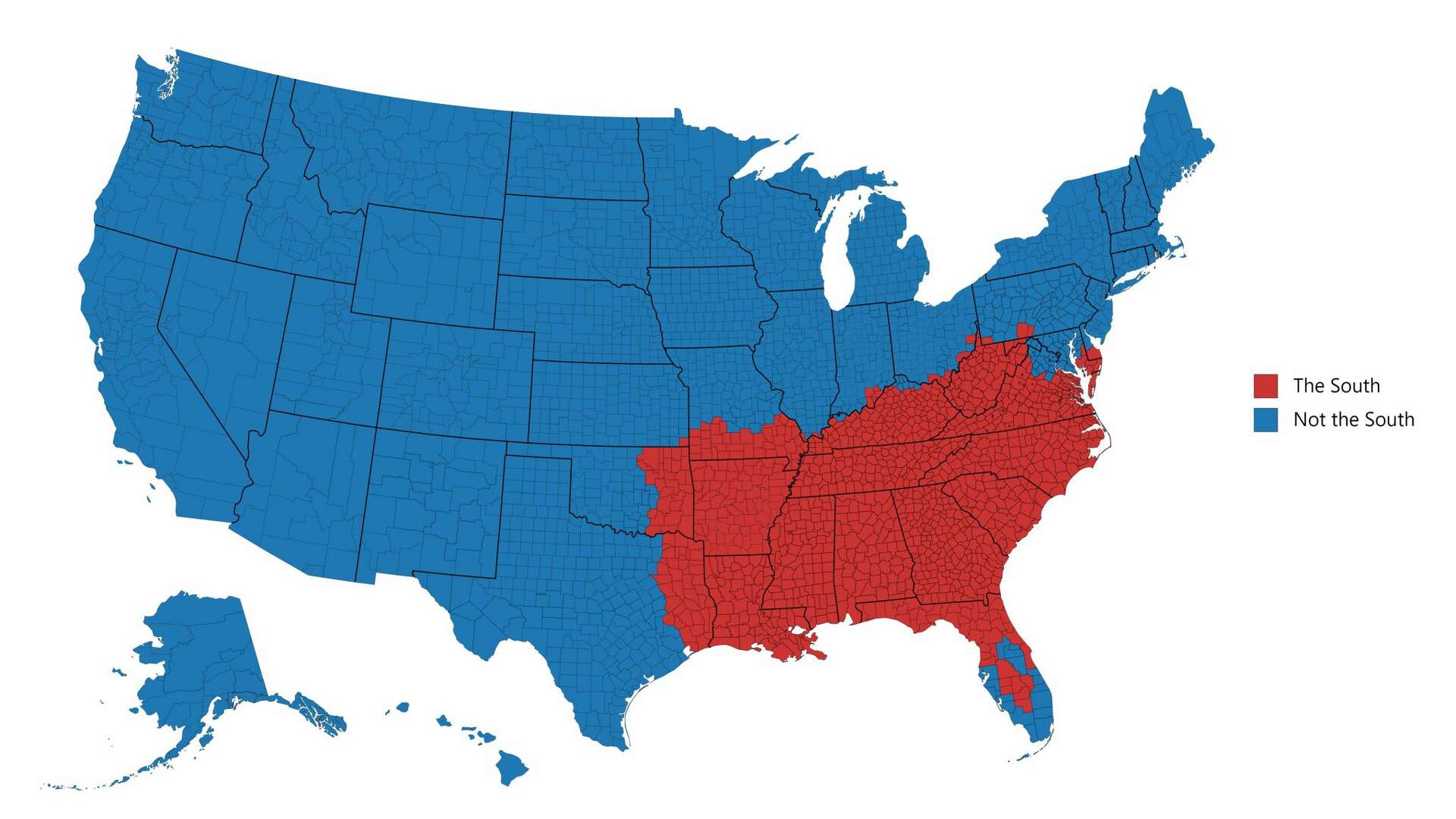
The question of whether Texas belongs to the South is a debate as sprawling and diverse as the state itself. For many, the image of Texas conjures up visions of cowboys, oil derricks, and vast, arid landscapes, aligning it more with the Southwest than the traditional Deep South. Yet, delve a little deeper into its history, culture, and cuisine, and strong threads connecting it to the Southern United States begin to emerge. This isn’t a simple yes or no answer, but rather a fascinating exploration of geography, history, cultural fusion, and the unique Texan identity that defies easy categorization. Understanding Texas’s complex relationship with the South offers invaluable insights for travelers, tourism professionals, and anyone seeking to grasp the full essence of this iconic state, from its vibrant cities to its serene natural landmarks.
Geographical Footprint: A State of Diverse Landscapes
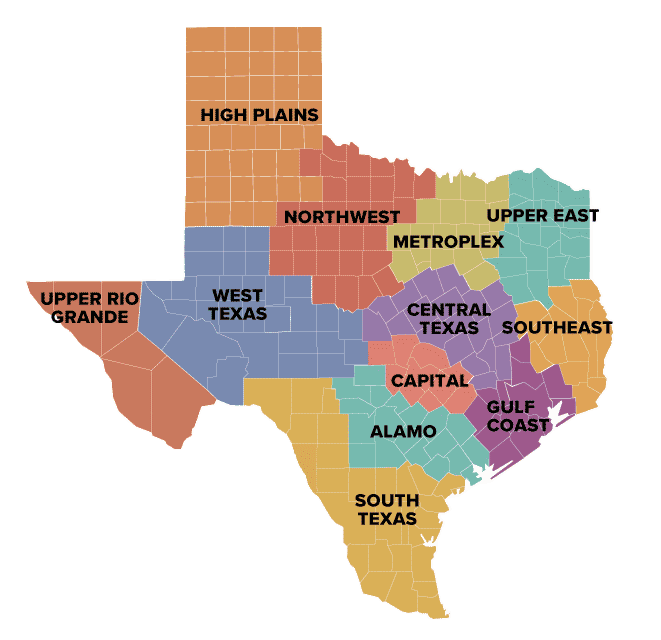
Geographically, Texas is a true giant, boasting a land area so vast it encompasses climates and topographies typically found across multiple states. This sheer scale significantly influences its perceived regional identity. To its east, bordering Louisiana and Arkansas, lies East Texas, a region characterized by pine forests, humid subtropical weather, and a cultural landscape that undeniably mirrors the Deep South. Here, small towns exude classic Southern charm, and the pace of life often feels slower, more aligned with traditional Southern hospitality. Think of charming bed and breakfasts, like those you might find nestled in the historic districts of Nacogdoches or Jefferson, offering a distinctly Southern welcome.
Moving westward, the landscape dramatically transforms. Central Texas is dominated by the rolling hills and limestone cliffs of the Hill Country, a picturesque area that blends Southern warmth with a rugged, independent spirit. Cities like Austin and San Antonio here are vibrant hubs, where historic landmarks stand alongside modern amenities. Austin, the state capital, with its live music scene and progressive vibe, often feels distinct from traditional Southern cities, yet retains an underlying layer of Southern friendliness. Further west, beyond the major metropolises of Dallas and Fort Worth, the landscape transitions into the semi-arid plains of West Texas and the high desert of Trans-Pecos Texas, sharing more geological and ecological characteristics with the Southwest states like New Mexico and Arizona. The Panhandle in the north, with its vast plains, shares similarities with the Midwest.
Then there’s the Texas Gulf Coast, stretching from the Sabine River down to South Padre Island. This region, home to major ports and vibrant resort towns, experiences a subtropical climate and a culture heavily influenced by the sea, but also by a distinct blend of Southern and international flavors. The humid climate, the bayou ecosystems, and the prevalence of seafood boil culture in places like Galveston and Houston echo the characteristics of the Gulf Coast states further east. The sheer diversity of Texas’s geography means that while parts of it are unequivocally Southern, other parts lean strongly into Southwestern, or even Central American influences, making a definitive geographical classification challenging.
Cultural Tapestry: More Than Just Cowboy Hats
The cultural landscape of Texas is perhaps the most compelling argument for its multifaceted identity. It’s a rich fusion born from centuries of migration, conflict, and exchange. While the state’s popular image is often defined by its cowboy heritage, which does resonate with a rugged, frontier aspect that distinguishes it from the plantation-era Deep South, a closer look reveals profound Southern influences.
A. Culinary Delights: From BBQ to Tex-Mex with Southern Roots
Texas’s food scene perfectly illustrates its cultural blend. While Tex-Mex cuisine is arguably its most famous export, a delicious testament to its proximity and historical ties to Mexico, Southern foodways are deeply ingrained. Classic Texas BBQ, particularly Central Texas BBQ (brisket is king!), has its own distinct characteristics, often slow-smoked over post oak. However, the tradition of slow-cooked meats, often pork, and the communal aspect of BBQ itself, are shared deeply with the South. Beyond BBQ, you’ll find plenty of Southern comfort food staples: fried chicken, collard greens, black-eyed peas, cornbread, and pecan pie are common fare across the state, especially in East Texas and rural areas. Many traditional Texas diners and family restaurants proudly serve dishes that would be right at home on any Southern table. The hospitality that often accompanies these meals, where generosity and warmth are paramount, further reinforces the Southern connection. For an authentic taste of Southern Texas fare, visitors can explore local eateries in charming towns like Brenham or Fredericksburg, which blend German heritage with Southern culinary traditions.

B. Music and Arts: A Blend of Country, Blues, and Tejano
Musically, Texas is a melting pot, giving birth to and nurturing diverse genres. Country music has an undeniable stronghold, with legends emerging from Texas that have shaped the genre globally. This connection to country music and its storytelling tradition strongly links Texas to the larger Southern musical landscape. The state is also a historic cradle of the blues, particularly Texas Blues, a vibrant tradition deeply rooted in African American communities and sharing lineage with the blues scenes of Mississippi and Louisiana. The Houston blues scene, for example, has produced numerous influential artists, reflecting a shared cultural heritage with the Deep South. Simultaneously, the unique Tejano music genre, blending Mexican and Texan influences, and vibrant Conjunto music from the Rio Grande Valley, showcases the state’s distinct borderland identity. This rich musical diversity means that while Southern influences are strong, they exist alongside equally powerful Southwestern and Latin American traditions, creating a truly unique sonic tapestry.
Historical Roots: A Legacy of the Old South and Beyond
Understanding Texas’s historical trajectory is key to unraveling its regional identity. Its path to statehood and its role in significant national events have indelibly shaped its character.
A. The Republic of Texas and the Civil War: Allegiances and Independence
Before joining the United States, Texas existed as the independent Republic of Texas from 1836 to 1845, a period that fostered a fierce sense of self-reliance and independence still palpable today. When it did join the Union, it did so as a slave state, and its economy, particularly in East Texas, was heavily reliant on cotton and slave labor, mirroring the agricultural systems of the Deep South. This historical alignment became starkly evident during the Civil War when Texas seceded from the United States to join the Confederacy. This decision firmly plants a significant portion of Texas’s historical identity within the South. The presence of numerous Confederate monuments and battlefields, particularly in the eastern half of the state, serves as a tangible reminder of this past. However, even during this period, Texas’s vastness meant that loyalties were not monolithic, and its frontier status often meant a different experience compared to the established states of the Old South.
B. Mexican Heritage and Borderland Identity
Equally significant, and often overlooked in the Southern debate, is Texas’s profound Mexican heritage. Prior to Anglo-American settlement, the territory was part of Mexico and before that, Spanish colonial rule. This legacy is evident in the state’s architecture, place names, language, and the enduring presence of Mexican-American communities, especially in South Texas and along the border. Landmarks like the Alamo in San Antonio, a site of pivotal historical struggle, stand as a testament to this deep connection. The famous San Antonio River Walk beautifully marries these two cultures, offering a vibrant experience that is distinctly Texan, yet draws heavily from its Mexican roots. This strong borderland identity distinguishes Texas from the typical Southern state, adding another layer to its complex identity that leans distinctly toward the Southwest. The blend of these historical forces creates a state that is both Southern in its Antebellum past and Southwestern in its foundational Hispanic heritage.
Travel and Tourism: Experiencing the Texan Identity
For travelers, Texas offers an array of experiences that highlight its unique identity, catering to every type of visitor from luxury seekers to budget explorers. Its tourism appeal lies in its ability to offer distinct regional flavors within a single state.
A. Major Cities: Southern Charm Meets Urban Sophistication
- Houston: As the largest city in Texas and a major global hub, Houston exemplifies the state’s blend. Its humid climate and lush greenery often evoke a Southern feel, and its hospitality is undeniable. Yet, as home to the NASA Johnson Space Center and a thriving international community, it also embodies a forward-thinking, global ethos. Luxury hotels such as the Hotel Granduca Houston offer sophisticated stays, while its diverse culinary scene ranges from classic Southern comfort food to innovative international cuisine. For a truly unique experience, a visit to the Houston Livestock Show and Rodeo combines Western traditions with a Southern sense of community.
- Dallas: Dallas is often seen as the epitome of modern Texas — a bustling center of commerce, fashion, and art. While its skyline is impressive, and its shopping districts rival those of any major United States city, a definite Southern politeness underpins interactions. The city’s significant historical landmarks, such as the Sixth Floor Museum at Dealey Plaza, offer a poignant look at American history. Accommodation options range from high-end resorts like the Hotel ZaZa Dallas to charming boutique hotels in historic neighborhoods. The arts district is thriving, but you don’t have to look far to find establishments serving up Southern fried chicken with a refined touch.
- Austin: The state capital, Austin, proudly champions its “Keep Austin Weird” mantra, embracing a liberal, artistic, and tech-savvy identity that often stands apart from traditional Southern stereotypes. However, its vibrant live music scene, abundant green spaces, and friendly locals still echo a relaxed Southern charm. Visitors can find unique boutique accommodations, like the historic Driskill Hotel or modern luxury hotels, alongside countless food trucks serving everything from BBQ to innovative fusion cuisine. The atmosphere is generally more laid-back than Dallas or Houston, reflecting a different facet of Texan identity.
- San Antonio: Perhaps the city that best encapsulates Texas’s unique blend, San Antonio seamlessly integrates its Spanish colonial past with its American present. The Alamo and the mission trail speak to its historical depth, while the lively River Walk provides a vibrant cultural experience. The culinary scene is a rich tapestry of Tex-Mex and Southern influences. Hotels along the River Walk, such as the Hotel Contessa, offer immersive stays, allowing guests to soak in the distinct atmosphere that is neither purely Southern nor purely Southwestern, but uniquely Texan. The blend of Catholic heritage, military history, and diverse populations gives San Antonio a flavor that is both deeply traditional and warmly welcoming.
B. Beyond the Cities: Natural Landmarks and Rural Experiences
Beyond the bustling urban centers, Texas’s natural beauty and rural landscapes offer different perspectives on its identity. In East Texas, you can explore lush piney woods and lakeside retreats that feel distinctly Southern, offering quiet getaways in cozy cabins or charming resorts. In contrast, West Texas boasts breathtaking desert vistas, exemplified by Big Bend National Park, where the rugged terrain and vast expanses align more with the Southwest. The Hill Country offers picturesque vineyards, charming small towns, and opportunities for outdoor adventures like river floating, blending a laid-back Southern appeal with a distinctly Texan frontier spirit. Whether it’s birdwatching along the Gulf Coast or exploring historic ranches, the diverse attractions showcase that “Southern” is just one thread in Texas’s rich tapestry. Travel guides often highlight how these diverse regions require different approaches to planning, from booking luxury suites in metropolitan areas to finding rustic cabins for a long-term stay near natural landmarks.
The Texan Lifestyle: A Blend of Southern Hospitality and Independent Spirit
The enduring spirit of Texas is perhaps the most defining characteristic, shaping its lifestyle and influencing how locals interact with the world and with visitors. This spirit is a complex fusion of genuine Southern hospitality and an unwavering sense of independence.
On one hand, the courtesy, politeness, and open-hearted warmth often associated with the South are prevalent throughout Texas. Texans are generally known for being friendly, quick to offer a “Howdy!” or a helping hand, and eager to share their local pride. This is particularly noticeable in smaller towns and rural communities, where neighborly bonds run deep, and visitors are often treated with genuine warmth. This hospitality is a cornerstone of the tourism experience, whether you’re staying at a grand resort like the JW Marriott San Antonio Hill Country Resort & Spa or a cozy bed and breakfast in Granbury. The concept of “Southern charm” certainly applies to the way many Texans interact, emphasizing traditional values, respect, and community.
However, this Southern hospitality is tempered by an equally powerful, almost legendary, independent streak. Texans pride themselves on their self-reliance, their “can-do” attitude, and a certain boldness that stems from their history as a Republic and a frontier state. This independence manifests in various ways, from a preference for bigger-than-life endeavors (everything is bigger in Texas!) to a unique blend of conservative values and individual liberties. This blend creates a culture that is simultaneously rooted in tradition and open to innovation, fiercely proud of its heritage yet constantly evolving. The lifestyle often embraces the outdoors, whether it’s hunting, fishing, rodeo, or simply enjoying the vast open spaces, reflecting a connection to the land that transcends simple regional definitions. It’s a place where Southern politeness can meet rugged individualism, where tradition respects innovation, and where the sense of belonging is paramount, regardless of which cardinal direction defines it.
In conclusion, attempting to definitively place Texas squarely in the South is to oversimplify a truly multifaceted identity. While its historical ties, particularly its role in the Civil War and its agrarian past in East Texas, undeniably root it within the Southern consciousness of the United States, its immense size and diverse cultural influences pull it in multiple directions. Its profound Mexican heritage and Southwestern landscapes distinguish it from the Deep South, while its bustling metropolises and progressive pockets offer a modernity that can feel distinct from traditional Southern imagery.
Ultimately, Texas is a compelling blend – a geographical crossroads, a cultural melting pot, and a historical nexus. It possesses strong Southern attributes in its hospitality, food, music, and parts of its history, but it transcends these with its unique Southwestern flavor, independent spirit, and diverse topography. For travelers, this complexity is its greatest strength, offering a tapestry of experiences from the piney woods to the desert, from vibrant urban centers to tranquil small towns. So, is Texas in the South? Yes, partially, but it’s also something more – it’s uniquely Texan, a vibrant entity that proudly embraces all the influences that have shaped it into the unforgettable destination it is today.
LifeOutOfTheBox is a participant in the Amazon Services LLC Associates Program, an affiliate advertising program designed to provide a means for sites to earn advertising fees by advertising and linking to Amazon.com. Amazon, the Amazon logo, AmazonSupply, and the AmazonSupply logo are trademarks of Amazon.com, Inc. or its affiliates. As an Amazon Associate we earn affiliate commissions from qualifying purchases.