
Texas, a vast and iconic state, often sparks curiosity and sometimes even confusion among those planning their travels or simply learning about geography. This immense land, deeply woven into the fabric of American history and culture, is indeed a fundamental part of the United States. From its sprawling metropolises to its rugged natural beauty, Texas offers a rich tapestry of experiences for any traveler seeking to explore the diverse landscapes and vibrant spirit of North America. Understanding its geopolitical standing is the first step to appreciating the unique allure of the Lone Star State.

A Geographic and Political Overview
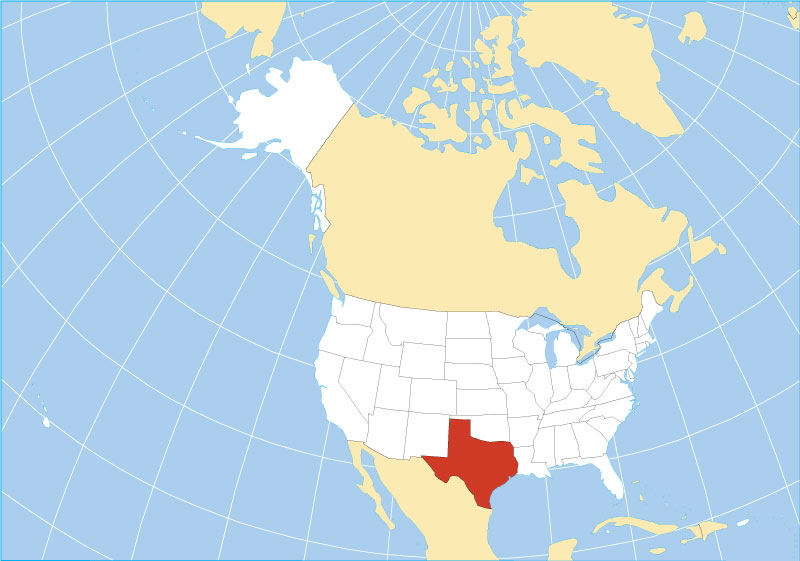
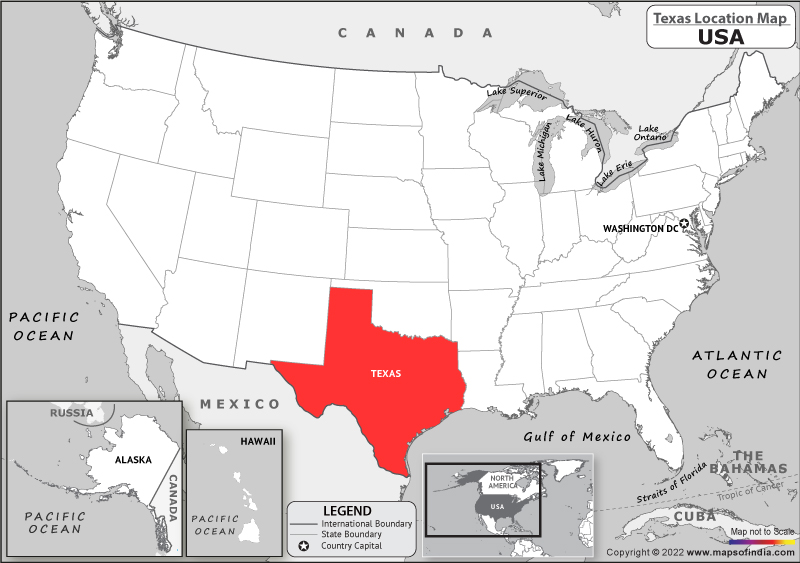
To answer the fundamental question, yes, Texas is unequivocally one of the 50 states that constitute the United States of America. It holds the distinction of being the second-largest state by both area and population. Situated in the South Central region of the United States, Texas shares borders with New Mexico to the west, Oklahoma to the north, Arkansas to the northeast, and Louisiana to the east. Its southern and southwestern border is defined by the Rio Grande river, which separates it from Mexico.
Historical Context of Statehood
The journey of Texas to becoming a state within the United States is a compelling narrative of independence and annexation. Texas was once an independent republic, known as the Republic of Texas, from 1836 to 1845. This period of self-governance followed the Texas Revolution, a successful uprising against Mexico. In 1845, after a decade of independent existence, Texas voted to join the United States as the 28th state. This annexation was a significant event, contributing to the westward expansion of the United States and setting the stage for future territorial growth. The historical context of its republic status sometimes fuels the perception of Texas as a distinct entity, but its statehood is a firmly established political reality.
Key Cities and Their Significance
The state is home to several major urban centers, each contributing to the diverse economic and cultural landscape of the United States.
Houston: The Energy and Space Capital
Houston, the most populous city in Texas and the fourth-largest in the United States, is a global hub for the energy industry, particularly oil and gas. It is also renowned for its role in space exploration, being the home of NASA‘s Johnson Space Center, where astronauts train and mission control for human spaceflight is managed. Visitors can experience this at Space Center Houston. The city boasts a thriving arts scene, renowned medical centers like the Texas Medical Center, and a culinary landscape reflecting its diverse population.
Dallas-Fort Worth Metroplex: Economic Powerhouse
The Dallas–Fort Worth Metroplex, often referred to as the “DFW” area, is a sprawling metropolitan region encompassing two major cities and numerous suburbs. Dallas is a significant center for finance, technology, and telecommunications, while Fort Worth retains a more distinct Western heritage. This region serves as a major transportation hub with the Dallas/Fort Worth International Airport, one of the busiest airports in the world. The cultural offerings include world-class museums, performing arts venues, and a vibrant live music scene.
San Antonio: A Blend of Cultures
San Antonio offers a unique blend of Texan and Hispanic cultures, evident in its architecture, cuisine, and traditions. The city is famous for its historical sites, most notably the Alamo, a pivotal Texan victory during the Texas Revolution. The River Walk, a network of walkways along the San Antonio River, is a bustling promenade lined with shops, restaurants, and hotels, making it a prime tourist destination.
Austin: The Live Music Capital of the World
Austin, the state capital, has earned its moniker as the “Live Music Capital of the World” due to its prolific music scene. Beyond music, Austin is a hub for technology and innovation, often referred to as “Silicon Hills.” The city is also known for its vibrant outdoor culture, with numerous parks, trails, and lakes, as well as its eclectic and progressive spirit.
Exploring the Diverse Landscapes of Texas
Beyond its urban centers, Texas boasts a breathtaking array of natural landscapes, from arid deserts to lush forests and a significant coastline along the Gulf of Mexico. These diverse terrains offer unique travel experiences that highlight the state’s geographical breadth within the United States.
The Wild West: Big Bend National Park
Located in West Texas, Big Bend National Park is a vast wilderness of mountains, deserts, and river canyons. This remote and rugged park offers unparalleled opportunities for hiking, camping, stargazing, and exploring the dramatic landscapes shaped by the Rio Grande. The Chisos Mountains within the park provide a cooler, mountainous environment, contrasting with the desert floor. Its isolation contributes to some of the darkest night skies in the continental United States, making it a prime location for astronomical observation.
Coastal Charm: The Texas Gulf Coast
The Texas coast along the Gulf of Mexico features a variety of attractions, from bustling beach towns to protected wildlife refuges. Galveston Island, with its historic architecture and sandy beaches, offers a classic beach resort experience. Further south, South Padre Island is a popular destination for spring breakers and families, known for its watersports and dolphin-watching tours. The Aransas National Wildlife Refuge is a critical wintering ground for the endangered Whooping Crane, offering incredible birdwatching opportunities.
Hill Country Serenity: Rolling Landscapes and Wineries
The Texas Hill Country, nestled in the central part of the state, is characterized by rolling hills, clear rivers, and a distinct German heritage in towns like Fredericksburg. This region has become a significant wine-producing area, with numerous vineyards and wineries offering tastings and tours. It’s also a popular spot for outdoor activities like swimming, kayaking, and exploring charming small towns. The natural beauty of the Hill Country provides a tranquil escape within the larger United States.
Piney Woods: East Texas Forests
In stark contrast to the arid west, East Texas is dominated by the Piney Woods, a region of dense forests, rolling hills, and numerous lakes. This area offers opportunities for camping, fishing, and exploring state parks like Caddo Lake State Park, known for its mysterious bayou landscape and Spanish moss-draped cypress trees. The lush greenery provides a different perspective on the ecological diversity found within the United States.
Experiencing Texan Culture and Traditions
Texas culture is a captivating blend of influences, shaped by its history as a republic, its proximity to Mexico, and its diverse population. This unique cultural identity is a significant draw for travelers exploring the United States.
Tex-Mex Cuisine and BBQ
No exploration of Texas is complete without indulging in its world-famous culinary offerings. Tex-Mex cuisine, a delicious fusion of Mexican and Texan flavors, is a staple, featuring dishes like enchiladas, fajitas, and tacos. Equally iconic is Texas barbecue, a slow-smoked art form that varies in style across the state, with brisket being the undisputed king. From roadside joints to acclaimed restaurants, the barbecue scene is a pilgrimage for food lovers.
Cowboy Culture and Western Heritage
The enduring image of the cowboy is deeply ingrained in Texan identity. This Western heritage is celebrated through rodeo events, ranches open to visitors, and historical reenactments. Towns like Fort Worth actively preserve and showcase this aspect of Texan life, offering a glimpse into the rugged individualism and pioneering spirit that defined the state’s past and continues to influence its present.
Music and Arts Scene
Beyond the live music of Austin, Texas boasts a rich and diverse arts and cultural scene. Major cities like Dallas, Houston, and San Antonio feature world-class museums, symphony orchestras, opera houses, and theater companies. The state also has a strong tradition in visual arts, with numerous galleries and art installations reflecting its unique character and contributions to the broader American art landscape.
Planning Your Texas Adventure
For travelers considering a trip to Texas, understanding its place within the United States is key to planning a comprehensive and fulfilling itinerary. The sheer size of the state means that covering all its diverse attractions requires significant travel time and a well-thought-out plan.
Transportation and Logistics
Given Texas‘s vastness, flying into one of its major airports, such as Dallas/Fort Worth International Airport, George Bush Intercontinental Airport in Houston, or Austin-Bergstrom International Airport, is often the most efficient starting point. Renting a car is highly recommended for exploring the state at your own pace, as public transportation outside of major cities can be limited. Road trips are a quintessential Texan experience, allowing travelers to witness the dramatic shifts in scenery.
Accommodation Options
From luxury resorts and boutique hotels in bustling cities to cozy bed and breakfasts in charming small towns and rustic cabins near national parks, Texas offers a wide range of accommodation options to suit every budget and travel style. Booking in advance is advisable, especially during peak seasons or for popular events.
Best Times to Visit
The best time to visit Texas depends on your interests and the specific regions you plan to explore. Spring (March to May) and fall (September to November) generally offer the most pleasant weather across the state, with mild temperatures ideal for outdoor activities. Summers can be very hot, especially in West Texas and the plains, while winters are typically mild, though occasional cold snaps can occur. Coastal areas are popular year-round, with the summer months being ideal for beach activities, despite the heat.
In conclusion, Texas is an integral and dynamic part of the United States. Its size, history, diverse geography, and vibrant culture make it a compelling destination for any traveler seeking an authentic American experience. Whether you’re drawn to the energy of its cities, the tranquility of its natural landscapes, or the richness of its cultural traditions, Texas offers an unforgettable journey within the heart of the United States.
LifeOutOfTheBox is a participant in the Amazon Services LLC Associates Program, an affiliate advertising program designed to provide a means for sites to earn advertising fees by advertising and linking to Amazon.com. Amazon, the Amazon logo, AmazonSupply, and the AmazonSupply logo are trademarks of Amazon.com, Inc. or its affiliates. As an Amazon Associate we earn affiliate commissions from qualifying purchases.