
The question of whether Texas belongs to the American West is more than a geographical debate; it’s a cultural and historical inquiry that probes the very essence of regional identity. While modern maps often place Texas in the South or Southwest, its historical narratives, vast landscapes, and enduring spirit resonate deeply with the archetypal imagery of the West. This exploration delves into the multifaceted dimensions that contribute to this perception, examining the historical context, the palpable influence of Western tropes, and the unique characteristics that blur the lines of conventional regional categorization.
Historical Echoes of the Frontier
The historical narrative of Texas is inextricably linked to the concept of the frontier. For much of its existence, particularly during the 19th century, Texas was a land of expansion, conflict, and the pioneering spirit that defines the historical West.
The Age of Exploration and Settlement
Following its acquisition by the United States in 1845, Texas became a focal point of westward expansion. The lure of vast, undeveloped land attracted settlers eager to carve out new lives. This era was characterized by the challenges of establishing communities in a rugged and often untamed environment, mirroring the experiences of pioneers in other Western territories. The stories of ranchers, cowboys, and settlers facing the elements and forging a new society are central to the Texan identity, much as they are to the broader Western legend.
Conflict and Independence
The struggle for Texas independence from Mexico and its subsequent admission into the Union were pivotal events that shaped its unique character. The battles, such as the iconic Battle of the Alamo and the Battle of San Jacinto, are etched into the national consciousness as tales of bravery and self-determination against formidable odds, echoing the defiant spirit often associated with Western lore. The Republic of Texas, existing as an independent nation for nearly a decade, fostered a sense of rugged individualism and self-reliance that continues to define the state.
The Cattle Kingdom
The rise of the cattle industry in Texas during the late 19th century is perhaps the most direct link to the traditional image of the West. The vast ranches, the long drives, and the iconic figure of the cowboy are all hallmarks of the Western genre. Texas was the epicenter of this era, with trails like the Chisholm Trail and the Goodnight-Loving Trail funneling millions of cattle northward. The romanticized, yet often brutal, reality of ranching life, the open range, and the pursuit of economic opportunity through livestock directly aligns with the Western narrative.
Landscapes That Evoke the West
The physical geography of Texas plays a significant role in its perceived Western identity. While not uniformly arid or mountainous like some classic Western settings, large portions of the state offer vistas that are unmistakably evocative of the frontier.
The Panhandle and High Plains
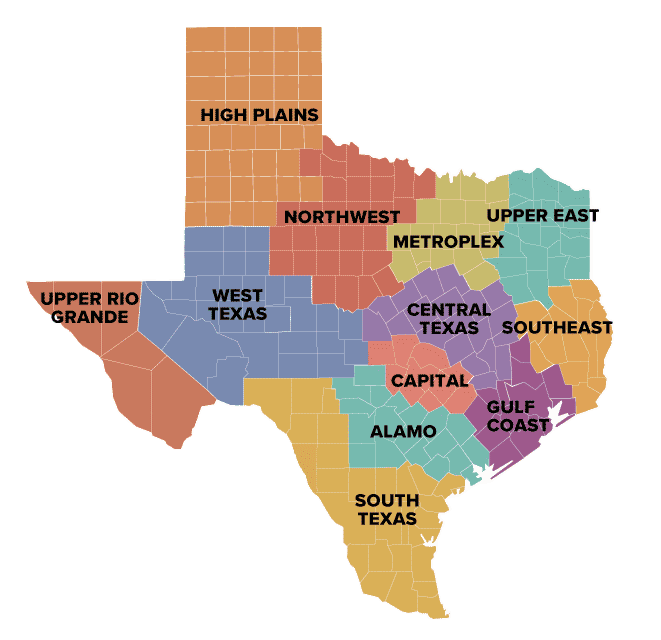
The stark, expansive beauty of the Texas Panhandle and the High Plains present a landscape of endless horizons and dramatic skies. Towns like Amarillo and Lubbock are situated in regions that share geological and atmospheric similarities with areas further west, such as parts of New Mexico and Colorado. The vastness, the wind-swept plains, and the sense of isolation contribute to a feeling of being in a truly Western space.
The Trans-Pecos Region
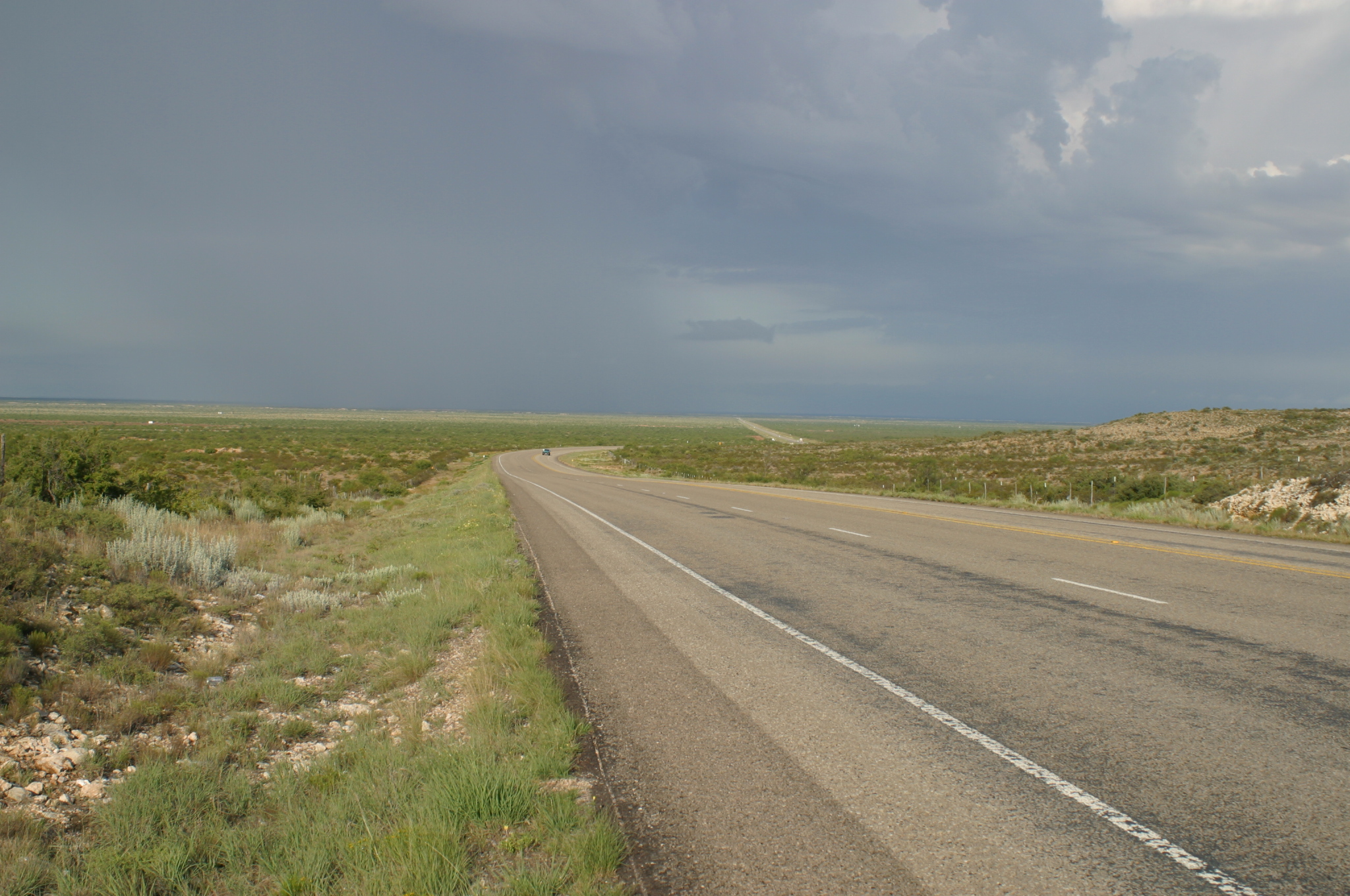
The westernmost part of Texas, known as the Trans-Pecos region, is perhaps the most geographically aligned with the stereotypical Western landscape. Dominated by deserts, rugged mountains, and dramatic canyons, this area is home to landmarks like the Guadalupe Mountains National Park and Big Bend National Park. The dramatic topography, the hardy desert flora, and the sense of remoteness found here are classic elements of the Western setting, often depicted in films and literature. The vastness of Big Bend National Park, a true wilderness experience, solidifies this region’s claim to a Western identity.
The Edwards Plateau
While often considered part of Central Texas, the Edwards Plateau features rolling hills, rugged terrain, and a more arid climate than the eastern parts of the state. This region, characterized by ranching and a slower pace of life, offers a transition zone that still retains elements of the frontier spirit and open landscapes associated with the West.
Cultural Resonance and Enduring Myths
Beyond geography and history, Texas actively cultivates and embodies many of the cultural tropes and myths associated with the American West.
The Cowboy Ethos
The image of the cowboy is perhaps the most potent symbol of the American West, and Texas is arguably its spiritual home. The state’s embrace of rodeo, country music, and Western wear, from cowboy hats to boots, reinforces this connection. The idea of the independent, self-reliant individual facing challenges head-on is a core tenet of Texan identity, a direct inheritance from the Western frontier. This ethos permeates everything from political rhetoric to the state’s approach to self-governance.
Independent Spirit and Self-Reliance
A deeply ingrained sense of independence and self-reliance characterizes Texas. This spirit, born from the challenges of frontier life, manifests in a cultural inclination towards minimal government intervention and a strong belief in individual liberty. This independent streak is a defining characteristic of the Western spirit, where rugged individualism was essential for survival and prosperity.
Popular Culture and the Silver Screen
Hollywood and popular culture have played a significant role in solidifying the perception of Texas as Western. Countless films, from classic Westerns to modern blockbusters, have been set in the state, utilizing its diverse landscapes to portray tales of outlaws, lawmen, and frontier settlers. Iconic figures like John Wayne, who embodied the Western hero, often had strong ties to or settings within Texas in their cinematic portrayals. These narratives, whether historically accurate or not, have deeply imprinted the Western image onto the Texan identity in the minds of many.
A Unique Blend of Traditions
Texas is a melting pot of cultures, blending Anglo-American traditions with those of Hispanic, Native American, and other influences. This cultural fusion has created a unique identity that, while distinct, shares many foundational elements with the broader Western experience. The blend of rugged individualism with a strong sense of community, the appreciation for wide-open spaces, and the enduring legacy of its historical development all contribute to a narrative that is undeniably Western, even as it carves its own distinct path.
The Southwest Divide: A Modern Perspective
Geographers and cultural analysts often categorize Texas as part of the Southwest. This classification acknowledges the state’s shared cultural and environmental traits with neighboring states like New Mexico, Arizona, and parts of Oklahoma.
Defining the Southwest
The Southwest is typically characterized by its arid and semi-arid climate, its significant Native American and Hispanic heritage, and its unique blend of cultural influences. Texas shares these characteristics, particularly in its western regions. The prevalence of desert landscapes, the Spanish colonial history, and the influence of Native American cultures are strong indicators of a Southwest identity.
The Eastern Frontier of the Southwest
However, the vastness of Texas makes it a bridge between regions. While its western reaches clearly align with the Southwest, its eastern and southern portions exhibit more Southern characteristics. This geographical duality means that Texas can be seen as the eastern frontier of the Southwest, a transitional zone where different regional identities converge and intermingle.

The Enduring “Western” Identity
Despite the modern geographical classifications, the historical and cultural narratives continue to exert a powerful influence. For many, the romanticism of the frontier, the spirit of the cowboy, and the iconic imagery of the open range are inextricably linked to the idea of the West. This perception is not necessarily about strict geographical boundaries but about a shared cultural memory and a sense of place that resonates with the archetypal Western experience.
In conclusion, while the precise geographical definition of Texas may be debated, its historical trajectory, its evocative landscapes, and its deeply ingrained cultural ethos undeniably connect it to the spirit and imagery of the American West. It is a state that embodies the frontier spirit, the independent soul, and the rugged beauty that have come to define this enduring region. Whether considered purely Western or a unique blend of Southwest and South, Texas remains a vital and vibrant thread in the rich tapestry of the American West.
LifeOutOfTheBox is a participant in the Amazon Services LLC Associates Program, an affiliate advertising program designed to provide a means for sites to earn advertising fees by advertising and linking to Amazon.com. Amazon, the Amazon logo, AmazonSupply, and the AmazonSupply logo are trademarks of Amazon.com, Inc. or its affiliates. As an Amazon Associate we earn affiliate commissions from qualifying purchases.