
The question of whether a vast expanse like Texas is landlocked might seem elementary, yet it touches upon the very definition of geographic isolation and its implications for exploration, trade, and cultural development. For a state that boasts immense diversity in its landscapes, from arid deserts to lush piney woods, the presence or absence of a coastline is a fundamental characteristic shaping its identity and its connection to the wider world. The answer, in this case, is a resounding “no.” Texas is not landlocked; it possesses a significant and historically vital coastline along the Gulf of Mexico. This geographical feature has profoundly influenced its history, economy, and the very spirit of its people.

The Southern Frontier: Texas’s Coastal Embrace
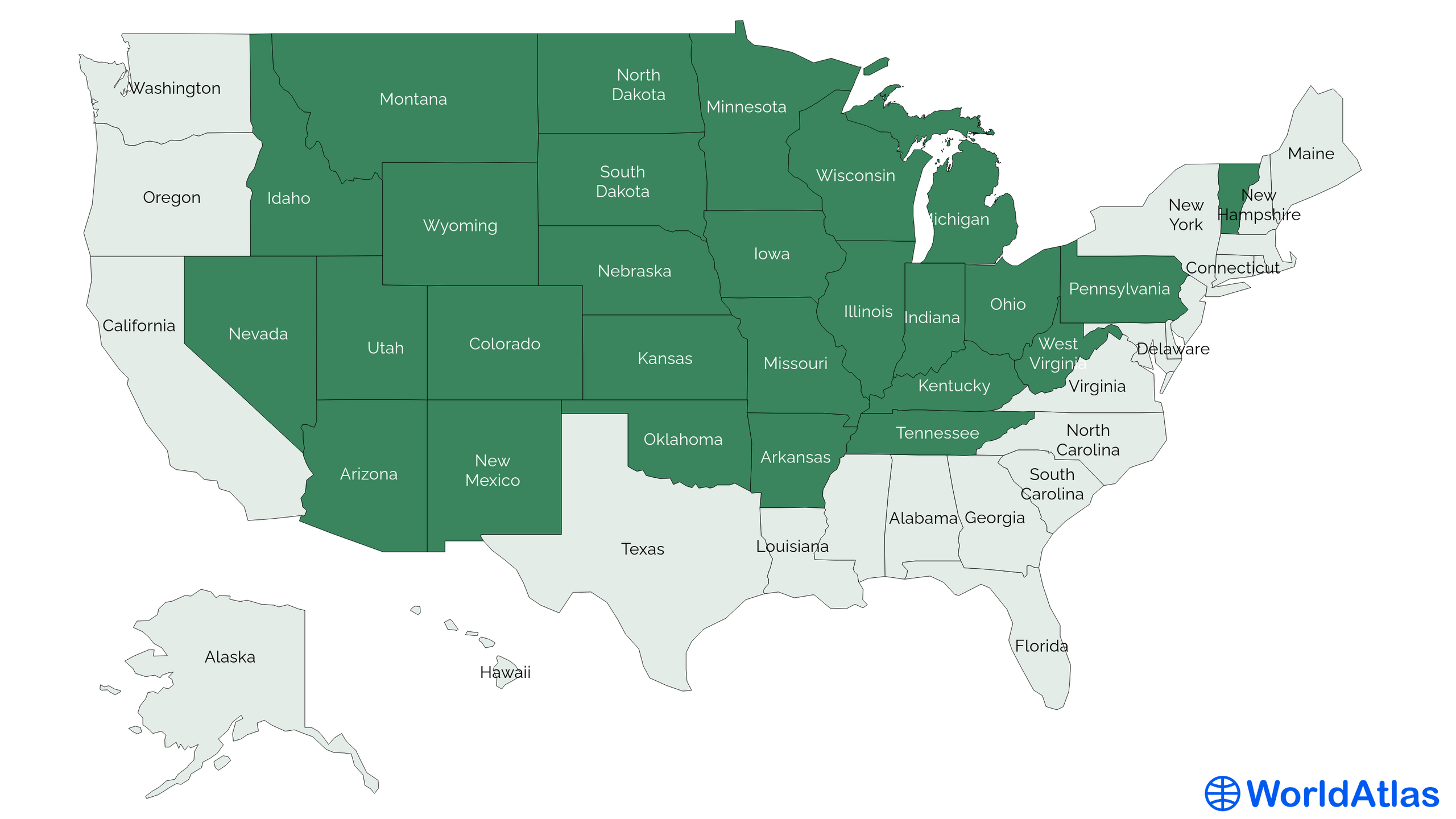
The southern border of Texas is defined by the shimmering waters of the Gulf of Mexico. This extensive coastline stretches for hundreds of miles, encompassing a variety of environments from wide, sandy beaches to the intricate delta systems of major rivers. The most prominent feature of this coastal region is undoubtedly the Texas Gulf Coast, a dynamic and economically significant area that has served as a gateway for centuries.
Gateway to the Continent
The presence of a coastline has historically made Texas a crucial point of entry and exit. For explorers, traders, and immigrants from across the Atlantic, the ports along the Texas Gulf Coast offered direct access to the North American continent. This role as a gateway fostered early settlement and laid the groundwork for the state’s future economic prowess.
The strategic importance of these coastal access points cannot be overstated. They facilitated the import of goods and ideas from Europe and the Caribbean, while also providing an avenue for the export of Texas resources to global markets. This constant flow of commerce and culture has been a defining element of the Texan experience, distinguishing it from inland regions that might have developed more insular economies and cultures.
Key Coastal Cities and Their Significance
Several major cities owe their existence and prosperity to Texas’s coastal location.
Galveston
Perhaps the most iconic of these is Galveston, an island city that served as the primary port and commercial hub of Texas for much of the 19th century. Its strategic position at the mouth of Galveston Bay made it a natural focal point for maritime trade. Despite the devastating impact of the 1900 hurricane, Galveston has retained much of its historic charm and continues to be a popular tourist destination, with its vibrant Strand district showcasing a rich architectural heritage. The city’s history is intrinsically linked to its port, a testament to the power of coastal access.
Houston
Further inland, yet inextricably connected to the coast, is Houston. While not directly on the Gulf, its proximity and access through the Houston Ship Channel make it one of the largest port cities in the United States. The development of the Houston Ship Channel, a man-made waterway, further exemplifies how Texas has leveraged its coastal advantages to foster immense economic growth. Houston has become a global center for the energy industry, a sector heavily reliant on the import and export capabilities provided by its port.
Corpus Christi
On the central Texas Gulf Coast, Corpus Christi stands as another vital port city. Its natural harbor has supported a thriving economy based on shipping, fishing, and tourism. The city offers a distinct coastal ambiance, with attractions like the Texas State Aquarium and the USS Lexington Museum drawing visitors to experience its maritime heritage and natural beauty.
Brownsville
At the southernmost tip of Texas, bordering Mexico, lies Brownsville. Its port, Port Brownsville, is a crucial gateway for trade with Latin America, further solidifying Texas’s role as a bridge between North and South America. The proximity to the Rio Grande Valley and the unique cultural blend of the region add another layer to the coastal experience.
The Economic Engine: Maritime Trade and Industry
The presence of a coastline is not merely a geographic descriptor; it is a powerful economic driver. For Texas, the Gulf of Mexico has been instrumental in shaping its industrial landscape and facilitating international commerce.
Ports and Shipping
Texas boasts numerous deep-water ports along its coast, each playing a critical role in the movement of goods. These ports handle a vast array of commodities, from crude oil and natural gas to agricultural products and manufactured goods. The efficiency and capacity of these ports are vital to the Texan economy, directly impacting industries such as petrochemicals, manufacturing, and agriculture. The intricate network of shipping lanes, terminals, and logistical operations centered around these ports is a testament to the enduring economic power of a coastal presence.
The Oil and Gas Industry
The Gulf of Mexico is also a major source of offshore oil and natural gas reserves. The Texas Gulf Coast serves as the operational hub for many of these offshore operations, with refineries, processing plants, and support services concentrated in coastal cities. The ability to extract, process, and transport these valuable resources to domestic and international markets is heavily reliant on the state’s coastal infrastructure and access to shipping routes. This has led to the development of specialized industries and a highly skilled workforce dedicated to the energy sector.
Fishing and Aquaculture
Beyond heavy industry, the waters of the Gulf of Mexico support a vibrant commercial and recreational fishing industry. From shrimping fleets to charter fishing operations, the bounty of the sea is a significant contributor to the coastal economy. Texas fisheries provide a substantial source of seafood for both domestic consumption and export. Furthermore, aquaculture, the farming of aquatic organisms, is a growing sector along the coast, offering sustainable alternatives and contributing to the region’s economic diversity.
Natural Wonders and Recreational Pursuits
The Texas Gulf Coast is not just about commerce and industry; it is also a region of remarkable natural beauty and a haven for outdoor recreation. The diverse ecosystems found along the coastline offer unique opportunities for exploration and enjoyment.
Beaches and Barrier Islands
Stretching for miles, the sandy beaches of Texas are a major draw for tourists and locals alike. From the bustling shores of Galveston Beach to the more secluded stretches of the Padre Island National Seashore, these areas provide opportunities for sunbathing, swimming, surfing, and beachcombing. The barrier islands, such as Galveston Island and Padre Island, act as natural buffers, protecting the mainland from storm surges and creating unique estuarine environments.
Wildlife and Birding
The coastal regions of Texas are critically important migratory bird flyways and habitats for a diverse array of wildlife. The Upper Texas Coast is renowned for its birdwatching opportunities, attracting ornithologists and nature enthusiasts from around the globe. Estuaries, marshes, and coastal prairies teem with life, including various species of wading birds, waterfowl, and shorebirds. Inland, the Rio Grande Valley offers a unique blend of subtropical and coastal ecosystems, supporting a rich diversity of flora and fauna. The conservation of these natural areas is a growing focus, recognizing their ecological and economic value.
Water Sports and Activities
The Gulf of Mexico and its associated bays provide ample opportunities for a wide range of water sports and recreational activities. Boating, sailing, kayaking, paddleboarding, and fishing are popular pursuits for those who live in or visit the coastal areas. The warm waters and consistent breezes make it an ideal location for maritime adventures. Many coastal communities have developed infrastructure to support these activities, from marinas and boat ramps to surf shops and rental agencies.
The Enduring Impact of a Non-Landlocked State
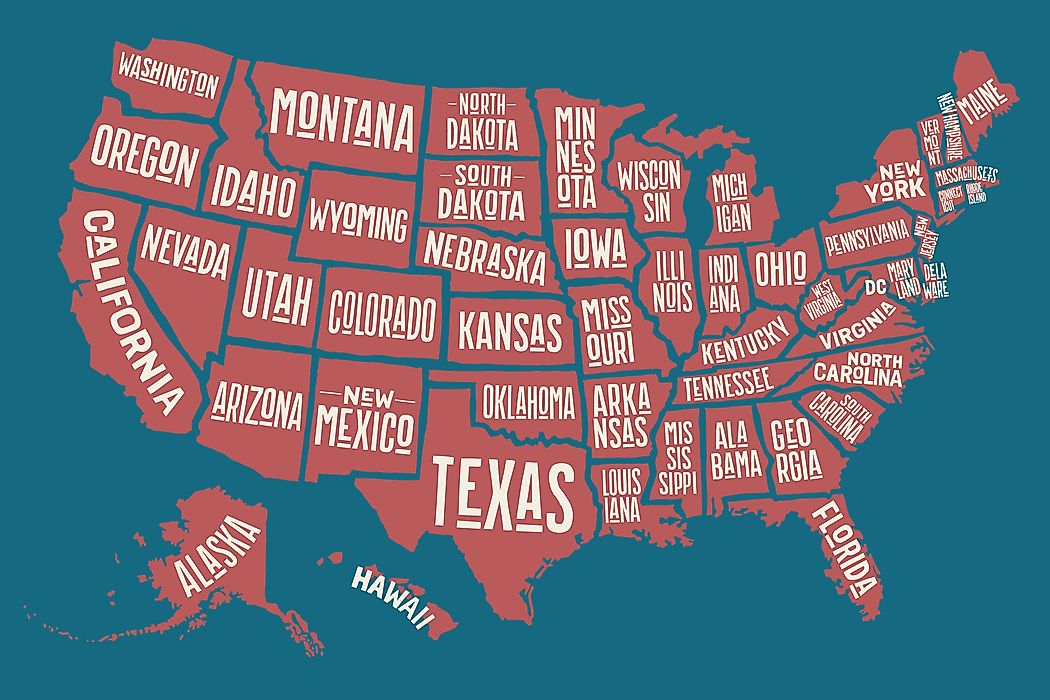
The answer to “Is Texas landlocked?” is a definitive “no,” and this distinction has shaped its trajectory in countless ways. The presence of a coastline has transformed it from a potentially isolated frontier territory into a global economic powerhouse and a vibrant cultural crossroads.
The historical reliance on ports for trade and immigration has fostered a spirit of openness and connection to the wider world. The economic opportunities generated by maritime industries have driven innovation and population growth, creating dynamic urban centers and diverse regional economies. The natural beauty of the coast, with its beaches, bays, and abundant wildlife, offers unparalleled recreational and tourism opportunities, attracting visitors and contributing to the state’s appeal.
While the vast interior of Texas holds its own unique charms and significance, the coastal strip along the Gulf of Mexico has played an indispensable role in defining its identity and its place on the world stage. It is a constant reminder that even within a vast continental landmass, the embrace of the sea can unlock immense potential and forge enduring connections. The non-landlocked status of Texas is not just a geographic fact; it is a fundamental element of its history, its economy, and its very soul.
LifeOutOfTheBox is a participant in the Amazon Services LLC Associates Program, an affiliate advertising program designed to provide a means for sites to earn advertising fees by advertising and linking to Amazon.com. Amazon, the Amazon logo, AmazonSupply, and the AmazonSupply logo are trademarks of Amazon.com, Inc. or its affiliates. As an Amazon Associate we earn affiliate commissions from qualifying purchases.