
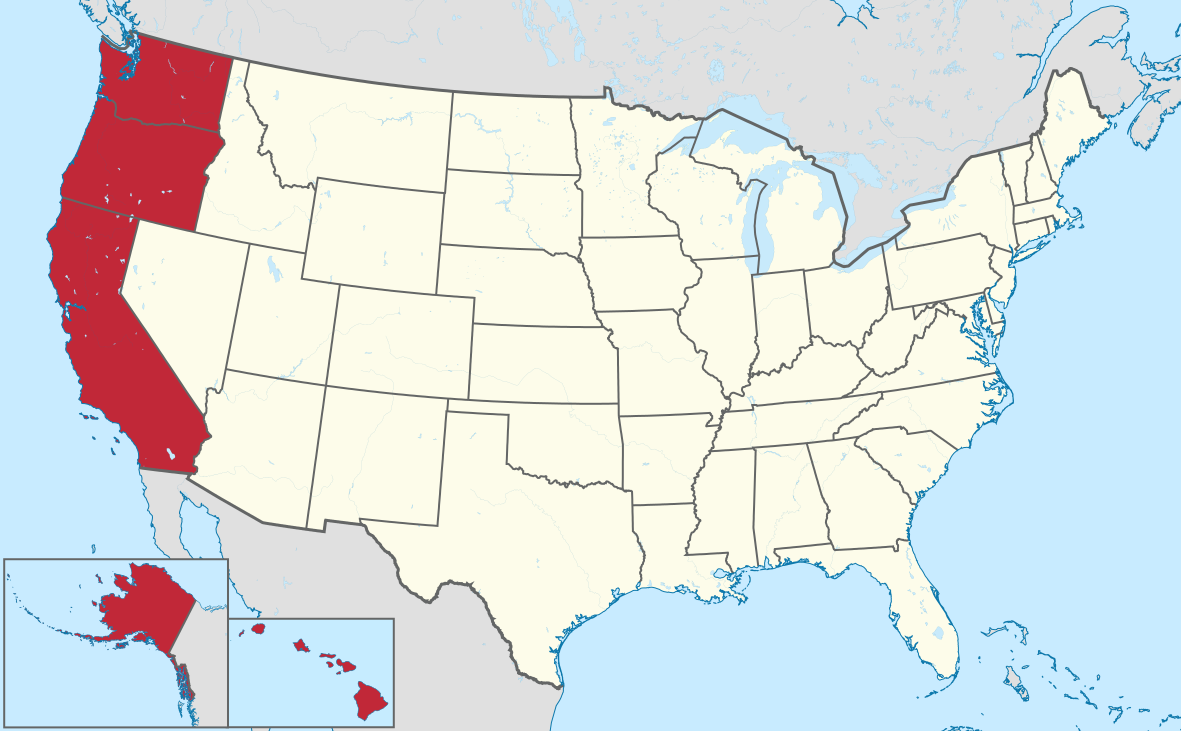
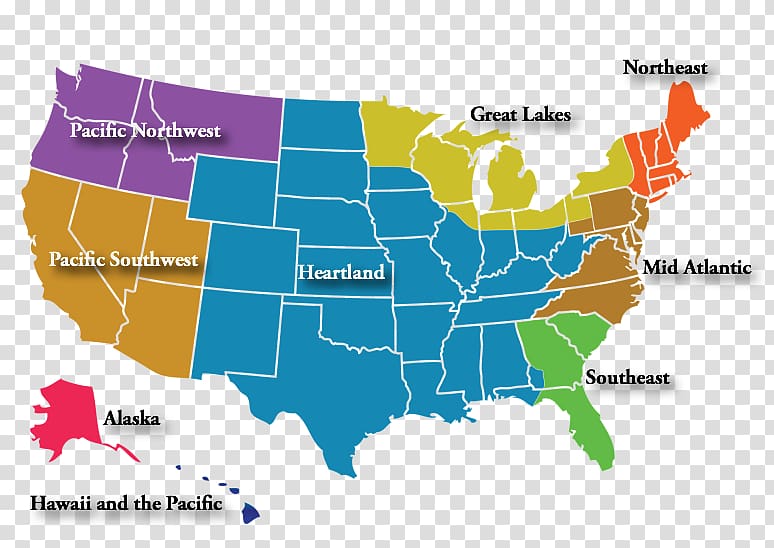
The vast and diverse state of Texas often sparks a curious geographical debate: is it considered West Coast or East Coast? This question, while seemingly simple, delves into the heart of what defines these broad regional labels and where Texas truly fits within the American landscape. Given Texas’s immense size and its unique cultural tapestry, it defies easy categorization. The answer, as with many things in Texas, is complex and depends heavily on the criteria you use.
Navigating the Geographical and Cultural Divide
When most people think of the “East Coast,” their minds conjure images of the historical cities of the Northeast, such as New York City, Boston, and Philadelphia. These regions are characterized by their colonial past, dense urban populations, proximity to the Atlantic Ocean, and a certain established cultural heritage. Conversely, the “West Coast” typically brings to mind the sun-drenched beaches of California, the innovative tech hubs of the Pacific Northwest, and a spirit of westward expansion and frontier adventure. Texas, while sharing some characteristics with both, doesn’t neatly align with either.
The “Westward Ho!” Mentality: A Texan Connection to the West
One of the strongest arguments for placing Texas in a “Western” category stems from its historical development and its enduring cowboy culture. Texas was a frontier territory, a land of cattle ranches, open ranges, and the iconic Texas Rangers. This image, deeply ingrained in the American psyche, aligns with the romanticized notions of the American West. The vast, arid landscapes of West Texas, with its mesas, deserts, and big skies, certainly evoke a sense of the Western frontier. Cities like El Paso stand as gateways to the American Southwest, sharing a border and cultural influences with Mexico.
Furthermore, Texas’s identity is inextricably linked to the cattle industry and the ranching heritage that shaped much of the Western United States. The iconic image of a cowboy, a Stetson hat, and boots is as synonymous with Texas as it is with Montana or Wyoming. This shared cultural DNA, born from the challenges and triumphs of taming a wild land, creates a palpable connection to the West.
Eastern Echoes: Proximity and Peculiarities
However, to dismiss any Eastern influence on Texas would be an oversight. While not on the Atlantic Ocean, Texas does have a significant coastline along the Gulf of Mexico. Cities like Houston and Galveston have historical ties to maritime trade and a coastal lifestyle that, in some aspects, can feel reminiscent of some Southern East Coast cities. Galveston, in particular, was a major port in the 19th century, bustling with activity that mirrored the port cities of the East.
Moreover, Texas has experienced significant industrialization and a rapid influx of people, particularly in its major metropolitan areas like the Dallas-Fort Worth metroplex and Houston. These sprawling urban centers, with their modern infrastructure and diverse populations, share characteristics with major cities across the country, including those on the East Coast. The sheer scale and density of development in places like Dallas can feel more akin to the urban sprawls of the East than the more sparsely populated and rugged landscapes often associated with the West.
A Lone Star in Its Own Category
Ultimately, the most accurate way to describe Texas is that it occupies a unique space, a category of its own. It’s a bridge between the East and the West, drawing influences from both while forging its own distinct identity. This is why the question “Is Texas West Or East Coast?” is so persistently asked – because it doesn’t fit neatly into either box.
The state’s geography is a testament to this duality. You can drive from the piney woods of East Texas, with their lush forests and rolling hills that bear a resemblance to some parts of the Deep South, to the stark beauty of the Big Bend region, which feels undeniably Western. The culture is equally varied. You can find the sophisticated urbanity of Austin with its live music scene and burgeoning tech industry, a vibe that could be found in any major metropolitan area, alongside the deep-seated traditions of rural Texas, where ranching and a slower pace of life prevail.
Exploring Texan Tourism: A Journey Through Diverse Landscapes and Experiences
When planning a trip to Texas, understanding its multifaceted nature is key to unlocking its true potential as a travel destination. From the vibrant energy of its major cities to the serene beauty of its natural landscapes, Texas offers an unparalleled range of experiences that cater to every type of traveler, whether you’re seeking luxury, adventure, or a deep dive into local culture.

Heading South: Coastal Charm and Southern Hospitality
The southeastern corner of Texas, along the Gulf of Mexico, offers a distinct flavor of the state. Galveston Island, a barrier island with a rich history, boasts beautiful beaches, Victorian architecture, and a lively atmosphere. The historic Strand District is a must-visit, with its charming shops, restaurants, and art galleries. For those interested in maritime history, the Texas Seaport Museum and the tall ship ELISSA provide a fascinating glimpse into Texas’s seafaring past. Houston, a sprawling metropolis, is a hub for culture and cuisine. Its diverse culinary scene, ranging from authentic Tex-Mex to international flavors, is a major draw. The Museum District is home to world-class institutions like the Museum of Fine Arts, Houston, and the Houston Museum of Natural Science. Families will delight in the Space Center Houston, a testament to the city’s role in the space race.
Heading West: The Frontier Spirit and Southwestern Allure
As you move westward, the landscape transforms, and so does the cultural feel. West Texas is characterized by its vast, open spaces, rugged mountains, and a palpable sense of history. The Big Bend National Park is a true natural wonder, offering breathtaking vistas, opportunities for hiking, stargazing, and exploring unique desert ecosystems. The park’s remote location makes it an ideal escape for those seeking solitude and a connection with nature. The historic town of Marfa has become an unlikely art destination, known for its minimalist installations, galleries, and the enigmatic Marfa Lights. This quirky town offers a glimpse into the contemporary art scene thriving in an unexpected locale. Further west, El Paso stands as a vibrant border city, rich in Hispanic culture and history. Its proximity to Juárez, Mexico, creates a unique cultural fusion, evident in its food, music, and architecture. The historic Mission Trail showcases centuries-old Spanish colonial missions, offering a journey back in time.
Urban Hubs: A Melting Pot of Culture and Innovation
The major metropolitan areas of Texas – Dallas, Fort Worth, Houston, and Austin – are vibrant centers of commerce, culture, and entertainment. Each city possesses its own distinct personality. Dallas offers a sophisticated urban experience with world-class shopping, a thriving arts district, and a dynamic business environment. The Arts District is a must-see, featuring the Dallas Museum of Art and the Nasher Sculpture Center. Fort Worth, often considered the more traditional counterpart to Dallas, proudly embraces its Western heritage. The Fort Worth Stockyards National Historic District offers a daily cattle drive, rodeos, and a genuine taste of cowboy life. Austin, the state capital, is renowned for its live music scene, its quirky, independent spirit, and its status as a major tech hub. Known as the “Live Music Capital of the World,” Austin boasts countless venues showcasing diverse musical talent. The city’s vibrant food truck culture and outdoor activities, such as paddleboarding on Lady Bird Lake, add to its appeal.
Accommodations and Lifestyle: From Luxury Resorts to Budget-Friendly Stays
Texas’s diverse offerings extend to its accommodation options and lifestyle experiences. Whether you’re a discerning traveler seeking the height of luxury or a budget-conscious explorer, the Lone Star State has something to suit every preference and budget.
Luxurious Escapes and Boutique Stays
For those who appreciate the finer things in life, Texas boasts an array of opulent hotels and resorts. In cities like Dallas and Houston, you’ll find renowned establishments such as the The Ritz-Carlton Dallas and the Four Seasons Hotel Houston, offering impeccable service, exquisite dining, and lavish amenities. For a more secluded and romantic getaway, consider a stay at a luxury ranch resort in the Hill Country, where you can enjoy spa treatments, fine dining, and breathtaking natural surroundings. The Commodore Perry Estate, Auberge Resorts Collection near Austin offers an unparalleled blend of historic charm and modern luxury. For a unique boutique experience, explore the charming inns and bed and breakfasts scattered throughout historic towns like Gruene and Fredericksburg, often featuring antique furnishings and personalized service.
Budget-Conscious Travel and Family Adventures
Texas is also incredibly accessible for budget travelers. Many of its attractions, particularly its vast state parks and natural wonders, are affordably priced or free to enter. Numerous hotel chains offer comfortable and clean accommodations at competitive rates in all major cities and smaller towns. Consider exploring budget-friendly options in the outskirts of larger cities for more economical lodging. For family trips, Texas offers a wealth of engaging activities. Theme parks like Six Flags Over Texas and Schlitterbahn Waterpark provide endless entertainment for all ages. Historical sites, such as the Alamo in San Antonio, offer educational and fun experiences. Camping in Texas state parks, like Palo Duro Canyon State Park, provides an affordable and immersive way to experience the state’s natural beauty.
Extended Stays and Business Travel
For those planning longer visits or business trips, Texas provides a wide range of accommodation solutions. Extended-stay hotels, offering kitchenettes and separate living areas, are plentiful in urban centers like Austin and Plano. These options provide the convenience and comfort of home for longer durations. Moreover, vacation rentals, including apartments and houses, can be found through various booking platforms, offering flexibility and local immersion. Business travelers will find that Texas’s major cities are well-equipped with convention centers and business-friendly hotels, ensuring a productive and comfortable stay. The integration of work and leisure is becoming increasingly common, with many hotels offering excellent business facilities alongside recreational amenities.
In conclusion, Texas is a state that defies simple geographical or cultural labels. It is a land of contrasts and convergences, where the spirit of the West meets the influences of the East, all while cultivating a unique identity that is distinctly Texan. Whether you’re drawn by its legendary landscapes, its vibrant cities, its rich history, or its diverse culinary scene, Texas promises an unforgettable journey, proving that sometimes, the most interesting places are the ones that don’t fit neatly into a box.
LifeOutOfTheBox is a participant in the Amazon Services LLC Associates Program, an affiliate advertising program designed to provide a means for sites to earn advertising fees by advertising and linking to Amazon.com. Amazon, the Amazon logo, AmazonSupply, and the AmazonSupply logo are trademarks of Amazon.com, Inc. or its affiliates. As an Amazon Associate we earn affiliate commissions from qualifying purchases.