
Traveling to new and exciting destinations is always an adventure, and Texas, with its vast landscapes, vibrant cities, and rich history, offers an unparalleled experience for any visitor. From the live music capital of Austin to the historic Alamo in San Antonio and the bustling metropolis of Houston, there’s something for everyone. However, as the legal landscape surrounding cannabis evolves across the United States, many travelers are left wondering about the rules in their chosen destinations. Specifically, for those planning a trip to the Lone Star State, a crucial question arises: “Is THC banned in Texas?”

The short answer is largely yes, THC is mostly banned for recreational use in Texas. However, the reality is more nuanced, involving specific distinctions between different cannabis compounds, medical programs, and ever-evolving legislation. For travelers, understanding these intricacies isn’t just a matter of curiosity; it’s essential for a smooth, enjoyable, and legally compliant visit. Whether you’re planning a luxury getaway, a budget-friendly family trip, or a business stay, navigating the state’s cannabis laws will directly impact your travel experience and potential legal repercussions. This guide aims to clarify the current situation, offering practical advice for anyone exploring Texas.
Understanding Texas’s Stance on Cannabis: A Legal Landscape
The legal framework for cannabis in Texas is complex and often a source of confusion, particularly for those accustomed to more liberal cannabis laws in other states. Unlike Colorado or California, which have embraced broad recreational legalization, Texas maintains a conservative approach, making it crucial for visitors to be well-informed.
The Legal Status of THC and Marijuana
At the core of Texas law, marijuana remains largely illegal for recreational purposes. The state’s statutes define marijuana based on its Delta-9 THC content, the primary psychoactive compound found in the plant. Any cannabis plant material or derivative product containing more than 0.3% Delta-9 THC on a dry weight basis is classified as marijuana and falls under the Texas Controlled Substances Act.
Possession of even small amounts of marijuana can lead to serious legal consequences. Possessing up to two ounces is typically a Class B misdemeanor, carrying potential penalties of up to 180 days in jail and a fine of up to $2,000. Larger quantities escalate to felony charges, which can result in significant prison time and much steeper fines. While some cities, such as Austin and Dallas, have implemented “cite and release” policies or reduced enforcement for minor marijuana offenses, these are local initiatives and do not change state law. Travelers should never assume that such policies negate the underlying illegality or prevent arrest, especially if interacting with state law enforcement or outside these specific city limits. The best practice for any visitor is to avoid possession of marijuana entirely while in Texas.
The Texas Compassionate Use Program (TCUP)
For those with qualifying medical conditions, Texas offers a very limited medical cannabis program known as the Texas Compassionate Use Program (TCUP). Established in 2015 and expanded incrementally since then, TCUP allows registered patients to access low-THC cannabis products. However, the program is far more restrictive than medical cannabis programs in many other states.
Initially, TCUP was limited to patients with intractable epilepsy. Over time, it has expanded to include conditions such as multiple sclerosis, spasticity, autism, certain neurological disorders, and all forms of cancer. Even with these expansions, the program specifically limits the Delta-9 THC content of prescribed products to 0.5% by weight, meaning patients only have access to non-euphoric formulations. Recreational THC or high-potency cannabis is explicitly excluded. Furthermore, only licensed physicians can prescribe these low-THC products, and they must register with the state. For travelers, unless you are a registered Texas resident with a qualifying condition and a doctor’s prescription, TCUP offers no legal pathway to obtaining or possessing THC products within the state. Medical reciprocity for out-of-state patients is not recognized, so relying on an out-of-state medical card will not protect you from prosecution.
The CBD and Delta-8 Distinction: A Grey Area
The landscape becomes even more complex when discussing hemp-derived products like CBD and Delta-8 THC. The 2018 Farm Bill, a federal law, descheduled hemp from the Controlled Substances Act, defining it as cannabis with less than 0.3% Delta-9 THC on a dry weight basis. This federal change allowed for the legal cultivation of hemp and the sale of hemp-derived products, including CBD oils, tinctures, and edibles, across the country, provided they meet the low Delta-9 THC threshold. In Texas, the law was updated to align with the Farm Bill, making CBD products with under 0.3% Delta-9 THC legal and widely available. Travelers can find these products in various retail outlets throughout the state.
However, the emergence of Delta-8 THC, another cannabinoid naturally found in hemp (albeit in smaller concentrations), has created a contentious legal “grey area.” Delta-8 THC is psychoactive, though typically less potent than Delta-9 THC. Because it is derived from hemp and often contains less than 0.3% Delta-9 THC, producers and retailers argued it was legal under the Farm Bill and subsequent Texas hemp laws. The state of Texas attempted to ban Delta-8 THC in 2021, but a temporary injunction allowed sales to continue. As of the time of this writing, Delta-8 THC products remain legally available for purchase and possession in Texas due to ongoing legal battles. Despite its current legality, the legal status of Delta-8 THC is subject to change, and caution is advised. For travelers, it’s crucial to understand that while these hemp-derived products are distinct from marijuana in the eyes of the law, the line can be blurry, and interpretations may vary among law enforcement. Always purchase from reputable sources and ensure products are clearly labeled, verifying they contain less than 0.3% Delta-9 THC.
Navigating Texas as a Traveler: What You Need to Know
For tourists exploring the diverse attractions of Texas, understanding the state’s cannabis laws is paramount to ensuring a hassle-free and enjoyable trip. Ignorance of the law is never an excuse, and visitors can inadvertently put themselves in compromising situations if they don’t exercise caution. This section offers practical advice to help travelers stay compliant and make the most of their visit.
Penalties for Possession and Use
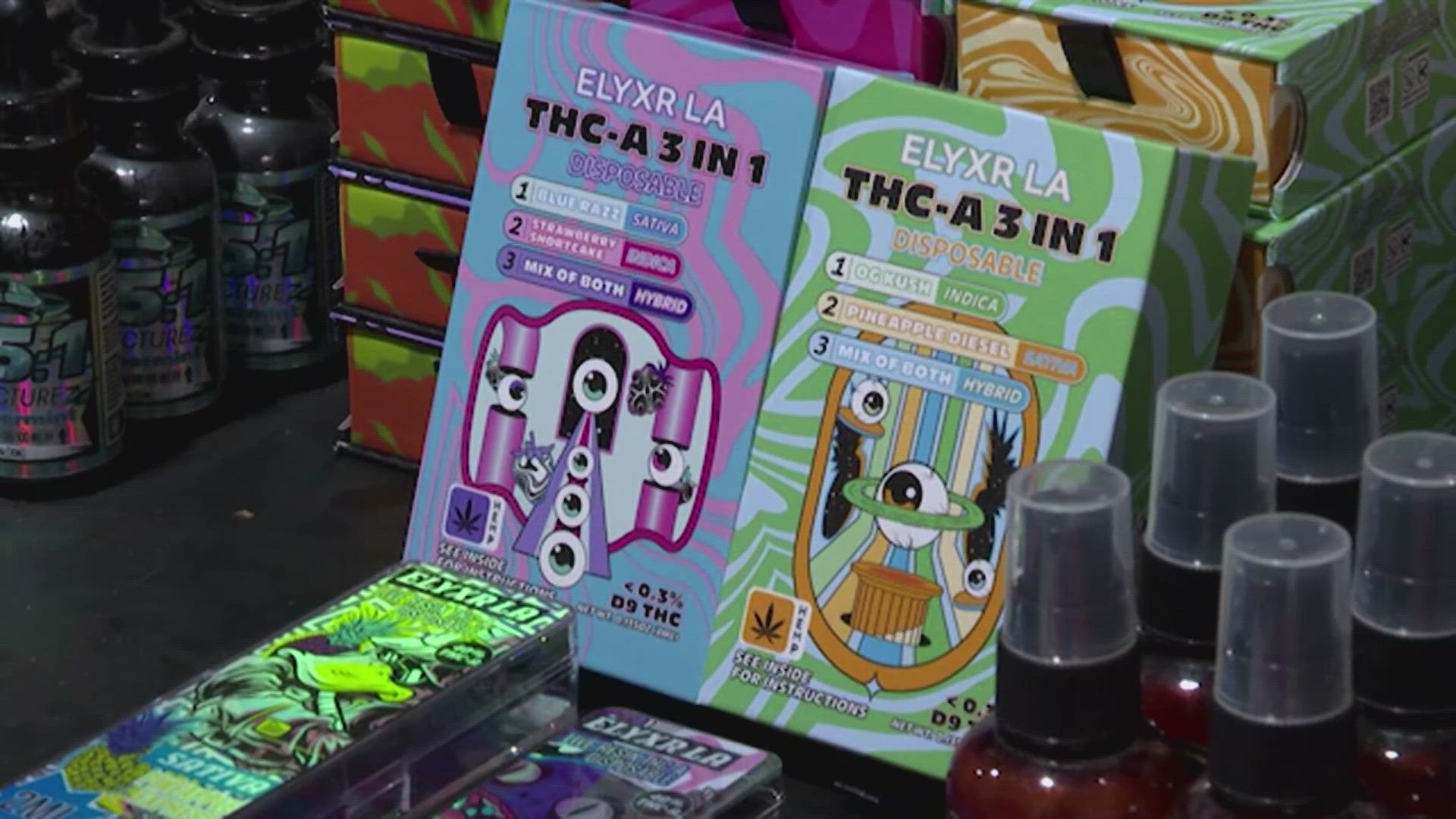
Despite the progressive shifts in cannabis laws across many parts of the United States, Texas maintains some of the strictest penalties for marijuana possession and use. As previously mentioned, possessing even a small amount (under two ounces) of marijuana is a Class B misdemeanor, carrying potential jail time of up to 180 days and a fine of up to $2,000. These penalties significantly increase with larger quantities or intent to distribute, potentially leading to felony charges, years in state prison, and fines up to $10,000.
Beyond criminal charges, an arrest or conviction can have far-reaching consequences that impact your travel and lifestyle. It could lead to a permanent criminal record, affect future employment opportunities, and even create issues for international travel. While some local jurisdictions, such as Austin or El Paso, might prioritize cite-and-release programs over immediate arrests for minor marijuana offenses, this is not uniform across the state. In many rural areas and even some larger cities, law enforcement may still opt for arrest. Travelers should never assume leniency and should strictly adhere to state law. The best way to avoid these severe penalties is simply not to possess or use illegal THC products in Texas.
Travel Safety and Best Practices
When traveling to Texas, it is crucial to adopt a cautious and informed approach regarding cannabis. Firstly, never attempt to bring cannabis products, even those legally purchased in other states, across state lines into Texas. Federal law, which governs interstate commerce and transportation, still classifies marijuana as an illegal Controlled Substance, meaning you could face federal charges in addition to state charges if caught. This applies whether you are driving, flying, or using any other mode of transport.
When it comes to legal hemp-derived products like CBD or Delta-8 THC (where legal), always purchase from reputable dispensaries or retailers within Texas and ensure they are clearly labeled. Check the product’s Certificate of Analysis (COA) to confirm its Delta-9 THC content is below the 0.3% legal limit. Carrying original packaging and receipts can also be helpful in case of questions. Be mindful of where you consume these products, even if legal. Public consumption could still lead to issues, and many private establishments or hotels will have strict policies against cannabis use on their premises, regardless of its legal status. Most accommodation options, from luxury resorts to budget hotels, explicitly prohibit smoking anything, including hemp-derived products, in rooms or common areas. Disregarding these rules could lead to fines or even eviction.
Lifestyle and Activities: Staying Compliant
Texas offers an incredible array of activities and experiences suitable for all types of travelers. From exploring the vibrant arts scene in Houston to enjoying the natural beauty of Big Bend National Park, or immersing oneself in the history of the Alamo, there are endless ways to create lasting memories. For those concerned about cannabis laws, the simplest and safest approach is to focus on enjoying these myriad legal activities without attempting to seek out or consume illegal THC products.
If you’re accustomed to relaxing with cannabis in a legal state, consider alternative methods of unwinding while in Texas. Many high-end resorts and hotels offer luxurious spa services, gourmet dining experiences, and state-of-the-art fitness centers. Exploring the local cuisine, perhaps indulging in authentic Texas barbecue or Tex-Mex, can be a fulfilling experience in itself. Participate in cultural tours, visit historical landmarks, or take advantage of the outdoor activities available. For families, attractions like the Houston Space Center or various theme parks provide wholesome entertainment. Business travelers should be especially cautious, as any legal issues could negatively impact their professional reputation. The key is to remember that a fantastic Texas experience does not require illicit substances, and prioritizing legal compliance ensures your trip remains memorable for all the right reasons. Enjoy a stroll down Austin’s Sixth Street for live music, but ensure your choices align with local laws.
The Future of Cannabis in Texas: What’s on the Horizon?
While Texas maintains its largely prohibitionist stance on recreational THC, the conversation around cannabis reform is far from stagnant. Public opinion, economic considerations, and legislative efforts are constantly shaping the potential future of cannabis in the Lone Star State. Travelers interested in long-term stays or repeat visits might find it useful to keep an eye on these developments.
Ongoing Debates and Legislative Efforts
Despite the state’s conservative political leanings, there is a growing movement for cannabis reform in Texas. Public support for decriminalization and even full legalization has been steadily increasing, mirroring national trends. Advocacy groups and some state legislators have consistently introduced bills aimed at expanding the TCUP, decriminalizing small amounts of marijuana, or even establishing a regulated recreational market. While these efforts have largely faced an uphill battle and have yet to pass the full legislature, they signal a persistent push for change.
Arguments for reform often cite potential tax revenue, which could benefit state coffers, and the disproportionate impact of current laws on certain communities. The success of cannabis legalization in neighboring states and across the country also provides a template and a point of comparison for proponents of reform in Texas. However, strong opposition from certain political factions and law enforcement continues to be a significant barrier. These ongoing debates mean that while the current legal framework is strict, it is not immutable, and future legislative sessions could bring about significant shifts.
Implications for Tourism and Economy
Should Texas eventually ease its restrictions on THC, the implications for its booming tourism and economy would be substantial. States like Colorado, California, and others that have legalized recreational cannabis have seen significant increases in tourism revenue, tax collections, and job creation within the cannabis industry itself. For a state as large and economically powerful as Texas, a regulated cannabis market could inject billions into the economy.
Such a change would also transform the travel and accommodation sectors. New types of tourism, such as cannabis tours or consumption-friendly hotels and resorts, could emerge, attracting a different demographic of visitors. Existing businesses, from restaurants to entertainment venues, could also see increased patronage. Travel guides and tourism bodies would need to adapt to provide information on legal dispensaries and consumption guidelines. For now, however, these remain speculative future scenarios. The current reality requires visitors to respect and abide by the existing laws, which classify recreational THC as largely illegal. It’s important for travelers to stay updated on the latest legislative developments if they plan on frequenting Texas in the long term, as changes could impact their future travel experiences and choices of accommodation or lifestyle activities.
In conclusion, for those asking “Is THC banned in Texas?”, the answer is a resounding “yes” for recreational marijuana containing more than 0.3% Delta-9 THC. While low-THC medical cannabis is available through a very limited program, and hemp-derived products like CBD and Delta-8 THC navigate a complex legal landscape, the state remains firm against widespread recreational use. Travelers should prioritize legal compliance to avoid severe penalties and ensure a safe and enjoyable journey through the incredible state of Texas. Focus on the rich culture, delicious food, iconic landmarks, and diverse experiences that make Texas a truly unique travel destination, all within the bounds of its current laws.
LifeOutOfTheBox is a participant in the Amazon Services LLC Associates Program, an affiliate advertising program designed to provide a means for sites to earn advertising fees by advertising and linking to Amazon.com. Amazon, the Amazon logo, AmazonSupply, and the AmazonSupply logo are trademarks of Amazon.com, Inc. or its affiliates. As an Amazon Associate we earn affiliate commissions from qualifying purchases.