
For many contemplating a trip to the vast and vibrant state of Texas, particularly those accustomed to differing cannabis laws in their home states, the question of THC legality can be a significant point of confusion. As a premier destination for travel, accommodation, and lifestyle experiences, Texas offers an incredible array of attractions, from bustling cityscapes to serene natural wonders. However, understanding the intricate legal framework surrounding THC is paramount to ensuring a smooth and enjoyable visit, free from unexpected complications. Unlike many states that have embraced recreational or broad medical marijuana, Texas maintains a conservative stance, leading to a landscape that requires careful navigation. This guide aims to demystify the current legal status of various THC compounds in the Lone Star State and provide essential insights for travelers, helping you plan a memorable and compliant journey.
Unraveling the Legal Landscape of THC in the Lone Star State
The legality of THC in Texas is anything but straightforward, defined by nuances that differentiate between various forms of the cannabinoid and their origins. Visitors and residents alike must understand these distinctions to avoid inadvertently breaking the law.
The Critical Distinction: Marijuana vs. Low-THC Cannabis
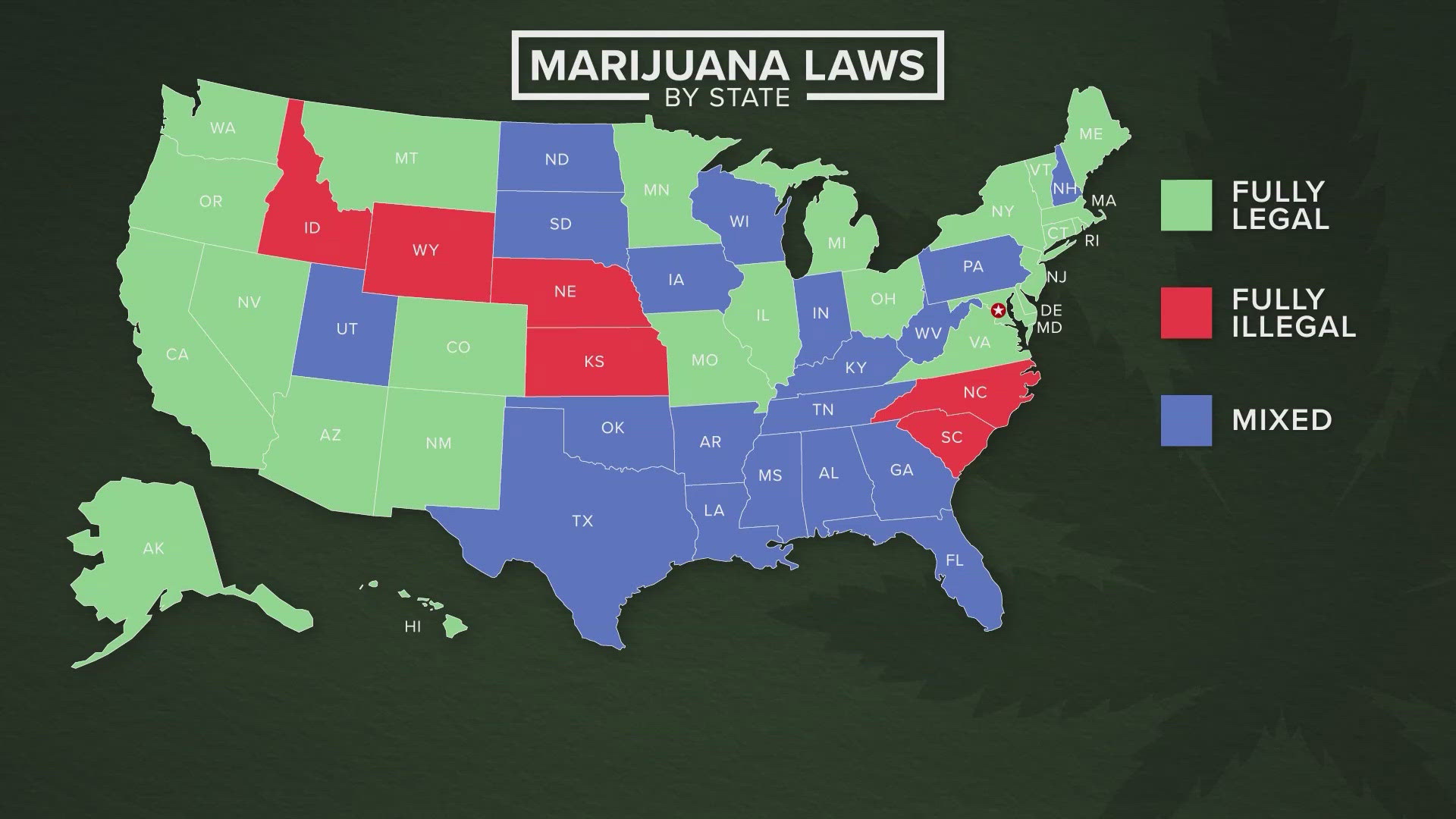
At the heart of Texas’s cannabis laws lies a crucial distinction between “marijuana” and “low-THC cannabis,” primarily based on the concentration of Delta-9 THC. Marijuana, as defined by Texas law, refers to cannabis plants or products that contain more than 0.3% Delta-9 THC on a dry weight basis. This form of cannabis remains largely illegal, classified as a Schedule I controlled substance. Possession of even small amounts can lead to misdemeanor charges, fines, and potential jail time, with penalties escalating significantly for larger quantities or intent to distribute. For travelers from states where recreational marijuana is legal, this can be a stark and potentially jarring difference. Bringing marijuana across state lines into Texas, even if legally purchased elsewhere, is a federal crime and illegal under state law, carrying severe consequences.
Conversely, “low-THC cannabis” or hemp, defined as cannabis plants or products containing 0.3% or less Delta-9 THC, was legalized through House Bill 1325 in 2019. This legislation brought Texas into compliance with the 2018 Federal Farm Bill, establishing a regulatory framework for hemp cultivation, processing, and sale. The intent was to support the hemp industry, allowing for the legal production of hemp-derived products, including CBD and certain other cannabinoids. This distinction is vital because it means that while products like CBD oil are widely available, a product’s legality hinges entirely on its Delta-9 THC concentration. Consumers are advised to purchase from reputable retailers who can provide third-party lab testing results to verify the Delta-9 THC levels.
The Emergence of Hemp-Derived Cannabinoids: Delta-8 and Beyond
Following the legalization of hemp, an interesting legal gray area emerged with the rise of various hemp-derived cannabinoids, most notably Delta-8 THC. Chemically similar to Delta-9 THC but typically less potent, Delta-8 THC is found in small concentrations in the cannabis plant and can be synthesized from CBD, which is abundant in hemp. Because Delta-8 THC products generally contain less than 0.3% Delta-9 THC, many retailers argued for their legality under the 2019 Texas hemp law. This led to a proliferation of Delta-8 THC products, including edibles, vapes, and tinctures, sold in convenience stores, smoke shops, and specialized dispensaries across the state.
However, the legal status of Delta-8 THC has been contentious. In 2021, the Texas Department of State Health Services (DSHS) attempted to classify Delta-8 THC as a Schedule I controlled substance, effectively making it illegal. This move sparked significant legal challenges from hemp businesses, resulting in a series of court battles. As of early 2024, Delta-8 THC and other similar hemp-derived cannabinoids (like Delta-10 THC or THC-O) remain in a precarious legal position, subject to ongoing litigation and potential legislative changes. While many stores continue to sell these products, their legality is not fully settled, and consumers should exercise caution. Travelers are strongly advised to monitor current news and legal updates concerning these specific cannabinoids, as their status can change rapidly.
Texas Compassionate Use Program (TCUP): A Glimmer of Medical Access
For those with qualifying medical conditions, Texas offers a very limited medical marijuana program known as the Texas Compassionate Use Program (TCUP). Established in 2015 and expanded incrementally, TCUP is one of the most restrictive medical cannabis programs in the United States. It allows registered physicians to prescribe low-THC cannabis (defined as cannabis with no more than 0.5% Delta-9 THC by weight, a slightly higher threshold than the general hemp definition but still very low) to patients suffering from specific debilitating medical conditions.
Initially, conditions covered were extremely narrow, primarily focusing on intractable epilepsy. Over time, the list has expanded to include multiple sclerosis, spasticity, autism, terminal cancer, and certain neurodegenerative diseases. However, even for qualifying patients, the program does not allow for smoking or vaping raw cannabis flower; instead, it focuses on oils, tinctures, and edibles. Patients must be permanent residents of Texas and have a qualifying condition as determined by a board-certified physician participating in the program. This means that out-of-state medical marijuana cards are not recognized, and travelers cannot legally obtain medical cannabis under TCUP. For tourists, the program has virtually no impact on their ability to access THC products, underscoring the strict regulations.
The Ubiquitous Presence of CBD
In stark contrast to other THC compounds, Cannabidiol (CBD) is broadly legal and widely available across Texas. As a non-intoxicating cannabinoid derived from hemp, CBD products containing less than 0.3% Delta-9 THC are legal for purchase, possession, and consumption. You can find CBD oils, edibles, topicals, and even pet products in various retail settings, from dedicated CBD shops to pharmacies and grocery stores. This widespread acceptance and availability reflect CBD’s classification as a dietary supplement or wellness product rather than a controlled substance. For travelers seeking the potential therapeutic benefits of cannabis without the psychoactive effects, CBD offers a readily accessible and legal option. When purchasing CBD, always ensure that the product is clearly labeled, comes from a reputable source, and ideally has third-party lab test results confirming its Delta-9 THC content to remain within legal limits.
Essential Travel Considerations for Visitors to Texas
Understanding the intricacies of Texas’s THC laws is critical for any traveler planning a visit. The legal landscape can be significantly different from what you might be accustomed to, and adherence to local regulations is non-negotiable for a hassle-free trip.
Navigating Different State Laws
A common pitfall for tourists is assuming that cannabis laws are uniform across the United States. This couldn’t be further from the truth. While some states have fully legalized recreational cannabis, and many more have extensive medical programs, Texas remains firmly in a more restrictive camp. Travelers arriving from states like California, Colorado, or Nevada, where recreational marijuana is legal, must be acutely aware that these freedoms do not extend into Texas. It is illegal to transport any cannabis product containing more than 0.3% Delta-9 THC across state lines, even if you possess a medical marijuana card from your home state. This applies whether you’re driving, flying, or using any other mode of transport. Federal law governs interstate travel, and cannabis remains illegal at the federal level, regardless of state laws. Therefore, any form of marijuana, even medical, should be left behind when planning your Texas adventure.
Responsible Consumption and Public Conduct
Even for legal hemp-derived products, responsible consumption is key. Public consumption of any cannabis product, including low-THC cannabis or Delta-8 THC, is generally prohibited in Texas. Just as with alcohol, there are strict laws against operating a vehicle while impaired. Driving under the influence of any substance, including legal cannabinoids if they cause impairment, can lead to severe penalties, including fines, license suspension, and potential jail time. Law enforcement officers are trained to recognize impairment, and roadside sobriety tests can be administered. It is always safest to consume any potentially intoxicating product in private, within the confines of your accommodation, and only if permitted by the property. Exercising discretion and respecting local norms will ensure a pleasant experience for everyone.
Understanding Accommodation Policies
When booking your stay in Texas, whether it’s a luxury resort, a boutique hotel, or a vacation rental, it’s crucial to understand the accommodation’s specific policies regarding cannabis use. While some properties might be lenient towards legal CBD products, most hotels and short-term rentals will have strict no-smoking policies, which often extend to vaping. Even if a particular hemp-derived product is legally compliant with Texas law (e.g., under 0.3% Delta-9 THC), its use might still be prohibited by the property’s rules. This is especially true for products that produce a noticeable odor. Always check with the hotel or rental host beforehand if you intend to use any cannabis-related products. Disregarding these policies can lead to fines, eviction, or even legal trouble. It’s always best to err on the side of caution and prioritize respectful compliance with your chosen accommodation’s guidelines.
Discovering Texas: Iconic Destinations and Culinary Delights
Beyond the legal considerations, Texas is an immense state brimming with diverse landscapes, rich history, and vibrant culture, offering unparalleled experiences for every type of traveler. From historic landmarks to modern urban attractions, there’s no shortage of adventures waiting to be explored.
Major Metropolises and Historic Sites
Texas boasts some of the largest and most dynamic cities in the United States, each offering a unique flavor. Dallas, a cosmopolitan hub, is renowned for its impressive skyline, world-class museums like the Dallas Arts District, and upscale shopping. Houston, a global center for energy, aerospace, and healthcare, offers incredible diversity, home to the NASA Johnson Space Center and a thriving culinary scene.
For a journey back in time, San Antonio is a must-visit. It’s where you’ll find the iconic Alamo, a symbol of Texas independence, and the picturesque Riverwalk, a network of pedestrian pathways lined with shops, restaurants, and hotels along the San Antonio River. Meanwhile, Austin, the state capital, is celebrated as the “Live Music Capital of the World,” offering an eclectic blend of music venues, vibrant nightlife, and a quirky, independent spirit. Here, you can also tour the magnificent Texas State Capitol building, a true architectural marvel. Each city provides ample opportunities for luxurious stays, budget-friendly hotels, and unique apartment rentals to suit any travel style.
Nature’s Grandeur and Unique Experiences
Beyond the urban centers, Texas’s natural beauty is breathtaking and incredibly varied. The rugged desert landscapes of West Texas are home to Big Bend National Park, a remote wilderness area offering stunning mountain views, vast canyons, and incredible stargazing opportunities. In Central Texas, the Texas Hill Country beckons with its rolling hills, charming small towns, vineyards, and refreshing swimming holes. The Gulf Coast offers sandy beaches and opportunities for fishing and water sports.
For those seeking unique experiences, explore the historic Stockyards National Historic District in Fort Worth to witness a daily cattle drive, or delve into the art scene of Marfa, a small desert town famous for its minimalist art installations and mysterious “Marfa lights.” The possibilities for adventure, relaxation, and cultural immersion are limitless, ensuring that your travel itinerary is packed with unforgettable moments.
A Taste of Texas: Culinary Journeys
No visit to Texas is complete without indulging in its legendary culinary scene. The state is world-famous for its barbecue, with distinct regional styles found across the state. From slow-smoked brisket in Central Texas to spicy ribs in East Texas, a BBQ trail is a must for any food enthusiast. Equally iconic is Tex-Mex cuisine, a delicious fusion of traditional Mexican flavors with American influences, featuring dishes like sizzling fajitas, cheesy enchiladas, and crispy tacos.
Beyond these staples, Texas’s major cities offer a sophisticated and diverse dining landscape, with award-winning restaurants serving everything from haute cuisine to international street food. Austin’s food truck scene is legendary, while Houston’s ethnic diversity translates into an incredible array of authentic global flavors. Whether you’re seeking a five-star dining experience, a casual diner, or a lively food market, Texas promises a culinary journey that’s as rich and varied as its landscapes.
Looking Ahead: The Future of Cannabis Legislation in Texas
The discussion around cannabis reform in Texas is ongoing and often passionate, reflecting a nationwide trend towards reevaluating marijuana laws. While the state remains conservative, there are consistent legislative efforts and public debates regarding potential changes. These discussions typically revolve around several key areas:
Firstly, decriminalization of marijuana possession is a recurring topic. Proponents argue that treating small amounts of cannabis possession as a misdemeanor rather than a felony could free up law enforcement resources, reduce incarceration rates, and mitigate the disproportionate impact on certain communities. Some cities in Texas, like Austin, have already adopted “cite and release” policies or significantly reduced penalties for low-level marijuana offenses, reflecting a shift in local attitudes.
Secondly, there’s a strong push to expand the Texas Compassionate Use Program. Advocates for medical cannabis seek to include more qualifying conditions, increase the allowable THC cap for patients, and potentially allow for broader forms of consumption, such as whole-plant medical marijuana. This would bring Texas more in line with the medical cannabis programs of other states.
Finally, while recreational marijuana legalization faces significant hurdles in the Texas legislature, it is a topic that continues to gain traction among certain segments of the population and political groups. The economic benefits observed in states that have legalized recreational cannabis, particularly through tax revenue, are often cited in these discussions. However, the state’s prevailing conservative political climate means that full recreational legalization is likely a long-term prospect rather than an imminent change.
For travelers, these ongoing debates mean that the legal landscape around THC in Texas is not static. While significant changes may not occur overnight, staying informed about legislative developments is a good practice, especially if you plan frequent visits. Any future changes could impact everything from product availability to how visitors need to navigate their journey responsibly.
Planning Your Responsible Texas Adventure
In conclusion, “Is THC legal in Texas?” carries a nuanced answer. While marijuana with high Delta-9 THC content remains largely illegal, hemp-derived products containing less than 0.3% Delta-9 THC (like CBD) are legal and widely available. The status of other hemp-derived cannabinoids like Delta-8 THC is subject to ongoing legal challenges, making caution advisable. The Texas Compassionate Use Program offers limited medical access for specific conditions to Texas residents only.
For any visitor planning to explore the vastness of Texas, the most important takeaway is to stay informed and respect local laws. Do not assume that laws from other states apply in Texas, and never transport illegal substances across state lines. Purchase any legal hemp products from reputable sources that provide lab testing to verify their compliance with the 0.3% Delta-9 THC limit. Always consume responsibly, privately, and in accordance with your accommodation’s policies.
With its iconic cities, breathtaking natural parks, rich history, and world-class cuisine, Texas offers an unparalleled travel experience. By understanding and adhering to the state’s unique legal framework regarding THC, you can ensure your focus remains on enjoying all the incredible attractions and authentic experiences the Lone Star State has to offer, making your trip safe, legal, and unforgettable. Enjoy your responsible adventure through Texas!
LifeOutOfTheBox is a participant in the Amazon Services LLC Associates Program, an affiliate advertising program designed to provide a means for sites to earn advertising fees by advertising and linking to Amazon.com. Amazon, the Amazon logo, AmazonSupply, and the AmazonSupply logo are trademarks of Amazon.com, Inc. or its affiliates. As an Amazon Associate we earn affiliate commissions from qualifying purchases.