
The question of whether the Boston Marathon bomber is still alive touches upon a deeply traumatic chapter in the modern history of Boston, a city renowned for its rich heritage and enduring spirit. On April 15, 2013, the finish line of one of the world’s most iconic road races was transformed from a scene of athletic triumph into one of unimaginable horror. This event, and the subsequent manhunt and legal proceedings, etched itself into the city’s collective memory, forever altering how the landmark event is perceived and remembered. To understand the present status of the individual responsible, it’s essential to revisit the events that unfolded and the extensive legal process that followed, underscoring the resilience of Boston as a landmark of American fortitude.

The Day That Shook Boston: A Historical Scar
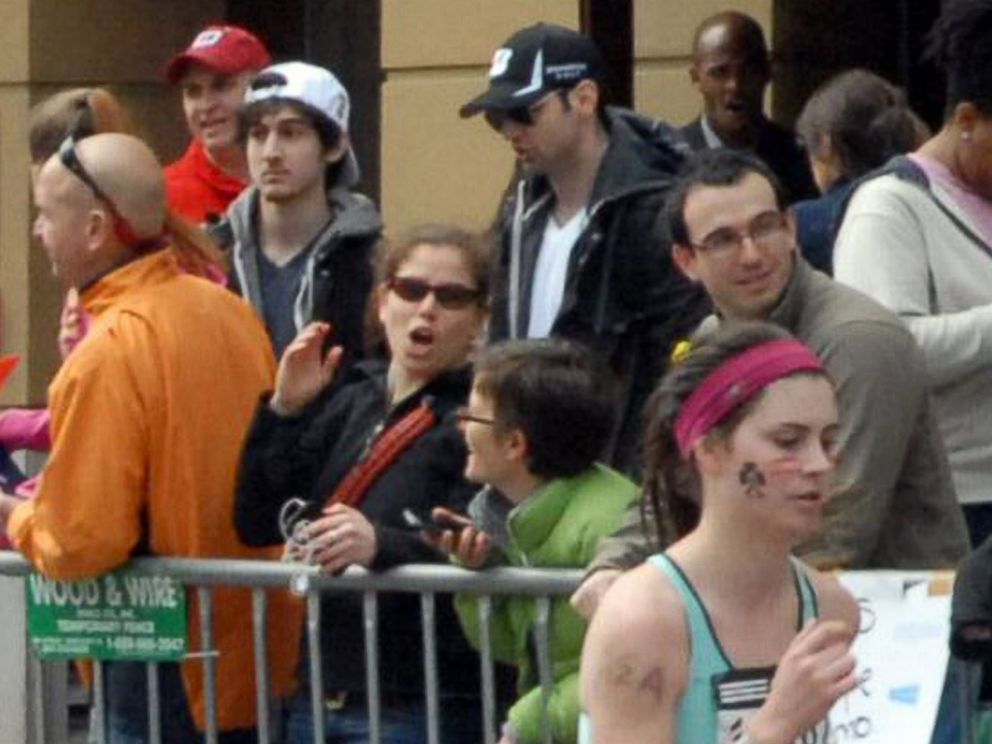
The Boston Marathon bombing represented a stark violation of a cherished annual tradition, a vibrant public gathering that draws participants and spectators from across the globe to Boston’s historic streets. The explosions, set off near the finish line on Boylston Street, claimed three lives directly, including an 8-year-old boy, and injured hundreds more, many of whom suffered life-altering injuries. The attack introduced a new layer of vigilance and grief to the city, challenging its open, communal spirit. This tragic day immediately became a pivotal point in Boston’s long history, joining other significant moments in its narrative.
The immediate aftermath saw an outpouring of international support, demonstrating the shared human response to such acts of violence. The city, known for its Revolutionary War landmarks and academic institutions, became a symbol of unity and defiance. First responders, medical professionals, and ordinary citizens exhibited extraordinary bravery, transforming the chaos into an impromptu rescue operation. The event underscored the vulnerability of public spaces but also highlighted the incredible capacity for human kindness and solidarity in the face of adversity. For those who visit Boston today, the memory of April 15, 2013, remains a poignant, albeit unofficial, landmark, influencing memorials and public discourse.
The City’s Response and “Boston Strong”
In the days and weeks following the attack, Boston coalesced around the slogan “Boston Strong.” This phrase transcended mere words, becoming a powerful symbol of community, resilience, and unwavering spirit. It represented the city’s collective refusal to be defined by terror and its determination to heal and move forward. This ethos permeated every corner of the city, from the historic Boston Public Library overlooking Copley Square to the diverse neighborhoods that make up the metropolitan area. The annual marathon, an institution since 1897, itself became a monument to perseverance, with subsequent races serving as powerful demonstrations of resolve and remembrance.
The Manhunt and Capture: Securing Justice
The investigation into the bombings was swift and intense, involving a massive collaboration between local, state, and federal law enforcement agencies. Within days, the suspects were identified as brothers Tamerlan Tsarnaev and Dzhokhar Tsarnaev. The pursuit of these individuals led to an unprecedented lockdown of Boston and its surrounding communities, a period that showcased the unified action of authorities and the cooperation of millions of residents.
A City Under Siege
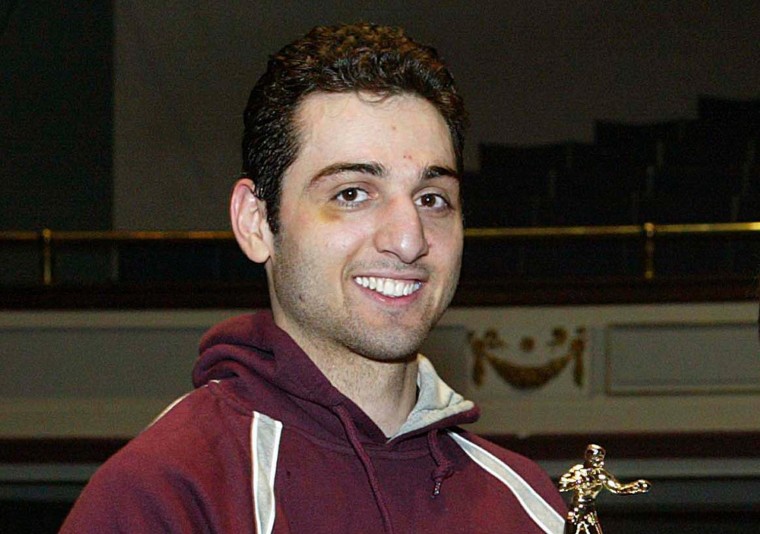
The manhunt reached its dramatic climax on April 19, 2013. The chase began with the murder of an officer from the Massachusetts Institute of Technology (MIT) campus police, followed by a violent confrontation in Watertown, a suburb of Boston. During this intense firefight, Tamerlan Tsarnaev was killed, and a transit officer was severely injured. The younger brother, Dzhokhar Tsarnaev, managed to escape, triggering a massive shelter-in-place order across Boston and several adjacent towns. Public transportation, including the MBTA system, was halted, and streets were deserted, presenting an eerie, historic tableau.
The lockdown was lifted after a day-long search, culminating in Dzhokhar Tsarnaev’s discovery and capture in a boat in a Watertown backyard. His apprehension brought a collective sigh of relief and a surge of pride in the city’s ability to overcome such a profound challenge. This moment, broadcast live across the nation, became another significant historical marker, signifying the restoration of peace and justice in the heart of Massachusetts. The events of those four days are now an integral part of Boston’s historical narrative, discussed in various tours and commemorations.
The Legal Journey and Present Status
Following his capture, Dzhokhar Tsarnaev was charged with 30 federal counts, including conspiracy and use of a weapon of mass destruction resulting in death. His trial, which began in early 2015 in Boston, was a highly anticipated and emotionally charged proceeding, bringing the raw pain of the attack back to the forefront.
Conviction and Sentencing
In April 2015, a federal jury found Dzhokhar Tsarnaev guilty on all 30 counts. A month later, in the penalty phase of the trial, the jury recommended the death penalty for 6 of the 17 capital charges. On June 24, 2015, U.S. District Judge George A. O’Toole Jr. formally sentenced Dzhokhar Tsarnaev to death by lethal injection. This ruling placed him on federal death row.
The Appeals Process
The question of “Is the Boston Marathon bomber still alive?” directly pertains to the ongoing legal battles surrounding his sentence. As with all death penalty cases in the United States, Dzhokhar Tsarnaev’s conviction and sentence have been subject to a lengthy appeals process.
In July 2020, the First Circuit Court of Appeals vacated Tsarnaev’s death sentence, citing concerns over jury selection and the exclusion of evidence regarding his older brother’s alleged influence. This decision sent the case back to the district court for a new penalty phase. However, this ruling was challenged by the government, leading the case to the highest court in the land.
In March 2022, the United States Supreme Court reversed the First Circuit Court of Appeals’s decision, reinstating Dzhokhar Tsarnaev’s death sentence. The Supreme Court found that the trial judge acted within his discretion in jury selection and the exclusion of the evidence in question.
Therefore, to definitively answer the question: Yes, Dzhokhar Tsarnaev, the Boston Marathon bomber, is still alive. He remains on federal death row at the ADX Florence supermax prison in Colorado, awaiting the execution of his sentence. Further appeals, though narrower in scope, are still possible through other legal avenues, such as habeas corpus petitions, which could prolong the process for years.
Boston’s Enduring Legacy: A Landmark of Resilience
The memory of the Boston Marathon bombing and the legal saga of Dzhokhar Tsarnaev are undeniable parts of Boston’s modern history. Yet, the city’s character remains defined not by the tragedy, but by its extraordinary resilience. Boston continues to be a vibrant center of innovation, culture, and sports, its historical landmarks standing tall as testaments to centuries of challenges overcome.
The Boston Marathon itself has reclaimed its place as a symbol of human endurance and triumph, with each year’s race serving as a powerful reaffirmation of life and community. Memorials near the finish line offer a place for quiet reflection, ensuring that the victims are remembered, and the city’s unwavering spirit is celebrated. These sites, though not grand architectural marvels, have become profound landmarks of memory and hope, telling a story not of terror, but of an enduring will to thrive. Boston’s response to this horrific event serves as a powerful reminder that while history can leave scars, it also forges an unbreakable spirit.
LifeOutOfTheBox is a participant in the Amazon Services LLC Associates Program, an affiliate advertising program designed to provide a means for sites to earn advertising fees by advertising and linking to Amazon.com. Amazon, the Amazon logo, AmazonSupply, and the AmazonSupply logo are trademarks of Amazon.com, Inc. or its affiliates. As an Amazon Associate we earn affiliate commissions from qualifying purchases.