
The question of whether the California Central Valley boasts volcanic soil is a fascinating one, touching upon the region’s geological history, its agricultural prowess, and the unique characteristics that define its famous landscapes. While the image of fiery volcanoes erupting and shaping the land might immediately spring to mind, the reality of the Central Valley’s geological origins is more nuanced. This vast, fertile basin, stretching for over 450 miles from the Shasta Valley in the north to the Tehachapi Mountains in the south, owes its rich soil to a complex interplay of geological processes, including ancient volcanic activity, but also significant erosion and deposition from surrounding mountain ranges.

Unpacking the Geological Tapestry
To understand the soil composition of the California Central Valley, we must delve into the forces that sculpted it over millions of years. The region is not a monolithic geological entity; rather, it is a product of tectonic forces, erosion, and sedimentation.
The Influence of the Sierra Nevada and Coast Ranges
The Central Valley is cradled by two major mountain ranges: the mighty Sierra Nevada to the east and the Coast Ranges to the west. These ranges have been the primary source of the sediments that have accumulated to form the valley floor. Over eons, weathering and erosion have broken down the rocks of these mountains, carrying vast quantities of soil, sand, silt, and clay down into the basin through the many rivers and streams that drain these highlands.
The Sierra Nevada, in particular, is a geological marvel. Its eastern edge is characterized by a dramatic fault scarp, suggesting significant uplift. The rocks found here are a mix of ancient metamorphic and igneous formations, including granitic intrusions. As these rocks have been eroded, they have contributed a diverse mineral content to the valley’s sediments.
The Coast Ranges, on the other hand, are geologically younger and more complex, formed by the collision of tectonic plates. Their composition includes a wider array of sedimentary and volcanic rocks, some of which have themselves been influenced by past volcanic events. The sediments washed down from these ranges add another layer of complexity to the valley’s soil profile.
The Role of Ancient Volcanic Activity
While the Central Valley itself is not a currently active volcanic caldera or a region dominated by recent lava flows, its geological past is intertwined with volcanism. Millions of years ago, volcanic activity was more prevalent in and around the regions that now form California. Evidence of this can be found in the older geological formations beneath the valley floor and in the source rocks of some of the sediments that have been deposited.
Ancient Eruptions and Their Legacy
The Cascade Range, to the north of California, is a prominent volcanic arc that has been active for millions of years, with peaks like Mount Shasta and Lassen Peak being well-known examples. While these volcanoes are geographically distinct from the Central Valley, their ash and volcanic debris have, over immense timescales, been transported by wind and water, contributing to the geological makeup of the region. Furthermore, ancient volcanic rocks are present in the uplifted flanks of the Sierra Nevada and Coast Ranges, meaning that the erosion of these mountains inevitably carries volcanic minerals and fragments into the valley.
The presence of certain mineral compositions, such as feldspars and mafic minerals (rich in iron and magnesium), found in the Central Valley soils can be indicative of this volcanic heritage. These minerals, derived from the breakdown of volcanic rocks, contribute to the soil’s fertility and its capacity to support a wide array of crops. However, it’s crucial to distinguish between soils that are derived from volcanic parent material and soils that are directly formed by volcanic deposition within the valley itself. The latter is far less common in the Central Valley compared to regions like Hawaii or parts of the Pacific Northwest.
Soil Formation: A Symphony of Processes
Soil is not simply pulverized rock; it is a dynamic, living entity formed through a complex series of processes. In the California Central Valley, these processes have created some of the most productive agricultural land in the world.
Weathering and Parent Material
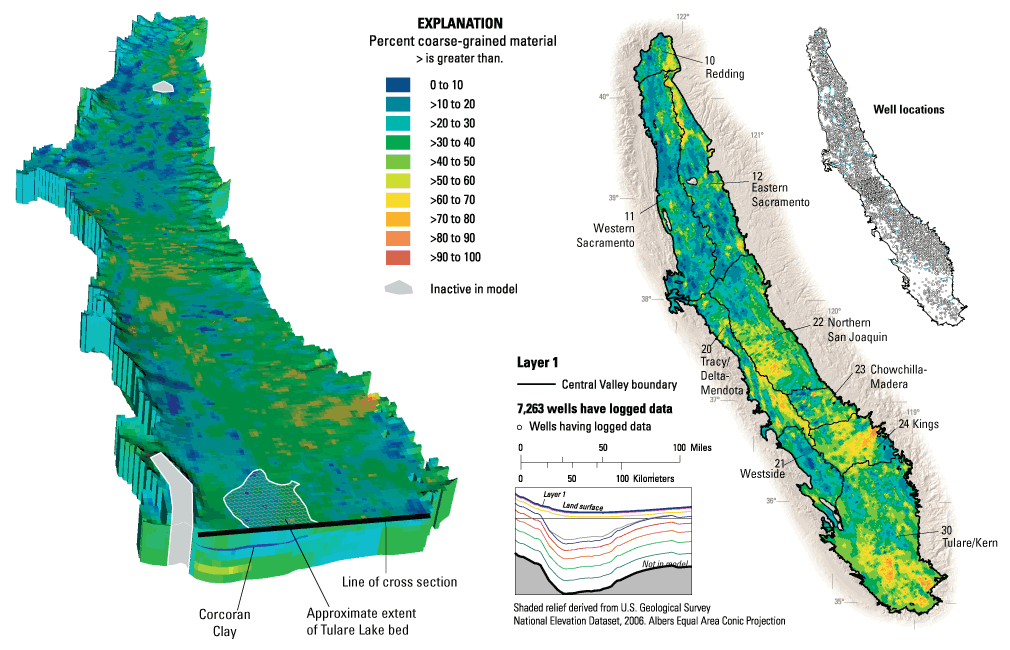
The bedrock of the Central Valley is composed of various geological materials, including sedimentary rocks, older volcanic rocks, and metamorphic rocks. As mentioned, the primary source of the valley’s topsoil has been the erosion of the Sierra Nevada and Coast Ranges. This “parent material” dictates the initial mineral composition of the soil. The breakdown of these rocks through physical (e.g., temperature changes, water) and chemical (e.g., acid reactions) weathering processes releases essential nutrients.
Climate’s Hand in Soil Development
The Mediterranean climate of California, characterized by hot, dry summers and mild, wet winters, plays a significant role in soil formation. The dry periods can lead to the accumulation of salts in the soil, a characteristic of some valley soils, particularly in low-lying areas. The wet winters, however, facilitate leaching and the movement of minerals through the soil profile. The organic matter content is also influenced by the climate, with decomposition rates varying seasonally.
The Role of Topography and Drainage
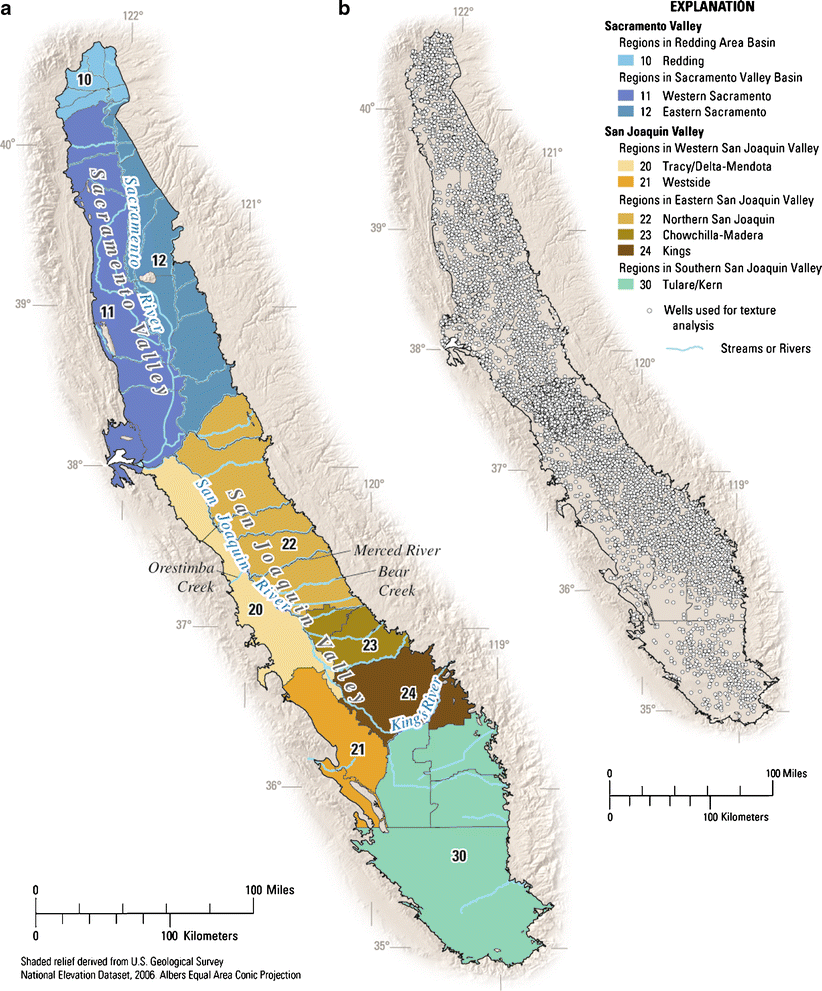
The flat to gently undulating topography of the Central Valley is crucial for its agricultural productivity. This topography allows for efficient irrigation and reduces soil erosion compared to steeper slopes. However, variations in elevation and drainage patterns can lead to differences in soil types. Low-lying areas, prone to waterlogging, may develop hydric soils, while higher, well-drained areas will have more typical alluvial soils. The complex network of rivers, such as the Sacramento River and the San Joaquin River, act as natural conduits, transporting sediments and shaping the valley’s fertile plains.
Agricultural Significance: The Fruits of the Valley
The California Central Valley is renowned globally for its agricultural output, producing over 400 different crops and accounting for a quarter of the nation’s food. This extraordinary productivity is directly linked to the quality of its soils, even if they aren’t exclusively “volcanic” in the most direct sense.
Alluvial Soils: The Heart of Fertility
The vast majority of the Central Valley’s agricultural soils are alluvial. These are soils formed from sediments deposited by rivers and streams over vast periods. Alluvial soils are typically rich in a diverse range of minerals, including those derived from the erosion of both granitic and volcanic rocks from the surrounding mountains. This diverse mineralogy provides a broad spectrum of essential nutrients for plant growth.
These soils often have a fine texture, with a good balance of sand, silt, and clay, which contributes to their excellent water-holding capacity and aeration. The organic matter content, enriched by decaying plant and animal material over centuries, further enhances their fertility and structure.
Characteristics and Limitations
While incredibly fertile, the Central Valley soils are not without their challenges. The arid to semi-arid climate can lead to salinity issues in some areas, requiring careful water management. In other locations, the soils might be heavy clay, which can impede drainage and require specific cultivation techniques.
The presence of what geologists refer to as “old volcanic ash deposits” or “volcanic glass fragments” in certain soil horizons, particularly in the northern and eastern parts of the valley, can be a direct link to past volcanic events. These materials, though ancient, can contribute to soil structure and nutrient availability. For example, the breakdown of volcanic glass can release silica and other minerals.
Distinguishing Volcanic Soil from Volcanically-Influenced Soil
It is essential to differentiate between “volcanic soil” in the sense of land formed directly by lava flows or volcanic ash deposits from recent eruptions, and soils that have been influenced by ancient volcanic activity through the erosion of volcanic parent material. The California Central Valley falls predominantly into the latter category. The richness of its soils is a testament to the long geological history of the Sierra Nevada and Coast Ranges, which have carried a complex mix of minerals, including those originating from ancient volcanic sources, down to create this unparalleled agricultural breadbasket.
In conclusion, while the California Central Valley may not be a land of active volcanoes, its soils are undeniably shaped by a long and diverse geological past, one that includes the significant, albeit indirect, influence of volcanic activity from surrounding mountain ranges and ancient regional volcanism. This intricate geological tapestry, combined with the region’s climate and topography, has gifted the Central Valley with soils of exceptional fertility, making it a cornerstone of global food production and a vital natural resource.
LifeOutOfTheBox is a participant in the Amazon Services LLC Associates Program, an affiliate advertising program designed to provide a means for sites to earn advertising fees by advertising and linking to Amazon.com. Amazon, the Amazon logo, AmazonSupply, and the AmazonSupply logo are trademarks of Amazon.com, Inc. or its affiliates. As an Amazon Associate we earn affiliate commissions from qualifying purchases.