
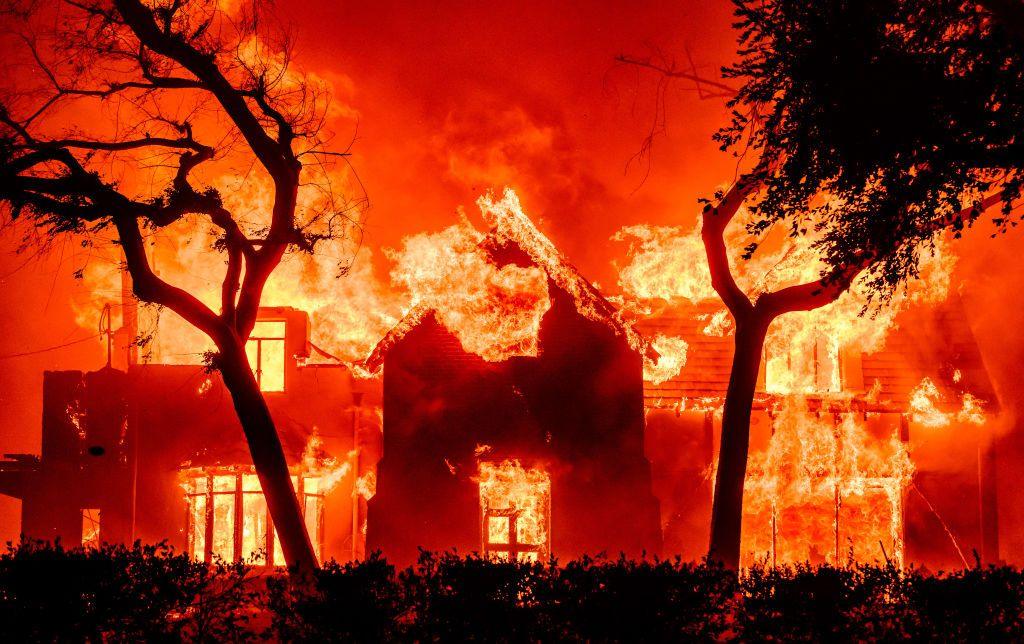
California, the Golden State, beckons millions of travelers each year with its stunning landscapes, vibrant cities, and unparalleled lifestyle experiences. From the sun-kissed beaches of San Diego to the majestic peaks of Yosemite National Park, and the iconic urban sprawl of Los Angeles and San Francisco, California offers an endless tapestry of adventures. However, recent years have brought an increasing awareness of wildfires, prompting potential visitors to ask a crucial question: “Is the California fire contained?” This query goes beyond mere news headlines for those planning their next vacation; it delves into concerns about safety, air quality, travel logistics, and the overall experience of exploring this diverse state.

For travel enthusiasts, hoteliers, and the broader tourism industry, understanding the reality of wildfires in California is paramount. It’s not just about a single fire being contained; it’s about comprehending a dynamic situation that impacts travel plans, local economies, and the preservation of cherished landmarks. This article aims to provide a comprehensive guide for navigating travel to California in an era where wildfires are an unfortunate, yet manageable, consideration, ensuring that your journey remains as breathtaking as you envisioned.
Navigating Travel to California Amidst Wildfire Concerns
The allure of California remains undiminished, but an informed approach is key for travelers. Wildfires, while often localized, can cast a wide shadow, affecting air quality, road closures, and access to certain areas. However, it’s crucial to understand that California is a vast state, and a fire in one region does not typically impact the entire state. The question of containment is dynamic, with fire conditions changing rapidly. Therefore, a proactive stance on information gathering is the first step towards a worry-free trip.
Understanding Fire Season and its Geographic Scope
California’s fire season generally runs from late spring through late autumn, peaking in late summer and early fall due to dry vegetation, high temperatures, and strong winds. However, climate change has seen this period extend, making year-round vigilance necessary in some areas. It’s important to remember that wildfires typically occur in wildland-urban interface areas, often in forested or brush-heavy regions, rather than in the heart of major metropolitan tourist centers. For example, while areas near Yosemite National Park or the Napa Valley wine country might be susceptible, major cities like Los Angeles or San Francisco are rarely directly threatened by the flames, though they might experience smoke impacts.
Popular coastal destinations such as Santa Barbara, Big Sur, or the Mendocino Coast also have varying levels of risk depending on their proximity to wildlands. Destinations like Palm Springs, known for its desert climate, face different fire dynamics, often related to desert scrub and wind. Even within a county, risk levels can differ significantly. For instance, Sonoma County has vast stretches of vineyards and coastline, but also mountainous areas prone to fire. Travelers should focus their research on the specific regions they intend to visit rather than making assumptions about the entire state.
Prioritizing Safety: Resources for Travelers
The safety of visitors and residents is always the top priority. California has robust emergency services and communication systems. Before and during your trip, leverage official resources for the most accurate and up-to-date information. CalFire (the California Department of Forestry and Fire Protection) provides real-time fire incident maps and containment percentages. The National Wildfire Coordinating Group (NWCG) offers further insights into large incidents. Air quality can be monitored through sites like AirNow.gov, which provide localized readings, crucial for those with respiratory sensitivities or for planning outdoor activities.
Travelers should also subscribe to local emergency alerts for the specific counties they are visiting. Many California State Parks and National Parks (such as Sequoia National Park, Joshua Tree National Park, or Death Valley National Park) have their own alert systems and often post updates on their websites regarding closures or advisories. If you’re considering a road trip along the scenic Pacific Coast Highway, check Caltrans for road closures and conditions. Many tour operators and hotel groups, from the luxurious Ritz-Carlton, Laguna Niguel to charming boutique hotels in Carmel-by-the-Sea, also keep their guests informed and often have flexible cancellation policies during fire events. It’s always wise to have travel insurance that covers fire-related disruptions.
The Impact on California’s Iconic Destinations and Accommodation
Wildfires undoubtedly pose a challenge, but California’s tourism infrastructure and natural wonders are remarkably resilient. The industry adapts, and communities unite to protect and restore what makes the state so special. Understanding this adaptability helps travelers make informed choices.
Safeguarding Natural Wonders and Cultural Landmarks
The concern for California’s precious landmarks is profound. Efforts to protect iconic sites are extensive, involving strategic firefighting and mitigation measures. While areas like parts of Redwood National Park or the ancient sequoia groves in Sequoia National Park have faced threats, dedicated teams work tirelessly to prevent irreparable damage. Even within large parks, specific areas might be affected while others remain open and pristine. For instance, while parts of Lassen Volcanic National Park might experience fire activity, other sections of the park could remain accessible.

Cultural landmarks, such as the Golden Gate Bridge in San Francisco, the Hollywood sign in Los Angeles, or the Getty Center with its invaluable art collections, are typically located in urban or suburban environments that are less directly vulnerable to wildland fires. The main concern for these attractions would be smoke impacting visibility or air quality on certain days. Theme parks like Disneyland Resort in Anaheim or Universal Studios Hollywood continue to operate, implementing measures to ensure guest comfort and safety, including air filtration systems if smoke is present. The vibrancy of destinations like Beverly Hills or the waterfront of Long Beach remains largely unaffected, offering the luxury and experiences travelers seek.
Hotel Stays and Tourism: Adaptability and Resilience
The accommodation sector in California demonstrates remarkable resilience. Hotels, resorts, apartments, and villas across the state are well-versed in managing potential disruptions. Major hotel chains like the Marriott Marquis San Francisco or luxury properties such as the Waldorf Astoria Beverly Hills and Four Seasons Resort Santa Barbara have protocols in place, ranging from enhanced air purification systems to flexible booking policies. Many boutique hotels, such as the Inn at the Presidio in San Francisco or The Lodge at Torrey Pines in San Diego, also prioritize guest safety and comfort, offering up-to-date local information.
In areas directly or indirectly impacted by fires, hotels often become temporary havens for displaced residents and emergency personnel, highlighting their crucial role in community support. For travelers, this means that even if a specific area experiences an incident, the broader accommodation network remains robust. Booking platforms provide real-time availability, and direct communication with hotels can offer peace of mind. Many resorts in Lake Tahoe or Ojai have invested in fire-resistant landscaping and infrastructure to minimize risks, ensuring that guests can continue to enjoy their amenities and experiences. The tourism boards for cities like Ventura, Santa Cruz, and Malibu actively communicate with potential visitors, providing clear guidance on what to expect and where to go.
Planning Your California Getaway: Tips for Responsible Tourism
With proper planning and a commitment to responsible tourism, a trip to California can be incredibly rewarding, even during fire season. The focus shifts from merely asking “Is the fire contained?” to understanding how to travel thoughtfully and contribute positively to the state and its communities.
Supporting Local Communities Post-Fire
When a fire is contained and an area is safe to visit, the best way to support California is to visit and spend your travel dollars locally. Tourism plays a vital role in the economic recovery of affected communities. This means staying in local hotels, dining at local restaurants, visiting wineries in Napa Valley or Sonoma County that have reopened, and purchasing from local businesses. Engaging in local culture and activities, whether it’s exploring the historic state capital of Sacramento, strolling through downtown Pasadena, or taking a ferry to Catalina Island, directly contributes to the livelihoods of residents and helps rebuild the local economy.
Consider volunteer opportunities if you have the time, or simply choose tour operators and businesses that demonstrate a commitment to sustainable practices and community welfare. Many organizations focus on reforestation and environmental restoration post-fire, and supporting them, directly or indirectly, can be part of a meaningful travel experience.
Exploring Beyond Affected Areas
One of the greatest strengths of California as a travel destination is its sheer diversity and vastness. If one area is impacted, countless other stunning regions remain open and welcoming. Travelers can pivot their plans to explore alternative destinations that offer similar experiences or entirely new ones.
For example, if certain mountain regions are closed, consider coastal drives, city escapes, or desert adventures. Instead of visiting a specific national park, explore another, or delve into the vibrant arts scene of San Jose, the historical charm of Sacramento, or the iconic beachfront of Santa Cruz. The Hotel del Coronado in San Diego offers a completely different vibe than a mountain lodge, and both provide quintessential California experiences.
Luxury travel, budget travel, family trips, or business stays – all can be planned by carefully selecting regions less prone to or unaffected by current fire activity. This approach not only ensures a smooth trip but also helps distribute tourism, preventing overcrowding in popular alternative spots and supporting a broader range of communities.
A Future of Resilient Travel in the Golden State
The question “Is the California fire contained?” will likely remain a relevant consideration for travelers for the foreseeable future. However, it should not deter you from experiencing the unparalleled beauty and diverse offerings of the Golden State. Instead, it invites a more conscious, informed, and responsible approach to travel.
California’s commitment to fire prevention, suppression, and ecological restoration is ongoing. The tourism industry, from the grandest resorts to the smallest local B&Bs, is adapting with innovative solutions to ensure guest safety and memorable experiences. By utilizing reliable information sources, respecting local guidelines, and choosing to support communities responsibly, travelers can continue to explore California’s majestic landscapes, vibrant cities, and rich cultural tapestry. The state’s spirit of resilience, innovation, and natural splendor continues to shine through, promising unforgettable journeys for every visitor.
LifeOutOfTheBox is a participant in the Amazon Services LLC Associates Program, an affiliate advertising program designed to provide a means for sites to earn advertising fees by advertising and linking to Amazon.com. Amazon, the Amazon logo, AmazonSupply, and the AmazonSupply logo are trademarks of Amazon.com, Inc. or its affiliates. As an Amazon Associate we earn affiliate commissions from qualifying purchases.