
The allure of the Golden State is undeniable, with its stunning coastline, majestic mountains, bustling cities, and vibrant cultural scene. From the sun-drenched beaches of Southern California to the Redwood forests of the north, California offers an unparalleled tapestry of destinations for every kind of traveler. However, in recent years, conversations around visiting California have often been shadowed by concerns about wildfires. For prospective visitors planning their next adventure, a fundamental question emerges: “Is the California fire season over, and is it safe to travel?”
The answer, like much of California’s diverse landscape, is nuanced. Wildfires are a natural, albeit increasingly intense, part of the state’s ecosystem. While major, highly publicized fire incidents may capture headlines, the idea of the “fire” being definitively “over” isn’t as simple as turning a switch. It’s an ongoing cycle, with seasons of heightened risk and periods of recovery. This article aims to provide a comprehensive guide for travelers, offering clarity on the current situation, insights into safe and responsible travel planning, and highlighting the enduring beauty and hospitality that await visitors in the Golden State. We’ll explore how the state manages these challenges, what travelers should consider when planning their trips, and how they can still enjoy the myriad experiences California has to offer, from luxurious resorts to serene nature retreats.
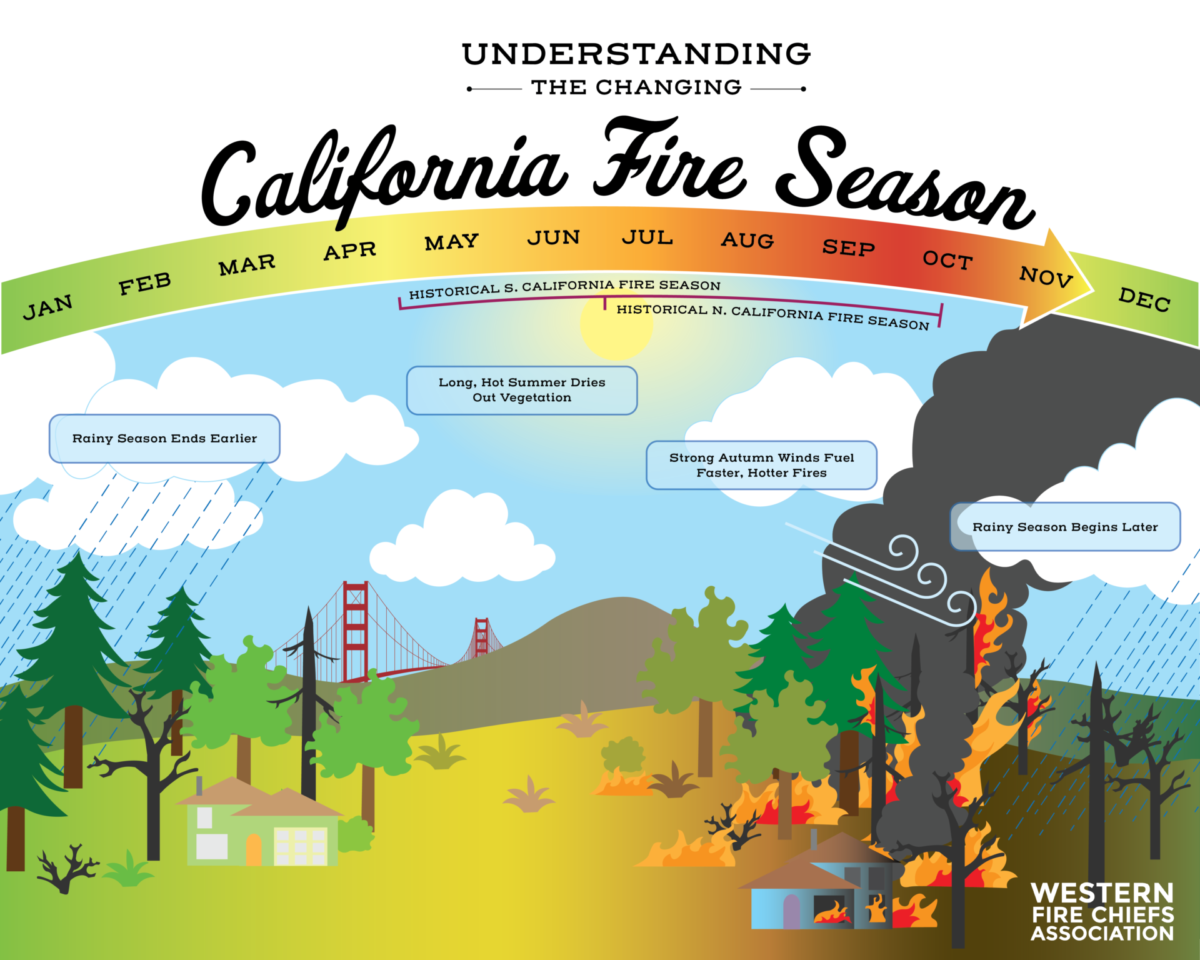
Navigating the Golden State: Understanding California’s Current Landscape
For many, the image of California is intertwined with scenes of wildfires, leading to understandable apprehension among potential tourists. However, it’s crucial to understand the state’s geographical scale and the seasonal nature of these events. California is vast, covering over 163,000 square miles, meaning that a fire in one region rarely impacts the entire state. Furthermore, significant progress has been made in fire management, prevention, and recovery efforts, allowing much of the state to remain open and welcoming to tourism even during peak fire seasons.
A Season of Recovery: The Ongoing Situation
While the concept of the “fire season” generally peaks during the drier, hotter months, typically from late spring through late autumn, it’s more accurate to consider it an annual cycle that California actively manages. After periods of significant fire activity, many affected areas enter a phase of ecological and community recovery. This recovery can involve reforestation, erosion control, and rebuilding infrastructure, including hotels and attractions. It’s a testament to the resilience of [California](https://lifeoutofthebox.com/california]’s communities and natural landscapes that many regions bounce back with renewed vigor, often showcasing unique natural beauty in their regeneration.
Travelers should bear in mind that local conditions can change, and it’s always advisable to consult official sources. Organizations like CalFire provide up-to-date information on active fires, containment, and warnings. While the immediate threat of a major fire might subside, the long-term impact on certain natural areas can persist, affecting trail closures or specific landmarks. However, the vast majority of California’s popular tourist destinations, from the vibrant cityscapes of Los Angeles and San Francisco to the serene shores of the Pacific Ocean, remain largely unaffected and fully operational.
Air Quality and Public Health Considerations for Travelers
One of the most widespread impacts of wildfires, even for areas not directly threatened by flames, is the degradation of air quality due to smoke. This is a legitimate concern for travelers, particularly those with respiratory sensitivities. The good news is that air quality conditions are highly localized and often fluctuate rapidly. A smoky day in one part of the state might mean perfectly clear skies just a short drive away.
For those planning their travel to California, monitoring air quality is a simple yet crucial step. Websites and apps like PurpleAir provide real-time, hyperlocal air quality data. This allows visitors to make informed decisions, whether it’s adjusting outdoor activity plans, considering alternative destinations for a day, or simply packing an N95 mask for extra comfort if traveling during peak fire season. The commitment to public health is a priority, and local tourism boards, hotels, and attractions are generally proactive in providing guidance and adapting their offerings to ensure visitor safety and comfort.
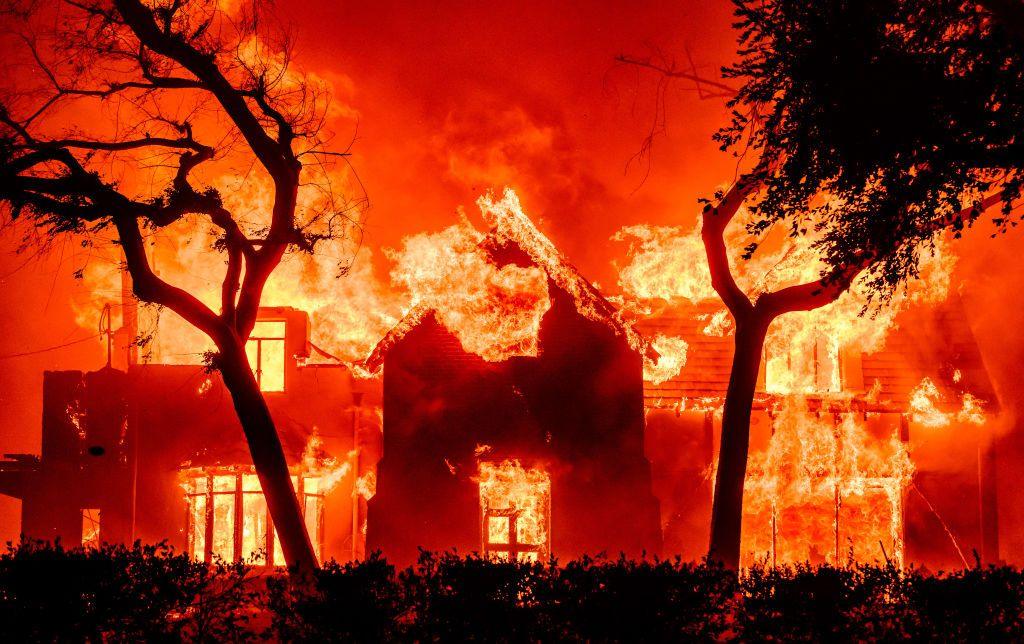
Travel Planning in Post-Fire California: What You Need to Know
Planning a trip to California requires a bit more vigilance during certain times of the year, but the rewards are well worth it. The key is to stay informed, remain flexible, and choose your destinations wisely. With a little preparation, you can still experience the magic of the Golden State without compromise.
Destinations Open for Exploration: Where to Go
The vast majority of California’s beloved tourist destinations are typically open and fully operational, even during periods when other, more remote areas might be experiencing fire activity.
- Coastal Gems: Cities like San Francisco, Los Angeles, San Diego, Santa Barbara, and Malibu generally remain unaffected by wildfires, offering their usual array of attractions, dining, and cultural experiences. The coastal breeze often keeps air quality excellent.
- Wine Country: Napa Valley and Sonoma County, while having faced fire challenges in the past, have shown incredible resilience. Wineries and resorts often reopen swiftly, and the region continues to welcome visitors eager to explore its world-renowned food and wine scene. It’s always best to check with individual establishments before visiting.
- Desert Escapes: Palm Springs and the surrounding desert areas like Joshua Tree National Park are typically at a lower risk of intense wildfires and offer unique landscapes and a different kind of natural beauty, especially appealing during the cooler months.
- Major Theme Parks and Urban Attractions: Disneyland Resort, Universal Studios Hollywood, and other major entertainment hubs are rarely directly impacted by fires and operate business as usual, offering seamless experiences for families and enthusiasts.
While some beloved natural landmarks such as parts of Yosemite National Park, Sequoia National Park, Kings Canyon National Park, or sections of Big Sur might experience closures due to fire activity or subsequent damage like mudslides, these are localized. It’s imperative to check the official websites of national and state parks for the latest information on trail closures and accessibility. Many areas recover quickly, allowing visitors to return to enjoy the state’s spectacular wilderness.
Accommodation and Amenities: Finding Your Perfect Stay
The accommodation sector in California is robust and diverse, ranging from budget-friendly motels to opulent luxury resorts and charming boutique hotels. For the most part, lodging options across the state operate normally. In the rare event an area is directly impacted by a fire, hotels and resorts prioritize guest safety, often providing flexible cancellation policies.
When making your booking, it’s always wise to:
- Read Reviews: Check recent guest reviews for any mention of local conditions, though this is usually less about fires and more about general service.
- Confirm Policies: Understand the cancellation and change policies of your chosen hotel or villa, especially if traveling during peak fire season.
- Inquire Directly: If you have specific concerns about air quality or local accessibility, don’t hesitate to call the hotel directly. They are often the best source of real-time local information.
- Consider Amenities: If air quality is a concern, consider hotels with excellent indoor amenities like spas, indoor pools, or extensive dining options, allowing for enjoyment even if outdoor plans need adjusting.

For those considering a long-term stay or renting apartments or villas, the same principles apply. Verify the location’s proximity to any potentially affected areas and ensure you have a clear understanding of emergency procedures and local resources.
Iconic Landmarks and Attractions: Are They Accessible?
California boasts some of the world’s most recognizable landmarks and attractions, from natural wonders to man-made marvels. The vast majority of these remain accessible throughout the year, with rare and localized exceptions.
- Urban Icons: The Golden Gate Bridge, the Hollywood Sign, Alcatraz Island, and Pier 39 in San Francisco are essentially immune to wildfire impact. Their operations continue unaffected.
- National Parks: While Yosemite National Park, Sequoia National Park, Kings Canyon National Park, Death Valley National Park, and Muir Woods National Monument are in areas that can be prone to fires, park authorities are highly vigilant. They implement fire prevention strategies and will close specific sections or the entire park if safety is compromised. Always check the individual park’s official website for real-time updates on closures, road conditions, and advisories before heading out.
- Recreational Areas: Popular spots like Lake Tahoe and Big Bear Lake, offering year-round outdoor activities, can occasionally be impacted by smoke from distant fires or local incidents. However, these areas are adept at managing visitor flow and providing alternatives, ensuring that visitors can still enjoy boating, hiking, or skiing.
It’s a testament to California’s robust infrastructure and proactive emergency services that even when incidents occur, efforts are swiftly made to restore access and ensure safety. A planned itinerary, while usually enjoyable, should always include a quick check of local conditions a day or two before visiting specific outdoor attractions.
Responsible Tourism: Supporting California’s Recovery
Visiting California post-fire or during seasons of heightened awareness isn’t just about personal safety; it’s also an opportunity to engage in responsible tourism and support the communities that make the Golden State so special. Your decision to travel thoughtfully contributes to the state’s economic recovery and resilience.
Choosing Sustainable Travel Choices
Sustainable travel in California takes on added significance in the context of wildfires. It involves being mindful of your environmental footprint and contributing positively to local economies.
- Support Local Businesses: When you visit, prioritize local hotels, restaurants, shops, and tour operators, especially in areas that have been affected by past fires. Your patronage helps these communities rebuild and thrive. Many small businesses, from boutique wineries in Napa Valley to charming cafes along Highway 1, rely heavily on tourism.
- Practice Fire Safety: If exploring natural areas, always be acutely aware of fire safety guidelines. This includes properly extinguishing campfires, never tossing cigarette butts, avoiding parking hot vehicles on dry grass, and adhering to any local burn bans. “Leave No Trace” principles are more important than ever.
- Respect Nature’s Recovery: In areas that have experienced fires, nature is in a delicate state of recovery. Stick to marked trails, avoid disturbing new growth or sensitive ecosystems, and understand that some areas may be closed for rehabilitation.
- Opt for Eco-Friendly Accommodation: Many hotels and resorts in California have adopted sustainable practices. Choosing establishments that prioritize energy efficiency, water conservation, and waste reduction helps protect the state’s natural resources.
By making conscious choices, travelers become part of the solution, helping to preserve the beauty and diversity of California for future generations.
Staying Informed: Essential Resources for Travelers
The best tool for safe and enjoyable travel in California is accurate, up-to-date information. Here’s a list of essential resources every traveler should consult:
- CalFire (California Department of Forestry and Fire Protection): The definitive source for active fire incidents, containment levels, and statewide fire danger ratings. Their website provides maps and detailed reports.
- National Park Service & California State Parks: For specific information on park closures, trail conditions, and advisories, always check the official websites of the national or state park you plan to visit (e.g., Yosemite National Park website).
- Local Tourism Boards and Visitor Centers: City and county tourism offices (e.g., Visit California, Visit Los Angeles, San Francisco Travel) offer invaluable local insights, business operational statuses, and advice tailored to current conditions.
- Air Quality Monitoring Sites: Websites like PurpleAir provide real-time air quality index (AQI) readings, allowing you to gauge conditions in your specific area of interest.
- Weather Forecasts: Stay updated on local weather, particularly wind conditions and temperature, as these can influence fire behavior.
By integrating these resources into your trip planning, you can navigate California with confidence, ensuring a safe, informed, and truly memorable experience.
In conclusion, “Is the California fire over?” is not a question with a simple “yes” or “no” answer. Wildfires are a persistent environmental factor in California, requiring ongoing vigilance. However, the vast majority of the state’s incredible destinations, attractions, and accommodations remain open and eagerly welcome visitors. With sensible planning, reliance on official information, and a commitment to responsible tourism, you can fully immerse yourself in the diverse beauty and vibrant lifestyle that makes California a world-class travel destination. The spirit of the Golden State is one of resilience and perpetual invitation, ready for your next adventure.
LifeOutOfTheBox is a participant in the Amazon Services LLC Associates Program, an affiliate advertising program designed to provide a means for sites to earn advertising fees by advertising and linking to Amazon.com. Amazon, the Amazon logo, AmazonSupply, and the AmazonSupply logo are trademarks of Amazon.com, Inc. or its affiliates. As an Amazon Associate we earn affiliate commissions from qualifying purchases.