
The question of whether the Canadian border at Detroit is open around the clock is a crucial one for many travelers, commuters, and businesses operating between Canada and the United States. While the desire for continuous passage is understandable, border operations are subject to specific regulations, staffing, and infrastructure limitations. Understanding these nuances is key to planning a smooth and efficient crossing.
Border Crossing Operations and Hours
Border crossings are not monolithic entities; they are complex logistical operations managed by government agencies responsible for customs, immigration, and security. The hours of operation for any border crossing are determined by these authorities, taking into account factors such as traffic volume, historical usage patterns, staffing availability, and international agreements. The Detroit border, being one of the busiest land crossings between the two nations, has been historically designed for extensive operational hours, but whether this extends to a full 24/7 schedule requires a detailed examination of the specific ports of entry.
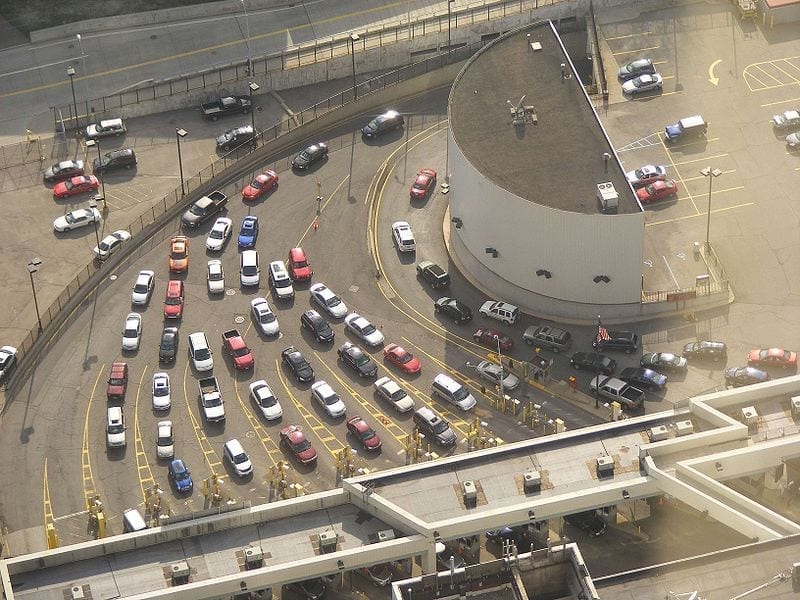
The Ambassador Bridge
The Ambassador Bridge is a vital private toll bridge that connects Detroit, Michigan in the United States with Windsor, Ontario in Canada. It handles a significant volume of commercial truck traffic, passenger vehicles, and pedestrians. Given its immense importance to trade and personal travel, the Ambassador Bridge has historically operated 24 hours a day, seven days a week, for both commercial and passenger vehicles. This continuous operation is essential for maintaining the flow of goods and services across the international boundary and facilitating cross-border travel at any time.
However, it is important to note that while the physical structure and private operation of the bridge allow for continuous passage, the U.S. and Canadian border services operating at the bridge have their own staffing and operational schedules. Generally, these services are also available 24/7 at the Ambassador Bridge to support the continuous flow of traffic. This extensive operational window makes it a preferred crossing point for those needing to travel at off-peak hours or requiring immediate passage.
The Detroit-Windsor Tunnel
The Detroit-Windsor Tunnel is another major artery connecting Detroit and Windsor. This underwater passage offers a unique travel experience and also plays a significant role in cross-border movement. Similar to the Ambassador Bridge, the Detroit-Windsor Tunnel also operates on a 24/7 basis for both passenger and commercial vehicles. This perpetual availability is a testament to its critical function in regional transportation and trade.
The border inspection services on both the United States and Canadian sides of the Detroit-Windsor Tunnel are typically staffed around the clock. This ensures that travelers can present themselves for inspection at any hour. The constant operation of these ports of entry is vital for mitigating congestion and allowing for flexibility in travel plans, whether for business or leisure.
Other Potential Crossing Points and Considerations
While the Ambassador Bridge and the Detroit-Windsor Tunnel are the primary and most well-known crossings directly between Detroit and Windsor, it is worth noting that other ports of entry exist in the broader region. These might include crossings further north along the St. Clair River or ferry services, which may have different operational hours. It is always advisable to confirm the specific operating hours of any border crossing you intend to use, as schedules can change due to various factors, including holidays, special events, or unforeseen circumstances.
Furthermore, the nature of border operations can be influenced by security alerts, weather conditions, or infrastructure maintenance. While the primary crossings in Detroit are designed for continuous operation, it is prudent for travelers to stay informed about any potential disruptions. Official government websites for U.S. Customs and Border Protection (CBP) and the Canada Border Services Agency (CBSA) are excellent resources for the most up-to-date information on border crossing hours, wait times, and any advisories.
Factors Affecting Border Crossing Availability
The perception of a border being “open 24/7” generally refers to the physical infrastructure allowing passage and the primary government services being operational at all times. However, several factors can influence the actual experience of crossing at any given hour.
Staffing Levels and Operational Efficiency
While many border crossings are staffed 24/7, the number of inspection booths or lanes open at any given time can fluctuate. During peak hours, more resources are typically deployed to minimize wait times. Conversely, during overnight hours or periods of lower traffic, fewer lanes may be open. This can still mean a prolonged wait, even if the border is technically open. Efficient staffing models are crucial for balancing security requirements with the need for smooth traffic flow.
Infrastructure and Technology
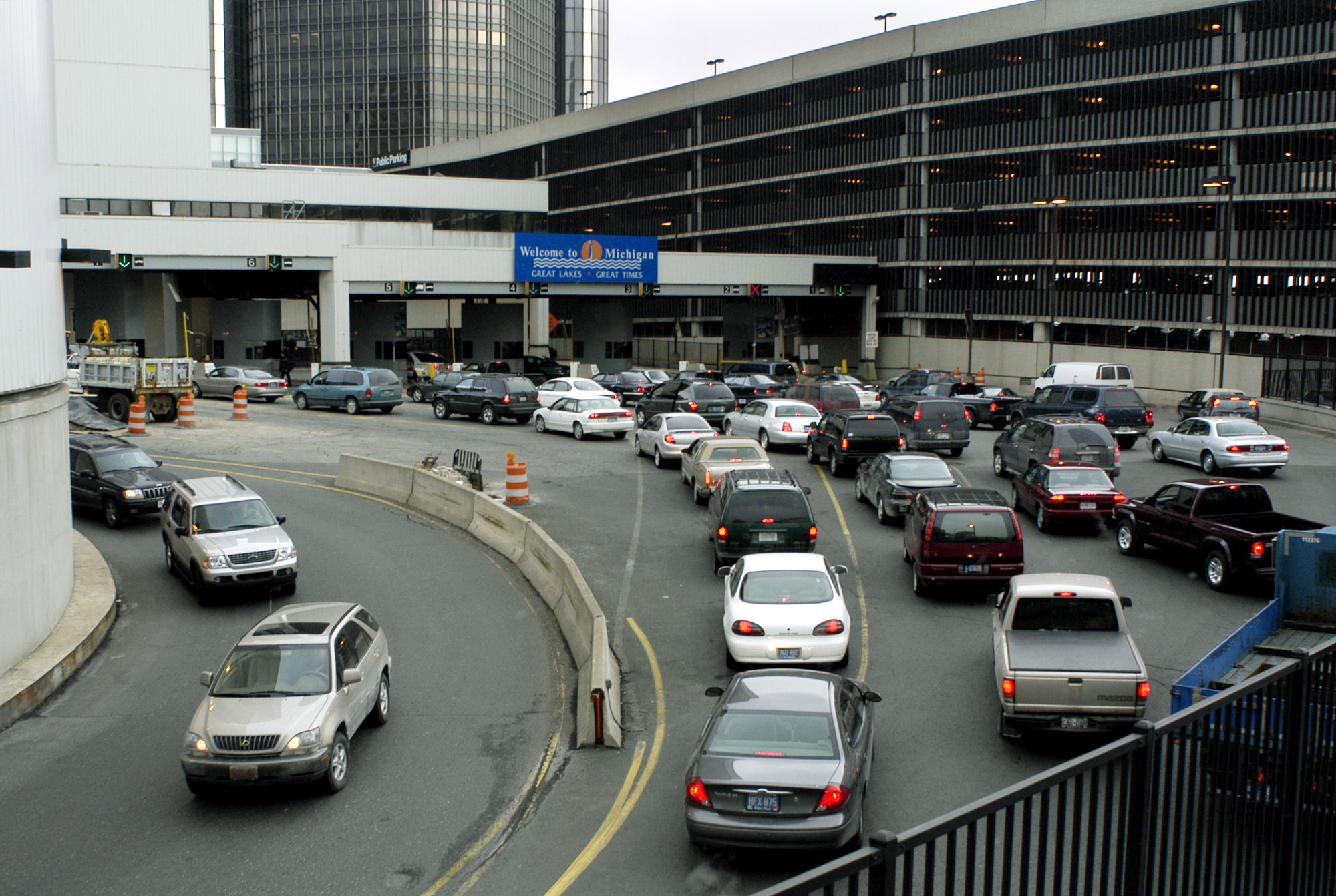
The infrastructure at a border crossing, including the number of lanes, inspection facilities, and technology used for scanning and identification, plays a significant role in its capacity and efficiency. Modernization efforts, such as the implementation of advanced imaging technology and automated data processing, aim to enhance throughput and speed up inspections. The ongoing development and maintenance of these facilities are critical to supporting 24/7 operations effectively.
Regulatory Frameworks and Agreements
The ability of border crossings to operate 24/7 is underpinned by bilateral agreements between Canada and the United States. These agreements outline the responsibilities of each country’s border agencies and establish the framework for coordinated operations. Changes in these agreements or shifts in governmental policy can potentially impact border operations, though fundamental changes to 24/7 operations at major crossings like those in Detroit are typically well-publicized.
Special Circumstances and Advisories
It is important to acknowledge that unforeseen events can impact border operations. Extreme weather conditions, such as blizzards or heavy fog that can affect visibility and road safety, may lead to temporary closures or restrictions. Security incidents, though rare, can also necessitate immediate closures or enhanced screening procedures. Furthermore, planned maintenance or construction projects on bridge structures or tunnel components might require temporary lane closures or detours, potentially affecting the flow of traffic even if the border itself remains technically open for passage. Travelers are strongly encouraged to consult official advisories before embarking on their journey.
Planning Your Cross-Border Travel
Given the detailed operational aspects, careful planning is essential for a seamless cross-border experience at the Detroit border.
Checking Current Wait Times and Conditions
Before departing, travelers should utilize resources that provide real-time information on border wait times. Both the U.S. Customs and Border Protection and the Canada Border Services Agency often provide online tools or mobile applications that display estimated wait times for various ports of entry. This information can be invaluable in deciding which crossing to use and at what time to travel to minimize delays.
Essential Travel Documents
Regardless of the time of day, all travelers must possess the necessary documentation for international travel. This includes valid passports for all individuals, including children, and any required visas or permits. For commercial drivers, specific documentation related to cargo and vehicle registration is mandatory. Failing to have the correct documents can result in significant delays or denial of entry.
Understanding Customs Regulations
Both Canada and the United States have specific regulations regarding what goods can be brought across the border and in what quantities. Familiarizing yourself with these rules can prevent issues during customs inspection. This includes restrictions on alcohol, tobacco, firearms, certain food products, and agricultural items. Being prepared to declare all goods is a crucial step in the inspection process.
Utilizing NEXUS and Other Trusted Traveler Programs
For frequent cross-border travelers, enrolling in trusted traveler programs like NEXUS can significantly expedite the inspection process. NEXUS allows pre-approved, low-risk travelers to use dedicated lanes at the border, often resulting in much shorter wait times. While these programs require an application and vetting process, the benefits for regular travelers are substantial, especially for those who might need to cross during less conventional hours.

Conclusion: The Persistent Pulse of the Detroit Border
In direct answer to the question, the primary border crossings between Detroit and Windsor, namely the Ambassador Bridge and the Detroit-Windsor Tunnel, are indeed designed to operate 24 hours a day, seven days a week, for both passenger and commercial traffic. This continuous operation is a cornerstone of the robust economic and social ties between Canada and the United States.
However, the practical experience of crossing can be influenced by staffing levels, the number of active inspection lanes, and potential disruptions. While the border itself remains physically open, wait times can vary significantly. Therefore, for any traveler, whether for business or leisure, staying informed, prepared, and mindful of official advisories is paramount to navigating the international boundary efficiently and without unnecessary delay. The persistent pulse of activity at the Detroit border underscores its enduring importance as a vital gateway between two nations.
LifeOutOfTheBox is a participant in the Amazon Services LLC Associates Program, an affiliate advertising program designed to provide a means for sites to earn advertising fees by advertising and linking to Amazon.com. Amazon, the Amazon logo, AmazonSupply, and the AmazonSupply logo are trademarks of Amazon.com, Inc. or its affiliates. As an Amazon Associate we earn affiliate commissions from qualifying purchases.