
The Cecil Hotel in Los Angeles is a name that sends shivers down the spine of many, synonymous with dark history, unsolved mysteries, and a chilling reputation. For decades, it stood as a landmark, first of grandeur, then of infamy, in the heart of Downtown Los Angeles. Travelers and true-crime enthusiasts often wonder about its current status: Is this legendary establishment still open for guests? The short answer, in the traditional sense of a hotel, is no. The Cecil Hotel has embarked on a dramatic transformation, shedding its skin as a transient accommodation to embrace a new, vital role within the community.
Once a bustling hub for tourists and business travelers, the Cecil Hotel has undergone an extensive metamorphosis, reopening its doors not to paying guests seeking a night’s stay, but to residents in need of permanent, affordable housing. This profound shift marks the end of an era for one of America’s most talked-about hotels and signals a new chapter aimed at addressing critical social needs in Los Angeles. This article delves into the storied past of the Cecil Hotel, explores its attempts at rebranding, and unveils its current incarnation, offering insights for those curious about its history and its future impact on the City of Angels.

A Century of History and Mystery: The Cecil Hotel’s Dark Legacy
Few buildings in the United States carry as much historical weight, both glamorous and grotesque, as the Cecil Hotel. Its nearly 100-year existence is a tapestry woven with threads of architectural ambition, economic downturns, infamous crimes, and profound human tragedy. Understanding its journey is key to grasping why it could no longer function as a conventional hotel.
From Grandeur to Notoriety: The Early Years
The Cecil Hotel first opened its doors in 1924, a testament to the boom years of the 1920s in Los Angeles. Designed by architect Loy L. Smith in the Beaux-Arts style, it was envisioned as a luxurious destination for business travelers and tourists, boasting 700 rooms, an opulent lobby, and an ideal location close to Main Street and the thriving downtown area. It promised sophistication and comfort, aiming to attract the elite during The Golden Age of Hollywood.
However, its fortunes began to wane with the onset of the Great Depression in the 1930s. The economic downturn dramatically altered its clientele. What was once a beacon of luxury gradually began to serve a more budget-conscious demographic. Over time, its proximity to Skid Row, a district notorious for its high concentration of homeless individuals and poverty, further contributed to its decline. The grand facade slowly started to obscure a darker reality, attracting a transient population, including those struggling with addiction and mental health issues. It became less of a destination and more of a last resort for many.
The Infamous Guests and Unsolved Mysteries
The Cecil Hotel’s true notoriety began to cement itself through a string of suicides, unexplained deaths, and its chilling connection to some of America’s most infamous criminals. Its corridors are said to have witnessed countless tragedies, leading to widespread rumors of hauntings and a general aura of unease.
Perhaps the most disturbing association is with serial killers. In the mid-1980s, Richard Ramirez, famously known as the “Night Stalker,” reportedly resided at the Cecil Hotel for a period, paying as little as $14 a night. It’s rumored he would discard bloody clothing in the hotel’s dumpster and walk through the lobby largely unnoticed after committing heinous crimes. Later, in 1991, Austrian serial killer Jack Unterweger also reportedly stayed at the hotel, allegedly while murdering sex workers in Los Angeles. These connections added an undeniable layer of macabre fascination and fear to the hotel’s identity.
Beyond these chilling criminal links, the Cecil Hotel has been the site of numerous suicides, with guests jumping from its windows, and other unexplained deaths within its rooms. While often disputed, some urban legends even connect the hotel to the unsolved murder of Elizabeth Short, the “Black Dahlia,” although no concrete evidence has ever linked her directly to the hotel. These stories, whether fact or fiction, cemented the Cecil Hotel’s place in the dark tourism landscape.
The Elisa Lam Tragedy: A Global Phenomenon
The culmination of the Cecil Hotel’s grim reputation came in 2013 with the baffling case of Elisa Lam, a Canadian student. Lam disappeared while staying at the hotel, and surveillance footage of her behaving erratically in the hotel elevator went viral online, sparking widespread speculation and amateur sleuthing. Her body was eventually discovered more than two weeks later in one of the hotel’s rooftop water tanks after guests complained about low water pressure and strange-tasting water.
The bizarre circumstances of her death, coupled with the mysterious elevator video, captivated international audiences and propelled the Cecil Hotel into the global spotlight as a truly haunted or cursed location. The story was extensively covered by media worldwide and later became the subject of a popular Netflix documentary series, “Crime Scene: The Vanishing at the Cecil Hotel,” solidifying its status as an icon of urban legend and true crime. This event proved to be a turning point, making it increasingly difficult for the establishment to operate as a conventional hotel.
Rebranding Efforts and the Quest for a New Identity
In the wake of its grim history, particularly after the Elisa Lam case, management made several attempts to distance the property from its notorious past and attract a new kind of clientele. These efforts aimed to revitalize the struggling business and shed the dark shadow that perpetually hung over it.
The Stay on Main Experiment
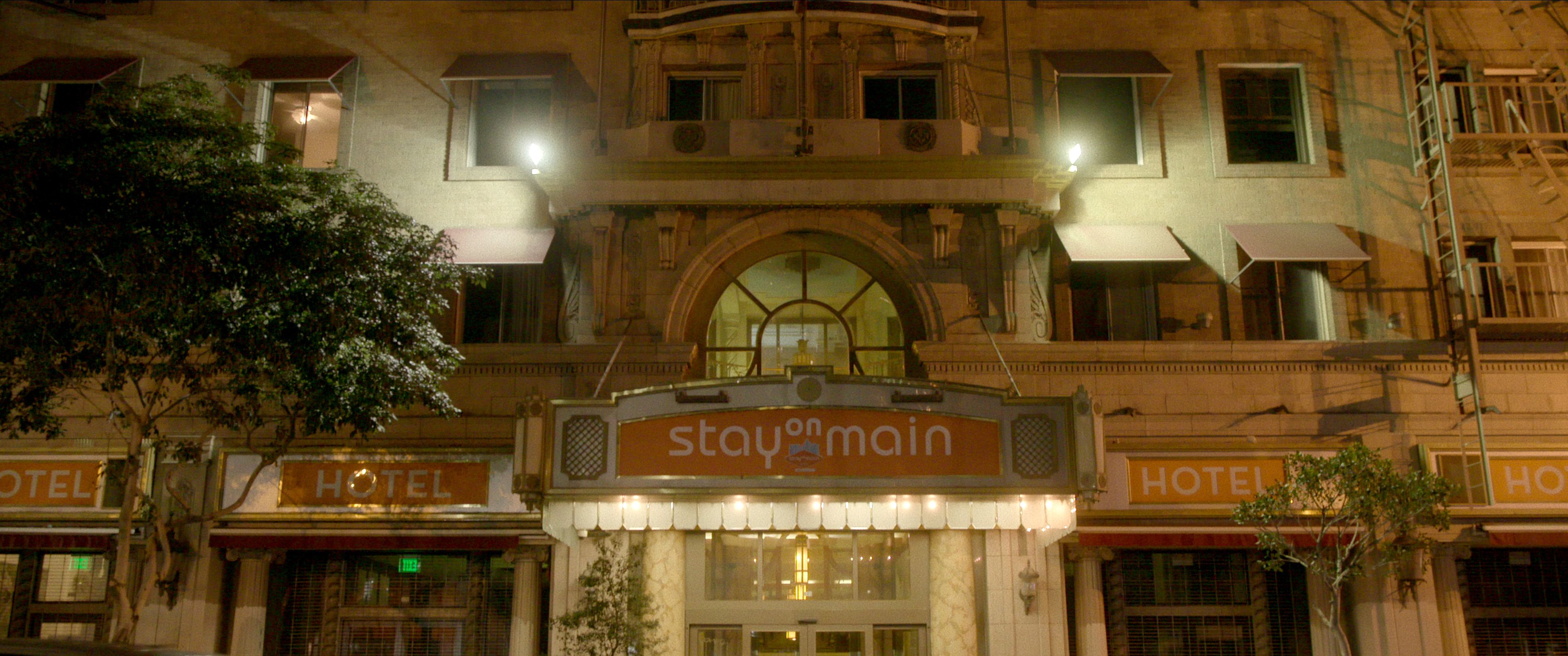
One significant attempt at rebranding came in 2011, even before the Elisa Lam incident, when a portion of the Cecil Hotel was rebranded as “Stay on Main.” This concept aimed to operate as a separate, boutique-style hotel within the larger building, targeting budget travelers, backpackers, and a younger demographic. It featured modern decor, vibrant colors, and amenities designed to appeal to a more contemporary, less history-aware guest. The idea was to offer a fresh, affordable lodging option while trying to mentally separate it from the grim legacy of the original Hotel Cecil.
Despite the cosmetic changes and marketing efforts, the proximity to the un-rebranded sections of the Cecil Hotel and, more critically, the overwhelming media attention following the Elisa Lam tragedy, made it impossible for Stay on Main to escape the building’s notoriety. The two identities became inextricably linked in the public imagination, and the rebranding ultimately failed to shake off the past. Travelers booking a stay, even under the new name, were acutely aware of the building’s infamous history, often drawn to it because of its dark allure, rather than despite it.
Acquisition and Ambitious Renovation Plans
In 2014, Richard Born, a prominent New York hotelier known for revitalizing historic properties, and his company BD Hotels, in partnership with Simon Baron Development, acquired the leasehold on the Cecil Hotel for an estimated $30 million. Their initial plans were ambitious: a complete renovation to transform the building into a modern, upscale boutique hotel with a rooftop pool, lounge, and other luxury amenities. The vision was to completely erase the hotel’s past image and elevate it to a four-star establishment, similar to other successful conversions of historic buildings in Downtown Los Angeles.
The hotel officially closed for renovations in 2017. For several years, scaffolding shrouded the building, and anticipation grew among those curious about its future. However, as the renovation process stretched on, the economic landscape and the complexities of dealing with such a historically troubled property led to a shift in plans. The immense cost of the renovation, coupled with the ongoing social challenges of the surrounding Skid Row area, likely influenced the eventual direction the project would take. The vision of a luxury boutique hotel gradually faded, making way for a new, more socially conscious purpose.
The Cecil Hotel’s Present: A New Chapter as Affordable Housing
The most significant change in the Cecil Hotel’s long history occurred not with a new hotel brand, but with a complete departure from the hospitality industry altogether. Its doors have reopened, but its function has fundamentally changed, offering a crucial lifeline to a vulnerable population.
From Tourist Attraction to Residential Community
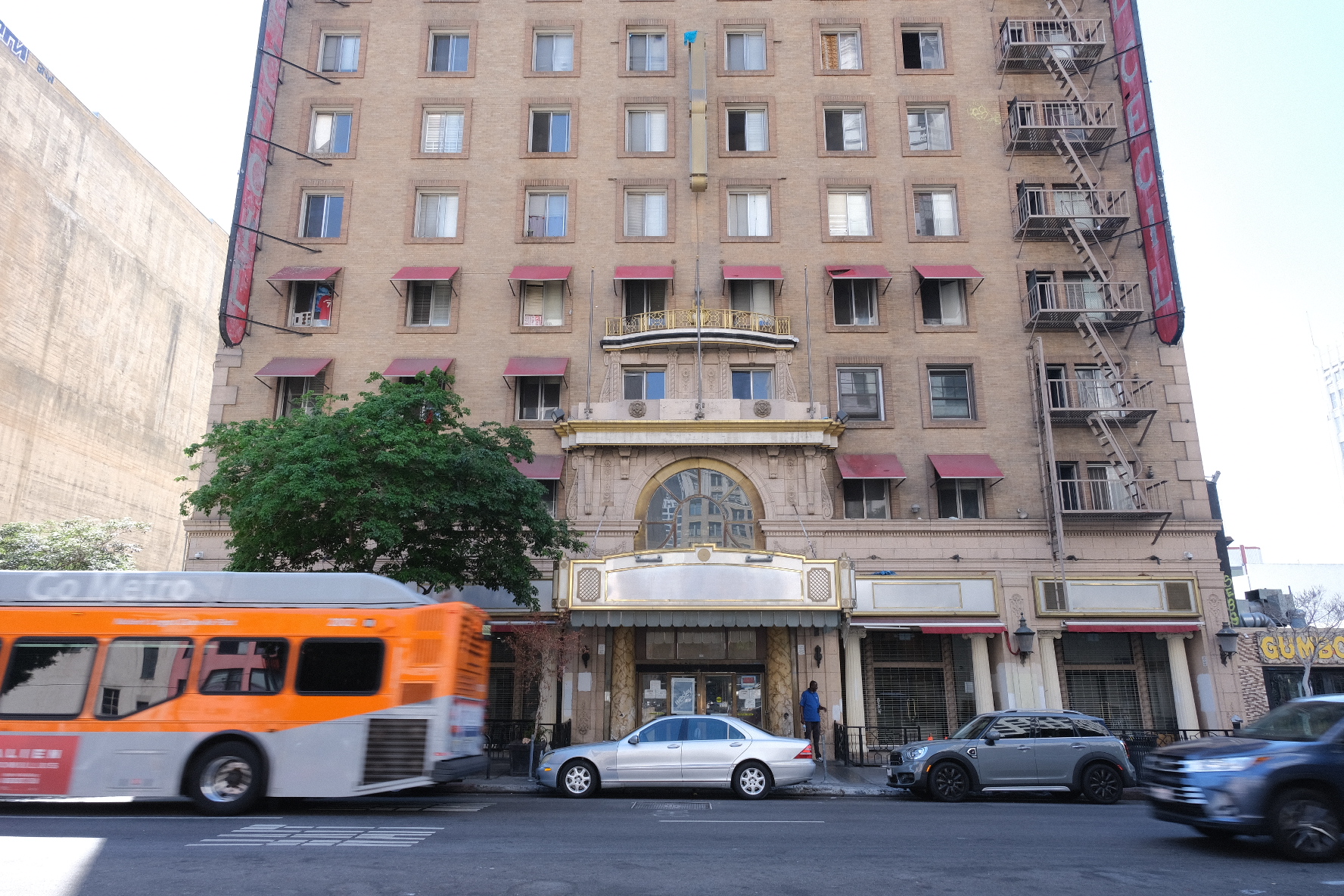
After years of closure and extensive renovations, the Cecil Hotel officially reopened in December 2021 / January 2022, but not as the luxury hotel initially envisioned. Instead, it was relaunched as an affordable housing complex, managed by the Skid Row Housing Trust, a non-profit organization dedicated to combating homelessness in Los Angeles.
This monumental shift means that the Cecil Hotel no longer welcomes transient guests for short stays. It now provides more than 600 individual units of permanent supportive housing for low-income and formerly homeless individuals. The renovation carefully preserved the historic architectural elements of the building while modernizing the interior to provide safe, clean, and dignified living spaces. Residents have access to a range of support services, including case management, health services, and communal spaces, fostering a supportive community environment. This transformation represents a profound pivot from its notorious past, aiming to become a beacon of hope rather than a site of despair.
The Impact on Downtown Los Angeles and Tourism
The repurposing of the Cecil Hotel has a significant impact on both the immediate community of Downtown Los Angeles and the broader tourism landscape. For Los Angeles, a city grappling with a severe homelessness crisis, the addition of over 600 units of affordable housing is a vital step towards addressing a pressing social issue. It contributes to the ongoing efforts to revitalize Skid Row and surrounding areas, moving beyond purely commercial development to include essential social infrastructure.
For tourists and those interested in the hotel’s macabre history, this change means that the Cecil Hotel is no longer a destination where one can book a room and explore its eerie corridors. Its doors are now private, dedicated to its residents. However, the building still stands as an architectural and historical landmark. Visitors can still view its exterior, appreciate its Beaux-Arts design, and reflect on its complex history from the outside. For those interested in “dark tourism,” the building continues to hold a certain allure, albeit from a respectful distance. Its story remains a compelling part of Los Angeles lore, and its transformation adds another intriguing layer to its narrative.
Exploring Other Noteworthy Landmarks and Accommodation in Los Angeles
While the Cecil Hotel is no longer an option for travelers seeking accommodation or a ghoulish overnight stay, Los Angeles remains a vibrant global destination teeming with diverse attractions and lodging choices to suit every taste and budget.
Iconic Los Angeles Attractions Beyond the Cecil
The City of Angels offers an unparalleled array of experiences, from glamorous Hollywood sights to stunning natural beauty. Instead of a deep dive into the Cecil Hotel’s past, visitors can immerse themselves in:
- Hollywood Sign and Griffith Observatory: Iconic symbols of LA, offering breathtaking panoramic views of the city. Griffith Observatory also provides fascinating astronomical exhibits.
- Santa Monica Pier and Beaches: Experience the classic Southern California beach culture, enjoy amusement rides, and stroll along the famous pier.
- Getty Center: A magnificent architectural complex housing world-class art collections, stunning gardens, and incredible city views, all free to the public.
- Universal Studios Hollywood and Disneyland: For thrill-seekers and families, these theme parks offer unforgettable entertainment experiences.
- Museum Row: Explore the Los Angeles County Museum of Art (LACMA), La Brea Tar Pits, and the Academy Museum of Motion Pictures.
These attractions showcase the diverse cultural, entertainment, and natural heritage that makes Los Angeles a top travel destination.
Diverse Accommodation Options in the City of Angels
Los Angeles caters to every type of traveler, whether you’re seeking luxury, budget-friendly options, or something in between.
- Luxury Travel: Areas like Beverly Hills and West Hollywood boast world-renowned hotels such as The Peninsula Beverly Hills or the Sunset Tower Hotel, offering opulent suites, exceptional service, and prime locations for celebrity spotting and high-end shopping.
- Boutique Hotels: Neighborhoods like Silver Lake, Venice Beach, and even revitalized pockets of Downtown LA offer unique boutique experiences with stylish design, personalized service, and a focus on local culture.
- Budget-Friendly Stays: Numerous hostels, motels, and extended-stay apartments are available throughout the city, particularly in areas like Hollywood and near major transport hubs, providing comfortable and economical accommodation for budget travelers and backpackers.
- Resorts and Beachfront Hotels: For those craving coastal vibes, hotels and resorts in Santa Monica, Malibu, and Marina del Rey offer stunning ocean views, direct beach access, and a more relaxed atmosphere.
When planning a trip to Los Angeles, visitors have an abundance of choices for accommodation, ensuring a comfortable and enjoyable stay that perfectly aligns with their travel style and preferences. From vibrant city hotels to serene coastal retreats, the City of Angels provides an experience for everyone, far removed from the complex history of the Cecil Hotel.
In conclusion, the answer to “Is the Cecil Hotel in Los Angeles still open?” is yes, but not in the way most people remember or expect. It has closed its chapter as a conventional hotel and opened a new one as a crucial source of affordable housing. While its days of welcoming tourists and reveling in its infamous past are over, the Cecil Hotel has found a new, meaningful purpose, cementing its place in the ever-evolving narrative of Los Angeles – a city always reinventing itself.
LifeOutOfTheBox is a participant in the Amazon Services LLC Associates Program, an affiliate advertising program designed to provide a means for sites to earn advertising fees by advertising and linking to Amazon.com. Amazon, the Amazon logo, AmazonSupply, and the AmazonSupply logo are trademarks of Amazon.com, Inc. or its affiliates. As an Amazon Associate we earn affiliate commissions from qualifying purchases.