
The question of whether the notorious Cecil Hotel in Los Angeles, California is still open has fascinated true crime enthusiasts, history buffs, and curious travelers for years. Synonymous with dark tales, unexplained deaths, and unsettling connections to infamous figures, the Cecil Hotel holds a unique, often grim, place in the city’s history. The definitive answer is yes, but not in the way many remember it. After years of closure and extensive renovations, the iconic building has been reborn under new management and a new identity: Sonder The Cecil. This transformation marks a significant chapter in the life of a landmark that has witnessed both grand aspirations and profound tragedies, attempting to shed its haunted past while embracing its undeniable legacy as a unique travel destination.
For decades, the Cecil Hotel was more than just a place to stay; it was a character in the unfolding drama of Downtown LA. From its glamorous opening in the 1920s to its descent into infamy, the building has mirrored the ebb and flow of the city around it. Its recent reopening as Sonder The Cecil represents a deliberate effort to pivot from its macabre reputation, offering a modern, secure, and stylish accommodation option. Yet, for many, the allure of the Cecil Hotel remains intrinsically tied to its dark history, making it a compelling, if controversial, choice for those seeking an accommodation experience with a story to tell.

The Evolving Saga of a Notorious Landmark
The story of the Cecil Hotel is a captivating narrative of decline, despair, and ultimately, a desperate attempt at redemption. Understanding its current incarnation requires a journey back through its turbulent past, which is as much a part of its identity as its freshly painted walls and modern amenities.
A Troubled Past: From Grandeur to Grim Infamy
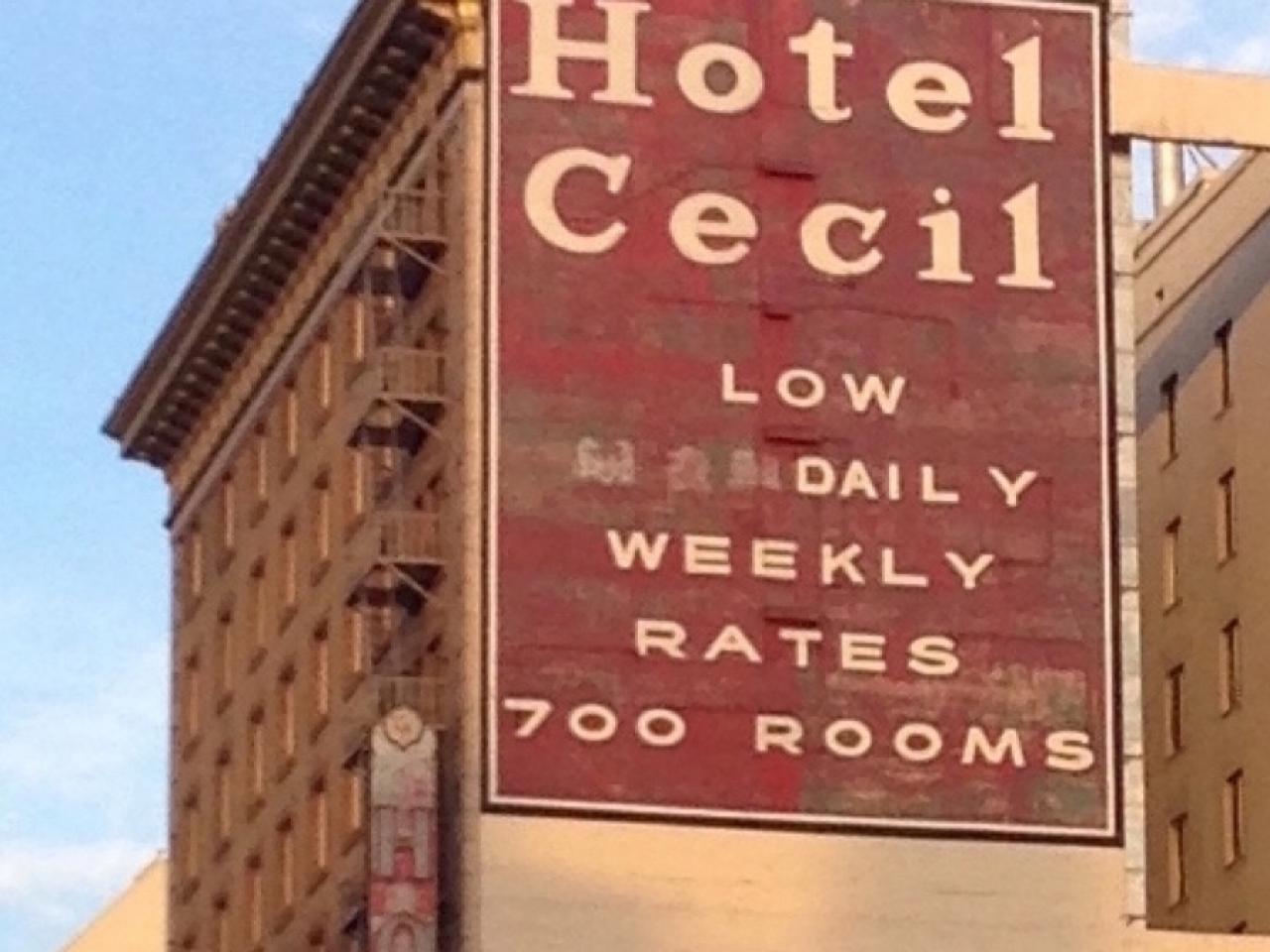
Opened in 1924, the Cecil Hotel was initially conceived as a beacon of luxury for business travelers and tourists in Downtown Los Angeles’ thriving Historic Core. With 700 rooms, an opulent lobby, and an air of sophistication, it promised an elegant stay. However, the optimism of the Roaring Twenties quickly faded with the onset of the Great Depression. As Los Angeles faced economic hardship, the area around the Cecil began to deteriorate, transforming from a bustling commercial district into the fringes of Skid Row.
This shift marked the beginning of the hotel’s long and unfortunate association with tragedy. Over the decades, the Cecil Hotel became a site of numerous suicides, unexplained deaths, and bizarre incidents. Its reputation spiraled downwards, attracting an increasingly transient and vulnerable clientele, further cementing its image as a place where dark events transpired. The hotel’s notoriety reached a fever pitch with its connection to two of America’s most chilling serial killers. In the mid-1980s, Richard Ramirez, the infamous “Night Stalker,” reportedly resided at the Cecil during his killing spree, discarding bloody clothes in its dumpsters and often entering the hotel through a back alley unseen. A few years later, in 1991, Austrian serial killer Jack Unterweger, who murdered sex workers in several countries, also stayed at the Cecil Hotel, eerily mirroring Ramirez’s actions.
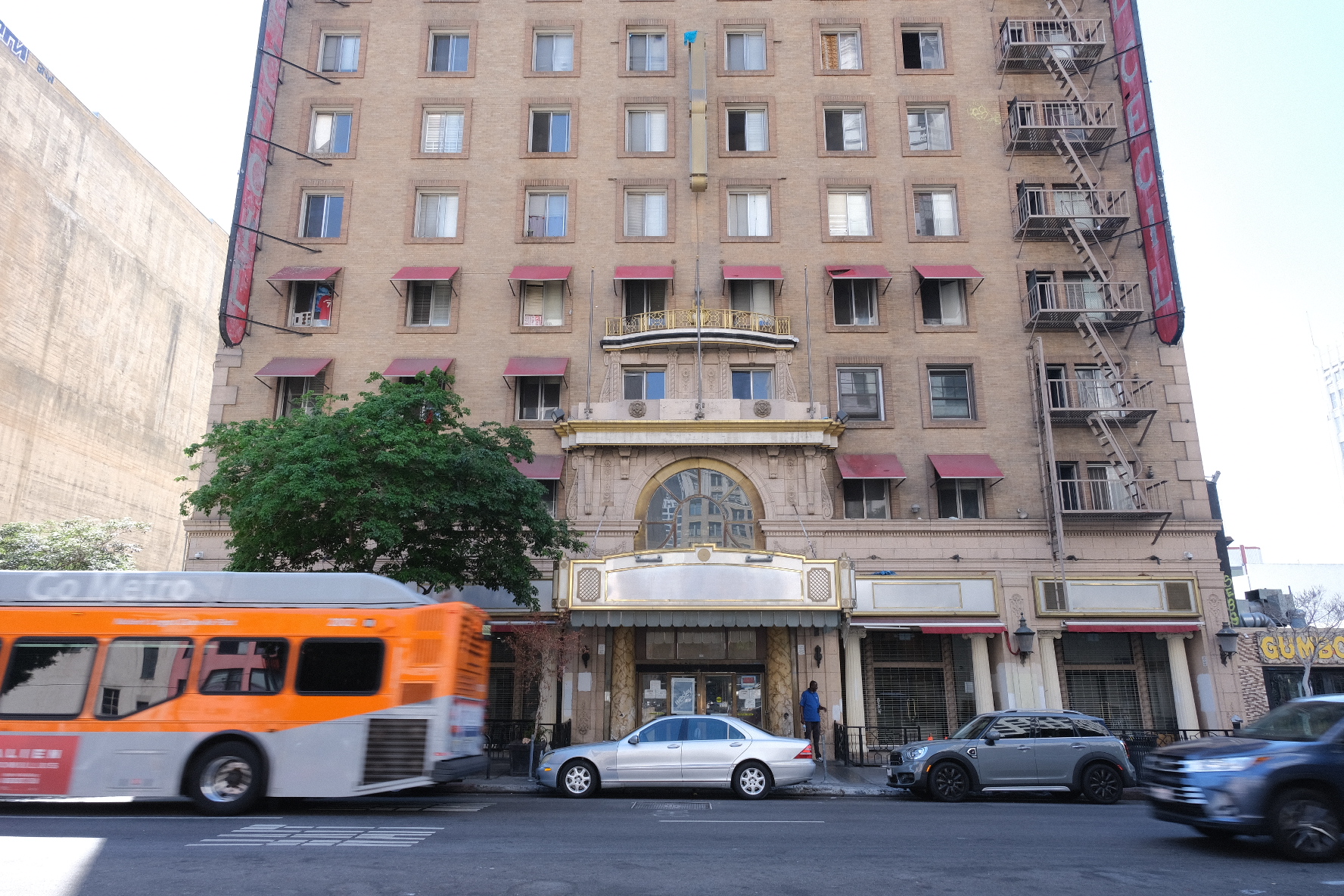
However, the most globally impactful and unsettling event occurred in 2013 with the mysterious death of 21-year-old Canadian student Elisa Lam. Her disappearance and the subsequent discovery of her body in one of the hotel’s rooftop water tanks, following a chillingly bizarre elevator surveillance video, captivated the world. The footage, showing Lam behaving erratically in the elevator before vanishing, went viral, sparking countless theories and further solidifying the Cecil Hotel’s reputation as a place of inexplicable horrors. The incident led to widespread media coverage, even inspiring the fifth season of the popular television series “American Horror Story: Hotel,” which drew heavily from the Cecil’s dark lore. The tragic events surrounding Elisa Lam underscored the hotel’s deep-seated issues, from its questionable safety and security to the unsettling atmosphere that seemed to permeate its very structure.
Rebirth and Rebranding: The Cecil’s Modern Incarnation
In the face of its overwhelming history, the owners of the Cecil Hotel recognized that a mere cosmetic facelift would not suffice. A complete overhaul and a radical re-imagining were necessary to truly move beyond its past. This ambitious vision has culminated in its transformation into Sonder The Cecil, a testament to both modern hospitality and the enduring allure of a place steeped in history.
From Stay on Main to Sonder The Cecil
Before its current iteration, the Cecil Hotel made an earlier attempt to distance itself from its infamous identity. For a period, it operated a section of its building as Stay on Main, aiming to attract budget-conscious travelers with a separate entrance and branding. This attempt was a modest effort to segment the market and offer a slightly more appealing option, but it largely failed to erase the shadow of the Cecil’s reputation. The underlying issues remained, and the connection to the hotel’s darker history was impossible to sever entirely.
Recognizing the need for a more profound change, the Cecil Hotel closed its doors entirely in 2017 to embark on an extensive, multi-year renovation project. The goal was nothing short of a complete metamorphosis, aiming to modernize the infrastructure, update the interiors, and, crucially, implement robust safety and security measures. The project was undertaken by Sonder, a technology-driven hospitality company known for transforming urban properties into stylish, self-service accommodations.
Sonder The Cecil officially reopened its doors in December 2021. The vision behind this rebirth was dual-faceted: to preserve the building’s historical significance and architectural charm, while simultaneously introducing a contemporary, comfortable, and, above all, safe lodging experience. The renovation sought to honor the Cecil’s past as a landmark, acknowledging its unique narrative, without letting its darker chapters define the guest experience. The partnership with Sonder brought not only a fresh aesthetic but also a new operational model, emphasizing efficiency, modern comforts, and a commitment to guest satisfaction.
What to Expect at Sonder The Cecil Today
Today, a stay at Sonder The Cecil offers a stark contrast to its former life. The updated interiors are characterized by a minimalist, modern aesthetic, featuring clean lines, contemporary furnishings, and a muted color palette designed to evoke a sense of calm and sophistication. The rooms, while not overly spacious, are thoughtfully designed to maximize comfort and functionality, providing a comfortable base for urban explorers. Gone are the dated fixtures and worn carpets; in their place are fresh linens, updated bathrooms, and essential amenities for the modern traveler.
The common areas, including the lobby, have been reimagined to be welcoming and functional, encouraging guests to relax and socialize. While the Cecil’s infamous past might still conjure images of eerie hallways and shadowy corners, Sonder has made significant investments in security. Guests can expect 24/7 staff presence, key card access to guest floors, and comprehensive surveillance systems throughout the property. These measures are critical to ensuring a safe and reassuring environment, directly addressing one of the most significant concerns associated with the hotel’s past.
The target audience for Sonder The Cecil is diverse. It appeals to urban explorers seeking a unique base from which to discover Los Angeles, budget-conscious travelers looking for a stylish yet affordable option, and perhaps most notably, those with a keen interest in history and true crime. For many, the hotel’s compelling backstory is precisely what draws them in, offering an experience that transcends a typical hotel stay. Pricing for rooms is generally competitive for Downtown LA, offering good value considering its central location and modern amenities, though rates can fluctuate based on season and demand. It positions itself as a place for those who appreciate design and efficiency, but also don’t shy away from a building with a truly unforgettable narrative.
Navigating the Neighborhood: Downtown LA’s Historic Core and Beyond
The location of the Cecil Hotel has always been a double-edged sword, offering both proximity to vibrant city life and an undeniable connection to one of Los Angeles’ most challenging urban environments. Understanding this context is crucial for any prospective guest.
The Cecil Hotel’s Skid Row Connection
The Cecil Hotel is situated on Main Street in the heart of Downtown LA’s Historic Core. Critically, it also lies on the periphery of Skid Row, an area famously known for its high concentration of homelessness and related social issues. This proximity means that guests will inevitably encounter the realities of urban poverty and homelessness directly outside the hotel’s doors.
While significant revitalization efforts have been underway in Downtown LA for years, transforming many parts of the area into a bustling hub of culture, dining, and entertainment, the challenges of Skid Row persist. For visitors, this translates into a need for heightened awareness and caution, particularly when exploring the immediate vicinity on foot, especially after dark. The contrast between the vibrant, modernized areas of Downtown LA and the stark realities of Skid Row can be jarring for some travelers. Guests choosing to stay at Sonder The Cecil should arrive with an understanding of the urban environment and exercise standard city safety practices, such as being aware of their surroundings and avoiding walking alone late at night.
Exploring Downtown LA Attractions
Despite its challenging immediate surroundings, the Cecil Hotel’s central location in Downtown LA offers unparalleled access to a wealth of attractions. Many of Los Angeles’ most iconic cultural institutions, culinary hotspots, and entertainment venues are within easy walking distance or a short public transit ride away.
Just a few blocks away, visitors can immerse themselves in the vibrant culinary scene of Grand Central Market, a historic food hall offering a diverse array of eateries. Culture enthusiasts will appreciate the proximity to architectural marvels like the Walt Disney Concert Hall and world-class art at The Broad Museum, both showcasing the cutting edge of art and design. The charming neighborhoods of Little Tokyo and Chinatown, with their rich cultural heritage, unique shops, and authentic dining experiences, are also easily accessible.
The hotel’s location is also well-served by public transportation, including metro lines and bus routes, making it a convenient base for exploring other parts of Los Angeles beyond Downtown. From this central point, travelers can venture to Hollywood, Santa Monica, or Griffith Park with relative ease. The strategic position allows guests to truly experience the dynamic and multifaceted nature of Los Angeles, from its historic roots to its modern marvels, highlighting the ongoing transformation of the city’s urban core.
Should You Stay at Sonder The Cecil?
Deciding whether to book a stay at Sonder The Cecil ultimately comes down to individual preferences, expectations, and a willingness to engage with a hotel that carries a deep, complex history. It is an accommodation choice that offers a distinctive experience, appealing to a specific type of traveler.
For those intrigued by its past, Sonder The Cecil presents a unique opportunity to stay in a landmark that has been the subject of countless books, documentaries, and internet discussions. History buffs and true crime enthusiasts will undoubtedly find the experience compelling, walking the very halls that once housed infamous figures and witnessed inexplicable events. The hotel’s modern amenities, updated interiors, and emphasis on security provide a comfortable and safe environment, directly addressing many of the concerns that plagued its former life. Its central location in Downtown LA is undeniably advantageous for exploring the city’s cultural attractions, dining scene, and vibrant nightlife, especially for those who appreciate urban exploration and being in the thick of city life. The value proposition, combining a storied past with contemporary comfort at an often-affordable price point, can be very appealing for budget-conscious travelers seeking more than just a generic hotel room.
However, prospective guests should be mindful of certain considerations. The hotel’s past, while a draw for some, can be a deterrent for others. If you are easily unnerved by tales of the supernatural, true crime, or simply prefer an accommodation devoid of such a dark legacy, Sonder The Cecil might not be the right fit. Furthermore, while Downtown LA is undergoing significant revitalization, the immediate neighborhood around the hotel remains an active urban environment, bordering Skid Row. Travelers should be prepared for the realities of city life, including visible homelessness, and practice common-sense urban safety precautions.
Before booking, it is highly recommended to read recent guest reviews to get an up-to-date perspective on the hotel’s current condition and the surrounding area. Setting realistic expectations is key; while the Cecil has been modernized, its location and historical context are integral parts of the experience. It is not just a place to sleep; it is a destination in itself, offering a blend of history, mystery, and modern comfort.
In conclusion, the Cecil Hotel in Los Angeles, California is indeed open, operating as Sonder The Cecil. Its transformation represents a remarkable effort to reinvent a property burdened by a heavy past. For those who embrace its unique narrative, appreciate contemporary design, and desire a central base for exploring Downtown LA, a stay at Sonder The Cecil offers an unparalleled and unforgettable experience, allowing travelers to become a part of the next chapter in this truly legendary landmark’s story. It stands as a testament to the enduring power of a place to evolve, adapt, and continue to captivate, even as it strives to redefine its legacy.