
Texas, a state synonymous with its vast landscapes, rich history, and a distinct cultural identity, also holds a prominent, and often debated, position in the realm of capital punishment. For travelers, history enthusiasts, and those with an interest in the intricacies of American jurisprudence, understanding the legal status of the death penalty in Texas offers a unique lens through which to view the state’s complex social and legal fabric. This exploration delves into the legality, historical context, and ongoing discussions surrounding capital punishment within the Lone Star State, aiming to provide an insightful overview for those curious about this significant aspect of Texas.
The Legal Framework of Capital Punishment in Texas
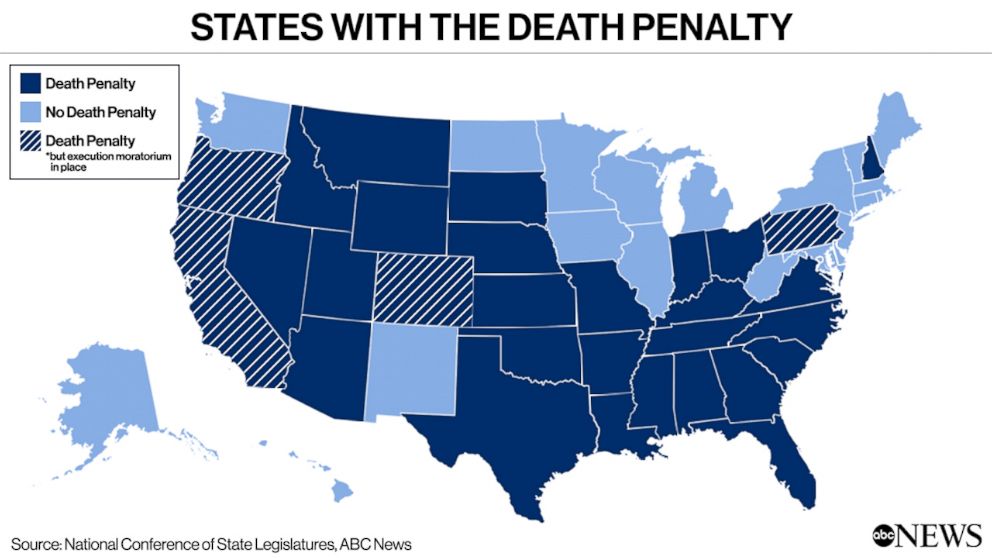
At its core, the death penalty in Texas is legal and has been for a considerable period. Texas stands as one of the states in the United States that actively utilizes capital punishment as a sentencing option for certain severe crimes. The legal foundation for this practice is rooted in both state and federal law.
Statutory Basis and Application
The Texas Legislature has codified the laws governing capital offenses and their penalties. The Texas Penal Code outlines specific crimes that can qualify for the death penalty, primarily focusing on aggravated murder. These offenses typically involve circumstances such as the murder of a law enforcement officer, murder during the commission of another felony, murder for hire, or multiple murders.
The application of the death penalty is not automatic for all capital offenses. It requires a conviction for a capital felony and a separate sentencing phase during a trial. During this phase, the jury hears evidence and arguments regarding aggravating and mitigating factors. Aggravating factors, such as the brutality of the crime or the criminal history of the defendant, can support a death sentence. Mitigating factors, such as a history of abuse or mental illness, may lead the jury to opt for a lesser sentence, such as life imprisonment without parole.
The Role of the Courts
Both state and federal courts play crucial roles in the capital punishment system in Texas. State courts, from district courts where trials are held to the Texas Court of Criminal Appeals, handle the direct appeals of death penalty convictions. These appeals review the trial proceedings for legal errors.
Beyond direct appeals, death row inmates have access to post-conviction relief proceedings, which can be filed in both state and federal courts. These proceedings allow for challenges to convictions and sentences based on new evidence or claims of constitutional violations that may not have been apparent during the initial trial or direct appeal. The U.S. Supreme Court can also review death penalty cases, but only if they grant a writ of certiorari, which is rare.
Historical Context and Evolution
The history of the death penalty in Texas is intertwined with the state’s frontier past and evolving notions of justice. Capital punishment has been a feature of the legal system in Texas since its early days.
Early Practices and Methods
In its early history, methods of execution varied. Public hangings were common in the 19th century. As society evolved and the legal system became more formalized, the state moved towards more controlled and less public methods. The electric chair was introduced in the early 20th century and remained the primary method of execution for decades.
The Shift to Lethal Injection
In 1977, Texas became the first state in the United States to adopt lethal injection as its method of execution. This shift reflected a broader trend across the nation towards what was perceived as a more humane and less barbaric method of carrying out capital punishment. Lethal injection has been the predominant method of execution in Texas since its inception. However, the availability and sourcing of the drugs used in lethal injection protocols have become a significant and frequently litigated aspect of the death penalty process in recent years.
Public Opinion and Ongoing Debates
The death penalty in Texas is a subject of continuous and often passionate public debate. Public opinion on capital punishment has fluctuated over the years, but polls generally show a majority in favor of its retention, particularly for the most heinous crimes.
Arguments for and Against
Proponents of the death penalty often cite retribution, deterrence, and incapacitation as key justifications. They argue that it provides a just punishment for the most severe offenses, deters potential criminals from committing similar acts, and permanently prevents convicted murderers from harming others.
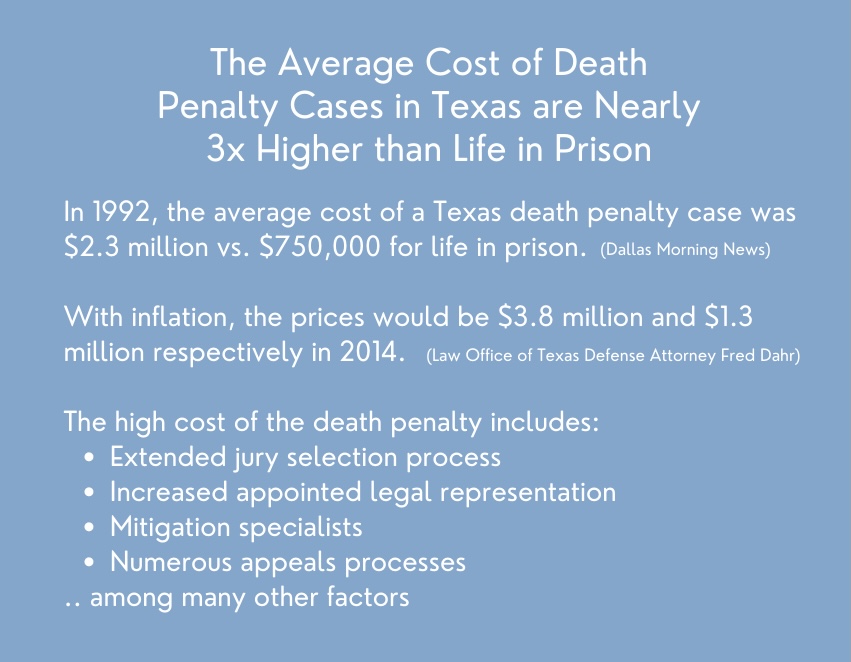
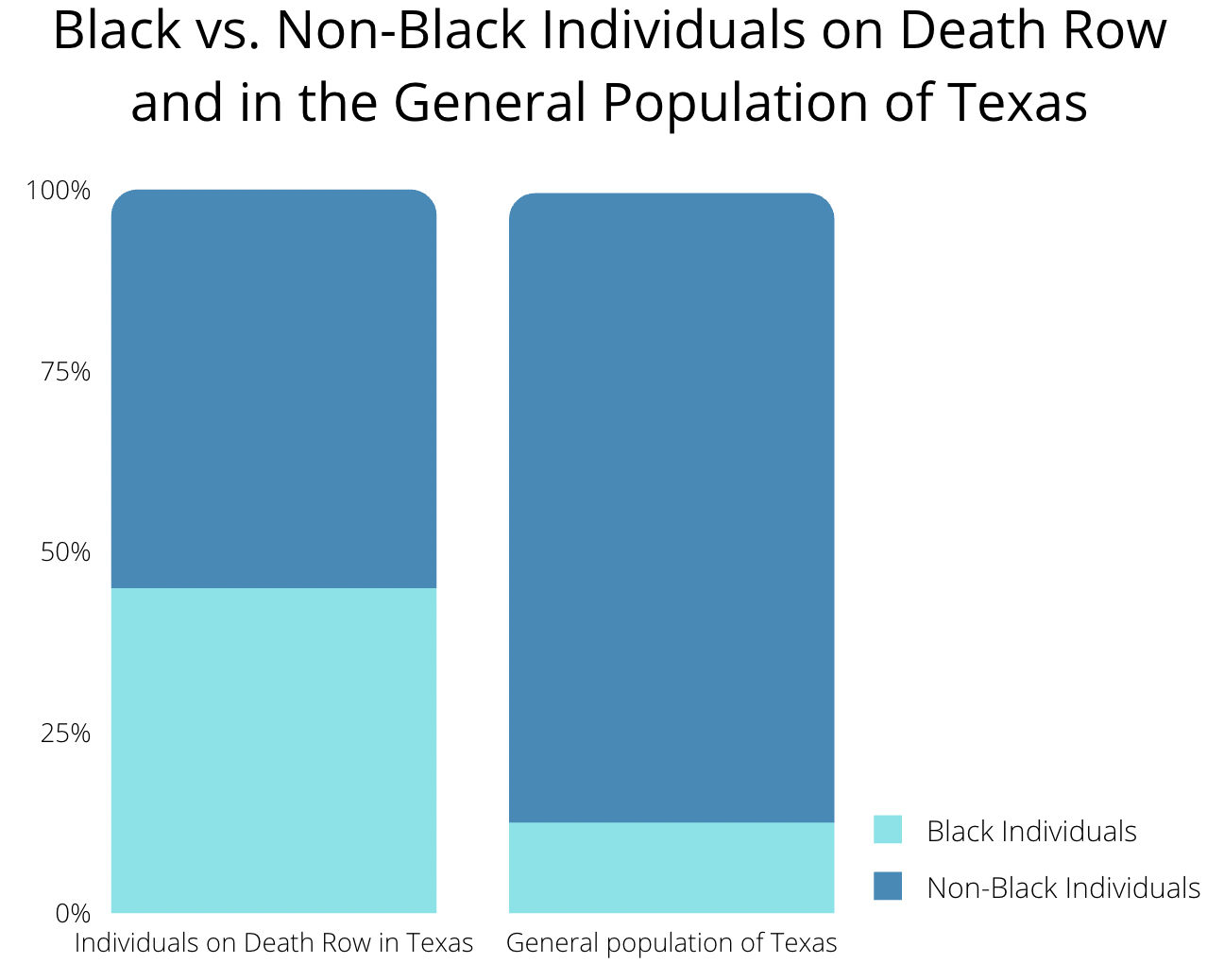
Opponents, on the other hand, raise concerns about the risk of executing innocent individuals, the morality of state-sanctioned killing, and the perceived lack of conclusive evidence that the death penalty acts as a significant deterrent. They also point to issues of fairness and potential bias in its application, as well as the high cost associated with capital cases compared to life imprisonment.
Legal Challenges and Reform Efforts
The death penalty in Texas has been, and continues to be, the subject of numerous legal challenges. These challenges often focus on the constitutionality of the death penalty itself, the fairness of the trial process, the effectiveness of legal representation for indigent defendants, and the specific methods of execution.
Advocacy groups, legal organizations, and individuals actively engage in efforts to reform or abolish capital punishment in Texas. These efforts include lobbying state legislators, filing lawsuits, raising public awareness, and advocating for clemency for death row inmates. The debate is multifaceted, involving legal scholars, policymakers, victims’ families, and religious and ethical leaders.
Texas’s Death Row and Executions
Texas has consistently ranked as the state with the highest number of executions in the United States for many years. The state maintains a dedicated death row facility for inmates sentenced to capital punishment.
The Huntsville Unit
The Huntsville Unit, operated by the Texas Department of Criminal Justice, is the primary facility where executions are carried out. This unit houses male death row inmates and has been the site of hundreds of executions since the reinstatement of capital punishment in the United States in the 1970s. Female death row inmates are housed at the Mountain View Unit.
The Process of Execution
The execution process in Texas is highly regulated and follows strict protocols. After all appeals have been exhausted and all legal challenges have been resolved, the inmate is moved to the Huntsville Unit in the days leading up to their scheduled execution. The execution itself is a solemn and formal procedure, observed by a limited number of witnesses, typically including legal representatives, family members of the inmate, and representatives of the victims’ families, as well as media witnesses.
Understanding the legal framework, historical trajectory, public discourse, and practical administration of the death penalty in Texas provides a comprehensive insight into a significant aspect of the state’s justice system. For visitors and those interested in the unique character of Texas, this complex issue is an important, albeit somber, part of its narrative.
LifeOutOfTheBox is a participant in the Amazon Services LLC Associates Program, an affiliate advertising program designed to provide a means for sites to earn advertising fees by advertising and linking to Amazon.com. Amazon, the Amazon logo, AmazonSupply, and the AmazonSupply logo are trademarks of Amazon.com, Inc. or its affiliates. As an Amazon Associate we earn affiliate commissions from qualifying purchases.