
The simple, resounding answer is yes, the magnificent Grand Canyon, one of the world’s most breathtaking natural wonders, is predominantly located in the state of Arizona, United States. This iconic landmark, a testament to millions of years of geological processes and the relentless carving power of the Colorado River, draws millions of visitors annually, all eager to witness its unparalleled scale and beauty. As a quintessential travel destination, the Grand Canyon offers a diverse range of experiences, from awe-inspiring viewpoints to challenging adventures, making it a bucket-list item for travelers worldwide.
This article delves into the specifics of the Grand Canyon’s location, exploring its vast expanse within Arizona and providing comprehensive guidance for planning an unforgettable visit. We will cover essential aspects of travel, accommodation, tourism activities, and how to tailor your experience to suit various lifestyles, ensuring you make the most of your journey to this geological masterpiece. From luxurious stays to budget-friendly adventures, the Grand Canyon promises a profound connection with nature and a wealth of memories.
A Definitive Answer: The Grand Canyon’s Location
The Grand Canyon is unequivocally situated in Arizona, a fact central to understanding its accessibility and regional attractions. The vast majority of what travelers consider the “main” Grand Canyon experience falls within the boundaries of Grand Canyon National Park, which is entirely contained within the Grand Canyon State. This natural landmark spans 277 river miles, up to 18 miles wide, and a mile deep, creating an immense geological canvas that captivates every visitor. Its designation as a UNESCO World Heritage Site further solidifies its global importance as a natural treasure.
Nestled in the Heart of Arizona
While the Grand Canyon is a singular entity, it is typically experienced through its distinct regions or “rims,” each offering unique perspectives and access points, all primarily within Arizona.
The South Rim is by far the most popular and accessible part of the Grand Canyon National Park. Open year-round, it boasts the most developed infrastructure, including visitor centers, hotels, restaurants, and a myriad of viewpoints. Its proximity to major transportation hubs and the sheer number of panoramic vistas make it the go-to choice for first-time visitors and families. Key towns like Tusayan and Williams, both in Arizona, serve as critical gateways to the South Rim, offering additional accommodation and services.
The North Rim, while geographically close to the South Rim across the canyon, is a significantly different experience. Due to its higher elevation and more remote location, it is only open seasonally, typically from mid-May to mid-October. The North Rim offers a more secluded and pristine environment, characterized by lush forests and distinct viewpoints. It’s a favorite among those seeking a quieter, more intimate connection with nature, and its access roads are entirely within Arizona.
The West Rim is managed by the Hualapai Tribe and is located approximately two hours drive from Las Vegas, Nevada. Although often associated with Las Vegas due to its marketing and tour departures, the West Rim itself, including popular attractions like the Grand Canyon Skywalk, is also firmly within the boundaries of Arizona. This area offers a different set of attractions, including the famous glass bridge and opportunities to learn about Hualapai culture, but it is not part of the national park system.
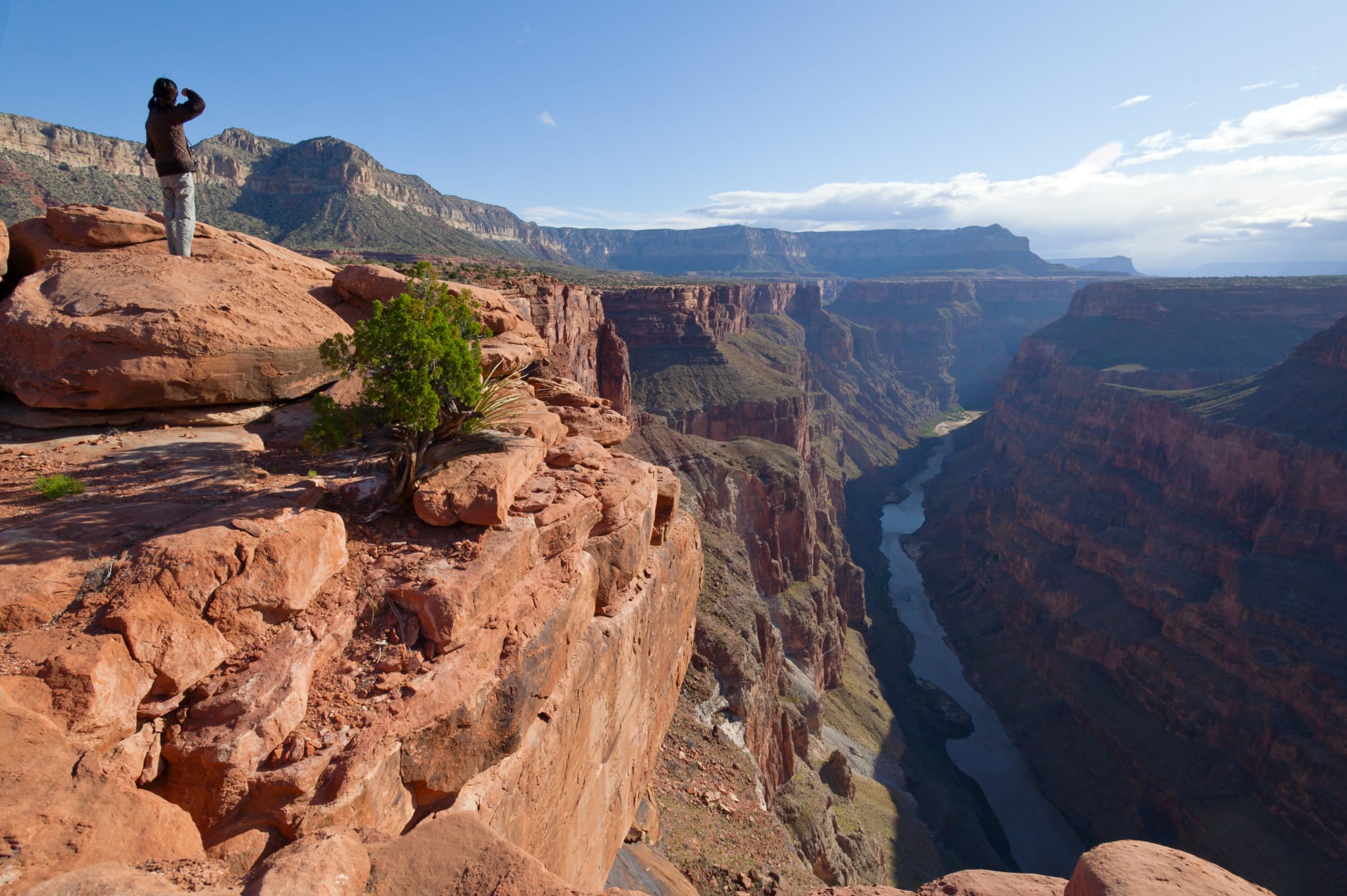
Understanding these distinctions helps clarify that regardless of which rim you choose to visit, the fundamental answer remains: the natural wonder of the Grand Canyon is indeed a crowning jewel of Arizona.
Planning Your Grand Canyon Adventure: Travel & Logistics
Embarking on a journey to the Grand Canyon requires careful planning, especially when considering travel logistics, accommodation, and the best way to experience this immense landmark. As a premier travel destination, it caters to a wide array of preferences, from independent explorers to those preferring guided tours.
Getting There: Major Gateways and Transportation
Accessing the Grand Canyon involves several key gateway cities, predominantly in Arizona, each offering distinct advantages.
- Phoenix, Arizona: As the largest city and capital of Arizona, Phoenix serves as a major international entry point via Phoenix Sky Harbor International Airport (PHX). From Phoenix, the South Rim is approximately a 3.5 to 4-hour drive north, making rental cars a popular choice. Many travelers also opt for shuttle services or organized bus tours directly from Phoenix for convenience.
- Las Vegas, Nevada: While in a different state, Las Vegas is a significant gateway, particularly for those visiting the West Rim or incorporating the Grand Canyon into a broader Southwest itinerary. Harry Reid International Airport (LAS) in Las Vegas is a hub for numerous tours, including popular helicopter flights and bus trips to the West Rim and even longer excursions to the South Rim. The drive to the South Rim from Las Vegas is roughly 4.5 to 5 hours.
- Flagstaff, Arizona: This charming mountain town is the closest major city to the South Rim, only about a 1.5-hour drive away. Flagstaff Pulliam Airport (FLG) offers regional flights, making it a convenient option for those who prefer to minimize driving. Flagstaff itself provides a wide range of hotels, dining options, and serves as an excellent base for exploring not just the Grand Canyon, but also other northern Arizona attractions.
- Williams, Arizona: Located even closer to the South Rim (about an hour’s drive), Williams is famous as the “Gateway to the Grand Canyon” and the home of the Grand Canyon Railway. This historic train offers a unique, scenic journey directly into the park, providing an alternative to driving and a charming nod to early 20th-century travel.
For those planning to visit the North Rim, the nearest major airport is in Las Vegas, but the drive is considerably longer, about 5.5 hours, traversing more remote Arizona landscapes. Given the vast distances, renting a car offers the most flexibility for exploring the various viewpoints and surrounding areas at your own pace.
Where to Stay: Hotels, Resorts, and Unique Accommodations
Accommodation options around the Grand Canyon cater to every taste and budget, ranging from historic lodges within the national park to modern resorts and quaint hotels in nearby towns. Booking well in advance is crucial, especially for stays inside the park, as these properties fill up quickly.
- Inside Grand Canyon National Park (South Rim): Staying within the park offers unparalleled convenience and early access to viewpoints. Historic lodges such as the El Tovar Hotel provide a luxurious and nostalgic experience, while properties like Bright Angel Lodge, Maswik Lodge, and Yavapai Lodge offer comfortable, more moderately priced rooms. These accommodations are ideal for maximizing time spent admiring the canyon, particularly at sunrise and sunset.
- Tusayan, Arizona: Just outside the South Rim’s south entrance, Tusayan is a small town with several hotels, including well-known brands like Grand Canyon Squire Inn and Best Western Premier Grand Canyon Squire Inn. It offers a good balance of proximity to the park and a wider selection of lodging and dining compared to staying inside the park, often at slightly more competitive prices.
- Williams, Arizona: Approximately an hour south of the South Rim, Williams is a popular choice for those looking for more budget-friendly options or a wider range of hotels. It boasts a charming historic Route 66 downtown and serves as a convenient base, especially for travelers utilizing the Grand Canyon Railway.
- Flagstaff, Arizona: As mentioned, Flagstaff provides an even broader selection of hotels, from luxury resorts to economy motels. While further out, its vibrant atmosphere, diverse culinary scene, and access to other attractions like Walnut Canyon National Monument make it an appealing choice for travelers willing to drive a bit further each day.
- North Rim Lodging: The Grand Canyon Lodge North Rim is the primary lodging option within the North Rim of Grand Canyon National Park. Due to its limited availability and seasonal operation, securing a reservation here requires booking months, if not a year, in advance.
For a unique accommodation experience, camping is also a popular option, with several campgrounds available both inside and outside the park. For those seeking more unconventional stays, some private ventures offer glamping or cabin rentals further afield, providing a blend of rustic charm and modern comforts.
Experiences and Activities: Exploring the Natural Landmark
The Grand Canyon is far more than just a magnificent view; it’s an expansive playground for exploration and adventure. From leisurely strolls along the rim to challenging hikes into the canyon’s depths, the range of tourism activities caters to all fitness levels and interests.
Must-Do Activities and Iconic Viewpoints
The Grand Canyon’s sheer size means there are countless ways to experience its grandeur.
- Rim Trail Walks: The paved Rim Trail along the South Rim offers easy access to numerous iconic viewpoints. Visitors can enjoy leisurely walks between spots like Mather Point, Yavapai Point, and Grandview Point, often utilizing the free park shuttle buses to cover longer distances. Each viewpoint provides a distinct perspective of the canyon’s vastness and intricate geology.
- Desert View Watchtower: Located at the eastern edge of the South Rim, this historic stone tower offers panoramic views of the Colorado River and a glimpse into ancestral Puebloan architecture.
- Hiking into the Canyon: For the adventurous, descending into the canyon on trails like the Bright Angel Trail or Kaibab Trail offers an immersive experience. Day hikes often go to points like Ooh Aah Point or Cedar Ridge, providing a sense of scale and intimate views of the rock layers. For multi-day hikers, a permit is required to trek to the bottom and stay overnight at Phantom Ranch or designated campgrounds.
- Helicopter and Scenic Flights: Perhaps the most spectacular way to grasp the Grand Canyon’s immensity is from above. Helicopter tours depart from Tusayan (for South Rim views) or Las Vegas (for West Rim and limited South Rim tours), offering unparalleled aerial perspectives of the winding Colorado River and the vast network of side canyons.
- Colorado River Rafting: For the ultimate adventure, white-water rafting trips on the Colorado River through the Grand Canyon can range from half-day excursions on calmer waters (often from the West Rim) to multi-day, challenging trips through rapids, offering a unique perspective from the canyon floor.
- Mule Rides: A classic Grand Canyon experience, mule rides offer a distinctive way to explore the trails, with guided trips ranging from short rim excursions to overnight descents to the canyon floor.
- Grand Canyon Skywalk: Located at the West Rim, this U-shaped glass bridge extends 70 feet out over the canyon rim, offering a thrilling walk with a transparent view 4,000 feet down to the canyon floor. It’s a popular attraction for visitors arriving from Las Vegas.
Tailoring Your Trip: Lifestyle Travel Options
The Grand Canyon’s versatility allows it to cater to various travel lifestyles, ensuring every visitor finds their ideal experience.
- Family Trips: The Grand Canyon is an incredible educational experience for families. Kid-friendly activities include easy sections of the Rim Trail, ranger-led programs at visitor centers, and the Junior Ranger program, which engages children in learning about the park’s natural and cultural history. Many hotels offer family suites, and nearby towns have dining options suitable for all ages.
- Luxury Travel: For those seeking an upscale experience, private guided tours, exclusive scenic flights, and stays at the historic El Tovar Hotel or similar high-end accommodations provide comfort and elegance. Fine dining options, personalized itineraries, and bespoke adventure packages elevate the journey.
- Budget Travel: Visiting the Grand Canyon doesn’t have to break the bank. Camping (with advance reservations) is an affordable alternative to hotels. Bringing your own food, utilizing the free park shuttle system, and focusing on free activities like rim walks and ranger talks can significantly reduce costs. Towns like Williams or Flagstaff offer more economical lodging options.
- Adventure Seekers: Beyond standard day hikes, the Grand Canyon beckons serious adventurers. Backcountry hiking (with permits), multi-day rafting expeditions, and even mountain biking on designated trails offer adrenaline-pumping challenges and unique perspectives of the canyon’s remote beauty.
Beyond the Canyon: Nearby Arizona Gems
While the Grand Canyon is undeniably the star attraction, Arizona’s diverse landscape offers many other captivating destinations that can easily be combined with your canyon visit, enriching your overall travel experience.
Extending Your Arizona Exploration
- Sedona: Just two hours south of the South Rim, Sedona is renowned for its vibrant red rock formations, spiritual vortexes, and thriving arts scene. It’s a haven for hikers, wellness enthusiasts, and photographers, offering a completely different but equally stunning natural beauty. Many choose to combine a visit to the Grand Canyon with a relaxing stay in Sedona.
- Page, Arizona: Located near the northern border of Arizona, Page is home to several other iconic natural attractions. Antelope Canyon, a stunning slot canyon famous for its swirling sandstone and ethereal light beams, requires a guided tour with a Navajo guide. Horseshoe Bend, a dramatic U-shaped meander of the Colorado River, offers another spectacular viewpoint just a short walk from the highway. Page is an excellent detour for those exploring the North Rim or traveling between the Grand Canyon and southern Utah.
- Monument Valley: Further east, straddling the Arizona-Utah border, Monument Valley Navajo Tribal Park is an iconic landscape of towering sandstone buttes and mesas, familiar from countless Western films. This area offers a profound cultural experience and stunning photographic opportunities.
- Hoover Dam: For those flying into or out of Las Vegas, a stop at the Hoover Dam is a popular and impressive addition. This engineering marvel, located on the border of Arizona and Nevada, offers fascinating tours and dramatic views of Lake Mead.
These additional destinations highlight Arizona’s incredible natural diversity and cultural richness, making it an ideal state for an extended road trip focused on scenic beauty and outdoor adventure.
In conclusion, the answer to “Is the Grand Canyon in Arizona?” is a resounding yes. This magnificent natural landmark is a cornerstone of Arizona’s identity and a beacon for travelers seeking unparalleled natural beauty and adventure. Whether you’re drawn by the desire to witness its epic scale, hike its challenging trails, or simply soak in the awe-inspiring vistas, the Grand Canyon offers a wealth of experiences. With diverse accommodation options, accessible travel routes, and a myriad of activities catering to every lifestyle and budget, planning your visit to this UNESCO World Heritage Site is the first step towards an unforgettable journey into one of Earth’s most spectacular landscapes. Its location in the heart of Arizona ensures that visitors can combine their canyon adventure with explorations of other unique Arizona attractions, creating a truly comprehensive travel experience.
LifeOutOfTheBox is a participant in the Amazon Services LLC Associates Program, an affiliate advertising program designed to provide a means for sites to earn advertising fees by advertising and linking to Amazon.com. Amazon, the Amazon logo, AmazonSupply, and the AmazonSupply logo are trademarks of Amazon.com, Inc. or its affiliates. As an Amazon Associate we earn affiliate commissions from qualifying purchases.