
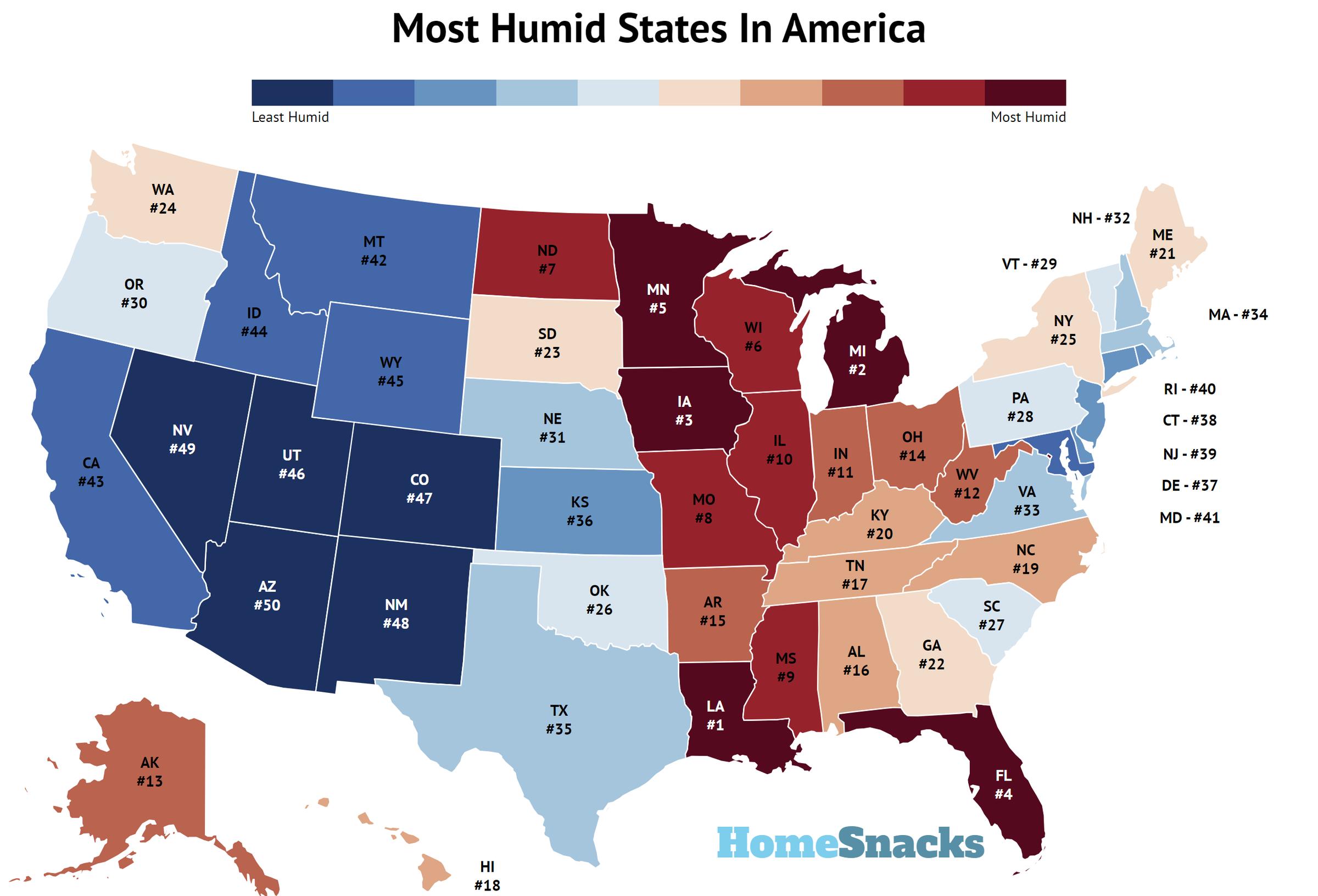
While often associated with crisp, dry air and dramatic snowfalls, Alaska’s climate is far more varied than many imagine. For travelers planning a trip, understanding the nuances of its atmospheric conditions, including humidity, is crucial for an enjoyable experience. The perception of humidity can significantly impact comfort levels, especially when engaging in outdoor activities or visiting specific regions within this vast state. This article delves into the factors influencing humidity in Alaska and clarifies what travelers can expect, debunking common misconceptions and offering practical advice.
Understanding Alaska’s Climate and Humidity
Alaska‘s geographical expanse, stretching from the temperate rainforests of the Panhandle to the Arctic tundra, means humidity levels can fluctuate dramatically across the state. Unlike many lower-latitude regions where humidity is a constant, pervasive factor, Alaska‘s humidity is more closely tied to prevailing weather patterns, proximity to large bodies of water, and seasonal shifts.

Coastal vs. Interior Alaska
The most significant differentiator in Alaska’s humidity is the stark contrast between its coastal and interior regions.
Coastal Regions (Southeast and Southcentral)
The coastal areas, particularly the Panhandle which includes cities like Juneau and [Ketchikan](https://lifeoutofthebox.com/ અને Ketchikan), are characterized by temperate rainforests. These regions receive abundant precipitation, and while the temperature might not be excessively high, the constant moisture contributes to higher relative humidity.
- Southeast Alaska: This area experiences a maritime climate. Expect frequent rainfall and misty conditions, especially during the summer months. While this might translate to higher relative humidity readings, it rarely feels oppressively muggy due to cooler temperatures. The air can feel damp and moist, which is essential for the lush vegetation but might require lighter, quick-drying clothing for visitors. Think of the feeling after a gentle rain in a forested area; it’s moist but not sticky.
- Southcentral Alaska: Cities like Anchorage and Homer experience a blend of maritime and continental influences. Humidity here can be moderate, often increasing during warmer periods or when weather systems bring moisture from the Gulf of Alaska. Summers can have days with noticeable humidity, especially near the coast, but it typically doesn’t reach the levels seen in tropical climates.
Interior and Arctic Regions
The interior of Alaska, including areas around Fairbanks, and the vast Arctic regions, have a continental climate. These areas experience more extreme temperature variations between seasons.
- Interior Alaska: Summers in the interior can get surprisingly warm, and with warmth comes the potential for increased humidity. However, these regions are far from large oceanic bodies, meaning the moisture content in the air is generally lower than on the coast. When humidity does rise, it can feel more noticeable because the air is also warmer. Still, it’s unlikely to reach the oppressive levels found in many other parts of the world.
- Arctic Alaska: The Arctic is characterized by extremely cold and dry conditions for most of the year. During the brief summer, when temperatures rise above freezing, the ground thaws, and some moisture is released. However, overall humidity levels remain very low compared to southern latitudes. The air is often crisp and dry, even when it’s warm.
Seasonal Variations and Their Impact
Humidity levels in Alaska are heavily influenced by the seasons.
- Summer (June-August): This is generally the warmest period, and with warmer air, the potential for higher humidity increases. Coastal areas will experience higher moisture content due to rain and fog. Interior areas might see more noticeable humidity on warmer days. This is often when travelers inquire most about humidity, as it directly affects comfort during outdoor exploration.
- Spring (April-May) and Autumn (September-October): These shoulder seasons can bring a mix of conditions. Precipitation is common, and as temperatures fluctuate, humidity can rise and fall. Coastal areas might remain damp, while the interior could experience drier, crisper air or periods of rain.
- Winter (November-March): Alaska is renowned for its cold winters. Cold air holds very little moisture. Therefore, humidity levels are exceptionally low during the winter months. While it may feel dry, the primary discomfort factor is the extreme cold, not humidity. Indoor heating can also further dry out the air.
What “Bad” Humidity Means in Alaska
The term “bad humidity” is subjective and depends on individual tolerance and the type of activities planned. In Alaska, it’s less about oppressive heat and stickiness and more about the dampness associated with frequent rain and fog, or the noticeable increase in moisture on warmer summer days.
Perceived vs. Actual Humidity
It’s important to distinguish between perceived humidity and measured relative humidity.

- Relative Humidity: This is the amount of water vapor present in the air expressed as a percentage of the amount needed to saturate the air at a given temperature. While Alaska‘s relative humidity can be high, especially in coastal rainforests, the lower temperatures often prevent it from feeling “bad” in the tropical sense.
- Perceived Humidity/Comfort: This is how the humidity feels to an individual. Dampness from persistent rain can feel uncomfortable for some, even if the relative humidity isn’t extreme. Conversely, a warm day in the interior with moderate relative humidity might feel more “humid” and uncomfortable than a cool, damp day on the coast.
Impact on Travelers and Activities
Understanding humidity is vital for packing and planning.
- Outdoor Activities: For hikers, campers, and wildlife viewers, damp conditions can make clothing feel heavier and slower to dry. In coastal areas, rain gear and waterproof layers are essential regardless of humidity. In the interior, warmer, more humid days might make strenuous activities feel more challenging.
- Comfort in Accommodations: High humidity can sometimes lead to a feeling of clamminess indoors, though this is less common in Alaska than in warmer, more humid climates. Hotels and lodges in Alaska are well-equipped to manage indoor climate control.
- Health Considerations: For individuals sensitive to dampness, persistent moisture in coastal regions might be a consideration. However, for most travelers, the primary health concern in Alaska is managing extreme temperatures, not humidity-induced issues.
Current Humidity Conditions: Navigating the “Right Now”
Given Alaska’s vastness, providing a single answer to “Is the humidity bad in Alaska right now?” is impossible without specifying a location and exact date. Weather patterns are dynamic, and humidity levels can change daily.
How to Check Current Conditions
For travelers with specific dates and destinations in mind, consulting real-time weather forecasts is the most effective approach.
- Identify Your Destination: Are you heading to Juneau, Fairbanks, Anchorage, or perhaps a more remote area like Denali National Park and Preserve?
- Use Reputable Weather Sources: Websites and apps like the National Weather Service, AccuWeather, or The Weather Channel provide detailed forecasts that include humidity percentages, dew points, and precipitation chances for specific locations.
- Look for Dew Point: The dew point is a more direct indicator of the actual amount of moisture in the air. A higher dew point generally feels more humid. A dew point above 65°F (18°C) is typically considered uncomfortable. In Alaska, dew points rarely reach such levels, even in the warmest months.
Examples of What “Right Now” Might Mean
- If it’s a cool, rainy day in Southeast Alaska: You might see relative humidity readings in the 80-90% range. This will feel damp and moist, requiring rain gear, but likely not “bad” in terms of oppressive heat.
- If it’s a warm, sunny day in Interior Alaska: Relative humidity might be in the 50-60% range. If the temperature is in the 70s or 80s°F (20s°C), this could feel noticeably warm and perhaps a bit humid to some, but it’s generally pleasant for outdoor activities.
- If it’s a typical winter day in Anchorage: Relative humidity will likely be very low, perhaps 60-70%, but the temperature will be well below freezing, making the air feel dry and cold, not humid.
Packing and Preparation for Varying Humidity
Regardless of the exact humidity levels, preparing for Alaska’s climate means embracing a layered approach to dressing and packing.
Essential Gear for Damp Conditions
Even when humidity isn’t exceptionally high, Alaska can be damp, especially in coastal areas.
- Waterproof and Breathable Outerwear: A good quality rain jacket and rain pants are indispensable. Look for materials that allow moisture vapor (sweat) to escape, preventing you from feeling damp from the inside.
- Quick-Drying Layers: Opt for synthetic or merino wool base layers and mid-layers that wick moisture away from your skin and dry quickly. Cotton should be avoided as it holds moisture and takes a long time to dry, leading to discomfort and potential hypothermia in cooler temperatures.
- Waterproof Footwear: Sturdy, waterproof hiking boots are essential for exploring trails and keeping your feet dry in wet conditions.
Managing Indoor Comfort
Most accommodations in Alaska are designed to handle the climate. However, if you’re staying in a remote cabin or planning a camping trip:
- Ventilation: Ensure adequate ventilation to prevent moisture buildup, especially if cooking or drying clothes indoors.
- Dehumidifiers: In rare cases, for longer stays in exceptionally damp coastal areas during summer, a portable dehumidifier might be considered, but this is usually unnecessary for most tourist stays.
In conclusion, while Alaska can experience periods of high relative humidity, particularly in its coastal rainforests during rainy seasons, it rarely reaches levels that would be considered “bad” in the context of tropical or subtropical climates. The perception of humidity is more often linked to the presence of rain, fog, and cooler temperatures, which create a damp rather than a sticky or oppressive atmosphere. By understanding these nuances and preparing with appropriate gear, travelers can ensure a comfortable and memorable experience exploring the wonders of Alaska.
LifeOutOfTheBox is a participant in the Amazon Services LLC Associates Program, an affiliate advertising program designed to provide a means for sites to earn advertising fees by advertising and linking to Amazon.com. Amazon, the Amazon logo, AmazonSupply, and the AmazonSupply logo are trademarks of Amazon.com, Inc. or its affiliates. As an Amazon Associate we earn affiliate commissions from qualifying purchases.