
The approach of a hurricane towards any populated area invariably sparks concern, and for a city as vibrant and popular as Orlando, this question carries particular weight. As a global epicenter for tourism and a beloved destination for millions, understanding the potential impact of severe weather is paramount for residents and visitors alike. This article aims to provide a comprehensive overview of hurricane preparedness in Orlando, drawing on insights relevant to travel, accommodation, tourism, and the general lifestyle associated with visiting or living in this dynamic part of Florida.
Understanding Hurricane Threats to Orlando
Orlando, situated in the heart of Florida, is not directly on the coast, which can sometimes lead to a misconception about its vulnerability to hurricanes. However, its geographical position does not grant immunity. Hurricanes are vast weather systems that can extend hundreds of miles, and their impacts are felt far inland. This includes devastating winds, torrential rainfall leading to widespread flooding, and the potential for tornadoes, which often form within the outer bands of a hurricane. The unique geography of Florida, being a peninsula, means that storms can make landfall on either coast and still significantly affect the interior.
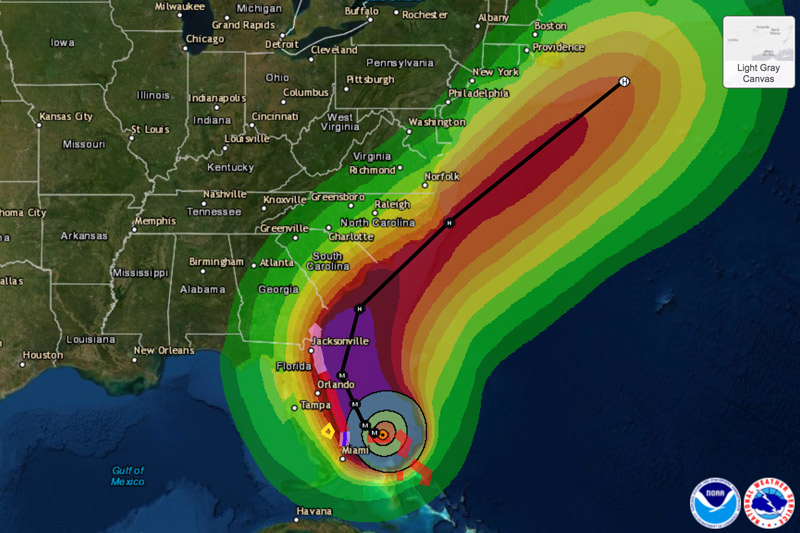
Factors Influencing Hurricane Tracks
The path of a hurricane is notoriously difficult to predict with absolute certainty, especially in the long term. Meteorologists use complex computer models that analyze a multitude of atmospheric conditions to forecast a storm’s trajectory. These conditions include:
- Atmospheric Steering Currents: High and low-pressure systems act like invisible rivers in the atmosphere, guiding the hurricane’s movement. Shifts in these currents, even slight ones, can dramatically alter a storm’s path.
- Sea Surface Temperatures: Warm ocean waters are the fuel for hurricanes. The temperature of the Atlantic Ocean and the Gulf of Mexico plays a significant role in the intensity and potential track of developing storms.
- Storm Intensity: A stronger storm can sometimes resist steering currents more effectively, while a weaker storm might be more easily nudged off course.
For Orlando, understanding these factors is crucial. While a direct hit from a major hurricane is a possibility, a storm making landfall on the Florida coast could still bring significant impacts to the city. Coastal storms often weaken as they move inland, but they can still carry destructive winds, cause flash flooding due to intense rainfall, and generate dangerous tornadoes. The experience of past hurricanes, such as Hurricane Charley in 2004, which made landfall on the southwest coast of Florida and then surprised many by rapidly moving inland and directly impacting Orlando with significant force, serves as a potent reminder of this reality.
Preparing for a Hurricane in Orlando
Whether you are planning a dream vacation to experience the magic of Walt Disney World or Universal Orlando Resort, or if you are a resident, preparedness is key. The tourism sector in Orlando is exceptionally well-versed in hurricane preparedness, with protocols and contingency plans in place to ensure the safety of guests and staff.
Travel and Accommodation Adjustments
For travelers, the most immediate concern when a hurricane is forecast to impact Orlando is the effect on travel plans and accommodation.
- Flight Cancellations: Airports like Orlando International Airport can experience widespread flight cancellations and delays as a storm approaches. Airlines typically issue travel advisories, allowing passengers to rebook flights without penalty during specific periods. It is essential to monitor airline communications closely.
- Hotel Policies: Most hotels and resorts in Orlando, from luxury accommodations like the Four Seasons Resort Orlando at Walt Disney World Resort to more budget-friendly options, have specific hurricane policies. These often include flexible cancellation and rebooking options for guests whose travel plans are disrupted by a hurricane. Many properties will also offer discounted rates for guests who are displaced by the storm and need to extend their stay.
- Theme Park Operations: Orlando‘s world-renowned theme parks, including Walt Disney World, Universal Orlando Resort, and SeaWorld Orlando, have robust emergency plans. They often close temporarily when a hurricane is projected to cause significant impact, prioritizing the safety of their guests and Cast Members. Information regarding park closures and reopening schedules is usually communicated well in advance through their official websites and social media channels.
- Road Travel: Driving in Florida during hurricane season, especially when a storm is approaching, can be hazardous. Evacuation routes are designated by local authorities, and traffic can be extremely heavy. Planning road trips with flexibility and staying informed about official advisories is crucial.

For those considering a longer-term stay or looking for accommodation options beyond a typical hotel, services offering apartments or villas often have different booking and cancellation terms. It is vital to review these thoroughly, especially during hurricane season, which officially runs from June 1 to November 30 each year.
Local Tourism and Activities Contingencies
Orlando‘s identity is inextricably linked to its vibrant tourism industry, and this sector has well-developed strategies for dealing with severe weather.
- Emergency Information Dissemination: Local tourism boards, official government websites, and news outlets provide continuous updates on storm forecasts, potential impacts, and safety advisories. These channels are invaluable for staying informed.
- Activity Adjustments: Many outdoor activities and tours might be suspended or cancelled due to severe weather. It is advisable to confirm the operational status of any planned excursions with the provider. Indoor attractions, museums, and shopping centers often remain open longer, offering alternatives for entertainment during periods of inclement weather.
- Community Support: In the event of a significant storm, local authorities and community organizations mobilize resources for shelter and assistance. Familiarizing oneself with evacuation zones and emergency shelter locations is a vital aspect of personal preparedness for residents and extended-stay visitors.
Safety and Preparedness Measures
Regardless of whether you are a tourist or a resident, understanding and implementing safety measures is paramount when a hurricane threatens Orlando.
Personal Preparedness Kits
Having a well-stocked emergency preparedness kit is a fundamental step for anyone in a hurricane-prone region. This kit should include:
- Water: At least one gallon per person per day for several days.
- Food: A several-day supply of non-perishable food items.
- Flashlight and Extra Batteries: Essential for power outages.
- First-Aid Kit: Including any necessary personal medications.
- Radio: A battery-powered or hand-crank NOAA Weather Radio with tone alert is highly recommended for receiving emergency broadcasts.
- Whistle: To signal for help.
- Moist Towelettes, Garbage Bags, and Plastic Ties: For personal sanitation.
- Wrench or Pliers: To turn off utilities.
- Manual Can Opener: For food.
- Local Maps: In case GPS is unavailable.
- Cell Phone with Chargers and a Backup Battery: To stay connected.
Staying Informed and Following Official Guidance
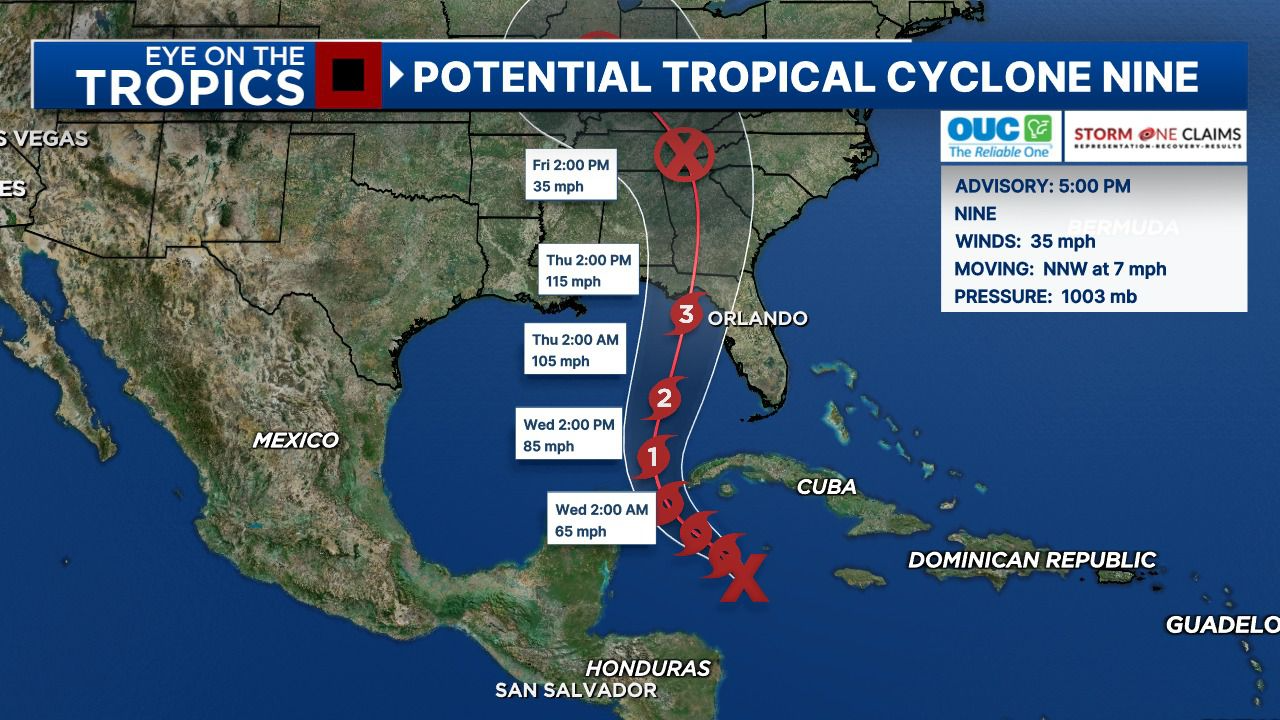
The most critical aspect of hurricane preparedness is staying informed and following the guidance of official emergency management agencies.
- National Hurricane Center: The National Hurricane Center (NHC) is the primary source for tropical cyclone information in the United States. Their advisories and forecasts are crucial for understanding a storm’s potential path and intensity.
- Local Emergency Management: Orange County Emergency Management (for Orlando) provides specific information for the local area, including evacuation orders, shelter openings, and other vital updates.
- Emergency Alerts: Residents and visitors should sign up for local emergency alert systems, which can provide timely notifications directly to mobile phones.
While the question “Is the hurricane going to hit Orlando?” is dynamic and dependent on real-time meteorological conditions, a proactive approach to preparedness can significantly mitigate risks. Orlando’s robust tourism infrastructure, coupled with diligent personal and community-level preparedness, ensures that even in the face of a severe weather threat, the safety and well-being of its millions of visitors and residents remain the top priority. By understanding the factors that influence hurricane tracks, making informed travel and accommodation decisions, and implementing essential safety measures, everyone can navigate the hurricane season with greater confidence and security in this beloved destination.
LifeOutOfTheBox is a participant in the Amazon Services LLC Associates Program, an affiliate advertising program designed to provide a means for sites to earn advertising fees by advertising and linking to Amazon.com. Amazon, the Amazon logo, AmazonSupply, and the AmazonSupply logo are trademarks of Amazon.com, Inc. or its affiliates. As an Amazon Associate we earn affiliate commissions from qualifying purchases.