
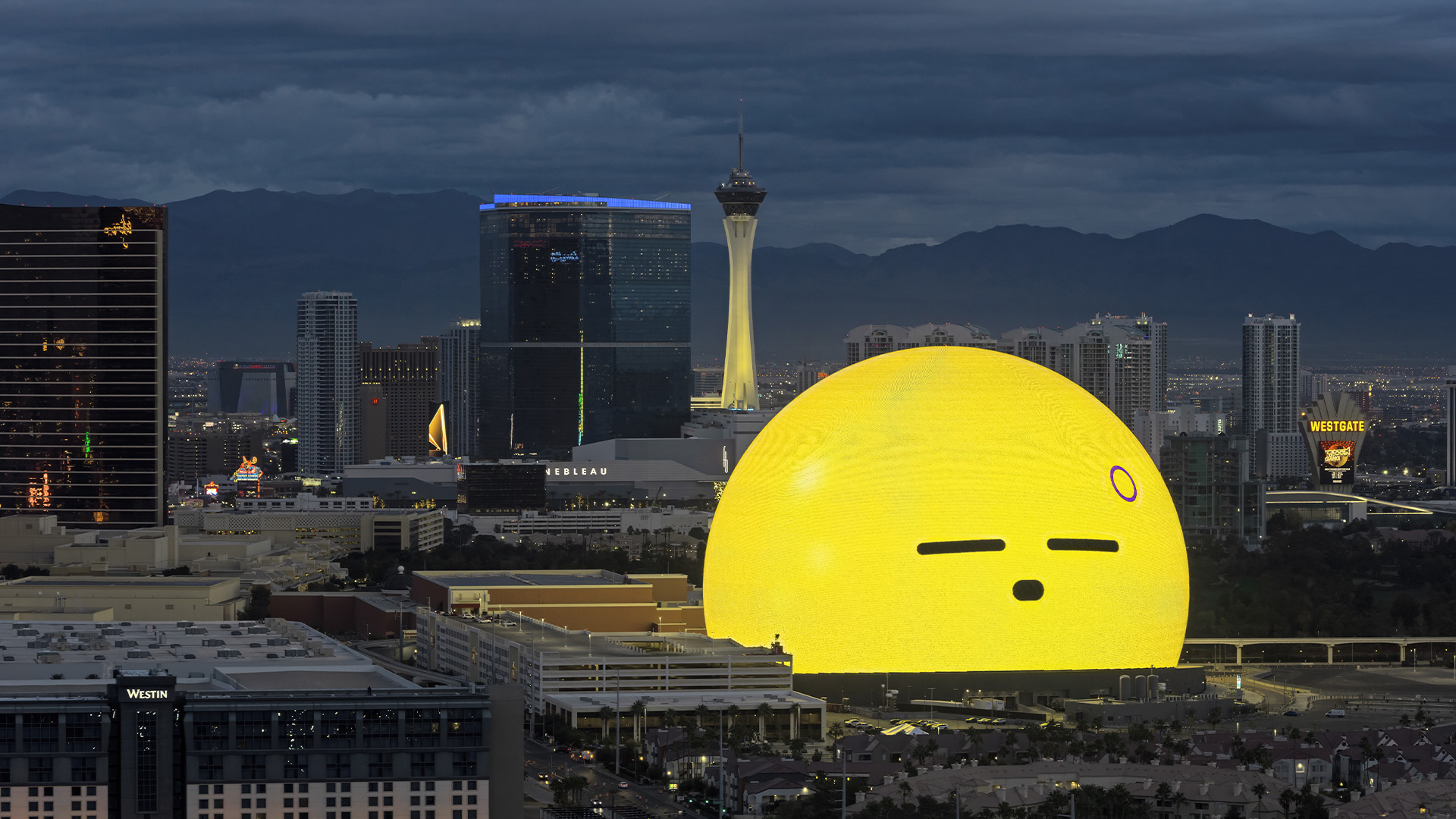
The Las Vegas skyline has been fundamentally altered by the introduction of the Sphere, a colossal architectural marvel that has quickly become the most recognizable landmark in the United States. With its towering frame and exterior covered in high-resolution LED panels—known as the Exosphere—visitors are often mesmerized by its constant visual changes. A frequent question from tourists and locals alike is whether this massive digital canvas is truly “constantly running,” or if the Nevada wonder ever takes a break.
The Mechanics of the Exosphere
To understand the operation of the Sphere in Las Vegas, one must look at the technology driving the world’s largest spherical structure. The exterior surface consists of 160,000 square feet of programmable LED light. This is not a static projection, but a massive, interconnected system of pixels that require immense amounts of data and electricity to function.

Energy Efficiency and Operational Logic
Despite the perception that the structure is always “on,” the MSG Entertainment team manages the display with a specific operational strategy. It is not necessarily running at full capacity 24 hours a day in the same way a standard billboard would. Instead, the Sphere Entertainment Co utilizes a sophisticated scheduling system. During the early morning hours, when the city of Las Vegas experiences a lull in foot traffic, the brightness levels and complexity of the displays are often scaled back or switched to static imagery to conserve energy and manage the visual impact on the surrounding environment, particularly near The Venetian Resort.
Data and Creative Programming
The content displayed on the Sphere is curated by a dedicated team of digital artists and engineers. The visuals—ranging from hyper-realistic eyeballs to abstract planetary textures—are pre-programmed. While it appears to be a constant stream of live video, it is actually a massive loop of high-fidelity files. This digital orchestration allows for precise control, meaning the system can be powered down or put into a “sleep mode” without any human intervention required on-site at the Las Vegas Strip.
The Sphere’s Role in the Las Vegas Landscape
Since its debut, the Sphere has moved beyond being a mere concert venue to become a central pillar of Nevada tourism. It serves as a beacon, drawing travelers from all over the world who come to witness its light shows from the streets or nearby high-rises like the Wynn Las Vegas or Encore at Wynn Las Vegas.
Impact on Urban Tourism
The structure has fundamentally changed how Las Vegas is experienced at night. Because the Exosphere is visible from nearly every elevated point in the city, it acts as an anchor for the skyline. The question of whether it is “constantly running” is a testament to its success; people assume it is always on because they want it to be. Its presence has turned once-dark sections of the Las Vegas Strip into vibrant, illuminated corridors.
Interaction with Nearby Landmarks
The proximity of the Sphere to other iconic locations like The Palazzo creates a unique visual synergy. When the Sphere showcases high-contrast imagery, it reflects off the glass facades of surrounding resorts, amplifying the sense that the entire district is alive. While it does not technically run at “full-throttle” 24/7, the frequency of its programming is high enough that visitors are almost guaranteed to see a display regardless of when they visit.
Operational Standards and Future Outlook
The longevity and maintenance of such a complex piece of technology are major concerns for the operators. The Sphere is not just an entertainment venue; it is a delicate piece of high-tech hardware.
Maintenance and Downtime
Maintenance protocols are stringent. Every few months, the engineering team performs diagnostic checks on the LED pucks that make up the exterior. During these maintenance windows, parts of the Exosphere may be dark or static. This is the only time one could definitively say the Sphere is not “running” in its intended capacity. However, these periods are brief and usually scheduled during the quietest hours of the Las Vegas calendar to avoid disrupting the guest experience for those staying at premium properties like The Venetian Resort.
The Sustainability Factor
Modern landmarks must balance spectacle with sustainability. The Sphere utilizes advanced power-saving technologies to ensure that its energy consumption, while significant, remains within the regulatory framework of the Nevada power grid. This efficiency allows the Sphere to remain illuminated longer and more consistently than older, traditional signage structures found elsewhere on the Las Vegas Strip.

Visitor Expectations
Ultimately, the public perception of the Sphere as an “always-on” entity is a triumph of marketing and engineering. Whether it is a late-night show following a concert or a promotional graphic for a new product launch, the Sphere provides a sense of continuity. For the millions of visitors who flock to the United States specifically to see this landmark, the light it casts is a defining feature of the modern Las Vegas experience.
It may occasionally blink, dim, or cycle through a maintenance routine, but for all intents and purposes, the Sphere is the heartbeat of the desert, pulsating with light that defines the next generation of global tourism. Whether viewed from the sidewalk or from the luxury suites of the Wynn Las Vegas, the Sphere remains a constant, glowing presence that ensures the Las Vegas Strip never truly sleeps.
LifeOutOfTheBox is a participant in the Amazon Services LLC Associates Program, an affiliate advertising program designed to provide a means for sites to earn advertising fees by advertising and linking to Amazon.com. Amazon, the Amazon logo, AmazonSupply, and the AmazonSupply logo are trademarks of Amazon.com, Inc. or its affiliates. As an Amazon Associate we earn affiliate commissions from qualifying purchases.