
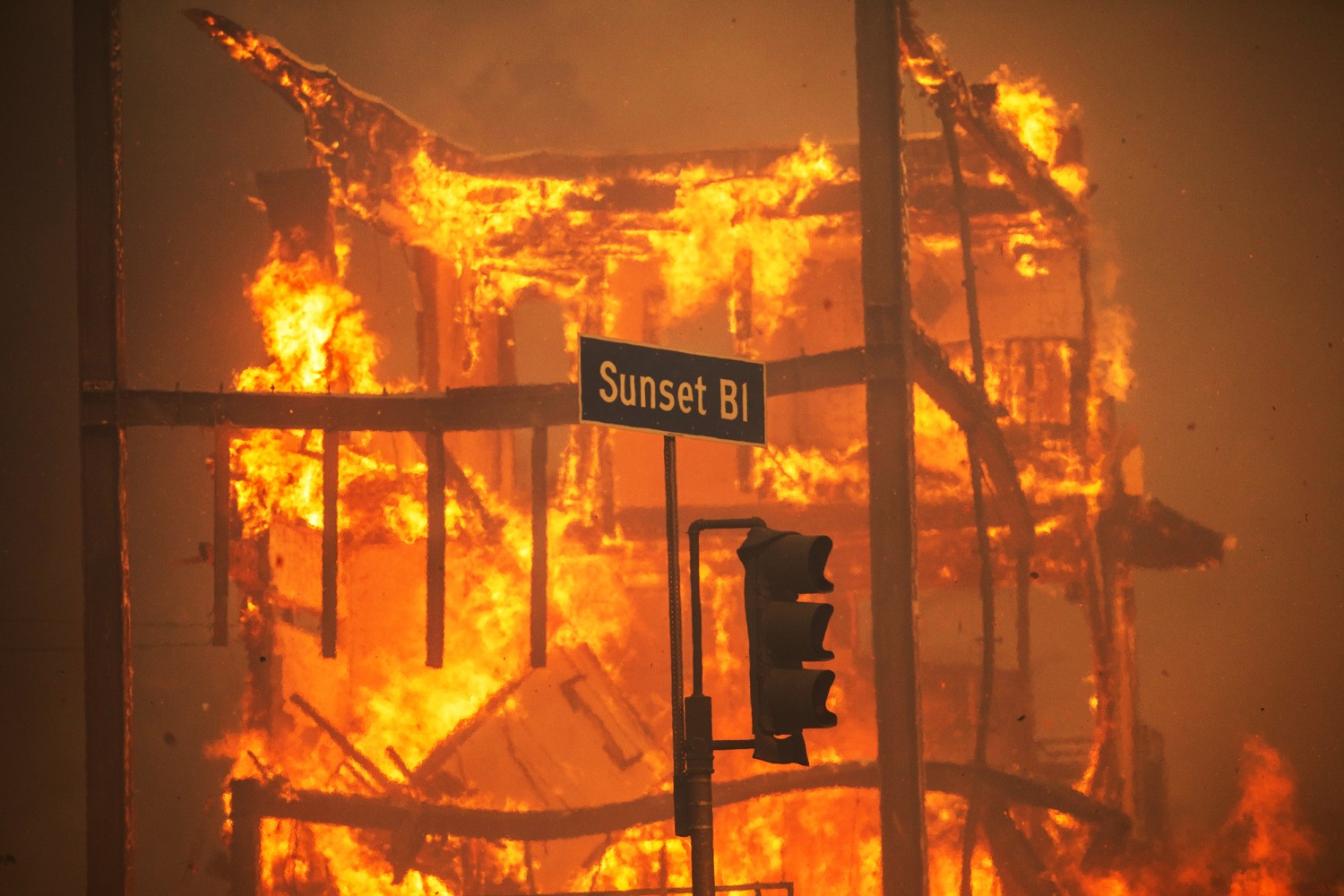
The siren’s wail, a familiar, albeit unwelcome, sound in the vast expanse of Los Angeles, often signals a challenge faced by this sprawling metropolis. Among the most significant of these are wildfires, a persistent threat that can rapidly transform the picturesque landscape into a scene of devastation. When news breaks of a significant blaze, the immediate question on everyone’s mind, from residents to potential tourists, is a critical one: Is The Los Angeles Fire Contained? This question carries immense weight, impacting everything from daily life and safety protocols to travel plans and the preservation of precious landmarks.

The intensity and spread of wildfires are influenced by a complex interplay of factors, including weather conditions, topography, and the availability of fuel. In California, the dry Mediterranean climate, coupled with Santa Ana winds, creates an environment ripe for ignition and rapid fire growth. Understanding these dynamics is key to grasping the challenges faced by the Los Angeles Fire Department and other emergency services. The containment of a fire isn’t a simple binary state; it’s a dynamic process, measured in percentages and evolving constantly as firefighters battle the flames.
Assessing the Fire’s Perimeter: The Critical Role of Containment
The term “contained” in the context of a wildfire refers to the percentage of the fire’s perimeter that has been secured by control lines. These control lines, whether natural barriers like roads or rivers, or man-made firebreaks, are designed to prevent further spread. When a fire is reported as 0% contained, it means the fire is actively spreading without any significant barriers to halt its progress. As containment levels increase – 25%, 50%, 75% – it signifies that firefighters are making substantial progress in establishing and strengthening these lines. Full containment, ideally 100%, means the fire is no longer expected to spread, and crews can focus on extinguishing hot spots and patrolling the burned area.
The progress of containment is a closely monitored metric, updated regularly by incident commanders. Factors influencing this progress include:
- Weather Conditions: Wind speed and direction are paramount. Erratic winds can cause spotting – embers igniting new fires ahead of the main blaze – making containment incredibly difficult. Humidity levels also play a crucial role; lower humidity means drier vegetation, which burns more readily.
- Topography: Steep canyons and rugged terrain pose significant challenges for firefighters, limiting access and increasing the risk of unpredictable fire behavior.
- Fuel Load: The amount and type of vegetation available to burn directly impact the fire’s intensity and spread. Dense, dry brush is a prime fuel source.
- Resources: The number of personnel, aircraft, and equipment deployed directly affects the speed and effectiveness of firefighting efforts.
When a major fire erupts, the immediate priority is to establish containment lines and prevent the fire from reaching populated areas, critical infrastructure, and natural treasures. The success of these efforts dictates the overall impact of the fire on the region.
The Impact on Los Angeles: A City Under Threat
The potential impact of uncontrolled wildfires on Los Angeles is profound and multifaceted. Beyond the immediate danger to life and property, fires can disrupt daily life, damage infrastructure, and threaten the region’s iconic natural beauty.
Safety and Evacuations: Protecting Lives and Homes
The most immediate concern during a wildfire is the safety of residents. When a fire approaches inhabited areas, mandatory evacuation orders are issued. These orders are critical for ensuring that people can safely leave the path of the fire. Understanding evacuation zones and routes is vital for anyone living in or visiting fire-prone areas of Los Angeles. The speed at which evacuations can be executed is often a race against time, with authorities working to clear neighborhoods before the flames arrive.
The psychological toll of evacuations and the constant threat of wildfires is also significant. Residents may experience anxiety and stress, knowing their homes could be at risk. The community often rallies together during these times, offering support and shelter to those displaced.

Economic Repercussions: Beyond Property Damage
The economic consequences of a major wildfire extend far beyond the cost of rebuilding burned structures. The disruption to businesses, particularly those in the tourism sector, can be substantial. Road closures, air quality concerns, and general unease can deter visitors, leading to lost revenue for hotels, restaurants, and attractions.
- Tourism: Los Angeles is a global tourist destination, drawing millions of visitors annually to its famous landmarks and diverse attractions. Wildfires can cast a shadow over these experiences, leading to cancellations and a decline in visitor numbers. The sight of smoke plumes, even from a distance, can be unsettling for tourists seeking relaxation and enjoyment.
- Infrastructure: Power lines, communication networks, and transportation routes can be damaged or destroyed by wildfires, leading to widespread outages and disruptions. The cost of repairing this infrastructure adds to the overall economic burden.
- Agriculture: While less prevalent within the immediate urban core of Los Angeles, surrounding agricultural areas can suffer significant losses from wildfires, impacting food supply and local economies.
Environmental Scars: Preserving Natural Beauty
Los Angeles and its surrounding areas are blessed with stunning natural landscapes, from the Santa Monica Mountains to the San Gabriel Mountains. Wildfires can leave deep scars on these environments, destroying habitats, altering ecosystems, and impacting biodiversity. While natural fires are a part of some ecosystems, the intensity and frequency of modern wildfires, often exacerbated by climate change, can overwhelm the land’s ability to recover. The loss of mature trees and the impact on wildlife are long-term concerns for conservation efforts.
Planning Your Visit: Navigating the Impact of Wildfires
For travelers considering a trip to Los Angeles, staying informed about wildfire activity is crucial. While the city is vast and often unaffected by fires in distant areas, a major blaze can have localized impacts that warrant attention.
Staying Informed: Essential Resources for Travelers
Before and during your trip, it is advisable to monitor official sources for the latest information on wildfire activity and any potential disruptions.
- InciWeb (Interagency Incident Information System): This is a primary source for detailed information on large wildfires across the United States.
- Cal Fire (California Department of Forestry and Fire Protection): This agency provides real-time updates on fire incidents within California, including maps and incident reports.
- Local News Outlets: Reputable local news organizations in Los Angeles will provide timely updates on fires, evacuations, and any associated travel advisories.
- Los Angeles County Fire Department and Los Angeles City Fire Department: Official social media accounts and websites of these departments often provide direct updates from the ground.
Adapting Your Itinerary: Flexibility and Preparedness
If wildfire activity is reported in an area you plan to visit, consider the following:
- Check Air Quality: Wildfire smoke can significantly impact air quality, even far from the fire’s origin. Websites like AirNow.gov provide real-time air quality data. If air quality is poor, consider indoor activities.
- Monitor Road Closures: Major fires can lead to extensive road closures, affecting travel times and access to certain attractions. Check traffic apps and local transportation authorities for updates.
- Adjust Accommodation Plans: If your accommodation is in or near an evacuation zone, be prepared for potential changes. It’s always wise to book flexible accommodation options that allow for cancellations or changes if necessary. Hotels like the Beverly Wilshire, A Four Seasons Hotel or resorts such as Terranea Resort may be affected by proximity to fire activity, though they often have robust emergency preparedness plans.
- Focus on Indoor Attractions: If outdoor activities are impacted by smoke or closures, consider exploring Los Angeles’s world-class museums, such as the Getty Center or the Natural History Museum of Los Angeles County, or enjoy the vibrant culinary scene.
Ultimately, while the threat of wildfires is a reality in Southern California, the resilience of Los Angeles and the dedication of its emergency services are remarkable. By staying informed and adaptable, travelers can still enjoy the many wonders this dynamic city has to offer, even in the face of natural challenges. The question “Is The Los Angeles Fire Contained?” is one that requires constant vigilance and a commitment to safety, ensuring that the spirit of Los Angeles continues to shine brightly.
LifeOutOfTheBox is a participant in the Amazon Services LLC Associates Program, an affiliate advertising program designed to provide a means for sites to earn advertising fees by advertising and linking to Amazon.com. Amazon, the Amazon logo, AmazonSupply, and the AmazonSupply logo are trademarks of Amazon.com, Inc. or its affiliates. As an Amazon Associate we earn affiliate commissions from qualifying purchases.