
The vibrant pulse of global finance beats strongest on Wall Street, home to the iconic New York Stock Exchange (NYSE). For investors, traders, and anyone keenly following economic indicators, the operating status of this venerable institution is paramount. Understanding when the NYSE is open for business is not just a matter of market access; it directly impacts trading strategies, economic sentiment, and the flow of capital across the globe. This exploration delves into the factors determining the NYSE’s operational schedule, the significance of its closing days, and how to stay informed about its status, particularly for those planning visits to New York City with an interest in its financial heart.
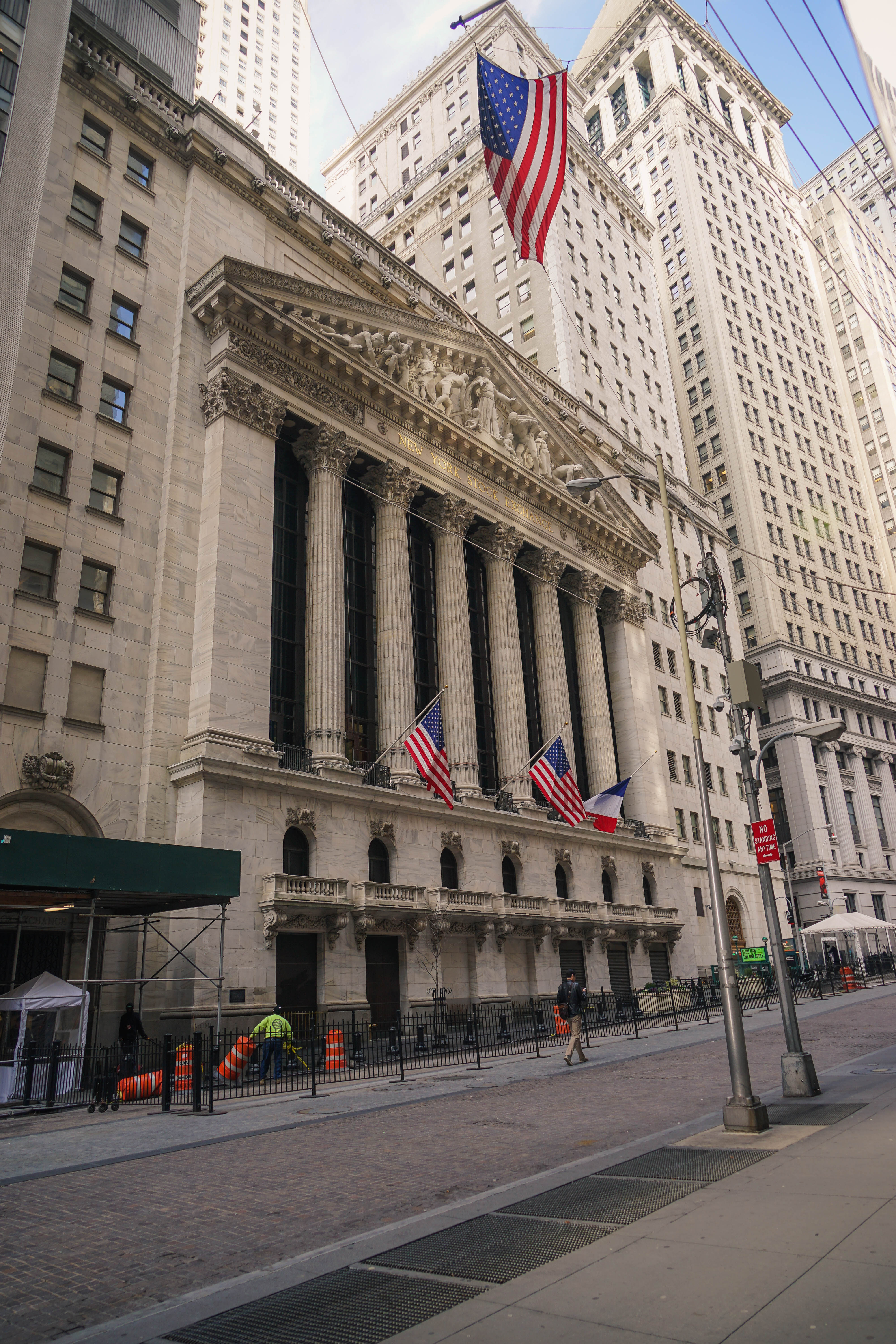
Understanding NYSE Trading Hours and Holidays
The operational rhythm of the New York Stock Exchange is governed by a set schedule, punctuated by recognized holidays and occasional unforeseen events. While the standard trading week is Monday through Friday, and the typical daily hours run from 9:30 AM to 4:00 PM Eastern Time, it’s the deviations from this norm that often pique curiosity and require careful attention.
Standard Trading Days and Hours
The New York Stock Exchange operates on a predictable schedule for the majority of the year. This consistency is crucial for the smooth functioning of global financial markets.
Weekday Operations
From Monday to Friday, excluding designated holidays, the NYSE is open for trading. The official opening bell rings at 9:30 AM ET, signaling the start of the trading day. The closing bell sounds at 4:00 PM ET, marking the end of regular trading hours. Pre-market trading and after-hours trading sessions exist, offering additional flexibility for market participants, but the core trading activity takes place within these established hours. This regular schedule allows for the efficient execution of trades, price discovery, and the dissemination of market information, underpinning the health of the global economy.
Time Zone Significance
It is crucial to note that all times are quoted in Eastern Time (ET). This means that individuals in different geographical locations, such as London or Tokyo, will need to adjust accordingly when monitoring trading activities or planning transactions. Understanding the time zone difference is a fundamental aspect of international finance and a practical consideration for any global investor.
Official NYSE Holidays
The NYSE observes a number of official holidays throughout the year, during which the exchange is closed. These holidays are generally aligned with federal holidays observed in the United States, reflecting a broader national observance.
Major Public Holidays
Several major public holidays consistently lead to a closure of the NYSE. These include:
- New Year’s Day: Observed on January 1st. If January 1st falls on a weekend, the holiday is typically observed on the nearest weekday.
- Martin Luther King, Jr. Day: The third Monday in January.
- Presidents’ Day: The third Monday in February.
- Good Friday: The Friday before Easter Sunday. The date of Easter varies annually.
- Memorial Day: The last Monday in May.
- Juneteenth National Independence Day: Observed on June 19th.
- Independence Day: Observed on July 4th.
- Labor Day: The first Monday in September.
- Thanksgiving Day: The fourth Thursday in November. The day after Thanksgiving is also often a partial trading day or a full closure, depending on the specific year’s announcement.
- Christmas Day: Observed on December 25th. If December 25th falls on a weekend, the holiday is typically observed on the nearest weekday.
These holidays provide a break for market participants and allow for national recognition of important cultural and historical observances.
Additional Observed Closures
Beyond the major holidays, the NYSE may also close for other reasons:
- Day after Thanksgiving: Frequently, the Friday following Thanksgiving Day is also a non-trading day or has a shortened trading session, giving market participants a long holiday weekend.
- Christmas Eve: While not always a full closure, the NYSE may operate on a shortened schedule on December 24th if it falls on a weekday.
The specific schedule for any given year, including any potential adjustments or special closures, is officially communicated well in advance by the NYSE.
Factors Influencing NYSE Closures Beyond Scheduled Holidays
While scheduled holidays are the primary reason for NYSE closures, other less frequent factors can also lead to a halt in trading. These often involve events that necessitate extraordinary measures to ensure market stability or safety.
Weather-Related Disruptions
Historically, severe weather events have had the potential to impact market operations. While the NYSE has robust contingency plans and electronic trading capabilities that mitigate the risk of physical disruption to its New York City location, extreme conditions can still pose challenges.
Inclement Weather Policies
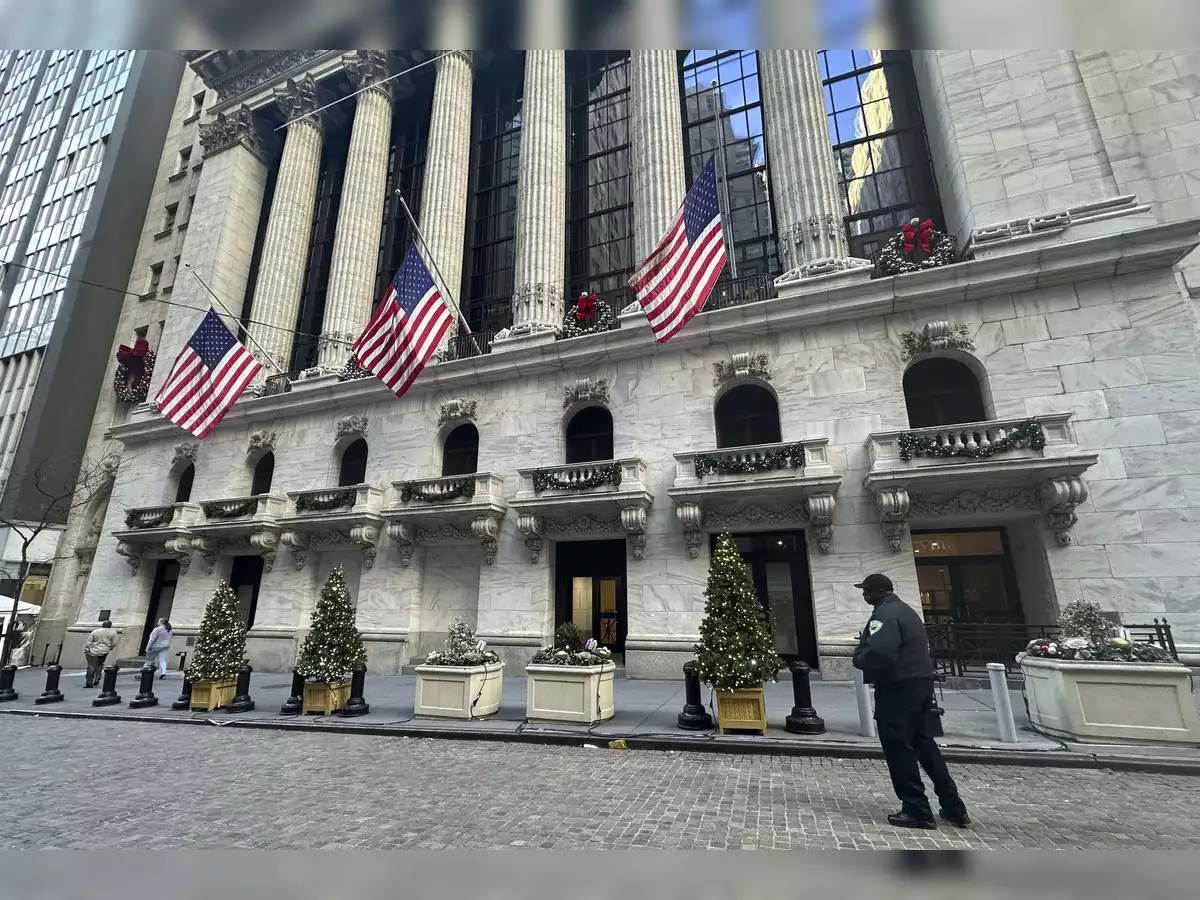
In the past, severe blizzards or hurricanes threatening Manhattan could prompt consideration for closing the exchange. However, the increasing reliance on electronic trading and the decentralization of market infrastructure mean that physical closures due to weather are now exceedingly rare. The primary concern would be the ability of essential personnel to safely reach the exchange’s facilities and ensure the integrity of trading systems. Modern technology allows for trading to continue even if the physical trading floor is inaccessible to many.
Other Unforeseen Circumstances
Beyond weather, other critical events can necessitate the closure of the stock market. These are typically situations that could significantly impact market stability or the broader national infrastructure.
National Emergencies and Security Threats
In instances of national emergencies, such as major terrorist attacks or widespread civil unrest that could compromise security or economic stability, the authorities may decide to close the stock markets as a precautionary measure. Such decisions are made with the utmost seriousness, prioritizing national safety and the orderly functioning of financial systems. For example, following the September 11th attacks in 2001, the NYSE remained closed for several days to allow for recovery and to ensure adequate security.
Systemic Failures
While highly improbable due to redundant systems and rigorous testing, a catastrophic and widespread failure of the electronic trading infrastructure could theoretically lead to a market closure. The NYSE employs sophisticated backup systems and disaster recovery protocols to prevent such scenarios. The resilience of these systems is a cornerstone of investor confidence.
Navigating NYSE Closures for Visitors and Investors
For those planning a visit to New York City with an interest in the financial district, or for investors managing portfolios, knowing the NYSE’s operational status is essential. This knowledge can inform travel plans, investment strategies, and market anticipation.
Planning Your Visit to Wall Street
The iconic Wall Street area, including the historic building of the New York Stock Exchange, is a significant draw for tourists. Understanding when you can potentially witness the bustle of the financial district or visit nearby attractions is key.
Observing Market Activity
While access to the interior of the NYSE is highly restricted, visitors can often observe the exterior of the building and experience the unique atmosphere of Wall Street. Knowing the trading days helps in planning to see the area when it’s most active. Weekend visits or visits on official holidays will offer a quieter experience of the district, allowing for a different perspective on its history and architecture, perhaps focusing on nearby landmarks like the Federal Hall National Memorial or the Charging Bull statue.
Nearby Attractions and Experiences
The financial district itself is rich with historical sites and experiences that are accessible regardless of whether the NYSE is trading.
- Federal Hall: This historic site served as the first U.S. Capitol building and is where George Washington was inaugurated. It’s a crucial stop for understanding early American history.
- Trinity Church: An iconic Episcopal church with a rich history and a notable graveyard where Alexander Hamilton is buried.
- 9/11 Memorial & Museum: A poignant and essential visit for understanding the impact of the September 11th attacks and honoring the victims.
- Battery Park: Offering stunning views of the Statue of Liberty and Ellis Island, this park is a great place for a stroll.
Visiting these attractions on days when the NYSE is closed allows for a more in-depth exploration without the distraction of active trading.
Staying Informed: Resources for Market Status
In the digital age, obtaining real-time information about the NYSE’s operating status is straightforward. Relying on official and reputable sources ensures accuracy.
Official NYSE Announcements
The most definitive source for information regarding NYSE trading hours, holidays, and any unscheduled closures is the official website of the Intercontinental Exchange (ICE), the parent company of the NYSE, or the NYSE’s own dedicated communications channels. These announcements are typically made well in advance for scheduled events and are disseminated rapidly for any unexpected changes.
Financial News Outlets
Major financial news organizations, such as Bloomberg, Reuters, The Wall Street Journal, and CNBC, provide comprehensive and timely coverage of market operations. They will invariably report on any NYSE closures, whether scheduled or due to unforeseen circumstances. Following these reputable sources is an excellent way to stay updated.
Investment Platform Notifications
Many brokerage firms and investment platforms provide their clients with notifications regarding market closures or trading hour changes. These alerts can be particularly useful for active traders who need to adjust their strategies based on market availability.
In conclusion, the operating schedule of the New York Stock Exchange is a fundamental aspect of the financial world. While its standard trading days are predictable, awareness of its holidays and the rare occasions of unforeseen closures is crucial for investors, traders, and visitors to New York City alike. By staying informed through official channels and reputable news sources, one can navigate the rhythm of this vital economic engine with confidence.
LifeOutOfTheBox is a participant in the Amazon Services LLC Associates Program, an affiliate advertising program designed to provide a means for sites to earn advertising fees by advertising and linking to Amazon.com. Amazon, the Amazon logo, AmazonSupply, and the AmazonSupply logo are trademarks of Amazon.com, Inc. or its affiliates. As an Amazon Associate we earn affiliate commissions from qualifying purchases.