
The pulsating heart of global finance, the New York Stock Exchange (NYSE), is a landmark of monumental importance. For investors, traders, and anyone with a keen interest in the ebb and flow of economic tides, understanding its operational schedule is paramount. This is particularly true when considering holidays, special events, or the potential for unexpected closures. The question, “Is the NYSE open tomorrow?” transcends a simple yes or no; it delves into the intricate rhythms of the financial world and its alignment with the broader calendar of public observance and economic activity.
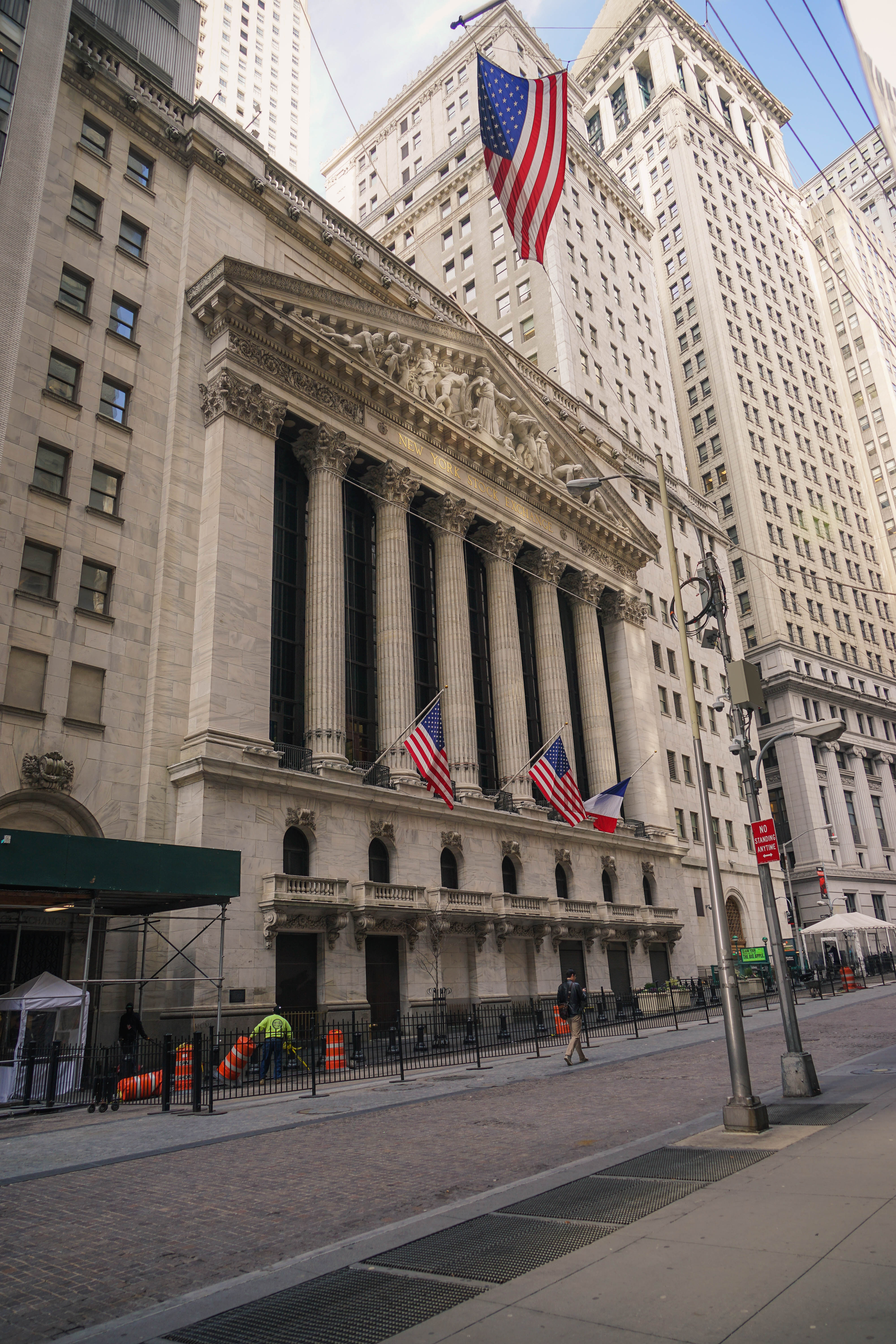
Understanding NYSE Holiday Closures
The operational calendar of the New York Stock Exchange is not a static entity but rather a carefully curated schedule that accounts for a variety of factors. Foremost among these are the recognized public holidays in the United States. These holidays, observed by federal institutions and many businesses, are typically mirrored by the closure of major financial markets to allow employees time for rest and family.
Federal Holidays and Their Impact
The NYSE observes all major federal holidays. These include:
- New Year’s Day (January 1st): Marking the start of the Gregorian calendar year, this holiday is universally recognized and consistently leads to a market closure.
- Martin Luther King, Jr. Day (Third Monday in January): A day dedicated to honoring the civil rights leader, this holiday falls on a Monday, often creating a three-day weekend for market participants.
- Presidents’ Day (Third Monday in February): While officially Washington’s Birthday, this holiday is commonly known as Presidents’ Day and observes the birthdays of past presidents, typically resulting in a Monday closure.
- Memorial Day (Last Monday in May): A solemn day to honor those who have died in military service, Memorial Day always falls on a final Monday of May, creating another long weekend.
- Juneteenth National Independence Day (June 19th): Commemorating the end of slavery in the United States, this is a more recent addition to the federal holiday schedule and thus an official closure day for the NYSE.
- Independence Day (July 4th): The celebration of the United States’ declaration of independence is a cornerstone holiday, and the market observes this with a full day of closure.
- Labor Day (First Monday in September): This holiday celebrates the contributions of American workers and signals the unofficial end of summer. Its placement on the first Monday of September ensures a weekend closure.
- Columbus Day (Second Monday in October): This day honors the voyages of Christopher Columbus. It is observed as a market holiday, falling on a Monday.
- Veterans Day (November 11th): A day to thank and honor veterans of all U.S. wars. While it is a federal holiday, the NYSE’s observance can sometimes depend on the day of the week it falls. If it falls on a weekend, the closure may shift to the nearest weekday.
- Thanksgiving Day (Fourth Thursday in November): A traditional day of gratitude, Thanksgiving is a crucial holiday for many, and the NYSE is always closed on this day.
- Christmas Day (December 25th): The most widely celebrated holiday in the Western world, Christmas Day is a definitive market closure.
It’s important to note that when a holiday falls on a Saturday, the NYSE will typically observe the closure on the preceding Friday. Conversely, if a holiday falls on a Sunday, the closure is generally observed on the following Monday. This practice ensures that the market has one full trading day off for each recognized holiday.
Early Closures and Specific Market Events
Beyond full-day holiday closures, the NYSE also schedules early closures on certain days. These are usually tied to major holidays or specific market traditions.
- Day After Thanksgiving: The Friday following Thanksgiving Day is a common early closure day for the NYSE. This allows market participants to enjoy an extended holiday weekend. The market typically closes at 1:00 PM Eastern Time on this day.
- Christmas Eve: If Christmas Eve (December 24th) falls on a regular business day, the NYSE will often have an early closure. This is a tradition to allow individuals to prepare for Christmas celebrations. The market usually closes at 1:00 PM Eastern Time. However, if December 24th falls on a weekend, the preceding Friday is often observed as a holiday or an early closure day.
These early closures, while not complete halts in trading, significantly shorten the trading session and are critical pieces of information for anyone planning trades or monitoring market activity.
Navigating Unscheduled Disruptions
While the NYSE operates with a high degree of predictability based on its established schedule, unforeseen circumstances can sometimes lead to operational adjustments. These are rare but important to be aware of.
Weather-Related Disruptions
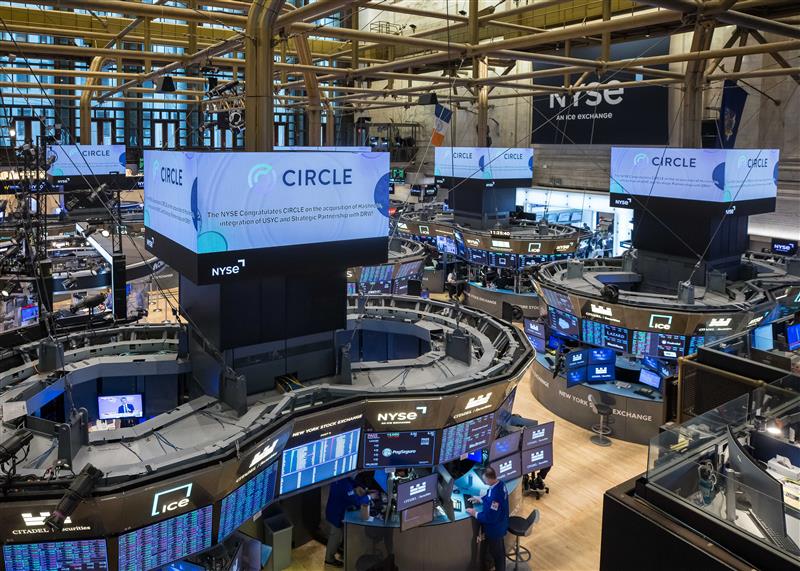
Historically, the New York Stock Exchange building in New York City has been remarkably resilient to weather events. However, extreme weather, such as blizzards or hurricanes that significantly impact public transportation and the ability of essential personnel to reach the exchange, could theoretically lead to a closure. In such scenarios, decisions would be made on a case-by-case basis, with investor protection and operational integrity as primary concerns. It’s worth noting that the transition to electronic trading has made the NYSE less physically dependent on its trading floor than in the past, but the operational hub still requires staff.
System Failures and Technical Glitches
The NYSE relies heavily on sophisticated technological infrastructure. While rigorous testing and backup systems are in place, the possibility of a significant system failure or technical glitch that disrupts trading cannot be entirely ruled out. In such rare instances, regulators and exchange officials would work to resolve the issue swiftly. If a resolution is not immediate, a temporary halt in trading or an early closure might be enacted to prevent market chaos.
Other Unforeseen Events
Beyond weather and technology, other unprecedented events could necessitate market adjustments. These might include widespread power outages affecting the city, significant national emergencies, or events that pose a direct threat to the operational capacity of the exchange. The NYSE and its regulatory bodies have contingency plans for various scenarios, prioritizing market stability and fair trading practices.
Resources for Checking Tomorrow’s Status
For the most up-to-date and definitive information on whether the New York Stock Exchange will be open tomorrow, it is essential to consult official sources. Relying on unofficial information or assumptions can lead to costly mistakes.
Official NYSE Announcements
The primary and most reliable source for schedule information is the NYSE itself. Their official website typically features a dedicated section for market holidays and trading hours. This section is meticulously updated to reflect planned closures, early closings, and any potential changes to the regular schedule.
Financial News Outlets
Reputable financial news organizations, such as Bloomberg, Reuters, The Wall Street Journal, and CNBC, are consistently among the first to report on any changes to the NYSE’s trading schedule. These outlets have direct access to information from the exchange and its regulators and are committed to providing accurate and timely news to their audiences. Monitoring these sources, especially in the days leading up to potential disruptions, is a prudent practice.

Brokerage Platforms and Financial Apps
Many brokerage platforms and financial tracking applications also integrate NYSE holiday information into their systems. When you log in to your trading account or use a financial app to check market data, you will often find notifications or clear indicators regarding trading hours for the current or upcoming day. These platforms are designed to help investors stay informed and avoid trading during closed market sessions.
In conclusion, while the New York Stock Exchange follows a generally predictable schedule based on federal holidays and specific market traditions, staying informed about its operational status, especially for “tomorrow,” requires a proactive approach. By consulting official announcements and reliable financial news sources, investors and market enthusiasts can ensure they are always aligned with the pulse of global finance.
LifeOutOfTheBox is a participant in the Amazon Services LLC Associates Program, an affiliate advertising program designed to provide a means for sites to earn advertising fees by advertising and linking to Amazon.com. Amazon, the Amazon logo, AmazonSupply, and the AmazonSupply logo are trademarks of Amazon.com, Inc. or its affiliates. As an Amazon Associate we earn affiliate commissions from qualifying purchases.