
The allure of a grand, isolated hotel, steeped in mystery and perhaps a touch of the supernatural, has captivated imaginations for decades. The name “Overlook Hotel” instantly conjures images of snow-swept isolation, labyrinthine corridors, and a palpable sense of dread. But for those who dream of booking a stay, or perhaps just exploring its infamous halls, a pressing question arises: is the Overlook Hotel real? The short answer, as with many iconic fictional locations, is both yes and no. While the specific hotel depicted in Stephen King’s chilling masterpiece The Shining is a product of his formidable imagination, its inspiration is deeply rooted in reality, drawing from real-world locations and experiences that lend it an uncanny authenticity.

This exploration delves into the origins of the Overlook Hotel, separating fact from fiction, and revealing the real-world inspirations that have cemented its place in popular culture. We’ll travel through the landscapes that shaped its image, examine the types of accommodations that might evoke its atmosphere, and consider the historical and architectural elements that contribute to its enduring legend.
The Genesis of a Haunted Haven: Fact and Fiction
The Overlook Hotel is, undeniably, a fictional entity. It serves as the central, malevolent antagonist in Stephen King’s 1977 novel, The Shining, and its subsequent, iconic film adaptation directed by Stanley Kubrick in 1980. King, known for his ability to weave psychological horror with the mundane, created the Overlook as a place where the isolation and the weight of past traumas could manifest into a terrifying, sentient presence. The hotel itself becomes a character, preying on the insecurities and weaknesses of its inhabitants, particularly the writer Jack Torrance and his family.
However, the power of the Overlook’s realism stems from Stephen King’s meticulous grounding of his fictional terror in tangible places and experiences. The hotel’s imposing presence, its vast, echoing spaces, and its remote, unforgiving setting are all drawn from King’s personal encounter with a very real, albeit far less sinister, establishment.
The Literary Foundation: A Real Stay Inspires Fictional Terror
The primary inspiration for the Overlook Hotel comes from Stephen King’s one-night stay at the Stanley Hotel in Estes Park, Colorado. In October 1974, King and his wife, Tabitha, checked into room 217 of the grand, historic Stanley Hotel for what was meant to be a quiet retreat. The hotel, then largely empty and preparing for its off-season closure, presented an atmosphere ripe for the imagination.
King has recounted how the empty corridors, the chilling silence, and the sheer scale of the hotel, coupled with the impending winter isolation, sparked the initial ideas for The Shining. The hotel’s remote location in the Rocky Mountains amplified this sense of being cut off from the outside world, a crucial element that fuels the psychological breakdown of Jack Torrance. The specific room, 217, also plays a role in the narrative, as it is within this room that many of the unsettling phenomena occur.
While the Stanley Hotel itself is not haunted in the terrifying way the Overlook is portrayed, it does possess its own share of local lore and ghost stories. These tales, often shared with guests, undoubtedly contributed to the spectral atmosphere that Stephen King sought to capture and amplify in his writing. The hotel’s historical architecture, its grandeur from a bygone era, and its commanding views over the surrounding landscape all provided a rich tapestry for his fictional creation.
The Cinematic Interpretation: A Different, Yet Equally Iconic, Vision
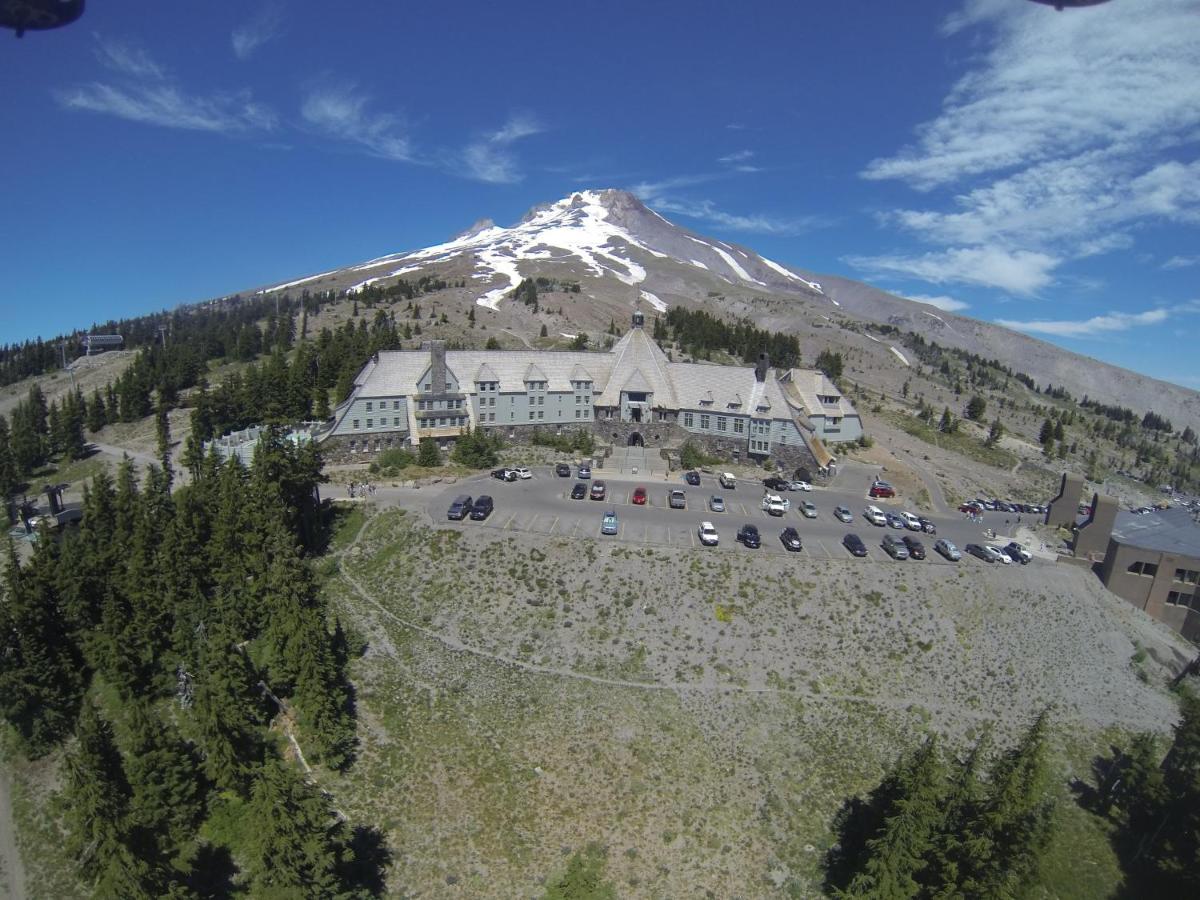
Interestingly, Stanley Kubrick, when adapting the novel for his film, did not shoot the movie at the Stanley Hotel. Instead, the exterior shots of the Overlook Hotel in the film were of the Timberline Lodge in Mount Hood, Oregon. The Timberline Lodge, a stunning National Historic Landmark built during the Great Depression, possesses its own majestic presence, situated high in the mountains, often snow-bound in winter.
Kubrick’s team used the exterior of the Timberline Lodge to establish the isolation and imposing nature of the Overlook. However, the interior scenes were largely filmed on sound stages in the United Kingdom, allowing for greater control over the set design and the creation of the film’s distinctive, unsettling aesthetic. The iconic hedge maze, for example, was built on a sound stage, not a feature of either the Stanley Hotel or the Timberline Lodge. This divergence between the book’s inspiration and the film’s visual representation further blurs the lines between the real and the fictional, contributing to the Overlook’s enduring mystique.
Exploring Real-World “Overlooks”: Destinations and Accommodations
While the Overlook Hotel itself remains a fictional construct, its essence—the grand, isolated hotel experience set against a backdrop of natural beauty and potential peril—can be found in various real-world destinations and accommodations. For travelers seeking a taste of that atmospheric grandeur, or perhaps a more serene, less terrifying version of alpine retreat, several locations offer a similar sense of place.
Architectural Grandeur and Natural Isolation: Landmarks and Resorts
The architectural style and the dramatic setting of the Overlook are key to its impact. It embodies the grandeur of late 19th and early 20th-century resort architecture, designed to be a destination in itself, offering luxury and escape.
- The Stanley Hotel in Estes Park, Colorado: As the primary inspiration for King’s novel, the Stanley Hotel remains a must-visit for fans. This historic hotel, opened in 1909, offers a quintessential grand hotel experience. Its sprawling grounds, elegant architecture, and stunning views of the surrounding Rocky Mountains evoke the spirit of the Overlook, albeit with a much more welcoming atmosphere. While it doesn’t have a hedge maze, it does boast a famous reputedly haunted room, 217, which attracts many curious visitors. The hotel actively embraces its connection to The Shining, offering tours and themed events.
-
The Timberline Lodge in Mount Hood, Oregon: This magnificent lodge, with its rustic yet grand architecture, served as the exterior stand-in for the Overlook in Kubrick’s film. Built in the 1930s as a Works Progress Administration project, the Timberline Lodge is a testament to impressive craftsmanship and a harmonious integration with its natural surroundings. Located high on Mount Hood, it offers breathtaking vistas and a sense of being immersed in nature, often blanketed in snow during winter months. It provides a luxurious mountain resort experience, with skiing, dining, and comfortable accommodations.
-
Other Grand Mountain Resorts: Beyond these direct inspirations, numerous other historic grand hotels and mountain resorts around the world offer a similar aesthetic and sense of isolation. These can include places like the Fairmont Banff Springs in Alberta, Canada, often called the “Castle in the Rockies,” or the Grand Hotel Tremezzo on Lake Como in Italy. These establishments often feature opulent decor, extensive grounds, and a reputation for serene, if sometimes dramatic, natural settings, evoking the essence of a grand, isolated retreat.
Thematic Travel and Accommodation Experiences
The appeal of the Overlook Hotel extends beyond just its physical location; it taps into themes of isolation, introspection, and the psychological impact of extreme environments. This has led to various forms of thematic travel and accommodation that might appeal to those drawn to The Shining.
-
Remote Cabin Stays: For those who resonate with the isolation aspect, booking a remote cabin in a mountainous or wooded region can offer a similar sense of solitude. While devoid of the grandeur of a hotel, these accommodations provide an opportunity to disconnect and experience nature firsthand, much like the Torrance family sought initially. Platforms offering long-term stays or unique rental properties often list such secluded options.
-
“Haunted” Hotels and Ghost Tours: Many historic hotels, like the Stanley Hotel, capitalize on their reputed hauntings. For travelers interested in the supernatural, booking a stay in a known “haunted” hotel or participating in a ghost tour can be an immersive experience. These tours often delve into local folklore, historical events, and unexplained phenomena, providing a different kind of thrill than the fictional terror of the Overlook.
-
Winter Getaways: The winter setting of The Shining is crucial to its atmosphere. Experiencing a grand hotel or a cozy cabin during the snowy season can amplify the sense of isolation and the beauty of a snow-covered landscape. Destinations known for their winter sports or serene winter beauty can offer a picturesque and memorable travel experience, echoing the visual splendor and the challenging environment depicted in the story.
The Enduring Legacy: Tourism and Cultural Impact
The Overlook Hotel, despite its fictional nature, has had a profound and tangible impact on tourism and popular culture. It has become a landmark of sorts, not a physical structure but a cultural touchstone that draws interest and inspires travel.
Cult Following and Themed Tourism
The enduring popularity of The Shining, both the book and the film, has fostered a dedicated cult following. This has translated into a significant tourism draw for the real-world locations that inspired or featured in the story.
-
Pilgrimages to the Inspirations: Fans of Stephen King and Stanley Kubrick often make pilgrimages to the Stanley Hotel and the Timberline Lodge. These visits are not just about seeing a place; they are about connecting with the source material, walking the halls that may have sparked ideas, and experiencing the landscapes that provided the backdrop for such intense psychological drama. The hotels themselves have embraced this, offering themed packages, tours, and merchandise related to The Shining.
-
“Shining” Tourism: The phenomenon has given rise to what can be termed “Shining tourism.” This involves seeking out experiences that evoke the atmosphere of the story, whether it’s staying in a grand old hotel, visiting remote mountain regions, or engaging with local legends and ghost stories. Travel guides and tourism boards in areas surrounding these locations often acknowledge and even promote this connection, recognizing the economic benefit it brings.

Preserving History and Embracing Legacy
Both the Stanley Hotel and the Timberline Lodge are historic landmarks that are preserved for their architectural and historical significance. Their association with The Shining has undoubtedly contributed to their continued relevance and appeal to a broader audience beyond those interested in their original purpose as resorts.
-
Stanley Hotel’s Role: The Stanley Hotel continues to be a significant attraction in Estes Park, Colorado. It hosts various events, including film festivals and literary conferences, often with a nod to its Shining connection. The hotel’s proactive engagement with its literary heritage ensures its place not just as a historic accommodation but as a living piece of literary tourism.
-
Timberline Lodge’s Dual Identity: The Timberline Lodge in Oregon also benefits from its cinematic association. As a functioning ski resort and a National Historic Landmark, it attracts visitors for its outdoor activities and its impressive architecture, with the Shining connection providing an added layer of intrigue for film buffs.
In conclusion, while the Overlook Hotel remains firmly within the realm of fiction, its genesis is deeply intertwined with real places and experiences. The grand isolation of the Stanley Hotel and the majestic, snow-dusted facade of the Timberline Lodge are the real-world anchors that give the Overlook its chilling believability. For travelers, this means that the dream of visiting the Overlook Hotel isn’t entirely unattainable; one can explore its inspirations, immerse in its atmosphere, and experience the unique allure of grand, isolated hotels that have captured the world’s imagination, thanks in no small part to Stephen King and Stanley Kubrick.
LifeOutOfTheBox is a participant in the Amazon Services LLC Associates Program, an affiliate advertising program designed to provide a means for sites to earn advertising fees by advertising and linking to Amazon.com. Amazon, the Amazon logo, AmazonSupply, and the AmazonSupply logo are trademarks of Amazon.com, Inc. or its affiliates. As an Amazon Associate we earn affiliate commissions from qualifying purchases.