
The world of hospitality is a complex web of parent companies, sub-brands, and strategic partnerships. For many travelers, checking into a hotel is more than just securing a bed for the night; it is an entry into a massive ecosystem of loyalty rewards, standardized amenities, and brand promises. One of the most common questions asked by frequent guests is: “Is Sheraton a Marriott International hotel?” The short answer is a definitive yes. However, the story of how Sheraton became a cornerstone of the Marriott International portfolio is a fascinating journey through corporate history, brand repositioning, and the evolution of the modern hotel experience.

The Historic Merger of Marriott and Starwood
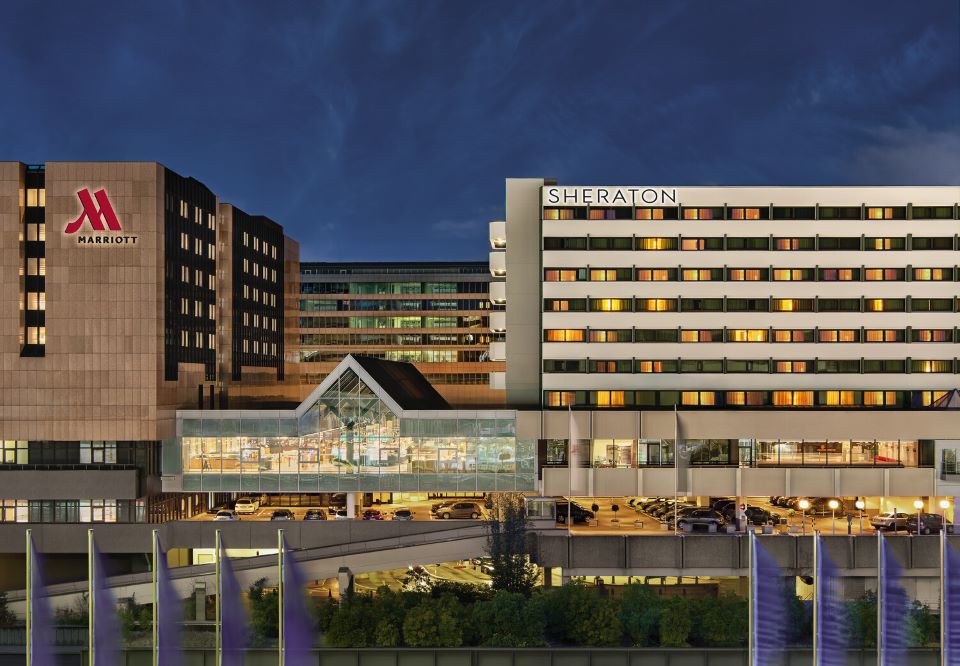
The relationship between Sheraton and Marriott International was solidified in 2016 through one of the largest and most significant acquisitions in the history of the hospitality industry. Prior to this, Sheraton was the flagship brand of Starwood Hotels & Resorts, a massive hospitality conglomerate that managed several high-profile names.
The Acquisition That Changed the Industry
In September 2016, Marriott International completed its acquisition of Starwood Hotels & Resorts for approximately $13 billion. This move effectively brought Sheraton under the same umbrella as legacy brands like Marriott Hotels, Courtyard by Marriott, and The Ritz-Carlton. At the time, the merger created the world’s largest hotel company, boasting over 30 brands and thousands of properties across the globe.
For Sheraton, this transition was pivotal. While the brand had an illustrious history dating back to its founding in 1937 in the United States, it had faced challenges in maintaining consistency across its vast international network. Joining the Marriott International family provided the resources and strategic oversight necessary to revitalize the brand for a new generation of travelers.
Integrating the Portfolios
The integration process was a monumental task. Marriott International had to harmonize two distinct corporate cultures and loyalty programs. The result was the birth of Marriott Bonvoy, a unified loyalty platform that allowed guests to earn and redeem points across all former Starwood Hotels & Resorts and Marriott International properties seamlessly. This meant that a guest staying at a Sheraton in London could use those same points for a luxury stay at a St. Regis in Bali.
Positioning Sheraton in the Marriott Bonvoy Portfolio
Within the Marriott International hierarchy, each brand is carefully categorized to avoid internal competition and to cater to specific market segments. Marriott International classifies Sheraton as part of its “Premium” tier, placing it alongside other well-known full-service brands.
The Premium Brand Identity
The Premium category is designed for travelers who seek sophisticated style, reliable service, and comprehensive amenities without the ultra-luxury price tag of brands like JW Marriott or W Hotels. Sheraton shares this space with Marriott Hotels, Westin Hotels & Resorts, Renaissance Hotels, and Le Méridien.
While Marriott Hotels often focuses on the “modern achiever” and Westin Hotels & Resorts emphasizes wellness and the “Heavenly Bed,” Sheraton has carved out a niche as “The World’s Gathering Place.” This branding focus emphasizes community, connection, and the hotel as a central hub for both business and leisure.
Global Scale and Reach
Sheraton is one of the most global brands in the Marriott International portfolio. It has a significant presence in North America, Europe, Asia, and the Middle East. In many developing markets, Sheraton was often the first major international hotel brand to establish a presence, giving it a legacy of trust and prestige in cities like Beijing and Cairo. Today, it remains a go-to choice for international conferences and large-scale events due to its extensive meeting facilities.
Modern Amenities and Design Language
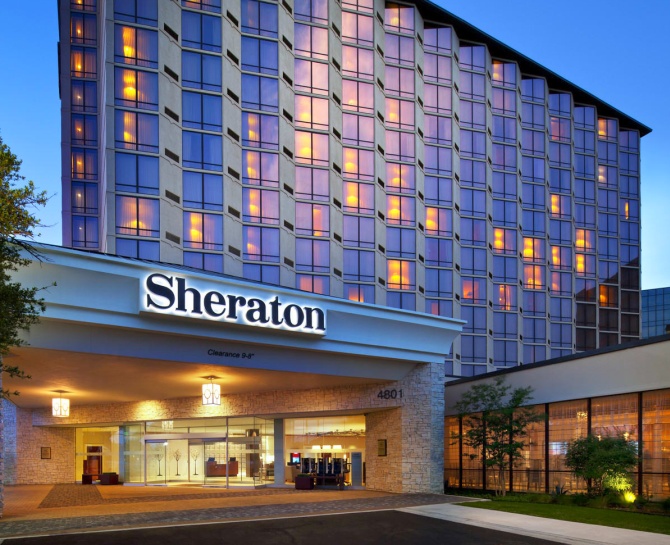
Since becoming a Marriott International hotel, Sheraton has undergone a massive brand transformation. Marriott International recognized that the brand needed a fresh design language to remain competitive in an era of boutique hotels and lifestyle-centric accommodations.
The Transformation of Public Spaces
The “New Sheraton” design philosophy focuses on the lobby as a community hub. Moving away from the traditional, often sterile lobby environments of the past, Marriott International introduced the concept of the “Community Table.” These are large, functional workspaces equipped with integrated power outlets and lighting, designed to encourage productivity and social interaction.
Modern Sheraton properties also feature “The Studios,” which are flexible, glass-enclosed meeting spaces that can be reserved for small group collaborations. This shift reflects the changing nature of work, where business travelers often prefer working in a vibrant public space rather than being confined to a guest room.
The Sheraton Club and Guest Experience
A hallmark of the Sheraton experience within the Marriott International ecosystem is the Sheraton Club. This exclusive lounge is available to Marriott Bonvoy Elite members and guests staying in Club-level rooms. The Sheraton Club provides a sanctuary for breakfast, evening hors d’oeuvres, and all-day refreshments, further reinforcing the brand’s commitment to providing a seamless and elevated stay.
Furthermore, the brand introduced Sheraton Grand, a premier tier within the brand itself. Sheraton Grand properties are recognized for their exceptional locations, architectural significance, and superior amenities. Examples include the Sheraton Grand Dubai and the Sheraton Grand Tokyo Bay Hotel in Japan.
Comparing Sheraton to Its Sister Brands
While Sheraton is a vital part of Marriott International, it is helpful to understand how it differs from its siblings to choose the right accommodation for your needs.
Sheraton vs. Marriott Hotels
The flagship Marriott Hotels brand is often seen as the direct competitor to Sheraton. While both offer full-service amenities, Marriott Hotels properties tend to lean into a contemporary, sleek aesthetic with a focus on tech-forward features like mobile check-in and “M Club” lounges. Sheraton, by contrast, often feels more localized and community-oriented, with a design palette that is warm and inviting.
Sheraton vs. Westin Hotels & Resorts
Westin Hotels & Resorts, another former Starwood Hotels & Resorts brand now under Marriott International, is strictly focused on wellness. From the Heavenly Bed to the WestinWORKOUT fitness studios, every aspect of a Westin Hotels & Resorts stay is curated to promote health. Sheraton is more of a generalist, making it an excellent choice for groups where some travelers prioritize business, others prioritize socializing, and others simply want a comfortable home base for sightseeing in cities like New York City or Paris.
Sheraton vs. Luxury Collections
For those seeking the pinnacle of luxury, Marriott International offers The Ritz-Carlton and St. Regis. These brands offer bespoke services and personalized attention that exceed the standard Sheraton experience. However, Sheraton remains the more accessible option for many travelers, providing a high standard of quality that is consistent across its global network.
Global Footprint and Iconic Locations
One of the primary reasons Marriott International fought so hard to acquire Sheraton was its unparalleled global footprint. The brand has properties in almost every corner of the world, making it a reliable choice for international travelers.
Presence in North America and Europe
In the United States, Sheraton properties are often located in prime city centers or near major transit hubs. The Sheraton Phoenix Downtown served as the blueprint for the brand’s new design direction, showcasing the modern lobby and community focus. In Europe, properties like the Sheraton Grand Hotel & Spa Edinburgh in Scotland or the Sheraton Tel Aviv in Israel offer a blend of international standards and local charm.
Dominance in the Asia-Pacific Region
Sheraton has an incredibly strong presence in China and across the Asia-Pacific region. In many Chinese cities, the Sheraton is the most prestigious hotel in town. The brand’s growth in this region continues to outpace many of its competitors, with Marriott International opening new properties in emerging tourism markets throughout Vietnam, Thailand, and Indonesia.
The Future of the Brand
Under the leadership of Marriott International, the future of Sheraton looks bright. The company continues to invest in renovations and new builds that align with the modernized brand identity. As more properties transition to the new design standards, Sheraton is successfully shedding its image as a legacy brand and re-establishing itself as a contemporary leader in the premium hotel sector.
In conclusion, Sheraton is not just a Marriott International hotel; it is one of the most vital components of the Marriott International global strategy. By integrating Sheraton into the Marriott Bonvoy program and investing in a total brand transformation, Marriott International has ensured that Sheraton remains a preferred destination for travelers seeking quality, community, and a world-class hotel experience. Whether you are traveling for a board meeting in Toronto or a family vacation in Sydney, you can rest assured that the Sheraton name carries the weight and reliability of the Marriott International legacy.
LifeOutOfTheBox is a participant in the Amazon Services LLC Associates Program, an affiliate advertising program designed to provide a means for sites to earn advertising fees by advertising and linking to Amazon.com. Amazon, the Amazon logo, AmazonSupply, and the AmazonSupply logo are trademarks of Amazon.com, Inc. or its affiliates. As an Amazon Associate we earn affiliate commissions from qualifying purchases.