
When envisioning a trip to the Sunshine State, images of pristine beaches, vibrant cities, and lush natural landscapes often come to mind. However, a common misconception or perhaps a curious geographical question frequently arises: Is the State of Florida actually below sea level? For travelers planning their next adventure, understanding the topography of their chosen destination is more than just an academic exercise; it offers crucial insights into the types of experiences available, the environmental considerations, and even practical aspects of navigating the region. Let’s delve into the unique geography of Florida to set the record straight and illuminate what its elevation truly means for visitors.
Understanding Florida’s Unique Topography
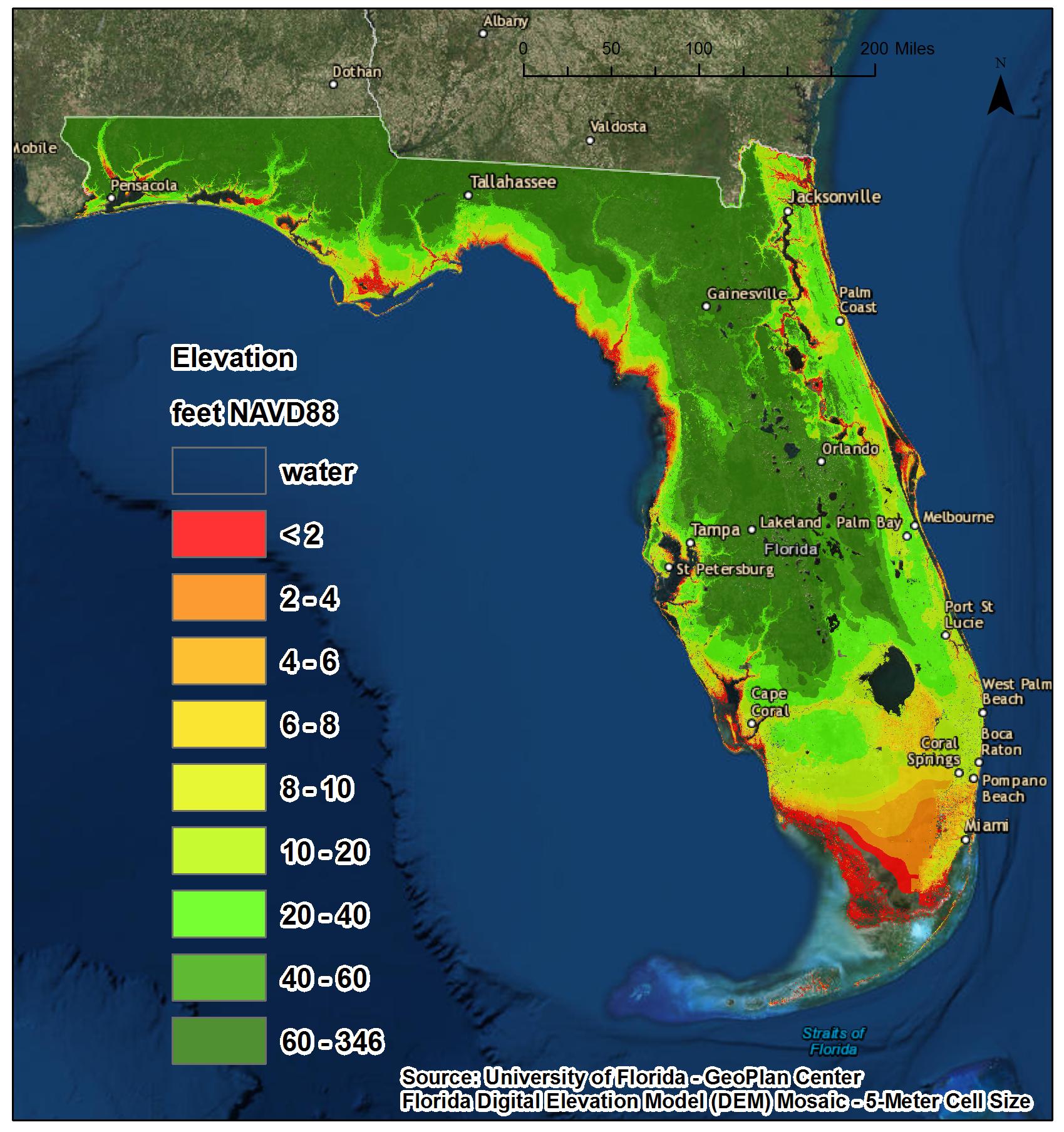
Florida is renowned for its flat terrain, a characteristic that significantly shapes its identity as a travel destination. While parts of the state are indeed very low-lying and susceptible to sea-level influences, the assertion that the entire state lies below sea level is a geographical inaccuracy. Most of Florida’s landmass is above sea level, albeit at a low elevation. This delicate balance between land and sea creates the diverse ecosystems and breathtaking coastal vistas that draw millions of tourists annually.
The Flatness Factor: Why Florida Seems Low
Florida’s distinctive flatness is primarily due to its geological history. Much of the state sits on a bedrock of limestone, formed from the shells and skeletons of marine organisms over millions of years when the area was submerged under ancient seas. This porous limestone acts like a sponge, holding vast quantities of water and contributing to the state’s extensive wetlands and numerous springs. The highest point in Florida is Britton Hill, located in Walton County, which stands at a modest 345 feet (105 meters) above sea level. This contrasts sharply with many other states, making Florida one of the lowest in terms of average elevation. For travelers, this flatness translates into expansive, unobstructed views, particularly along its lengthy coastlines, and a terrain that’s exceptionally easy to traverse by car or bicycle, offering leisurely journeys through its scenic routes without the challenges of mountainous climbs.
Dispelling the Myth: Is Any Part Truly Below Sea Level?
While the state as a whole is not below sea level, there are localized areas, particularly those engineered for water management, that exist at or slightly below current sea level. For instance, specific canals, drainage systems, and agricultural lands in south Florida, especially around Lake Okeechobee, have been artificially lowered and are protected by dikes and levees. These are not natural occurrences but rather human modifications to manage water flow and enable farming in fertile but naturally wet areas. For the average traveler, these specific “below sea level” spots are not typically visited attractions, but their existence underscores the critical relationship between water and land management in the state. Understanding this nuance helps travelers appreciate the sophisticated infrastructure that supports Florida’s coastal communities and agricultural heartlands, which are integral to the state’s economy and appeal.
The Geographical Reality for Travelers
Florida’s low elevation profoundly influences the travel experiences it offers. Its extensive coastlines along the Atlantic Ocean and the Gulf of Mexico, combined with its intricate network of wetlands, define much of its tourist appeal. This geographical reality shapes everything from beach vacations and water sports to wildlife viewing and urban planning in its major cities.
Coastal Wonders and Wetland Adventures
The low-lying nature of much of Florida means that its coastline is incredibly extensive, offering thousands of miles of beaches. Destinations like Miami Beach, with its iconic sands and vibrant nightlife, or the tranquil shores of the Panhandle, are direct beneficiaries of this geography. Travelers can indulge in a myriad of water-based activities, from swimming and surfing to paddleboarding and deep-sea fishing. Furthermore, the low elevation fosters vast wetland ecosystems, most famously the Everglades National Park. Here, visitors can experience unique airboat tours, spot alligators and diverse bird species, and explore a landscape unlike anywhere else in the world. This intimate connection with water, whether ocean, lake, or marsh, is a defining characteristic of a Florida vacation, offering unparalleled opportunities for nature exploration and relaxation.
Navigating Florida’s Vulnerable Landscapes
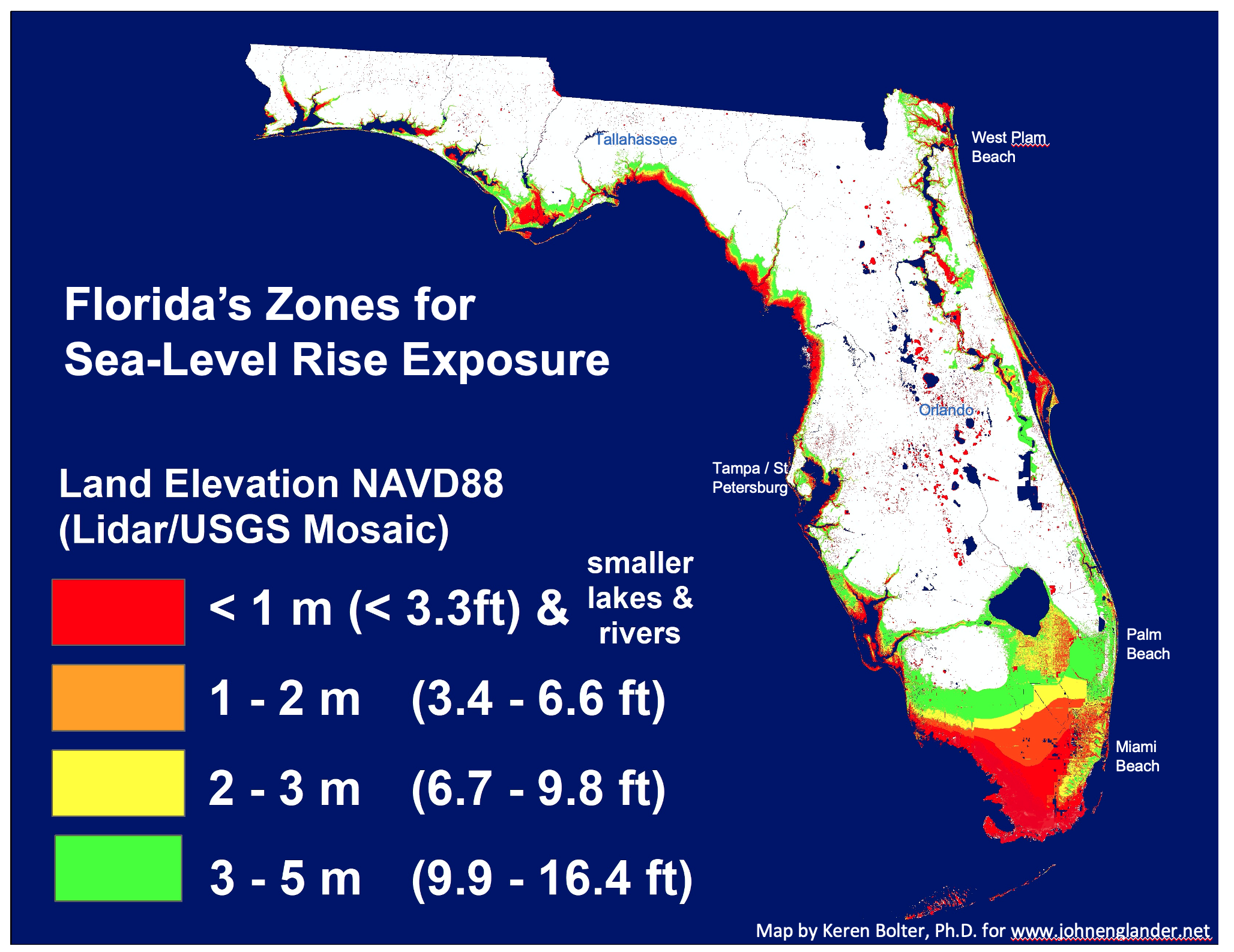
While beautiful, Florida’s low elevation also makes it particularly susceptible to environmental challenges, especially during hurricane season (June 1 to November 30). Coastal cities like Miami, Fort Lauderdale, and Tampa are keenly aware of their vulnerability to storm surges and heavy rainfall, which can lead to significant flooding. Travelers visiting during these months should remain informed about weather forecasts and local advisories. However, the state has implemented robust infrastructure and emergency preparedness plans to protect residents and visitors. Understanding these geographical realities allows travelers to plan more responsibly, perhaps opting for travel insurance or staying updated on local news, ensuring a safer and more informed trip to this remarkable, yet sensitive, environment.
Climate Change and Future Travel Considerations
The discussion of Florida’s elevation cannot be complete without addressing the significant implications of climate change and rising sea levels. For a state so intimately tied to its coastal identity and water resources, these factors pose both current challenges and future considerations for the travel industry and visitors alike.
Sea-Level Rise: A Tangible Threat to Coastal Destinations
Florida’s low average elevation makes it particularly vulnerable to the effects of global sea-level rise. Coastal erosion, saltwater intrusion into freshwater supplies, and increased frequency of tidal flooding (often termed “king tides”) are already observable phenomena in areas like South Florida. For popular tourist destinations such as Miami Beach and the Florida Keys, this means ongoing efforts to adapt infrastructure, protect natural barriers like coral reefs and mangroves, and plan for sustainable development. Travelers interested in environmental tourism or seeking to understand the impacts of climate change will find Florida a living laboratory for adaptation strategies. These changes, while concerning, also highlight the unique value of experiencing Florida’s natural beauty sooner rather than later, encouraging a sense of urgency for sustainable travel practices.
Adaptation Strategies and Sustainable Tourism
In response to these challenges, Florida communities and the tourism sector are increasingly investing in adaptation strategies. These include elevating roads, implementing advanced drainage systems, restoring coastal habitats, and promoting green infrastructure. From a travel perspective, this means an evolving landscape where sustainability and resilience are becoming integral to the visitor experience. Many hotels and resorts are adopting eco-friendly practices, and conservation efforts in national parks and preserves are being bolstered. Travelers can support these efforts by choosing eco-certified accommodations, participating in conservation-focused tours, and adhering to Leave No Trace principles. Engaging with Florida’s natural wonders with an awareness of these environmental dynamics enriches the travel experience, transforming a simple vacation into an opportunity for conscious exploration and appreciation.
Beyond Elevation: Exploring Florida’s Diverse Attractions
While its low elevation is a defining geographical feature, Florida’s’s appeal as a travel destination extends far beyond its sea-level status. Its unique geography underpins a wide array of attractions, from world-famous theme parks to historic cities and unparalleled natural beauty.
From Pristine Beaches to Lush Everglade Ecosystems
The geographical characteristics discussed directly contribute to the extraordinary diversity of experiences Florida offers. The extensive coastlines, a direct result of its low elevation, provide endless opportunities for beach lovers, from the family-friendly shores of Clearwater to the surfing meccas along the Atlantic. Inland, the low-lying terrain and abundant rainfall nurture the vast Everglades ecosystem, a UNESCO World Heritage Site, offering unique adventures in a subtropical wilderness. Beyond these natural wonders, the state is home to global entertainment hubs like Orlando, with its renowned theme parks, which exist comfortably above sea level, providing a vibrant contrast to the tranquil natural settings. This blend of natural beauty and man-made marvels ensures that every type of traveler can find their ideal experience in Florida.

Urban Centers and Their Coastal Proximity
Florida’s major urban centers, such as Miami, Orlando, Jacksonville, and Tampa, are strategically located, often hugging the coast or situated near major waterways. This proximity enriches the urban travel experience, blending city life with easy access to beaches, boating, and waterfront dining. In Miami, travelers can enjoy world-class dining, art districts, and a pulsating nightlife, all within a short drive of the ocean. Tampa offers a blend of historic charm and modern amenities, with its Riverwalk providing scenic views and access to various attractions. Even Orlando, though inland, is designed with water features and lush landscaping that reflect the state’s natural hydrology. This seamless integration of urban development with natural water bodies is a direct consequence of Florida’s unique low-lying topography, enhancing its appeal as a dynamic and diverse travel destination where city breaks can effortlessly transition into coastal escapes.
In conclusion, while the entire State of Florida is not below sea level, its generally low elevation is a defining geographical characteristic that profoundly shapes its environment, attractions, and the experiences it offers to travelers. From its endless beaches and unique wetland ecosystems to its vibrant coastal cities and proactive approach to environmental challenges, Florida’s relationship with the sea is central to its identity. Understanding this intricate balance allows visitors to appreciate the Sunshine State not just as a destination for leisure, but as a dynamic landscape where natural beauty meets human ingenuity, all within the context of a delicate and evolving environment.
LifeOutOfTheBox is a participant in the Amazon Services LLC Associates Program, an affiliate advertising program designed to provide a means for sites to earn advertising fees by advertising and linking to Amazon.com. Amazon, the Amazon logo, AmazonSupply, and the AmazonSupply logo are trademarks of Amazon.com, Inc. or its affiliates. As an Amazon Associate we earn affiliate commissions from qualifying purchases.