
The chilling sound of a chainsaw, the disturbing mask made of human skin, and a family of cannibals terrorizing unsuspecting travelers — these are the indelible images burned into the collective consciousness by The Texas Chainsaw Massacre. Released in 1974, Tobe Hooper’s seminal horror film quickly established itself as a masterpiece of visceral terror, leaving audiences questioning the boundaries of reality. For decades, a persistent whisper has followed the film: is it based on a true story? The simple answer is both yes and no, a nuanced truth that intertwines real-life horror with cinematic genius, creating a legend that continues to fascinate, even inspiring a unique form of macabre tourism.

While the specific events depicted in the movie—a group of friends encountering a murderous family in rural Texas—are entirely fictional, the unsettling atmosphere and the grotesque character of Leatherface drew heavy inspiration from one of America’s most infamous serial killers. This blend of fact and fiction elevates the film beyond mere slasher flick, anchoring it in a disturbing reality that resonates with our deepest fears about the darkness lurking in seemingly ordinary places. For those intrigued by the macabre side of history and the real-world stories behind cinematic horrors, understanding this inspiration opens up a fascinating, albeit dark, avenue for exploration.
The Horrifying Truth: Ed Gein, The Butcher of Plainfield
The true story that loosely inspired The Texas Chainsaw Massacre centers not on a family of cannibals in Texas, but on a solitary, deeply disturbed man named Ed Gein in rural Wisconsin. His crimes, though fewer in number than those of a typical serial killer, were so utterly depraved and unique that they sent shockwaves across the nation and etched his name into the annals of true crime. Gein’s story is a profound example of how extreme isolation, psychological torment, and an unnatural fixation can cultivate unimaginable horrors, ultimately leaving a lasting legacy on popular culture and the very concept of fear.
A Life of Isolation and Dark Obsession
Born Edward Theodore Gein in 1906, his early life in the small town of Plainfield, Wisconsin, was marked by profound isolation and the stifling control of his fanatically religious and domineering mother, Augusta Gein. After the deaths of his father, brother, and eventually his beloved but tyrannical mother in the 1940s, Gein was left entirely alone on the family farm, a remote and decaying property that would become the setting for his unspeakable acts. His mother’s death, in particular, shattered the already fragile psyche of Ed Gein, leading him down a path of necrophilia and grave robbing, driven by a desperate desire to resurrect her and, later, to create a “woman suit” from human skin.
The psychological landscape of Plainfield and other isolated rural communities often features prominently in true crime narratives. The lack of close oversight, the tendency for neighbors to keep to themselves, and the vast, often forgotten stretches of land provide a grim backdrop for such aberrations. For those interested in historical context and the social conditions that can sometimes foster such tragedies, understanding the geography and demographics of places like Plainfield offers a different perspective on regional tourism, moving beyond typical attractions to explore the deeper, often darker, narratives embedded in a landscape.
The Grisly Discoveries
The horrific extent of Ed Gein’s depravity came to light in November 1957, following the disappearance of hardware store owner Bernice Worden. Investigators, tracing Gein as the last person to have seen her, searched his secluded farmhouse. What they found there transcended the bounds of human understanding. The house of horrors revealed a macabre collection of human remains, meticulously crafted into household items and clothing. Lamp shades made from human skin, chairs upholstered with skin, bowls fashioned from skulls, and even a “body suit” made of stitched-together skin were among the gruesome discoveries. The remains of at least ten women were found, sourced primarily from local graveyards, with two confirmed murder victims: Bernice Worden and tavern owner Mary Hogan.
Gein’s modus operandi, while terrifying, was distinct from the indiscriminate slaughter depicted in The Texas Chainsaw Massacre. He was not a cannibal, nor did he hunt down groups of teenagers. His crimes were driven by a perverse desire for companionship and transformation, stemming from his profound psychological issues. Yet, the sheer artistry of his macabre crafts—the use of human skin and bone to create objects—provided a potent, horrifying visual inspiration that filmmakers could not ignore. The idea of a deranged individual living in a house filled with human remains, turning people into objects, offered a terrifying foundation for cinematic horror, a chilling counterpoint to the tranquil beauty of the Wisconsin landscape, which otherwise draws tourists for its natural attractions and outdoor experiences.
From Reality to Celluloid: Crafting a Horror Icon

The revelation of Ed Gein’s crimes sent shockwaves across America, igniting a morbid fascination that quickly seeped into popular culture. His story became a fertile ground for fiction writers and filmmakers looking to tap into primal fears. What made Gein so compelling was not just the brutality of his acts, but the sheer unthinkable nature of his domestic horror. The transformation of these grim realities into cinematic narratives required a delicate balance of adaptation, exaggeration, and artistic interpretation, ultimately giving birth to some of the most enduring figures in horror.
Cinematic Liberties and Lasting Impact
It was the visionary director Tobe Hooper and co-writer Kim Henkel who, in the early 1970s, recognized the raw potential of Gein’s story to craft a new kind of horror. They borrowed key elements: the isolated rural setting, the deranged killer who uses human skin as a mask, and the general atmosphere of grotesque domesticity. However, they drastically altered the narrative to create The Texas Chainsaw Massacre. Instead of a solitary grave robber, they conjured a terrifying family of cannibals, transforming Gein’s morbid crafting into the terrifying persona of Leatherface—a mute, hulking figure wielding a chainsaw, wearing masks made from his victims’ faces. This shift from psychological horror to relentless, physical pursuit made the film an immediate, shocking classic.
The film’s impact was monumental. Its raw, documentary-style aesthetic and relentless tension convinced many viewers it was indeed a true story, a belief reinforced by the film’s misleading opening narration claiming it was based on “an actual chain of events.” This clever marketing tactic cemented the film’s legendary status and intensified its power. The legacy of The Texas Chainsaw Massacre extends far beyond its initial release, influencing generations of horror filmmakers and becoming a cornerstone of the slasher genre. It taught audiences that true horror doesn’t always come from supernatural forces, but from the depravity that can exist within seemingly normal human beings, often in the most unassuming corners of the world—a notion that makes exploring local cultures and hidden gems even more intriguing, albeit with a healthy dose of caution.
Beyond Leatherface, Ed Gein’s story also inspired other iconic horror characters. Alfred Hitchcock’s 1960 masterpiece Psycho, based on Robert Bloch’s novel, features Norman Bates—a shy, isolated man with a controlling mother, who exhibits a disturbed relationship with female corpses. Similarly, the character of Buffalo Bill in The Silence of the Lambs, who skins his victims to create a “woman suit,” is a direct echo of Gein’s most ghastly acts. These cinematic interpretations underscore the profound psychological depth and enduring terror that Gein’s real-life story continues to evoke, making him a perennial source of inspiration for writers and directors exploring the darkest corners of the human psyche.
Echoes of Evil: Real-World Haunts and Dark Tourism
The allure of The Texas Chainsaw Massacre, stemming from its chilling partial truth, has generated a peculiar form of tourism. Just as fans seek out filming locations of beloved movies, there’s a subset of travelers drawn to sites associated with real-life crimes or the films they inspire. This “dark tourism” or “horror tourism” offers a unique, if sometimes unsettling, way to engage with history, culture, and the places where famous stories, both true and fictionalized, unfolded.
Real-World Haunts and Dark Tourism
While the actual Gein farmhouse in Plainfield, Wisconsin, was controversially burned down shortly after his arrest in 1958, its legacy lives on. For the truly dedicated, a visit to Plainfield can be a somber experience, offering a glimpse into the desolate landscape that birthed such a monster. The town itself has largely moved on, but the chilling history remains a part of its identity, drawing those curious about the true crime origins. This kind of travel, focusing on sites of tragedy or historical infamy, provides a unique lens through which to understand human history and societal psychology.
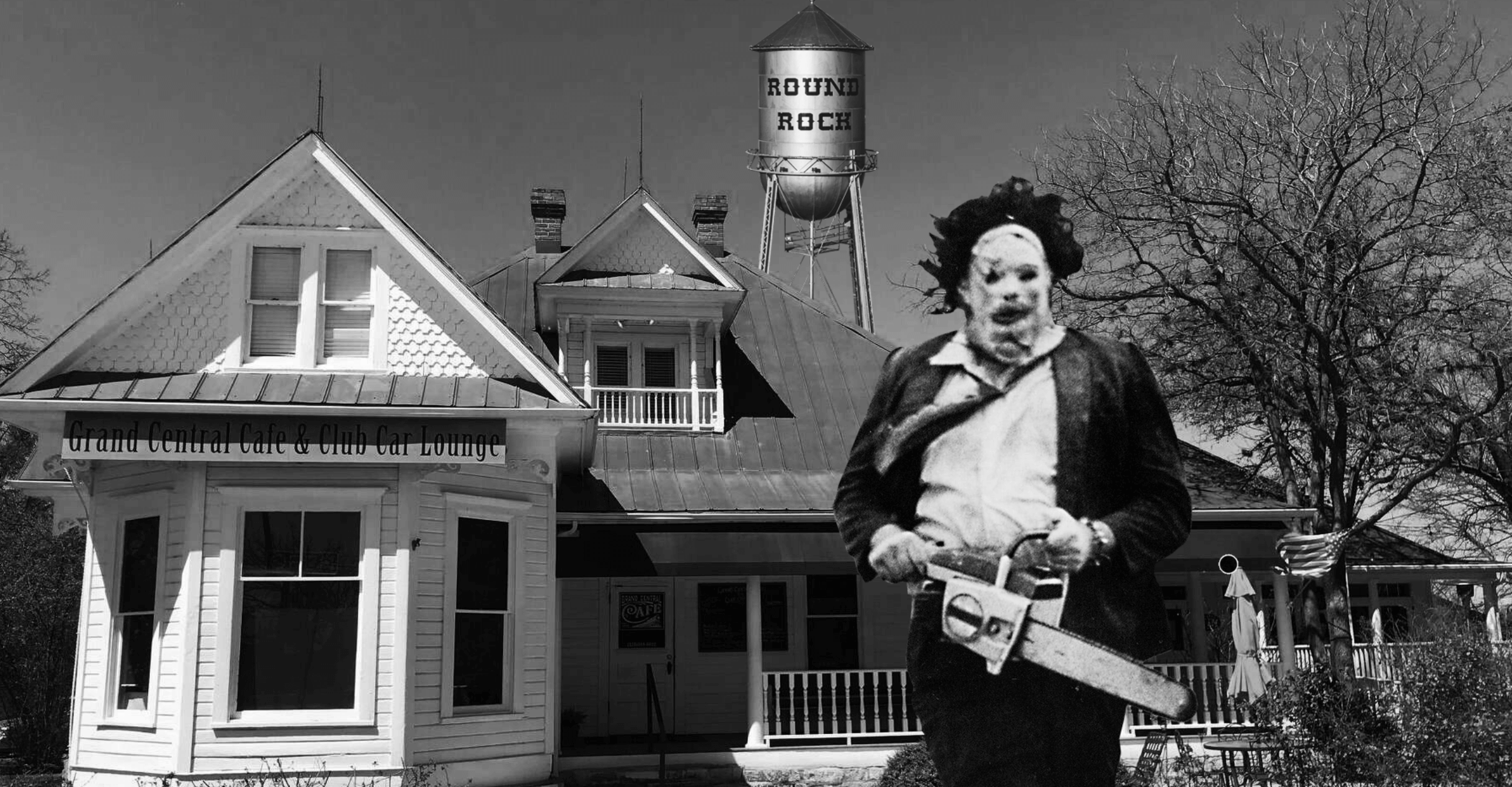
For fans of The Texas Chainsaw Massacre, the pilgrimage often leads to Texas, specifically to the film’s original shooting locations. The infamous house from the 1974 film, an old Victorian structure, was originally located near Round Rock, Texas. In a twist that perfectly encapsulates the blend of horror lore and entrepreneurial spirit, the house was later painstakingly moved from its original location and meticulously restored. It now stands in Kingsland, Texas, repurposed as a restaurant known as The Grand Central Café.
Dining at The Grand Central Café offers a surreal experience. You can enjoy a meal in the very rooms where terrifying scenes were filmed, albeit with significantly more pleasant decor and, thankfully, no Leatherface. The restaurant openly embraces its macabre history, making it a unique landmark and a must-visit attraction for film buffs and horror enthusiasts. This transformation of a terrifying movie set into a functional, welcoming establishment is a fascinating example of how popular culture can influence destination appeal and local tourism. It allows visitors to engage with a piece of cinematic history in a safe, yet undeniably eerie, environment.
Beyond the main house, other filming locations around Austin and rural Texas continue to attract intrepid explorers. These sites, whether a desolate road or a forgotten gas station, become landmarks in their own right, imbued with the fictional terror of the film. For those interested in alternative travel experiences, exploring these cinematic landscapes offers a unique blend of film history, local exploration, and a thrilling connection to a story that has haunted imaginations for decades. It’s a journey into the dark side of Americana, revealing how a film born from real-life horror can create its own enduring “attractions” and reshape perceptions of a destination.
In essence, the enduring question of whether The Texas Chainsaw Massacre is a true story fuels its legend. It’s a testament to the power of suggestion and the profound impact of real-life evil transformed through art. The film, a chilling masterpiece, thrives on the murky boundary between fact and fiction, ensuring its place not only as a horror classic but also as a fascinating case study in how true crime continues to inspire, terrify, and, unexpectedly, even draw travelers to places where shadows of horror linger. Whether you seek out the quiet desolation of Plainfield or dine in the infamous Sawyer House, the journey into the origins of this horrific tale is a potent reminder of the complex tapestry of human nature and the indelible mark left by its darkest expressions.
LifeOutOfTheBox is a participant in the Amazon Services LLC Associates Program, an affiliate advertising program designed to provide a means for sites to earn advertising fees by advertising and linking to Amazon.com. Amazon, the Amazon logo, AmazonSupply, and the AmazonSupply logo are trademarks of Amazon.com, Inc. or its affiliates. As an Amazon Associate we earn affiliate commissions from qualifying purchases.