
The image of sun-drenched shores, crashing waves, and endless horizons typically conjures visions of coastal destinations. So, when the question “Is there a beach in Arizona?” arises, it often elicits a chuckle or a puzzled frown. After all, Arizona is synonymous with vast deserts, majestic canyons, and a perpetually sunny, arid climate. The simple, direct answer is no, not in the traditional oceanic sense. Arizona is a landlocked state, thousands of miles from any ocean coastline.
However, to stop there would be to miss out on one of the most surprising and delightful aspects of travel in the Grand Canyon State. While you won’t find surfers riding Pacific rollers or boardwalks overlooking the Atlantic, Arizona boasts an impressive array of freshwater “beaches,” expansive lakes, scenic rivers, and recreational areas that offer all the sun, sand, and water fun you could desire. These unique aquatic playgrounds, set against stunning desert backdrops, provide a refreshingly different kind of beach experience, blending the tranquility of water with the dramatic beauty of the desert landscape. Far from being a barren land, Arizona’s waterways are vibrant hubs of activity, attracting millions seeking to cool off and connect with nature. This article delves into how Arizona redefines the concept of a beach and guides you through its premier inland water destinations.

Dispelling the Myth: Arizona’s Unique Aquatic Landscape
The common perception of Arizona as an exclusively dry, desert environment is only half the story. While its famous saguaro cacti and red rock formations dominate the landscape, a closer look reveals a rich network of water bodies that provide essential recreation and ecological balance. Understanding this duality is key to appreciating Arizona’s unique appeal as a travel destination.
The Geographic Reality: Landlocked and Arid
Arizona’s geographical position places it firmly in the southwestern United States, bordered by California, Nevada, Utah, Colorado, New Mexico, and Mexico. This interior location means that direct access to an ocean is impossible. The state is characterized by its vast arid and semi-arid regions, including parts of the Sonoran, Mojave, and Chihuahuan deserts, which are known for their extreme temperatures and sparse rainfall. This desert environment naturally leads many to assume a lack of significant water features, reinforcing the misconception that water-based activities are non-existent.
However, a historical understanding of water management in the American West reveals how this perception is dramatically challenged. Ingenious engineering projects, beginning in the early 20th century, harnessed the power of major rivers like the Colorado River to create a series of massive dams and reservoirs. These projects were primarily designed to provide hydroelectric power, irrigation for agriculture, and a municipal water supply for the rapidly growing populations of cities like Phoenix and Tucson. An unintended, but highly beneficial, consequence of these endeavors was the creation of vast lakes and recreational areas that transformed segments of the desert into vibrant aquatic playgrounds.
Redefining “Beach” in the Grand Canyon State
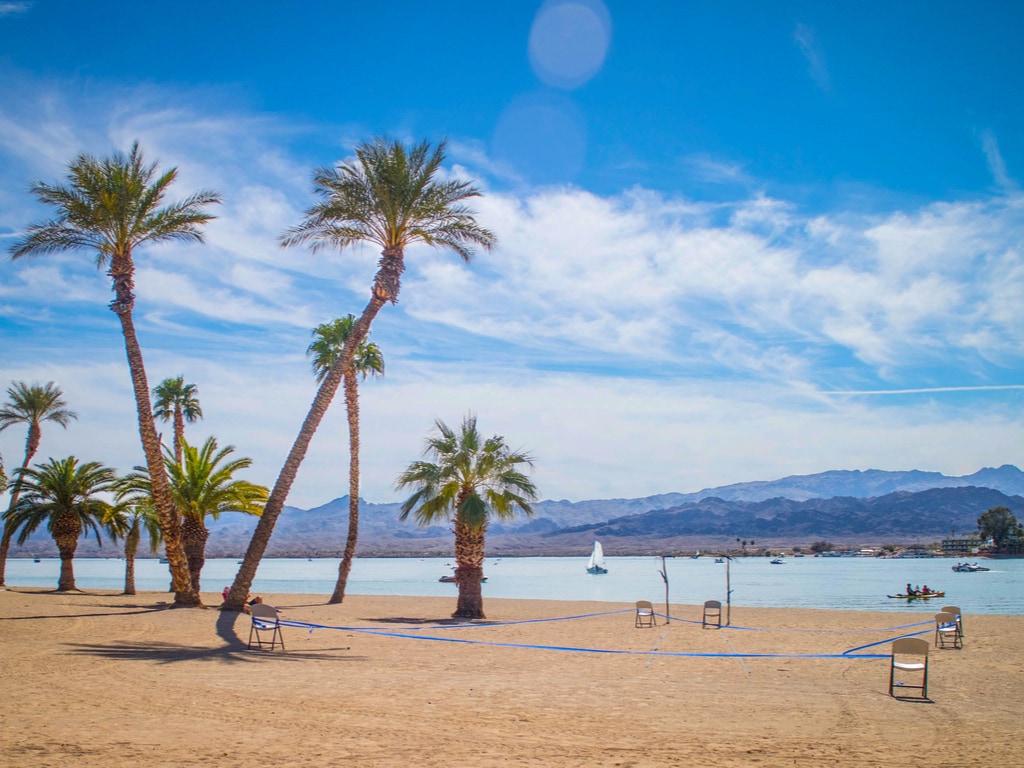
For travelers seeking a “beach” experience in Arizona, the definition must expand beyond the traditional oceanfront. Here, “beaches” refer to sandy shores along the edges of these immense man-made lakes and natural riverbanks. These areas offer everything one would expect from a coastal beach: soft sand for sunbathing, clear waters for swimming, and ample space for various water sports. The significant difference lies in the setting. Instead of ocean breezes and distant horizons, visitors are treated to panoramic views of rugged mountains, towering saguaros, and dramatic desert cliffs meeting serene blue waters.
This redefinition emphasizes the experience rather than the specific geological origin. The feeling of escape, relaxation, and exhilaration derived from a day by the water is very much alive in Arizona’s freshwater locales. From bustling lakeside communities to secluded coves, the state offers diverse opportunities to enjoy the water, proving that a lack of an ocean does not equate to a lack of aquatic adventures. These inland “beaches” are not just alternatives; they are unique destinations in their own right, providing a memorable contrast to the typical desert landscape.
Arizona’s Premier Inland “Beach” Destinations
The engineered waterways of Arizona have carved out some truly spectacular destinations, transforming arid landscapes into vibrant recreational hubs. These lake environments are not merely functional; they are carefully managed to offer a full spectrum of water-based activities and stunning natural beauty.
Lake Havasu City: A Desert Oasis
Perhaps the most famous of Arizona’s “beach” towns is Lake Havasu City, located on the western edge of the state, straddling the Colorado River and bordering California. This bustling city is built around Lake Havasu, a massive reservoir created by the Parker Dam. What truly sets Lake Havasu City apart is its distinctive centerpiece: the historic London Bridge, which was dismantled in London, England, and meticulously reassembled here in 1971. This iconic landmark adds a quirky charm to an already vibrant destination.
Lake Havasu itself is a paradise for water sports enthusiasts. Its clear, warm waters are perfect for boating, personal watercraft, swimming, paddleboarding, and kayaking. The lake’s extensive shoreline features numerous sandy beaches, coves, and designated swimming areas, many equipped with picnic facilities, restrooms, and shade structures. Popular spots include Rotary Community Park, which offers playgrounds and a serene beach, and the expansive area near the London Bridge, often buzzing with activity. For those looking for a more upscale experience, the new Havasu Riviera Marina offers modern amenities, boat slips, and access to pristine waters. Beyond the water, Lake Havasu City offers hiking trails, golf courses, and a lively dining and entertainment scene, making it a comprehensive destination for a desert “beach” vacation.
The Chain of Lakes: Saguaro, Canyon, and Apache
Just a short drive east of Phoenix, nestled within the Tonto National Forest, lies a spectacular chain of lakes: Saguaro Lake, Canyon Lake, and Apache Lake. These reservoirs, formed by dams on the Salt River, offer breathtaking scenery and diverse recreational opportunities, each with its distinct character.
- Saguaro Lake: As its name suggests, Saguaro Lake is framed by majestic saguaro cacti, creating a uniquely Arizonan backdrop. It’s the most easily accessible of the three and a favorite for boaters, water skiers, and fishers. Several coves and sandy areas provide excellent spots for swimming and picnicking. The lake also hosts the Desert Belle Tour Boat, offering scenic cruises that highlight the local wildlife and geology.
- Canyon Lake: Further upriver, Canyon Lake is renowned for its dramatic red rock cliffs that plunge directly into deep, emerald waters. Its winding, narrow canyons make it ideal for smaller boats, paddleboards, and kayaks, offering a more intimate connection with the rugged landscape. The Dolly Steamboat offers narrated tours, providing insights into the area’s history and natural wonders. Designated swimming areas provide opportunities to cool off amidst the stunning scenery.
- Apache Lake: The most remote and rugged of the three, Apache Lake is accessed via the Apache Trail, a partially unpaved scenic byway. Its isolation makes it a haven for those seeking tranquility, primitive camping, and excellent fishing. The less-developed shoreline offers numerous secluded spots that feel like private beaches, perfect for escaping the crowds and immersing oneself in nature.
Lake Mead National Recreation Area: Grand Scale Water Fun
Spanning the border between Arizona and Nevada, the Lake Mead National Recreation Area encompasses two colossal reservoirs: Lake Mead and Lake Mohave. These vast bodies of water, formed by the Hoover and Davis Dams respectively, are the largest man-made lakes in the United States and represent a monumental feat of engineering. While often associated with Las Vegas due to its proximity, a significant portion of this recreation area lies within Arizona, offering unparalleled opportunities for water recreation.

Lake Mead and Lake Mohave collectively boast over 750 miles of shoreline, much of it featuring natural sandy beaches and secluded coves perfect for swimming, sunbathing, and picnicking. Boating is king here, with opportunities for houseboating, powerboating, sailing, and personal watercraft. Kayaking and paddleboarding are popular ways to explore the intricate shorelines and hidden canyons. Fishing is also a major draw, with abundant bass, trout, and catfish. Popular “beach” areas on the Arizona side include Willow Beach and South Cove on Lake Mohave, known for their clear waters and stark desert beauty. Boulder Beach on the Nevada side is also a favorite, easily accessible from Las Vegas and offering facilities. The sheer scale of these lakes ensures that even during peak seasons, visitors can find their own slice of aquatic tranquility amidst the dramatic desert landscape.
Lake Powell: Majestic Canyons and Azure Waters
For an unparalleled “beach” experience amidst truly spectacular geology, Lake Powell stands alone. Shared between Arizona and Utah, this vast reservoir, created by the Glen Canyon Dam, is a jewel of the American Southwest. It is renowned for its mesmerizing combination of deep blue waters, towering red rock canyons, and intricate slot canyons.
The town of Page, Arizona, serves as the primary gateway to Lake Powell, offering marinas, boat rentals, and guided tours. Visitors can spend days exploring the lake’s more than 2,000 miles of shoreline – more than the entire U.S. West Coast! Its countless coves and sandy beaches, often only accessible by boat, provide perfect spots for swimming, sunbathing, and overnight camping under a canopy of stars. Famous nearby attractions like Antelope Canyon and Horseshoe Bend further enhance the allure of a trip to Lake Powell, making it a comprehensive destination for both water activities and iconic sightseeing. Houseboating on Lake Powell is a bucket-list experience, allowing travelers to navigate the canyons at their own pace, discovering hidden beaches and breathtaking vistas.
Beyond the “Beach”: River Adventures and Water Parks
While the large lakes provide the most “beach-like” experiences, Arizona’s relationship with water extends to its natural rivers and man-made aquatic parks, offering different facets of water-based recreation.
Floating the Salt River and Colorado River
For a more natural and exhilarating water experience, Arizona‘s rivers provide fantastic opportunities. The Salt River, easily accessible from Phoenix, Mesa, and Tempe, is famous for its leisurely tubing trips during the warmer months. Groups float downstream on inflatable tubes, enjoying the desert scenery, spotting wild horses, and cooling off in the gentle currents. It’s a quintessential local summer activity, offering a laid-back “river beach” vibe.
For the adventurous, the mighty Colorado River offers world-class white-water rafting through the depths of the Grand Canyon. This multi-day expedition is a truly epic adventure, combining thrilling rapids with unparalleled scenery and opportunities for swimming in serene stretches of the river, truly an unforgettable “beach” experience in the wildest sense.
Family Fun at Arizona’s Water Parks
For families or those seeking a controlled aquatic environment, Arizona’s numerous water parks provide a convenient and fun alternative to natural bodies of water. These parks often feature wave pools that simulate ocean conditions, complete with sandy shores, along with thrilling slides, lazy rivers, and splash pads.
Prominent examples include Big Surf Waterpark in Tempe, notable for having one of the first wave pools in the world. Hurricane Harbor Phoenix offers a vast array of rides and attractions designed for all ages. These parks offer a guaranteed way to beat the desert heat, providing a man-made “beach” experience with all the modern amenities and safety features.
Planning Your Arizona Water Adventure
Embarking on a water-focused trip to Arizona requires a bit of planning, but the rewards are immense. Thoughtful preparation ensures a safe and enjoyable experience amidst the desert’s unique challenges and opportunities.
Best Times to Visit for Water Activities
The ideal time to visit Arizona for water activities largely depends on personal preference and the specific activities planned.
- Summer (June-August): This is undoubtedly the peak season for water recreation. The scorching desert temperatures make cooling off in a lake or river an absolute necessity and a pure delight. However, be prepared for large crowds, especially on weekends, and ensure you take extreme precautions against the heat.
- Spring (March-May) & Fall (September-November): These shoulder seasons offer a fantastic balance of pleasant temperatures and fewer crowds. The water is still warm enough for swimming and sports, and the cooler ambient temperatures make hiking and other land-based explorations more comfortable. Spring also brings vibrant desert blooms, adding to the scenic beauty.
- Winter (December-February): While swimming might be too chilly for most, the winter months are perfect for boating, fishing, and exploring the lake areas for hiking or wildlife viewing without the intense heat. Many houseboat operators offer off-season rates, making it an attractive time for a different kind of water-centric vacation.
Essential Gear and Safety Tips
Regardless of when you visit, safety and preparation are paramount for enjoying Arizona’s aquatic playgrounds.
- Sun Protection: The Arizona sun is intense year-round. Pack high-SPF sunscreen, wide-brimmed hats, sunglasses, and UPF-rated clothing. Consider rash guards for extended time in the water.
- Hydration: Always carry more water than you think you’ll need, especially during summer. Dehydration can happen quickly in the dry desert air.
- Footwear: Water shoes or sturdy sandals are essential for navigating rocky shorelines and hot sand.
- Life Vests: If you plan to be on any boat or personal watercraft, ensure you have properly fitted life vests for everyone. Many rental companies provide them, but it’s good to check.
- Water Levels: Lake levels, particularly on the Colorado River reservoirs, can fluctuate significantly due to drought conditions and water management. Check current conditions before your trip, as this can impact boat launch access and beach availability.
- Desert Wildlife: Be aware of local wildlife, including snakes and scorpions, especially near shorelines and hiking trails.
Combining Water Fun with Desert Exploration
One of the greatest appeals of Arizona’s water destinations is the unique opportunity to combine aquatic adventures with classic desert exploration. Imagine spending your morning kayaking in a serene cove on Lake Powell and your afternoon hiking to Horseshoe Bend or exploring the ethereal slots of Antelope Canyon. Or perhaps, after a morning of wakeboarding on Lake Havasu, you could embark on a desert jeep tour to discover ancient petroglyphs.
This blend of experiences offers a comprehensive and truly unique travel itinerary. Arizona allows you to paddleboard past towering saguaros, swim in waters surrounded by red rock cliffs, and then explore dramatic desert trails or vibrant downtowns. It’s a testament to the state’s diverse geography and rich recreational offerings, ensuring that every traveler, whether seeking relaxation or adventure, finds their perfect desert oasis.
In conclusion, while Arizona may not have traditional ocean beaches, it compensates with an extraordinary collection of freshwater “beaches,” lakes, and rivers that provide unparalleled opportunities for water recreation. From the bustling shores of Lake Havasu to the majestic canyons of Lake Powell, the Grand Canyon State offers a unique and refreshing twist on the classic beach vacation, inviting travelers to discover its hidden aquatic gems amidst breathtaking desert landscapes.
LifeOutOfTheBox is a participant in the Amazon Services LLC Associates Program, an affiliate advertising program designed to provide a means for sites to earn advertising fees by advertising and linking to Amazon.com. Amazon, the Amazon logo, AmazonSupply, and the AmazonSupply logo are trademarks of Amazon.com, Inc. or its affiliates. As an Amazon Associate we earn affiliate commissions from qualifying purchases.