
Florida, often envisioned as a paradise of sun-kissed beaches, vibrant cities, and endless opportunities for relaxation or adventure, draws millions seeking a new lifestyle, extended stays, or savvy investments. From the bustling avenues of Miami to the theme park magic of Orlando and the tranquil shores of the Gulf Coast, the allure of the Sunshine State is undeniable. Yet, beneath its glittering surface lies a sophisticated legal framework that shapes every aspect of life and commerce. For anyone considering moving to Florida, purchasing property, starting a business, or simply enjoying an extended period in the state, understanding its legal underpinnings is not just prudent—it’s essential for a seamless and secure lifestyle. A common question that frequently arises for newcomers or those unfamiliar with its legal system is: “Is there common law in Florida?”

The answer, like much in law, is nuanced. While Florida operates primarily as a statutory state, meaning its laws are predominantly enacted by its legislature, the historical and foundational influence of common law remains deeply embedded. This article delves into how common law intertwines with Florida’s modern legal system, exploring its historical significance, contemporary relevance, and particular implications for individuals shaping their lives and making lifestyle choices within the state. Understanding this interplay is crucial for anyone looking to navigate the legal landscape of Florida with confidence and clarity, ensuring that their Florida dream remains unclouded by unforeseen legal complexities.
Understanding Florida’s Legal Tapestry: A Lifestyle Prerequisite
For individuals envisioning a permanent move, long-term residency, or significant investment in Florida, grasping the state’s legal framework is as vital as choosing the right neighborhood or understanding the local climate. The term “common law” refers to a body of unwritten laws based on legal precedents established by courts. It originated in England and was brought to the United States by early colonists. While statutory law, created by legislative bodies, now dominates, common law principles continue to exert a powerful, albeit often subtle, influence.
The Anglo-American Roots and Modern Application
Florida’s legal system, like that of most U.S. states (with the notable exception of Louisiana, which draws heavily from French civil law), has its historical roots firmly planted in the Anglo-American common law tradition. When Florida became a territory of the United States in 1821, it adopted the common law of England, effective as of July 4, 1776, to the extent it was “not inconsistent with the Constitution and laws of the United States and the acts of the territorial legislature.” This adoption meant that early Florida courts relied on centuries of judicial precedent from England and other U.S. states to resolve disputes where specific statutes did not exist.
Today, while the Florida Legislature is prolific in creating new statutes, and the state’s constitution outlines many rights and responsibilities, common law remains the underlying framework for judicial interpretation. Judges often look to common law principles to interpret ambiguous statutes or to fill in gaps where the law is silent. For someone establishing a lifestyle in Florida, whether through homeownership, business ventures, or simply engaging in daily activities, this means that understanding fundamental legal concepts often requires a nod to their common law origins. It ensures a deeper appreciation for the nuances of property rights, contractual obligations, and personal liability that shape everyday life.
Beyond Statutes: Where Common Law Still Matters for Your Florida Lifestyle
Even as Florida has moved towards a comprehensive statutory scheme, common law principles continue to inform, define, and sometimes even dictate, various aspects of life that impact your lifestyle choices in the state.
- Property Rights: The foundations of property law—including concepts like easements, adverse possession, and riparian rights (rights to water)—are deeply rooted in common law. While many of these have been codified into Florida statutes, their interpretation often relies on centuries of common law precedent. For anyone buying a home, renting a long-term apartment, or developing land in Florida, understanding these foundational principles is crucial for protecting your investment and ensuring your rights.
- Contract Law: Whether you’re signing a lease for a South Beach apartment, entering into an agreement with a local contractor in Tampa, or booking a long-term stay at a resort, the principles of contract formation (offer, acceptance, consideration) are primarily derived from common law. While the Uniform Commercial Code (UCC) governs contracts for the sale of goods, general contract law for services, real estate, and other personal agreements largely follows common law doctrines. A firm grasp of these principles can safeguard your financial interests and ensure smooth transactions in your Florida lifestyle.
- Torts (Personal Injury Law): Claims arising from negligence, battery, assault, defamation, and nuisance, which are common in daily life, have strong common law foundations. While Florida has specific statutes related to personal injury, such as those governing automobile accidents, the underlying theories of duty, breach, causation, and damages are largely common law creations. Knowing these principles can be vital for understanding your rights and responsibilities, whether you’re involved in a minor incident or pursuing a claim, ensuring peace of mind as you enjoy your Florida activities.
Common Law Marriage: A Key Consideration for Florida Lifestyles?
One of the most frequent inquiries related to common law, particularly for couples planning a future in Florida, concerns common law marriage. The concept, often romanticized in popular culture, refers to a legal marriage between two people who have not undergone a formal ceremony but have met specific legal requirements, often including holding themselves out to the public as married and intending to be married. For many, a common law marriage would simplify their living arrangements, financial planning, and social status as part of their chosen lifestyle.
The Myth and Reality for Florida Residents
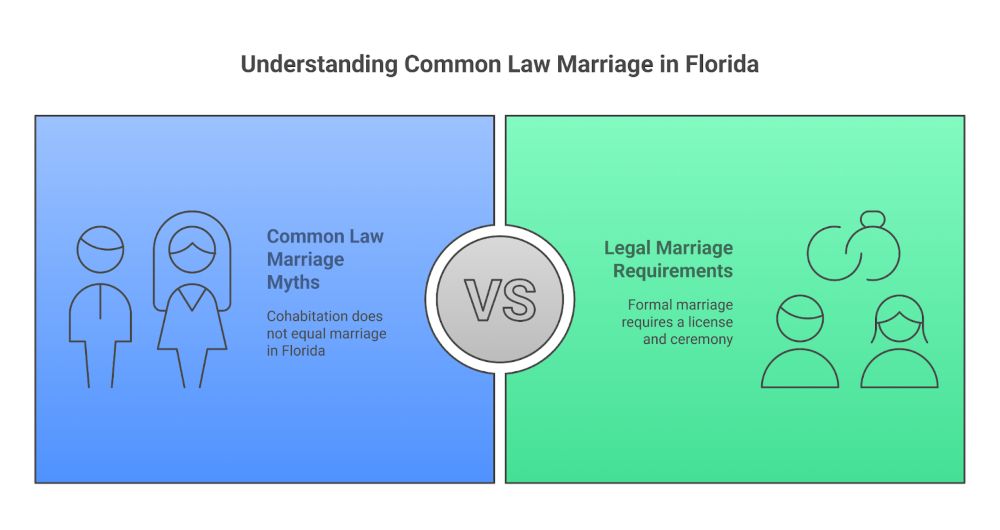
It’s a common misconception that if a couple lives together for a certain number of years in Florida, they automatically achieve common law marriage status. This is unequivocally false. As of January 1, 1968, Florida abolished common law marriage. This means that any common law marriage attempted to be entered into within the state of Florida on or after this date is not legally recognized. For couples moving to Florida or those planning to establish a life together there, this is a critical lifestyle detail. Without a formal marriage ceremony, couples living together in Florida are not considered married in the eyes of the law, regardless of how long they cohabit or how they present themselves to others. This impacts everything from inheritance rights and property division to medical decision-making authority, all of which are central to a stable and secure lifestyle.
Out-of-State Recognition: What If You’re Moving to Florida?
While Florida does not permit new common law marriages to be formed within its borders, it does generally recognize common law marriages that were validly created in other states or jurisdictions that permit them. This recognition is based on the “Full Faith and Credit Clause” of the U.S. Constitution, which requires states to respect the “public acts, records, and judicial proceedings of every other state.”

Therefore, if you and your partner formed a valid common law marriage in a state like Colorado, Iowa, Kansas, Montana, New Hampshire (for inheritance purposes only), Oklahoma, Rhode Island, South Carolina, Texas, the District of Columbia, or Utah (as of 2020), and then move to Florida, your marriage will typically be recognized. This is a crucial distinction for individuals and families relocating to Florida, as it directly affects their legal status, property rights, estate planning, and family law considerations—all fundamental elements of their new Florida lifestyle. It’s always advisable for such couples to gather documentation proving their common law marriage from their previous state of residence.
Navigating the Legal Landscape: Practical Advice for Your Florida Lifestyle
Successfully integrating into the Florida lifestyle involves more than just finding the perfect beachfront condo or navigating the local dining scene; it also requires a practical understanding of how to manage your legal affairs. While common law provides a historical backdrop, modern Florida life is largely governed by statutes. Prudence dictates proactive measures to protect your interests.
Importance of Written Agreements
Given that Florida does not recognize common law marriage and heavily relies on statutory law, relying on unwritten understandings or vague common law implications can be financially and emotionally perilous. For any significant arrangement—be it a long-term lease, a business partnership, property ownership with an unmarried partner, or even agreements for substantial personal property—clear, comprehensive, and legally binding written agreements are paramount. These documents eliminate ambiguity, outline responsibilities, and provide a framework for dispute resolution, offering immense peace of mind for anyone building a life in Florida. Investing in such agreements is investing in the stability of your Florida lifestyle.
When to Seek Legal Counsel
For major life events and decisions impacting your Florida lifestyle, the counsel of a Florida-licensed attorney is invaluable. This includes:
- Real Estate Transactions: Buying or selling property, especially complex beachfront or commercial properties, requires expert legal guidance to navigate contracts, titles, and local zoning laws.
- Business Ventures: Starting, buying, or investing in a business in Florida demands legal advice on corporate structure, contracts, and regulatory compliance.
- Estate Planning: Crafting wills, trusts, and power of attorney documents ensures your assets are distributed according to your wishes and protects your loved ones. This is especially critical for unmarried couples where common law marriage is not recognized.
- Family Law Matters: Even if Florida doesn’t recognize common law marriage, issues related to child custody, support, or domestic partnerships often arise and require legal expertise.
- Personal Injury Claims: If you are involved in an accident or injury, understanding your rights and options under Florida’s tort laws is best done with a lawyer.
An attorney can demystify the complexities of Florida law, clarify the interplay between common law principles and current statutes, and ensure your lifestyle decisions are legally sound and protected.
Staying Informed as a Florida Resident/Visitor
Whether you are a seasonal visitor enjoying extended stays, a snowbird, or a permanent resident, maintaining a general awareness of local ordinances and state laws that affect daily life is beneficial. Florida has specific regulations for everything from hurricane preparedness to consumer protection, and staying informed is a key aspect of a responsible and stress-free lifestyle. Resources include official state websites, local government portals, and reputable legal information sources.
The Evolving Face of Florida Law and Your Lifestyle Choices
Florida’s legal system is not static; it is a dynamic entity that continuously adapts to societal changes, technological advancements, and new challenges facing the state. While common law provides a foundational understanding, the legislative body and judicial interpretations constantly shape the modern legal landscape.
The Legislative Role in Modern Florida
The Florida Legislature plays a dominant role in shaping the state’s laws. Each year, new statutes are passed, and existing ones are amended or repealed. These legislative actions often codify common law principles, supersede them with specific statutory provisions, or introduce entirely new legal frameworks. This ongoing legislative activity impacts various aspects of daily life, from property taxes and environmental regulations to consumer rights and public safety standards—all crucial elements for residents and long-term visitors alike. For those making Florida their home or a significant part of their lifestyle, understanding the legislative process and its outcomes can help in making informed decisions about investments, community involvement, and personal planning.
Preparing for a Seamless Florida Experience
Ultimately, enjoying a seamless and enriching Florida lifestyle, whether you’re there for retirement, a business venture, an extended vacation, or simply to embrace the vibrant culture, hinges on preparation and informed decision-making. While the direct influence of common law may not be immediately apparent in every daily transaction, its historical presence underpins many of the statutory laws and judicial interpretations that govern the state. By acknowledging this intricate legal tapestry, you empower yourself to navigate potential challenges with greater confidence and secure your peace of mind.
In conclusion, while Florida primarily operates under a comprehensive system of statutory law, the spirit and principles of common law form an indispensable historical bedrock. This heritage continues to influence judicial interpretations and provides the conceptual framework for many areas of law, particularly those concerning property, contracts, and personal liability. For anyone aspiring to integrate fully into the Florida lifestyle, understanding this nuanced legal environment is not just an academic exercise—it’s a practical necessity for making informed decisions, protecting your interests, and ensuring your experience in the Sunshine State is as smooth and carefree as its inviting beaches.
LifeOutOfTheBox is a participant in the Amazon Services LLC Associates Program, an affiliate advertising program designed to provide a means for sites to earn advertising fees by advertising and linking to Amazon.com. Amazon, the Amazon logo, AmazonSupply, and the AmazonSupply logo are trademarks of Amazon.com, Inc. or its affiliates. As an Amazon Associate we earn affiliate commissions from qualifying purchases.