
The question of whether a formal “Council on Aging” exists in Nevada often arises from individuals and families seeking centralized resources and support for older adults. While a single, overarching entity bearing that exact name might not be immediately apparent, the state is rich with a network of organizations, agencies, and initiatives dedicated to enhancing the lives of seniors. These entities, collectively, fulfill the functions one might expect from a council on aging, providing a spectrum of services ranging from healthcare advocacy and legal aid to social engagement and recreational opportunities. Understanding this landscape is crucial for navigating the support systems available to the burgeoning senior population in the Silver State.

The absence of a singular, monolithic “Council on Aging” doesn’t signify a lack of support; rather, it points to a decentralized yet comprehensive approach to senior welfare. This structure allows for specialized services tailored to diverse needs, ensuring that seniors in Las Vegas, Reno, and more rural communities alike can access the assistance they require. The focus is on empowering seniors, promoting independence, and fostering an environment where aging is viewed as a stage of life to be embraced with dignity and access to enriching experiences.
Understanding the Nevada Senior Support Ecosystem
The support structure for seniors in Nevada is multifaceted, drawing upon state and local government agencies, non-profit organizations, and community-based programs. These entities collaborate to address the multifaceted needs of an aging population, encompassing health, wellness, financial security, and social connectivity.
State-Level Initiatives and Agencies
At the state level, several key agencies play a pivotal role in supporting older adults. The Nevada Aging and Disability Services Division (ADSD) is perhaps the most significant entity that acts as a central hub for information and services. ADSD is responsible for planning, coordinating, and advocating for programs and services that enhance the quality of life for seniors and individuals with disabilities across the state. They administer various federal and state programs, including those funded through the Older Americans Act, which provide essential services like nutrition programs, transportation assistance, caregiver support, and elder abuse prevention.
ADSD also plays a crucial role in identifying the needs of older adults and developing strategies to meet those needs. They work in partnership with local Area Agencies on Aging (AAAs) and other service providers to ensure that resources are distributed effectively and reach those who need them most. Their website serves as a valuable resource, offering directories of services, information on benefits, and guidance on navigating the complexities of aging.
Local Area Agencies on Aging (AAAs)
While ADSD provides a statewide framework, the actual delivery of services is often managed through local Area Agencies on Aging (AAAs). These organizations are designed to be the primary points of contact for seniors and their families in their respective geographic regions. Each AAA is responsible for assessing local needs, developing a comprehensive plan of services, and contracting with local providers to deliver those services.
For example, in Southern Nevada, organizations like the Aging and Disability Services Bureau in Las Vegas serve a critical function. They offer a wide array of programs, including case management, in-home services, health and wellness programs, and senior centers that provide opportunities for social interaction and activities. Similarly, Northern Nevada has its own network of AAAs dedicated to serving counties like Washoe and Carson City.
These AAAs act as vital navigators, helping seniors connect with the right services, whether it’s finding affordable housing, accessing Medicare and Medicaid benefits, or securing transportation to medical appointments. They are instrumental in building a strong social safety net for older adults in Nevada.
Key Service Areas for Nevada Seniors
The support ecosystem in Nevada addresses a broad spectrum of needs, ensuring that seniors can maintain their independence, health, and engagement with their communities.
Health and Wellness Programs
Maintaining good health is paramount for seniors, and Nevada offers various programs to support this. State and local agencies often partner with healthcare providers and community organizations to offer health screenings, chronic disease management programs, and fitness classes tailored for older adults. Many senior centers provide healthy meal options, and nutrition programs are available for those who are homebound or have difficulty preparing meals.

Telehealth services are also becoming increasingly prevalent, allowing seniors to consult with healthcare professionals remotely, which is particularly beneficial for those with mobility issues or living in rural areas. Furthermore, mental health support is increasingly recognized as a critical component of overall well-being, with resources available for counseling and support groups.
Social Engagement and Recreation
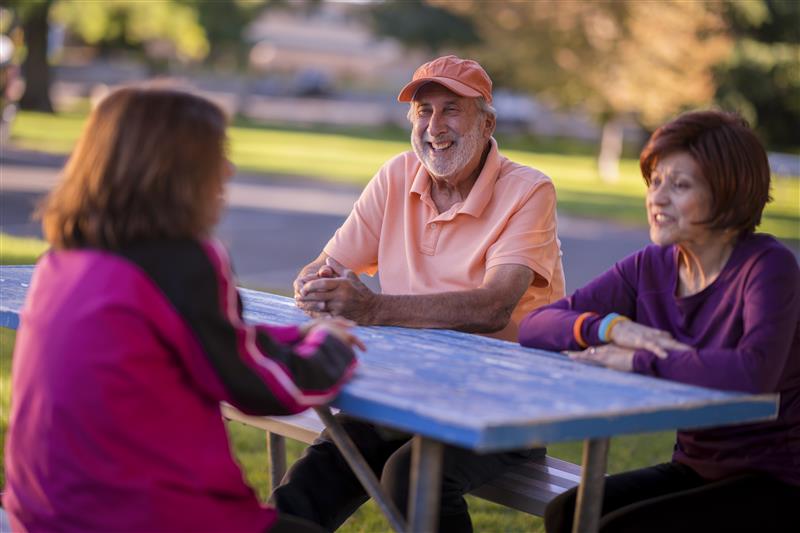
Combating social isolation is a significant focus for organizations serving seniors. Senior centers are central to this effort, offering a welcoming environment for a variety of activities, including arts and crafts, educational workshops, games, and excursions. These centers serve not only as places for recreation but also as community hubs where seniors can build friendships and feel a sense of belonging.
Beyond senior centers, many communities offer intergenerational programs that connect older adults with younger populations, fostering mutual understanding and shared experiences. Volunteer opportunities are also abundant, allowing seniors to contribute their skills and experience while staying active and engaged. For those who enjoy the outdoors, Nevada offers numerous opportunities for exploration, from scenic drives through the Red Rock Canyon to exploring the natural beauty of Lake Tahoe.
Advocacy and Legal Services
Seniors often face unique legal and advocacy needs, particularly concerning issues like elder abuse, neglect, financial exploitation, and estate planning. Organizations funded through ADSD and other sources provide legal aid services to seniors who cannot afford representation. These services can include assistance with wills, powers of attorney, guardianship issues, and navigating disputes.
Advocacy groups also work to ensure that the rights and interests of older adults are represented in policy decisions at local, state, and federal levels. They champion issues such as access to affordable healthcare, adequate housing, and protection from discrimination.
Navigating Resources for Nevada Seniors
For individuals seeking information or assistance for themselves or a loved one in Nevada, knowing where to turn is the first step.
The Role of the Nevada Aging and Disability Services Division (ADSD)
As mentioned, ADSD is the primary state agency that oversees services for seniors. Their website is an excellent starting point for finding information on available programs and services. They can direct individuals to their local AAA, provide details on state and federal benefits, and offer guidance on specific issues related to aging. ADSD often acts as a gateway to a wealth of resources, ensuring that no senior is left without options.
Connecting with Local Area Agencies on Aging (AAAs)
The most effective way to access direct services is typically through your local AAA. These organizations are geographically based and possess in-depth knowledge of the resources available within their communities. Whether you are in Clark County, Washoe County, or a more rural part of Nevada, there is an AAA designed to serve your area. They provide personalized assistance, helping to assess individual needs and connect seniors with appropriate programs and services.
Non-Profit Organizations and Community Programs
Beyond government-funded initiatives, numerous non-profit organizations and community-based programs contribute significantly to the well-being of seniors in Nevada. These can include faith-based organizations, local charities, and specialized service providers focusing on areas like transportation, meal delivery, or companionship. Identifying these groups often involves reaching out to local AAAs or searching community directories. For instance, in Henderson, local community centers and volunteer groups often supplement the services offered by larger agencies.
In conclusion, while a singular “Council on Aging” might not be a prominent label in Nevada, the state is well-equipped with a robust and interconnected network of resources and organizations dedicated to supporting its senior population. This comprehensive ecosystem ensures that older adults can access the care, engagement, and advocacy they need to live fulfilling and independent lives.
LifeOutOfTheBox is a participant in the Amazon Services LLC Associates Program, an affiliate advertising program designed to provide a means for sites to earn advertising fees by advertising and linking to Amazon.com. Amazon, the Amazon logo, AmazonSupply, and the AmazonSupply logo are trademarks of Amazon.com, Inc. or its affiliates. As an Amazon Associate we earn affiliate commissions from qualifying purchases.