
When planning a trip to a vibrant and diverse destination like California, most travelers envision sun-drenched beaches, iconic landmarks, bustling cities, and world-class culinary experiences. From the glamour of Hollywood to the natural splendor of Yosemite National Park, the Golden State offers an unparalleled array of attractions and lifestyles. However, a deeper dive into any region often reveals layers of its unique socio-political fabric, which can be as compelling as its scenic beauty. One such aspect that often sparks curiosity, reflecting the state’s progressive yet complex identity, is its stance on capital punishment.

So, to directly answer the question: Yes, legally, the death penalty exists in California’s statutes, but its enforcement is currently under a statewide moratorium. This means that while capital punishment remains a legal possibility on paper, no executions are being carried out, and death row inmates are not facing execution. Understanding this nuanced position is crucial for anyone interested in the broader context of California beyond its surface-level attractions, offering a glimpse into its legal history, social values, and the fascinating interplay of its progressive ideals with deeply rooted judicial systems. For the discerning traveler or lifestyle enthusiast, exploring such topics can enrich one’s understanding of the destination, providing a more comprehensive and meaningful experience of the Golden State.
Unpacking California’s Stance: A Legal Overview
California’s journey with the death penalty has been long, contentious, and reflective of the broader national debate on capital punishment. As one of the largest states in the U.S., its legal decisions often carry significant weight and influence. The state first adopted capital punishment shortly after achieving statehood in 1850, and throughout its history, it has seen periods of active executions, legislative reforms, and intense public and judicial scrutiny.
The legal framework for capital punishment in California is robust, outlining specific crimes for which it can be imposed, typically first-degree murder with “special circumstances.” These special circumstances can range from murder during a robbery or kidnapping to multiple murders or the murder of a peace officer. Once a death sentence is handed down by a jury, it automatically goes through a lengthy appeals process, often taking decades to navigate state and federal courts. This intricate legal dance has led to California having the largest death row population in the Western Hemisphere, a significant and often debated statistic.
For travelers interested in judicial history or policy, understanding the legal machinations behind such a complex issue adds another dimension to their appreciation of the state’s governmental structure. The state capital, Sacramento, is home to the California State Capitol Museum, where visitors can learn about the legislative processes that shape these laws, offering an educational complement to the state’s more conventional tourist routes.
The Moratorium: A Practical Reality
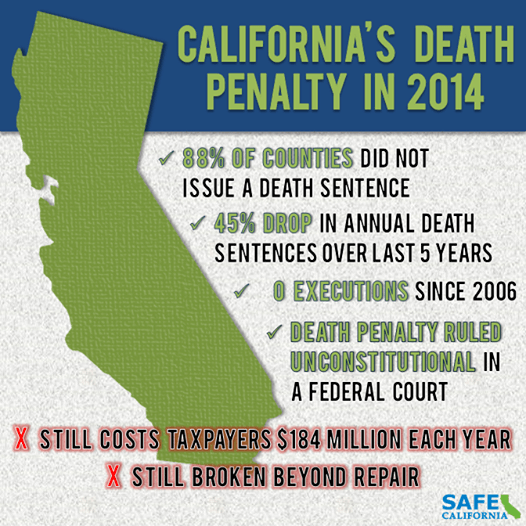
The most significant recent development in California’s death penalty saga occurred in March 2019, when Governor Gavin Newsom signed an executive order establishing a statewide moratorium on executions. This executive action halted all executions for the foreseeable future, granting a reprieve to the more than 700 inmates on death row. Governor Newsom cited concerns about the fairness, effectiveness, and morality of capital punishment, highlighting issues such as racial bias, the risk of executing innocent individuals, and the exorbitant costs associated with maintaining the death penalty system.
It’s important to distinguish that a moratorium is not the same as a repeal or abolition. The death penalty technically remains on the books, and courts can still hand down death sentences. However, practically speaking, the state will not carry out any executions while the moratorium is in effect. This move by California placed it alongside other states that have either abolished or paused capital punishment, further solidifying its image as a leader in progressive policy, even on controversial issues. For individuals passionate about social justice and human rights, this aspect of California’s policy landscape can be a significant point of interest, shaping perceptions of the state as a destination that aligns with certain ethical and lifestyle values.
Decades of Debate: Legal Battles and Public Opinion
California’s relationship with the death penalty has been marked by a seesaw of public opinion, judicial rulings, and legislative efforts. Over the past few decades, voters have had multiple opportunities to weigh in on the issue through ballot initiatives. In 2012, Proposition 34, which sought to repeal the death penalty and replace it with life imprisonment without parole, was narrowly defeated. Four years later, in 2016, voters considered two competing propositions: Proposition 62, another repeal effort, and Proposition 66, which aimed to expedite the appeals process for death penalty cases. Proposition 66 ultimately passed, demonstrating a complex public desire for both justice and efficiency, even as the ethical debates continued to rage.
These repeated public votes underscore the deeply divided nature of the issue within the state. Activists on both sides have engaged in extensive campaigns, reflecting the diverse values held by California’s population. For those who travel to engage with local culture and understand the pulse of a region, delving into such public debates offers a unique window into the democratic process and the societal values that shape communities. It’s a reminder that even amidst the allure of Los Angeles film sets or the serenity of a Napa Valley vineyard, real-world issues of justice and governance are continuously being discussed and decided.
Beyond the Headlines: The Intersection with Travel and Lifestyle
While capital punishment might seem far removed from the typical travel itinerary, understanding such fundamental aspects of a destination’s legal and social framework can profoundly enrich the traveler’s experience. California is renowned for its diverse offerings, from tech innovation in Silicon Valley to the natural wonders of Death Valley National Park. Its complex legal landscape, including the death penalty debate, forms part of the unique character that defines the state. For many, travel is not just about sightseeing but about immersing oneself in the complete story of a place, understanding its history, its challenges, and its aspirations.

This deeper engagement aligns perfectly with the lifestyle traveler who seeks authenticity and a comprehensive understanding of their chosen destination. It’s about recognizing that every landmark, every city, every policy decision contributes to the narrative of a place. For some, the existence of a progressive stance on criminal justice might even influence their choice of destination, aligning their travel with places that reflect their personal values.
San Quentin State Prison: A Landmark of Legal History
Perhaps the most direct link between California’s death penalty and its physical landscape is San Quentin State Prison. Located just north of San Francisco, nestled on the shores of San Francisco Bay, San Quentin is the oldest state prison in California, established in 1852. It is famously home to the state’s male death row and its execution chamber.
While certainly not a typical tourist attraction like the Golden Gate Bridge or the Santa Monica Pier, San Quentin holds immense historical and social significance. It stands as a stark, tangible landmark in the ongoing narrative of criminal justice in America. Its distinctive architecture and imposing presence offer a visual reminder of the serious legal processes at play within the state. For those with an interest in penal history, social justice, or architectural landmarks that tell a deeper story, its existence contributes to the tapestry of points of interest in the San Francisco Bay Area. Much like Alcatraz Island, which transitioned from a notorious federal prison to a major historical park attraction, San Quentin represents a powerful piece of California’s past and present, albeit one viewed from a respectful distance. Its presence underscores the complex realities that coexist with California’s celebrated vibrancy.
California’s Progressive Identity and the Traveler’s Perspective
California has long cultivated an image as a progressive beacon, a place of innovation, environmental consciousness, and social liberalism. This identity attracts a specific demographic of travelers and residents alike – those seeking forward-thinking policies, diverse communities, and a lifestyle that often prioritizes personal freedom and social responsibility. The state’s nuanced approach to the death penalty, particularly the moratorium, aligns with this progressive ethos, signaling a willingness to critically re-evaluate even deeply entrenched legal practices.
For many travelers, particularly those from international destinations, understanding such policies offers insight into the American legal system and the unique regional variations within the United States. It can influence how one perceives the safety, justice, and overall societal values of a destination. A state that grapples thoughtfully with complex ethical issues might be seen as more appealing to individuals who prioritize responsible tourism and want to support economies that reflect a certain set of values. It’s part of the broader “lifestyle travel” trend, where choices of destinations are increasingly influenced by alignment with personal beliefs and a desire for meaningful engagement beyond the superficial.
Experiencing California: Where Law and Lifestyle Converge
Ultimately, experiencing California is about more than just checking off popular sites. It’s about absorbing the entire atmosphere, from the natural beauty of Big Sur to the cultural richness of Disneyland Park. The legal landscape, including the ongoing debate around the death penalty, is an undeniable thread in this rich tapestry. It tells a story of a state constantly evolving, grappling with profound questions of justice, ethics, and human rights.
For those planning their next adventure or considering a long-term stay, understanding these deeper aspects contributes to a more informed decision-making process. It allows travelers to choose destinations that resonate not just with their desire for relaxation or excitement, but also with their intellectual curiosity and personal values. Whether you’re exploring the ancient forests of Redwood National Park or gazing at the stars from Griffith Observatory, the complex identity of California is always subtly present, inviting deeper reflection.
Exploring Justice: Niche Tourism and Historical Context
While most tourists won’t seek out a tour of San Quentin State Prison, the interest in legal history and social justice forms a niche but significant aspect of travel for many. This isn’t about morbid curiosity but about understanding the foundational elements of civil society. Historic courthouses, legal museums, or even specific legislative buildings in cities like Sacramento can become points of interest for those seeking to understand the mechanisms of justice.
California’s history is rife with dramatic legal cases that have shaped not only the state but the entire nation. From the Gold Rush era to modern technological challenges, the evolution of its laws and judicial practices reflects broader societal shifts. For travelers who appreciate history beyond battlefields and monuments, exploring the context of capital punishment in California provides a unique historical lens, connecting past legislative decisions to the present-day moratorium. This kind of contextual understanding enhances the richness of any visit, transforming a superficial glance into a profound educational journey.
The Golden State’s Enduring Appeal
Despite, or perhaps even because of, its complexities, California’s appeal remains enduring. Its commitment to innovation, its diverse cultural mosaic, its breathtaking natural landscapes, and its willingness to confront difficult social issues all contribute to its global allure. The debate surrounding the death penalty is but one facet of this multifaceted gem. For travelers seeking a destination that offers not only leisure and adventure but also intellectual engagement and a glimpse into a society continually striving for progress, California stands out.
Whether you’re visiting for its world-class hotels, its celebrated cuisine, its iconic landmarks, or simply to soak in its unique lifestyle, understanding the underlying currents of its legal and social framework will undoubtedly deepen your appreciation. The answer to “Is there a death penalty in California?” is a complex “yes, but it’s on hold,” a response that perfectly encapsulates the Golden State’s dynamic, thoughtful, and sometimes contradictory character – a character that continues to fascinate and draw visitors from around the globe.
LifeOutOfTheBox is a participant in the Amazon Services LLC Associates Program, an affiliate advertising program designed to provide a means for sites to earn advertising fees by advertising and linking to Amazon.com. Amazon, the Amazon logo, AmazonSupply, and the AmazonSupply logo are trademarks of Amazon.com, Inc. or its affiliates. As an Amazon Associate we earn affiliate commissions from qualifying purchases.