
Florida’s Legal Landscape: An Overview for the Culturally Curious Traveler
For those who venture to Florida, often captivated by its pristine beaches, vibrant cities like Miami and Orlando, and unique ecosystems, understanding the essence of the Sunshine State goes beyond its immediate allure. A deeper appreciation of any destination’s “local culture” often involves grasping the fundamental aspects of its governance and societal norms. One such aspect, which often sparks inquiry, pertains to its judicial system, particularly the stance on capital punishment. Indeed, Florida is one of the states in the United States where the death penalty remains a legal form of punishment, a fact that contributes to its distinct legal and social identity within the broader American landscape.
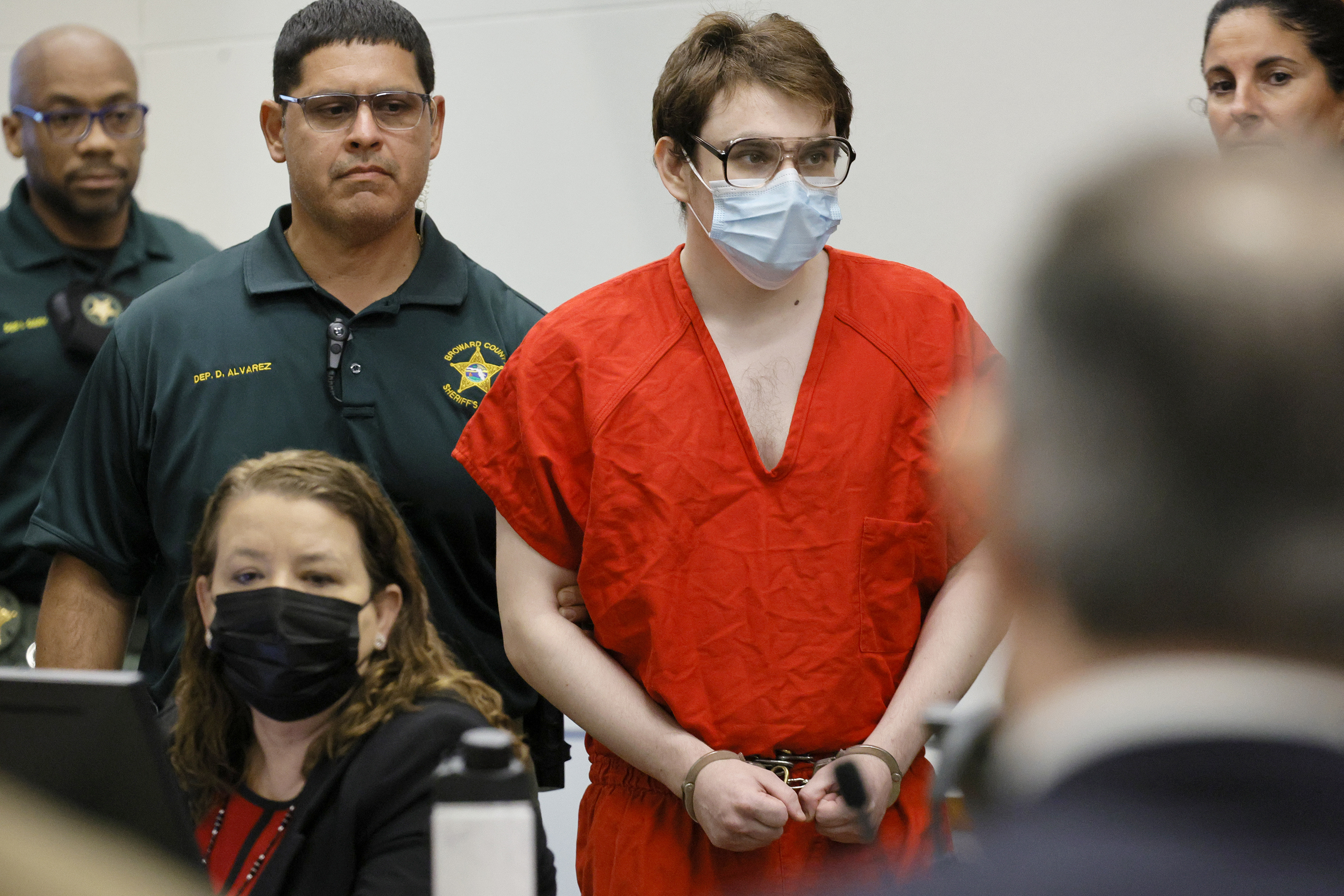
Understanding this facet of Florida’s jurisprudence offers a more complete picture for the culturally curious, providing context to the state’s historical development and ongoing societal debates. It’s not a typical “attraction” but rather a fundamental pillar of its legal framework, shaping discourse and policy from its capital in Tallahassee outwards. This legal reality, while somber, is an undeniable element of the state’s intricate character, reflecting legislative history, judicial precedents, and public sentiment over centuries. For a discerning traveler, knowing the legal landscape enhances a holistic understanding of the place they are visiting, much like understanding local customs or political structures might.
Historical Context of Capital Punishment in the Sunshine State
The history of capital punishment in Florida is deeply intertwined with its evolution as a state. From its territorial days through statehood, capital punishment has been a consistent, albeit evolving, feature of its legal system. Initially, executions were carried out by hanging, a common practice across the early United States. Over time, as societal views and technological advancements progressed, the methods changed. In the early 20th century, Florida transitioned to the electric chair, a method that became synonymous with capital punishment in the state for decades, garnering significant media attention and often fueling public debate.
The latter half of the 20th century saw significant legal challenges to the death penalty nationwide, including in Florida. A landmark ruling by the U.S. Supreme Court in the 1970s temporarily halted executions across the country, citing concerns about arbitrary application. Florida, like many other states, subsequently revised its statutes to address these constitutional concerns, aiming to ensure a more consistent and fair application of capital sentences. These revisions included mandates for bifurcated trials (guilt phase followed by a penalty phase), specific aggravating and mitigating circumstances for consideration, and automatic appeals processes. This period of legal reform set the stage for the modern framework of capital punishment in Florida, ultimately leading to the adoption of lethal injection as the primary method of execution in recent decades, although the electric chair remains an option under specific circumstances. This historical trajectory showcases a constant interplay between legislative intent, judicial review, and evolving societal ethics.
The Judicial Process: From Crime to Verdict
The journey through Florida’s legal system for a capital offense is a complex and exhaustive one, reflecting the gravity of the potential outcome. It begins, like any criminal case, with an investigation and charges. However, for crimes eligible for the death penalty—primarily first-degree murder with specific aggravating factors—the subsequent steps are meticulously prescribed. Prosecutors must formally declare their intent to seek capital punishment. Following this, the accused is entitled to rigorous legal defense, often provided by the public defender’s office or appointed counsel, with resources typically exceeding those in non-capital cases.
Should a defendant be found guilty of a capital crime, the trial proceeds to a separate penalty phase. During this phase, the jury hears evidence of aggravating factors (circumstances that make the crime more severe, such as particular cruelty or the murder of a law enforcement officer) and mitigating factors (circumstances that might lessen the defendant’s culpability, such as mental illness or a history of abuse). The jury’s role is crucial: it recommends a sentence based on its weighing of these factors. Until recently, Florida was unique in allowing a non-unanimous jury recommendation for a death sentence. However, subsequent legal challenges and legislative changes have now mandated a unanimous jury vote for the imposition of a death sentence, reflecting a heightened standard of consensus in such profound decisions. This intricate process underscores the state’s commitment to careful deliberation in cases where a life is at stake, a critical element for any visitor seeking to understand the deep workings of its legal culture.
Understanding Capital Cases and Florida’s Distinct Approach
Florida’s approach to capital punishment has often stood out among other states that retain the death penalty. Its statutes, judicial interpretations, and execution rates have made it a focal point in the national debate surrounding capital punishment. For anyone delving into the “local culture” of Florida from a deeper perspective, understanding these distinct features provides valuable insight into the state’s socio-legal character. The specific details of how aggravating and mitigating circumstances are weighed, the role of the Florida Supreme Court, and the evolution of its sentencing structure all contribute to a unique legal identity.
The state’s high court, the Florida Supreme Court, plays a pivotal role in reviewing capital sentences. Every death sentence handed down by a lower court in Florida is subject to automatic appeal to the Florida Supreme Court, ensuring an additional layer of scrutiny. This appellate process is exhaustive, examining potential errors in trial procedure, evidentiary rulings, and the application of sentencing guidelines. Beyond the state-level appeals, capital cases can also be challenged in federal courts, including the U.S. Supreme Court, highlighting the multi-layered legal scrutiny involved before a death sentence can be carried out. This rigorous review system is part of the state’s effort to uphold due process and minimize the risk of erroneous convictions or unjust sentences, reflecting a legal culture that balances punitive justice with the imperative for fairness.

Unique Aspects of Florida’s Sentencing
Historically, Florida presented unique aspects in its capital sentencing structure, setting it apart from many other states. A significant point of contention and subsequent reform was the requirement for a jury to recommend a death sentence by a simple majority vote. This “advisory” role of the jury, with the final sentencing decision resting with the judge, meant that a defendant could be sentenced to death even if a substantial minority of jurors opposed it. This system drew considerable scrutiny and eventually led to a series of legal challenges that reached the U.S. Supreme Court.
These challenges resulted in landmark decisions, notably Hurst v. Florida (2016), which found Florida’s death penalty sentencing scheme unconstitutional because it did not require the jury, rather than the judge, to find the facts necessary to impose a death sentence. In response, Florida underwent significant legislative reforms. Initially, it required a 10-2 jury vote for a death sentence recommendation. However, further legal and legislative adjustments, including a ruling by the Florida Supreme Court, ultimately led to the current requirement of a unanimous jury verdict for a death sentence to be imposed. This evolution highlights a dynamic legal culture, constantly adapting to constitutional interpretations and societal expectations regarding justice. These shifts are crucial for anyone seeking to understand the nuanced legal framework that operates within the state.
The Role of the Florida Supreme Court
The Florida Supreme Court stands as the final arbiter of state law, and its role in death penalty cases is paramount. Beyond the automatic review of every death sentence, the court interprets state statutes, establishes procedural rules for trials, and ensures consistency in the application of the law across Florida’s judicial circuits. Its decisions significantly shape the contours of capital punishment in the state. For instance, the court has been instrumental in defining what constitutes an “aggravating factor” or how “mitigating circumstances” should be considered by juries, effectively setting the standards for when a death sentence can be legally sought and imposed.
Moreover, the Florida Supreme Court often navigates the intricate relationship between state law and federal constitutional requirements, particularly those interpreted by the U.S. Supreme Court. When the federal high court issues a ruling that impacts capital punishment, it is often the Florida Supreme Court that must then interpret and implement those changes within Florida’s specific legal context, sometimes requiring the legislature to amend existing statutes. This dynamic interaction between state and federal jurisprudence is a complex but vital aspect of Florida’s legal identity, demonstrating a commitment to adapting its justice system while upholding established principles. For the culturally aware visitor, recognizing the authority and influence of the Florida Supreme Court provides a deeper appreciation for the checks and balances within the state’s governmental structure.
Public Perception and Societal Discourse in Florida
Beyond the statutes and courtroom procedures, the existence of the death penalty in Florida is a continuous subject of public debate and reflects a complex tapestry of societal values. Public opinion polls often show fluctuating support for capital punishment, influenced by recent crime rates, high-profile cases, and broader discussions about justice, deterrence, and the risk of executing innocent individuals. This ongoing discourse is an integral part of Florida’s “local culture,” shaping political campaigns, legislative efforts, and the general understanding of what justice entails in the state. For those interested in the social fabric of their travel destinations, grasping these underlying societal conversations offers profound insights.
Advocacy groups on both sides of the issue are active within Florida, tirelessly working to influence policy and public perception. Organizations advocating for the abolition of the death penalty highlight concerns about wrongful convictions, racial disparities, and the morality of state-sanctioned executions. Conversely, victim advocacy groups and proponents of capital punishment often emphasize its role in delivering justice for heinous crimes and its perceived deterrent effect. These passionate debates contribute to the unique intellectual and social environment of the state, showcasing a population actively engaged in defining its approach to fundamental questions of law and order.
Current Debates and Evolving Legal Standards
The landscape of capital punishment in Florida is far from static. Current debates frequently center on several key areas. The cost of pursuing death penalty cases, which are significantly more expensive than life imprisonment due to extensive appeals, is a perennial issue. There are also ongoing discussions about the methods of execution, particularly the availability and efficacy of certain lethal injection drugs, which have faced challenges due to pharmaceutical company boycotts and ethical concerns. Furthermore, the role of mental health and intellectual disability in capital cases remains a critical area of legal and ethical contention, with evolving standards prohibiting the execution of individuals deemed intellectually disabled or, in some cases, severely mentally ill.
The possibility of wrongful convictions is another potent catalyst for debate. DNA advancements have led to exonerations of individuals previously sentenced to death, prompting calls for even greater safeguards and re-evaluation of the entire system. These evolving legal standards and ongoing debates illustrate a dynamic justice system attempting to reconcile punitive goals with deeply held ethical principles and practical realities. For a traveler keen on understanding the contemporary issues that shape the daily lives and long-term policies of Florida’s residents, these discussions are highly relevant to its “local culture” and civic engagement.

How These Dynamics Shape the State’s Identity
Ultimately, the existence and ongoing debate surrounding the death penalty contribute to the complex identity of Florida. It reflects a state that, while forward-looking in many respects, also holds to traditional interpretations of justice and punishment. This duality is part of what makes Florida a multifaceted destination, not just for its natural beauty and attractions, but also for its societal nuances. For a global traveler or an inquisitive visitor, recognizing these deeper elements—the history of its legal system, the intricate judicial processes, and the vibrant public discourse—enriches the overall experience of Florida. It allows for a more informed and comprehensive understanding of the place, moving beyond the superficial to grasp the underlying cultural and legal frameworks that define life in the Sunshine State. The fact that capital punishment is a legal reality in Florida is a profound truth about its local culture, one that speaks volumes about its history, its values, and its ongoing journey as a prominent state within the United States.
LifeOutOfTheBox is a participant in the Amazon Services LLC Associates Program, an affiliate advertising program designed to provide a means for sites to earn advertising fees by advertising and linking to Amazon.com. Amazon, the Amazon logo, AmazonSupply, and the AmazonSupply logo are trademarks of Amazon.com, Inc. or its affiliates. As an Amazon Associate we earn affiliate commissions from qualifying purchases.