
Travelers drawn to the majestic landscapes and diverse adventures of Colorado often seek to immerse themselves in its expansive outdoors. From the towering peaks of the Rocky Mountains to the high desert plains, the state offers unparalleled opportunities for hiking, camping, and exploration. However, the very conditions that make Colorado so stunning – its dry climate, abundant forests, and open spaces – also make it susceptible to wildfires. Consequently, fire bans are a crucial and common aspect of seasonal travel planning, particularly during the warmer, drier months. Understanding the current fire restrictions before and during your trip is not just about compliance; it’s about protecting the natural beauty you’ve come to experience and ensuring the safety of yourself and others.
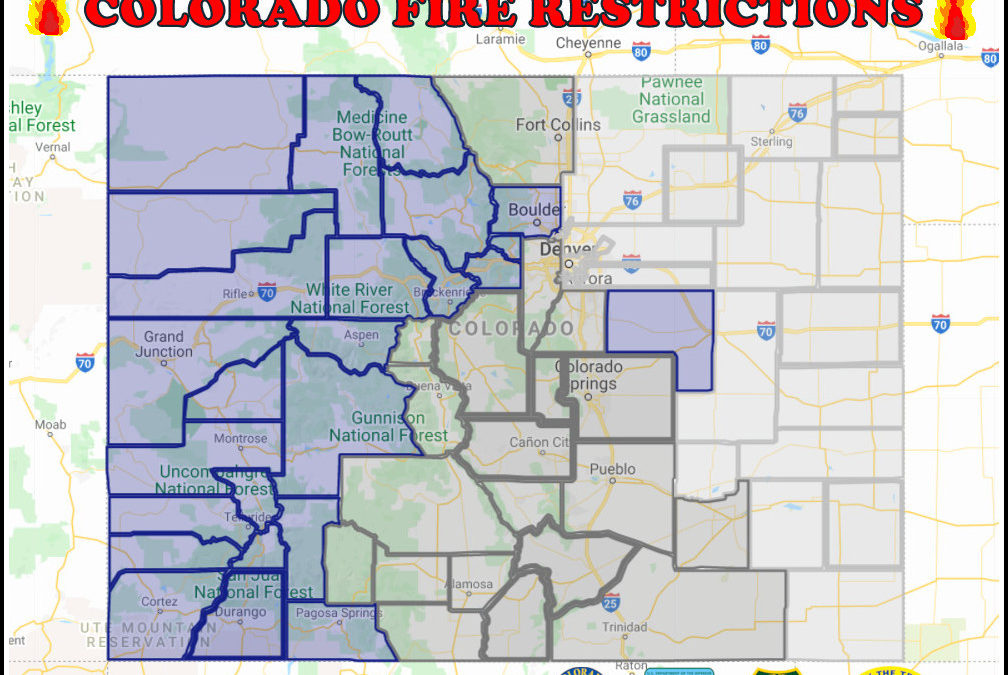
Understanding Fire Bans in the Centennial State
Fire bans are preventative measures implemented by various authorities across Colorado to reduce the risk of human-caused wildfires. These restrictions are dynamic, changing frequently based on weather patterns, fuel moisture levels, and overall fire danger indices. For any traveler planning an outdoor adventure in Colorado, knowing the nuances of these bans is essential for a safe and responsible journey.
Why Fire Bans Are Imposed
The primary reason for implementing fire bans is to mitigate the risk of wildfires in areas deemed vulnerable. Colorado experiences distinct seasons, with spring and summer often bringing prolonged periods of little precipitation, high temperatures, and strong winds. These conditions can quickly dry out vegetation, turning forests, grasslands, and even suburban open spaces into highly flammable environments. Drought conditions, which have become more frequent and severe, exacerbate this risk, leading to elevated fire danger ratings. Human activities, whether intentional or accidental, are responsible for a significant percentage of wildfires. Fire bans are designed to minimize these ignition sources, protecting lives, property, and the irreplaceable natural resources of the state.
Levels of Restriction: Stages Explained
Fire bans in Colorado typically follow a tiered system, often referred to as Stage 1 and Stage 2 restrictions, though specific regulations can vary slightly between jurisdictions like counties, National Forests, and State Parks.
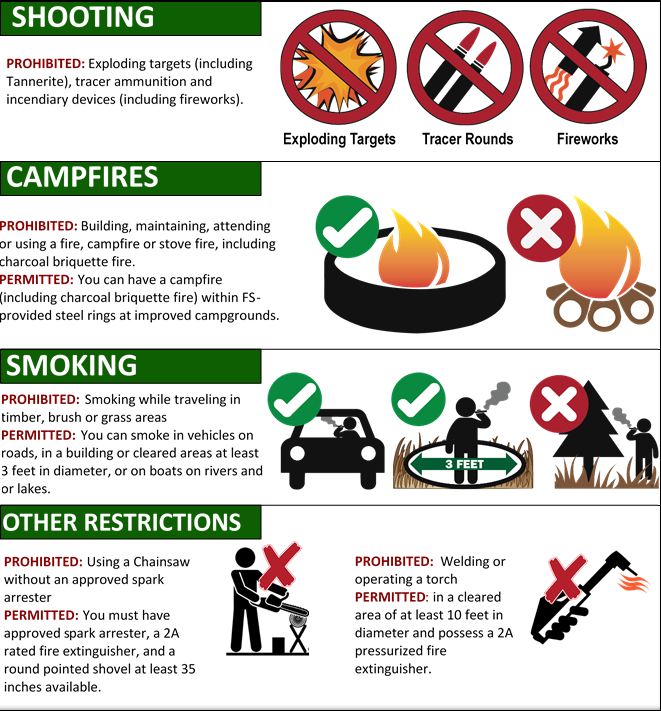
- Stage 1 Fire Restrictions: These are generally implemented when fire danger is moderate to high. Key restrictions often include:
- Campfires: Prohibited outside of developed campgrounds with established fire rings, and sometimes even there. Check specific site rules.
- Charcoal Grills: May be allowed only in developed areas or prohibited entirely.
- Smoking: Restricted to enclosed vehicles, buildings, or areas barren of flammable materials (e.g., paved roads).
- Fireworks: Almost always prohibited on public lands and often in private areas as well.
- Explosives/Incendiary Devices: Completely banned.
- Chainsaws: May require a spark arrestor and a fire extinguisher.
- Stage 2 Fire Restrictions: These are more severe and are enacted during critical fire danger, often characterized by extreme drought, high winds, and very dry fuels. Stage 2 restrictions typically encompass all Stage 1 prohibitions and add:
- All Open Flames: This includes campfires even in developed fire rings, charcoal grills, and sometimes even propane or liquid fuel stoves (though often exceptions are made for established areas or certain conditions).
- Smoking: Prohibited outdoors entirely.
- Operating Internal Combustion Engines: Restrictions may apply to certain vehicles or equipment outside of paved roads, especially for off-roading and motorized trail use.
- Welding/Torch Use: May be prohibited without special permits.
- Use of Explosives: Banned.
It’s crucial for travelers to understand that these stages are generalized, and specific areas may have unique rules. Always check the regulations for your exact destination.
Navigating Your Colorado Trip During a Ban
A fire ban doesn’t mean your Colorado adventure is off-limits. It simply means you need to adjust your plans and approach your activities with heightened awareness and responsibility.
Where to Check for Current Fire Status
Staying informed is your best defense against unexpected restrictions. Before and during your trip, consult multiple reliable sources:
- Colorado Division of Fire Prevention and Control: Their website often has a statewide fire ban map and updates.
- Local County Sheriff’s Offices: Many counties in Colorado implement their own bans, so checking the specific county you plan to visit (e.g., Summit County, Larimer County) is vital.
- U.S. Forest Service (USFS) and Bureau of Land Management (BLM): If you’re visiting National Forests or BLM lands, check their specific district websites or local ranger stations. For instance, the Arapaho and Roosevelt National Forests have dedicated alert pages.
- National Park Service: For National Parks like Rocky Mountain National Park, consult the official park website.
- Colorado State Parks: If visiting a Colorado State Park, their individual park websites will have current information.
- Local Tourism Offices: Cities like Denver, Boulder, Colorado Springs, Aspen, or Grand Junction often provide links to local restrictions.
It’s advisable to check these sources frequently, as conditions can change rapidly.
Activities Often Restricted
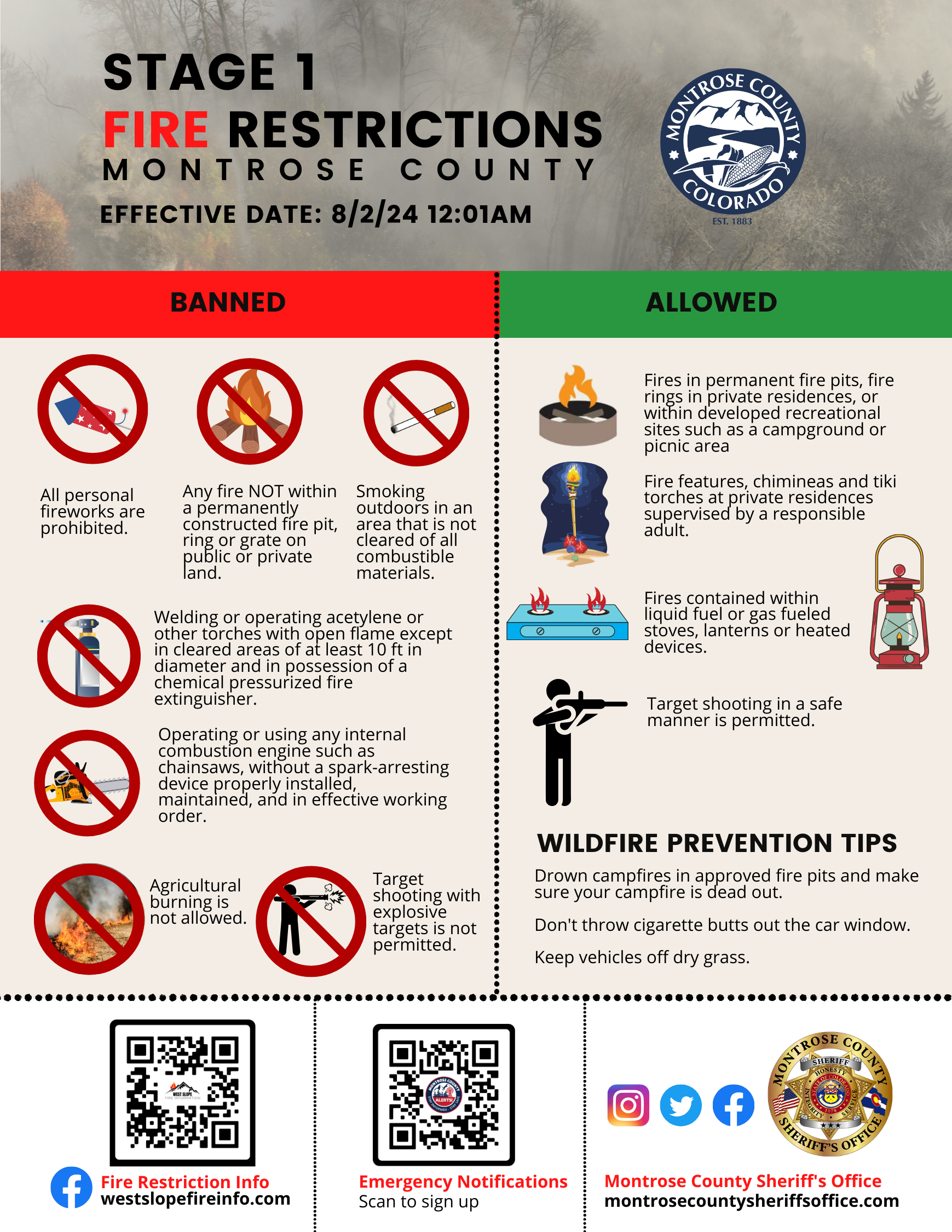
During a fire ban, several popular outdoor activities might be curtailed:
- Traditional Campfires: This is the most common restriction. If your travel plans revolve around evenings gathered around a crackling fire, you will need to adjust.
- Charcoal Grilling: Many bans specifically prohibit charcoal grills, even portable ones, due to the risk of embers escaping.
- Backcountry Camping with Open Flames: Backpacking trips often rely on small stoves, but even these can be restricted under Stage 2 bans. Always carry alternative, cold food options.
- Fireworks and Pyrotechnics: These are universally prohibited during fire bans and can lead to severe penalties if discharged.
- Spark-Producing Equipment: The use of certain motorized tools or vehicles in dry, grassy areas might be restricted due to the potential for sparks.
Enjoying Colorado Safely: Allowed Activities
Fortunately, a fire ban doesn’t eliminate all outdoor fun. Many activities remain open:
- Hiking and Mountain Biking: Most trails remain open, offering incredible opportunities to explore Colorado’s scenery. Always stay on marked trails to avoid disturbing vegetation.
- Photography and Sightseeing: The stunning vistas, vibrant wildlife, and unique geological formations are still there to be admired and captured.
- Fishing and Boating: Lakes and rivers generally remain open, providing a refreshing escape, though specific shore activities might be limited.
- Picnics: Enjoy packed lunches and cold meals in designated picnic areas.
- Developed Recreation Areas: Many National Parks and State Parks have developed areas where certain activities might be permitted, even during a ban, due to their fire-resistant infrastructure. Always confirm local rules.
- Propane Stoves (Stage 1): Often, during Stage 1 bans, liquid fuel or propane stoves are allowed in developed areas or under specific conditions for cooking. Always confirm this locally.
Regional Variations and Local Ordinances
Colorado’s diverse geography means that fire ban conditions can vary significantly from one region to another. A ban in the Front Range near Denver might not apply to the western slope near Grand Junction, or even between adjacent counties.
Colorado’s Diverse Landscapes, Diverse Rules
The state encompasses arid plains, high-alpine wilderness areas, vast forests, and desert canyons. Each ecosystem presents different fire risks and is managed by various authorities. For example, the US Forest Service manages National Forests like the Pike National Forest, while the Bureau of Land Management oversees extensive public lands, and counties have jurisdiction over unincorporated areas. This patchwork of management means that you must confirm the specific restrictions for every segment of your itinerary. A campfire might be allowed in a private campground, but strictly forbidden just across the road on national forest land.
Specific Destinations and Their Vulnerabilities
Areas heavily forested, like those around Aspen, Vail, Evergreen, or within the vicinity of Rocky Mountain National Park, are particularly susceptible to wildfires and are frequently under restrictions. High-altitude wilderness areas, while often cooler, can dry out quickly, especially where beetle-kill timber is prevalent, presenting a significant fuel source. Even urban-adjacent open spaces, like those in Boulder or Colorado Springs, can be subject to bans due to their interface with wildland areas. Always check the specific area of your destination, rather than relying on a general statewide assessment.
Protecting Colorado’s Natural Beauty
The beauty of Colorado is a shared resource, and every traveler plays a vital role in its preservation. Adhering to fire bans and practicing fire-safe habits is paramount.
The Traveler’s Role in Prevention
Even when no official ban is in place, responsible behavior is key. Always use established fire rings, ensure fires are completely out and cold to the touch before leaving, and never throw cigarette butts out of car windows. Consider using a propane stove as a default, even if campfires are permitted. Educate yourself and your travel companions about the risks and the rules. If you see unattended fires or suspicious activity, report it to local authorities immediately. Your vigilance helps protect Colorado for everyone.
Planning Ahead for a Responsible Adventure
When planning your Colorado trip, especially during late spring, summer, and early fall, factor fire ban possibilities into your itinerary. Have alternative plans that don’t rely on open flames. Bring cold food options or be prepared to use a propane stove in a safe, cleared area if allowed. Pack a shovel and water, even for day trips, as a precaution. Embrace the opportunity to enjoy Colorado’s stunning landscapes in new ways, focusing on its vast hiking trails, scenic drives, and charming mountain towns. By staying informed and acting responsibly, you contribute to the ongoing effort to keep Colorado beautiful and safe for generations of travelers to come.
LifeOutOfTheBox is a participant in the Amazon Services LLC Associates Program, an affiliate advertising program designed to provide a means for sites to earn advertising fees by advertising and linking to Amazon.com. Amazon, the Amazon logo, AmazonSupply, and the AmazonSupply logo are trademarks of Amazon.com, Inc. or its affiliates. As an Amazon Associate we earn affiliate commissions from qualifying purchases.