
The majestic landscapes of [Colorado], known for their towering [Rocky Mountains], pristine forests, and vibrant cities, beckon millions of travelers each year. From the adrenaline-pumping slopes of [Vail] and [Breckenridge] to the cultural vibrancy of [Denver] and [Boulder], the state offers an unparalleled array of experiences. However, like many other states in the [United States], [Colorado] is also susceptible to wildfires, a natural phenomenon that can significantly impact travel plans, air quality, and access to some of its most cherished natural wonders. For those planning a trip, or currently enjoying the scenic beauty of the Centennial State, the question “Is there a fire in [Colorado] today?” is a crucial one that underscores the importance of staying informed and prepared.
Understanding the current wildfire situation is paramount for any visitor, whether you’re seeking a luxurious retreat in [Aspen], an adventurous hike in [Rocky Mountain National Park], or a family-friendly exploration of [Colorado Springs]. Wildfires can lead to immediate evacuations, road closures, and a blanket of smoke that obscures views and poses health risks, transforming a dream vacation into a logistical challenge. This article aims to provide a comprehensive guide on how to monitor wildfire activity, understand its potential impact on your travel plans, and navigate your [Colorado] adventure safely and responsibly, ensuring your trip remains memorable for all the right reasons.
Understanding Colorado’s Wildfire Landscape
[Colorado]’s diverse topography, ranging from high-alpine forests to arid plains, makes it vulnerable to wildfires, especially during drier seasons. Understanding the typical patterns and the resources available to track current events is the first step in responsible travel planning.Current Status and Essential Information Sources
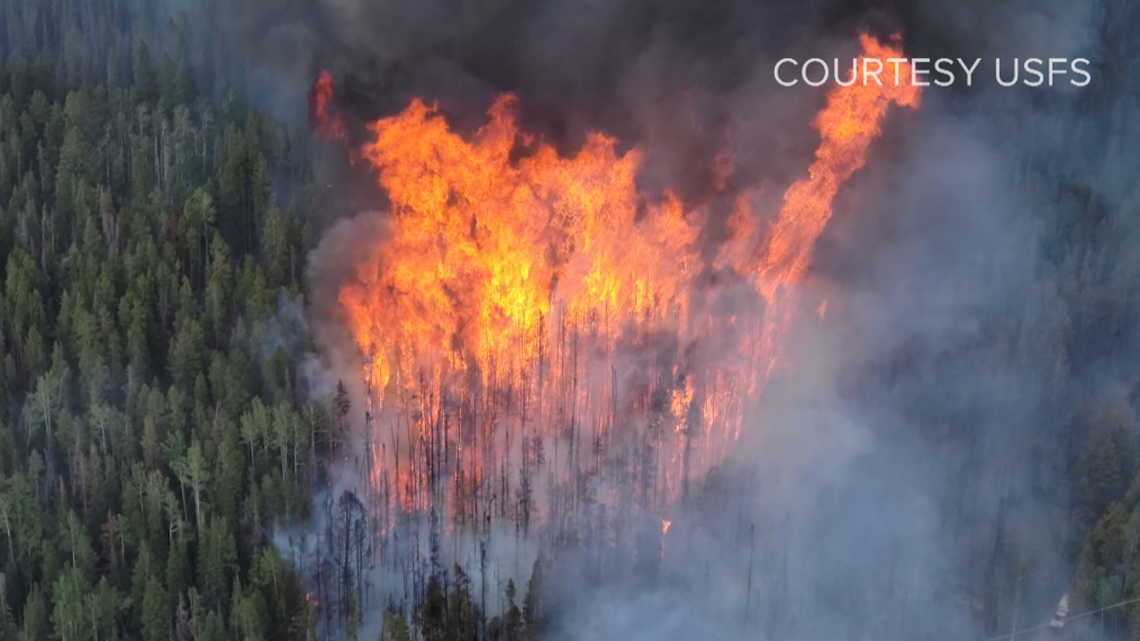
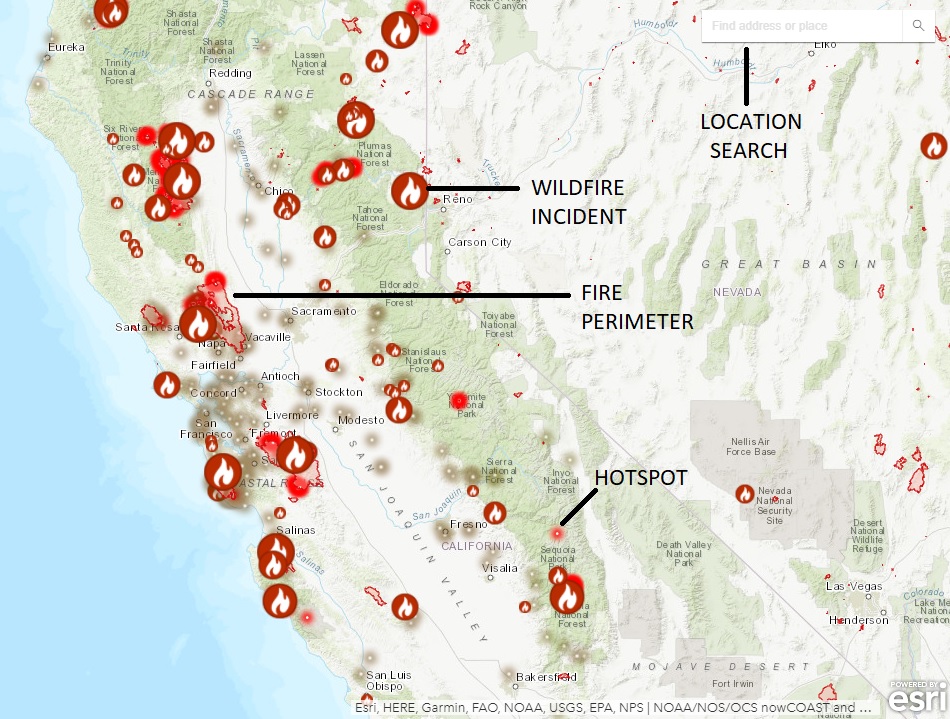
For real-time information on wildfires in [Colorado], travelers should always consult official and reliable sources. The Colorado Office of Emergency Management is a primary resource, often linking to the [InciWeb] system, which provides detailed, incident-specific information on large active wildfires across the [United States]. This includes fire perimeters, containment percentages, and evacuation orders. Local sheriff’s offices and emergency services in areas like [Larimer County], [Grand County], or [Eagle County] will also provide localized updates through their websites and social media channels.
Another critical resource for air quality information, which is often impacted by smoke from wildfires, is the [Colorado Department of Public Health and Environment]. Their air quality forecasts can help travelers decide if outdoor activities are advisable in certain regions. For road closures due to fire activity, the Colorado Department of Transportation website is invaluable, offering real-time updates on state highways. Before embarking on a scenic drive or heading to a specific attraction, cross-referencing these sources can save significant time and ensure safety.
Seasonal Risks and Prevention Measures
Wildfire season in [Colorado] typically spans from late spring through fall, peaking during the hot, dry summer months of July and August. However, depending on snowpack and spring rainfall, the season can start earlier or extend later. Drought conditions, strong winds, and an abundance of dry vegetation significantly increase the risk of rapid fire spread.
Many wildfires in [Colorado] are human-caused, highlighting the importance of prevention. Travelers play a crucial role in mitigating risks. This includes adhering to fire bans (which prohibit open fires, charcoal grills, and sometimes even smoking in certain areas), properly extinguishing campfires, avoiding parking hot vehicles on dry grass, and refraining from activities that can create sparks, such as fireworks or target shooting. National Forests and Parks, such as [White River National Forest] or [Pike National Forest], often implement specific restrictions that visitors must observe. Being aware of these regulations and practicing fire-safe habits protects both the natural environment and the safety of communities.
Impact on Travel and Tourism
When wildfires ignite, their effects ripple across the entire tourism ecosystem. From the closure of beloved landmarks to changes in accommodation availability and the overall visitor experience, understanding these potential impacts is essential for flexible and enjoyable travel.
Affected Regions and Iconic Attractions
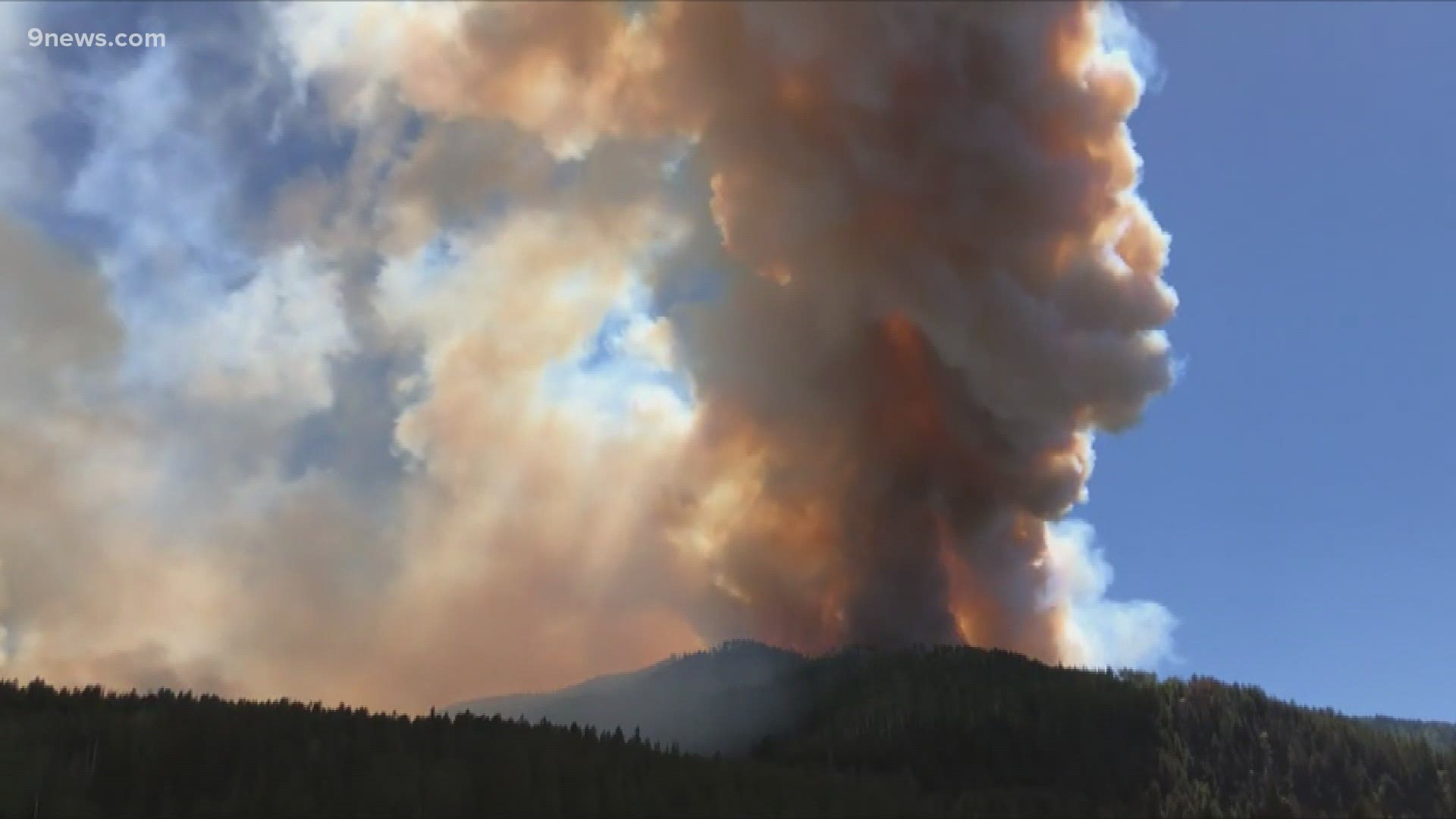
Wildfires can impact vast areas, and while direct fire activity might be confined to specific zones, smoke can travel hundreds of miles, affecting air quality and visibility far beyond the immediate perimeter. For instance, a fire near [Estes Park] could force the closure of [Rocky Mountain National Park], a world-renowned destination for hiking and wildlife viewing. Similarly, fires in the [San Juan Mountains] might impact access to scenic towns like [Telluride] and [Durango], or even sections of the [San Juan Skyway], one of [Colorado]’s most iconic scenic byways.
Other popular spots, such as [Glenwood Springs] with its famous hot springs, or the historical cliff dwellings of [Mesa Verde National Park], can also face disruptions. Even urban centers like [Denver] or [Colorado Springs] might experience hazy skies and reduced air quality during significant wildfire events in nearby areas. It’s not just about the immediate danger; the lingering effects of smoke can deter outdoor activities, a cornerstone of the [Colorado] experience, impacting everything from mountain biking in [Winter Park] to exploring the [Garden of the Gods]. Always check the status of specific attractions, trails, and parks directly before your visit.
Accommodation and Booking Considerations
Wildfires introduce an element of uncertainty into accommodation planning. If an area is under evacuation or severely impacted by smoke, hotels, resorts, and vacation rentals may be forced to close. It’s vital to review the cancellation and refund policies of any booking made. Many hotels, especially larger resorts like [The Broadmoor] in [Colorado Springs] or the [St. Regis Aspen Resort], might have specific policies regarding natural disasters. Smaller boutique hotels or independent vacation rentals could have more stringent cancellation policies.
Considering travel insurance is a prudent step, as it can often cover non-refundable expenses in the event of unforeseen disruptions like wildfires. When looking for places to stay, consider the flexibility of booking and read recent reviews, as these can sometimes reflect local conditions. If your initial plans are disrupted, consider alternative accommodations in less affected areas, such as a luxurious stay at the [Four Seasons Hotel Denver] if mountain regions are impacted, or exploring the unique offerings of [Union Station Denver]’s hotel options. Always confirm directly with your accommodation provider about any potential impacts on your stay.
Navigating Your Colorado Trip Safely
Even with the possibility of wildfires, a memorable and safe trip to [Colorado] is entirely achievable with careful planning, adaptability, and a commitment to staying informed.
Alternative Destinations and Activities
One of [Colorado]’s greatest strengths is its diversity. If one region is impacted by wildfire, there are often numerous other stunning and safe areas to explore. For instance, if mountain parks are closed due to fire, consider focusing on urban attractions in cities like [Denver], [Boulder], or [Fort Collins]. [Denver] boasts world-class museums such as the [Denver Art Museum] and interactive experiences like [Meow Wolf Denver], alongside a vibrant culinary scene and breweries. [Boulder] offers a charming downtown, excellent dining, and access to the [Flatirons] for hiking (if conditions allow and no local fire bans are in place).
Eastern [Colorado] also offers unique experiences, such as the vast plains and historic sites, which are typically less prone to large-scale wildfires than the mountainous western half of the state. Another option might be exploring attractions less dependent on pristine air quality or remote wilderness, such as visiting historic sites in [Golden], exploring the [Anasazi Heritage Center] (near [Mesa Verde]), or enjoying the famous concerts at [Red Rocks Park and Amphitheatre], which offers breathtaking views and world-class entertainment without venturing deep into wilderness areas. Being flexible with your itinerary and researching alternatives beforehand can turn a potential setback into an opportunity to discover new facets of [Colorado].
Staying Prepared and Flexible
The key to a successful [Colorado] trip during wildfire season is preparation and flexibility. Before and during your trip, make it a habit to check fire and air quality alerts daily. Pack essentials that account for potential changes in plans, such as a versatile wardrobe, any necessary medications, and a basic emergency kit. If you plan to hike or camp, ensure you have maps, know your routes, and have a way to receive emergency alerts even without cell service.
Consider building buffer days into your itinerary or having a “Plan B” for your accommodation and activities. For example, if your plan was to stay at a secluded cabin near [Grand Lake], have an alternative reservation or a flexible booking in a city like [Grand Junction] or [Pueblo] that might be less affected. Travel insurance is highly recommended, especially if you have significant pre-paid expenses. Remember that conditions can change rapidly, so a willingness to adjust your plans is your best asset. This might mean rescheduling a scenic drive, opting for indoor attractions, or even relocating to another part of the state for a few days. Being prepared ensures you can make informed decisions that prioritize your safety and still allow you to enjoy the best of what [Colorado] has to offer.
The Enduring Appeal of Colorado
Despite the seasonal challenges posed by wildfires, [Colorado]’s allure as a premier travel destination remains undiminished. The state offers an incredible spectrum of experiences that cater to every lifestyle, from the high-octane adventures of ski slopes and mountain trails to serene spa retreats and sophisticated urban explorations.
For the adventure seeker, the [Colorado] outdoors is a playground. Beyond the well-trodden paths of [Rocky Mountain National Park], destinations like the [Great Sand Dunes National Park and Preserve] offer a unique landscape for sandboarding and hiking, while areas around [Crested Butte] boast some of the finest mountain biking trails. Water activities, such as white-water rafting on the [Arkansas River] or paddleboarding on [Lake Dillon], provide refreshing escapes, often in areas less directly impacted by forest fires.
Those seeking a luxurious getaway will find no shortage of options. Elegant resorts such as the [Grand Hyatt Vail] or the [Ritz-Carlton, Denver] offer world-class amenities, gourmet dining, and spa services that provide an oasis of comfort, regardless of outside conditions. Many [Colorado] towns, including [Aspen] and [Telluride], blend high-end shopping, fine dining, and cultural events with stunning natural backdrops, offering a sophisticated retreat for travelers.
[Colorado] is also a fantastic destination for families, offering countless attractions that appeal to all ages. From exploring the [Denver Zoo] and the [Downtown Aquarium Denver] to riding the [Pikes Peak Cog Railway] for unparalleled summit views, there are engaging activities everywhere. Smaller towns often host charming festivals and local events that provide a glimpse into [Colorado]’s rich culture and community spirit. For those interested in history, the mining towns of [Georgetown] and [Leadville] offer fascinating insights into the state’s past.The key to enjoying [Colorado] lies in embracing its dynamic nature. By staying informed about environmental conditions, particularly wildfires, and approaching your trip with flexibility, you can ensure a fulfilling and safe experience. [Colorado]’s commitment to conservation and responsible tourism means that while challenges like wildfires are part of its reality, the state continuously strives to protect its natural treasures and ensure visitors can safely enjoy its beauty for generations to come. So, while you monitor the fire situation, remember that the spirit of adventure and the breathtaking beauty of [Colorado] await, ready to create unforgettable memories.
LifeOutOfTheBox is a participant in the Amazon Services LLC Associates Program, an affiliate advertising program designed to provide a means for sites to earn advertising fees by advertising and linking to Amazon.com. Amazon, the Amazon logo, AmazonSupply, and the AmazonSupply logo are trademarks of Amazon.com, Inc. or its affiliates. As an Amazon Associate we earn affiliate commissions from qualifying purchases.