
The majestic peaks, lush forests, and sprawling plains of Colorado beckon millions of travelers each year, promising unparalleled natural beauty and adventure. From world-class skiing in Aspen and Vail to the vibrant urban culture of Denver and Boulder, the Centennial State offers an extraordinary tapestry of experiences. However, alongside its breathtaking allure, Colorado, like many Western states, faces the recurring challenge of wildfires. For those planning a dream vacation or a quick getaway, the question “Is there a fire in Colorado?” becomes a crucial consideration, directly impacting travel itineraries, safety precautions, and the overall enjoyment of their trip.
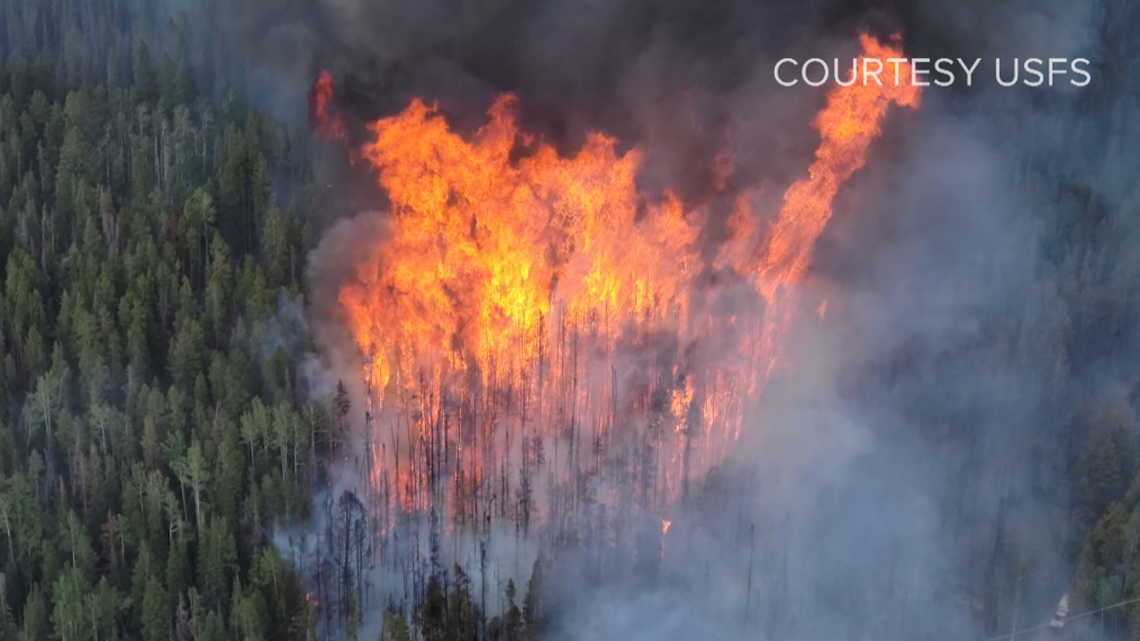
This article aims to provide a comprehensive guide for travelers, delving into the realities of wildfires in Colorado, their potential impact on tourism, and, most importantly, how to stay informed, prepare, and enjoy a safe and memorable journey. We’ll explore the factors contributing to these natural phenomena, how they can affect popular destinations and accommodations, and offer practical advice for responsible travel and contingency planning. Understanding the landscape of wildfire risk doesn’t diminish Colorado’s appeal; rather, it empowers visitors to make informed decisions, ensuring their adventure is both thrilling and secure, while also fostering a deeper appreciation for the delicate balance of its ecosystems.
Understanding Wildfire Season in the Centennial State
Wildfires are a natural, albeit sometimes devastating, component of many ecosystems, including those found across Colorado. While often perceived as a modern crisis, fire has shaped the state’s forests and landscapes for millennia. However, changes in climate, forest management practices, and increased human presence have altered the frequency, intensity, and impact of these events, making them a more pressing concern for residents and travelers alike.
The Rhythms of Nature: When Fires Are Most Common
Colorado’s wildfire season typically spans from late spring through late autumn, peaking during the drier, hotter summer months. While exceptions can occur year-round, conditions become particularly conducive to fire ignition and spread when several factors align. The snowpack, which accumulates heavily in the Rocky Mountains over winter, is a critical determinant. A below-average snowpack or an early melt can lead to exceptionally dry conditions by late spring, priming the landscape for fires. As summer progresses, temperatures rise, humidity drops, and strong winds, particularly common along the Front Range, can quickly transform a small spark into a raging inferno. Drought conditions, which have become more frequent and severe in recent years, exacerbate this risk, turning vast stretches of forest and grassland into tinder. The interplay of these natural cycles means that while fire season is predictable in its general timing, the specific severity and locations affected can vary dramatically year to year, necessitating constant vigilance for anyone planning a visit.
Why Colorado is Prone to Wildfires
Colorado’s unique geography and climate are primary contributors to its wildfire susceptibility. The state boasts a diverse topography, ranging from high-alpine tundra to dense coniferous forests and arid plains. Much of its mountainous terrain is covered in Ponderosa Pine, Lodgepole Pine, and Spruce-Fir forests, all of which are highly flammable, especially when dry. Many of these forests have also experienced decades of fire suppression, leading to an unnatural accumulation of fuel – dead trees, fallen branches, and dense undergrowth – that would historically have been cleared by less intense, natural fires. When a fire does ignite in these areas, it can spread rapidly and burn with extreme intensity.
Furthermore, the state experiences significant diurnal temperature swings and often very low humidity, particularly in the summer. Coupled with powerful, unpredictable winds that can gust through canyons and over ridgelines, fire behavior can be erratic and dangerous. A substantial portion of Colorado also lies in the Wildland-Urban Interface (WUI), where human developments blend with natural landscapes. This proximity not only increases the risk of human-caused ignitions (which account for the vast majority of wildfires) but also places homes, infrastructure, and tourist accommodations directly in harm’s way, making wildfire management and prevention an increasingly complex challenge for state and federal agencies.
How Wildfires Impact Your Colorado Travel Plans
The presence of wildfires, whether active or recently contained, can significantly alter the landscape of a planned Colorado vacation. From immediate safety concerns to broader impacts on air quality and access to landmarks, understanding these potential disruptions is key to a smooth and enjoyable trip.
Immediate Concerns: Safety and Evacuations
The most critical impact of an active wildfire is the immediate threat to life and property. For travelers, this means a potential risk to personal safety if they are in or near an affected area. Local authorities prioritize the protection of residents and visitors, and evacuation orders are issued when necessary. If an area you plan to visit, or are currently staying in, comes under an evacuation order, it is imperative to comply immediately and follow the instructions of emergency personnel. This often means leaving your hotel or campsite and seeking safe shelter elsewhere. These situations, while hopefully rare for most tourists, underscore the need for flexible travel plans and reliable access to emergency information. Staying informed via official channels is paramount to ensure you’re not caught unprepared, especially when venturing into remote national parks or national forests.
Ripple Effects: Air Quality and Park Closures
Even if a wildfire is not directly threatening a particular destination, its smoke can travel hundreds of miles, affecting air quality across vast regions. For visitors, especially those with respiratory sensitivities, prolonged exposure to smoke can be uncomfortable and unhealthy, impacting outdoor activities. Iconic views, like those from Trail Ridge Road in Rocky Mountain National Park, might be obscured by haze. Air quality advisories are common during wildfire season, and travelers should monitor these closely.
Beyond smoke, wildfires often lead to the closure of parks, forests, and specific trails, sometimes for extended periods. This can be due to active fire operations, the need for rehabilitation of burned areas, or concerns about falling trees and other hazards post-fire. For example, if a fire impacts areas near Estes Park or Grand Lake, access to parts of Rocky Mountain National Park could be restricted. Such closures can profoundly affect plans for hiking, camping, fishing, and other outdoor activities that draw so many to Colorado’s natural wonders. It’s essential to check the status of desired destinations before and during your trip.
Accommodation and Activity Disruptions
Wildfires can have direct and indirect impacts on tourism infrastructure and planned activities. In areas directly affected by fires, resorts, cabins, and hotels may be evacuated or even damaged. Even if not directly in the path of a fire, businesses can suffer from decreased visitation due to smoke, road closures, or general public apprehension. This can lead to cancellations, reduced services, or unexpected changes to bookings. Imagine having a stay planned at the historic The Stanley Hotel only to find nearby areas under fire threat, affecting your ability to enjoy the surrounding beauty of Estes Park.
Furthermore, many popular activities in Colorado revolve around its natural environment. Rafting trips might be canceled due to water levels or river access, scenic drives might be closed, and guided tours into wilderness areas might be suspended. Event cancellations, such as outdoor concerts or festivals, are also a possibility. Travelers should be prepared for the contingency of needing to modify their itinerary, change accommodations, or seek alternative activities if their initial plans are disrupted by fire-related issues. This flexibility is a key aspect of traveling during wildfire season, helping to minimize disappointment and ensure a positive travel experience.
Staying Informed and Preparing for a Safe Journey
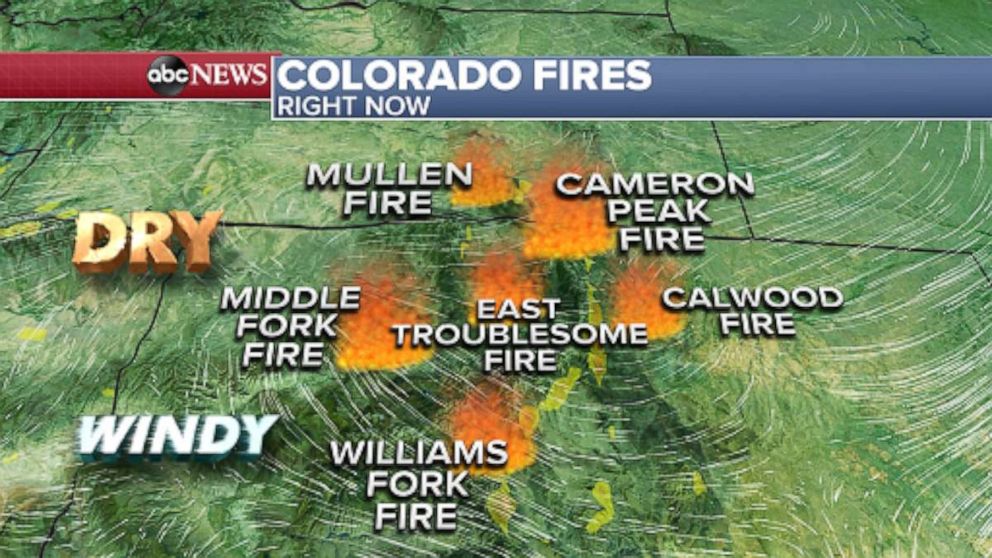
While wildfires present a significant challenge, they don’t have to derail your Colorado adventure. With proper preparation, vigilance, and adherence to safety guidelines, you can still enjoy the state’s unparalleled beauty. The key lies in staying informed and making responsible choices.
Essential Resources for Real-Time Updates
The most crucial aspect of safe travel during wildfire season is access to accurate, up-to-the-minute information. Relying solely on anecdotal reports or social media can be misleading. Instead, prioritize official sources:
- Colorado Office of Emergency Management (COEM) and Local County Sheriffs/Emergency Services: These are the primary authorities for evacuation orders, road closures, and localized fire information. Many counties have dedicated emergency alert systems you can sign up for.
- InciWeb: This national incident information system (inciweb.nwcg.gov) provides detailed information on active wildfires across the U.S., including incident specifics, maps, containment levels, and closures. It’s an indispensable resource for understanding large-scale fires.
- Air Quality Monitoring Sites: Websites like AirNow.gov offer real-time air quality data, which is vital for assessing health risks, particularly for those with respiratory conditions.
- National Park Service and U.S. Forest Service Websites: Before visiting any federal land, check the specific park or forest website for current conditions, fire bans, and closures. For instance, before heading to White River National Forest, check their dedicated page.
- Colorado Department of Transportation (CDOT): For road condition updates, especially closures related to fires, CDOT’s website (cotrip.org) is essential.
- Local News Outlets: While national news may cover major incidents, local television, radio, and online news sources often provide the most granular and relevant details for specific regions.
Bookmark these sites and check them regularly, both in the weeks leading up to your trip and daily while you are in Colorado.
Travel Insurance and Contingency Planning
Investing in comprehensive travel insurance is highly recommended when visiting Colorado during wildfire season. Policies vary, but many can cover trip cancellations or interruptions due to natural disasters, including wildfires, potentially reimbursing you for non-refundable expenses like flights, hotels, and pre-paid tours if you have to change your plans. Carefully review policy details regarding “cancel for any reason” options or specific wildfire coverage.
Beyond insurance, contingency planning is key. Consider having a “Plan B” for your itinerary. If your intended destination, like a specific hiking trail in the San Juan Mountains, is affected, research alternative activities or nearby towns that might be safe and accessible. This might involve exploring more urban destinations like Colorado Springs to visit Garden of the Gods, or shifting your focus to water-based activities if air quality is a concern in mountainous areas. Booking accommodations with flexible cancellation policies can also save you financial stress if unforeseen circumstances arise. Always have an emergency kit in your vehicle, including water, snacks, a first-aid kit, and chargers for your devices.
Responsible Tourism: Preventing the Next Spark
Perhaps the most impactful way travelers can contribute to wildfire safety is through responsible behavior. The vast majority of wildfires in Colorado are human-caused, stemming from preventable actions. By exercising caution, you play a vital role in protecting the state’s natural beauty:
- Adhere to Fire Bans: Always be aware of and strictly obey any fire restrictions or bans in place. This includes campfires, charcoal grills, and sometimes even propane stoves. If a “red flag warning” is issued, conditions are critical, and extra caution is advised.
- Campfire Safety: If campfires are permitted, ensure they are built in designated fire rings, are small, and never left unattended. Drown fires with water until cold to the touch before leaving.
- Vehicle Care: Hot vehicle components (e.g., catalytic converters) can easily ignite dry grass. Avoid parking over tall, dry vegetation. Ensure trailer chains aren’t dragging, which can create sparks.
- Smoking: Never discard cigarette butts carelessly. Use an ashtray and ensure cigarettes are fully extinguished.
- Equipment Use: Be cautious with power tools, off-road vehicles, and any equipment that can generate sparks, especially in dry conditions.
- “Leave No Trace” Principles: Practice the seven principles of “Leave No Trace,” which inherently promote fire safety and environmental stewardship.
By embracing these principles, travelers not only safeguard their own lifestyle and trip but also help preserve Colorado’s breathtaking landscapes for future generations.
Exploring Colorado Responsibly: Alternative Destinations and Fire-Safe Adventures
Even during an active wildfire season, Colorado offers myriad opportunities for incredible experiences. The key is adapting your plans and knowing where to look for fire-safe alternatives. The state is vast and diverse, meaning that while one region might be affected, many others remain open and welcoming.
Urban Escapes and Cultural Delights
When mountain adventures are curtailed by fire risk or smoke, Colorado’s vibrant cities and towns present excellent alternatives. Denver, the state capital, boasts world-class museums such as the Denver Art Museum, a thriving culinary scene, diverse neighborhoods, and numerous breweries. You can explore historic landmarks like the Union Station or catch a show in the Performing Arts Complex. Just south, Colorado Springs offers the stunning red rock formations of Garden of the Gods (often accessible even when surrounding areas face closures), the U.S. Air Force Academy, and the historic Broadmoor Hotel. Boulder, nestled at the foot of the Flatirons, is known for its pedestrian-friendly Pearl Street Mall, unique shops, and excellent dining, offering a sophisticated yet laid-back atmosphere. These urban centers provide a rich tapestry of local culture, food, and activities that are often unaffected by distant wildfires.
Water-Based Wonders and High-Altitude Havens
If the air quality in forested areas is a concern, shifting your focus to water-based activities can be a refreshing solution. Many of Colorado’s large lakes and reservoirs, such as Lake Dillon, Grand Lake (if safe and accessible), or Blue Mesa Reservoir, offer boating, paddleboarding, fishing, and swimming, often with clearer air quality near the water. Rafting or kayaking on designated rivers might also be an option, but always check with local outfitters for current conditions and safety advisories.
Another strategy is to seek out genuinely high-altitude areas, particularly above the tree line. While fire risk exists everywhere, the open, rocky terrain above 11,000 feet, such as sections of the Continental Divide Trail or various 14,000-foot peaks, often presents a different fire dynamic. However, these areas come with their own risks, including unpredictable weather, altitude sickness, and challenging terrain, so proper preparation is still essential. Always consult local ranger stations and weather forecasts before venturing into remote high-alpine environments. Consider exploring regions like parts of the Great Sand Dunes National Park and Preserve, where the landscape is predominantly sand and less susceptible to widespread forest fires.

Supporting Local Communities Post-Fire
It’s also important to remember the economic impact wildfires have on local communities, especially those heavily reliant on tourism. Even after a fire is contained and extinguished, the road to recovery can be long. When areas reopen, consider directing your travel spending to these communities. Visiting local shops, dining at restaurants, staying in local accommodations, and engaging with local guides can provide crucial support, helping these resilient towns rebuild and thrive. It’s a testament to responsible tourism to not just avoid affected areas, but to also actively support those working to recover. Towns like Durango or Telluride in the southwestern part of the state, while still in fire-prone regions, offer a blend of history, culture, and outdoor recreation that can often be enjoyed safely with proper planning.
In conclusion, while the question “Is there a fire in Colorado?” is a valid concern for any traveler, it shouldn’t deter you from experiencing the incredible beauty and diversity of the state. By staying informed through official channels, preparing with flexible plans and appropriate insurance, and acting as a responsible steward of the environment, you can navigate wildfire season safely. Colorado remains an extraordinary destination, and with careful planning, your adventure will be nothing short of spectacular.
LifeOutOfTheBox is a participant in the Amazon Services LLC Associates Program, an affiliate advertising program designed to provide a means for sites to earn advertising fees by advertising and linking to Amazon.com. Amazon, the Amazon logo, AmazonSupply, and the AmazonSupply logo are trademarks of Amazon.com, Inc. or its affiliates. As an Amazon Associate we earn affiliate commissions from qualifying purchases.