
Navigating the financial landscape of any state is a crucial aspect of planning a visit, a longer stay, or even considering a relocation. For many, particularly those accustomed to states with income tax, the question of Florida’s tax structure often arises. Understanding this aspect is fundamental for budgeting travel expenses, evaluating the cost of living for extended visits, and appreciating the economic environment of the Sunshine State.
The Absence of a State Income Tax: A Defining Feature of Florida
One of the most significant and widely advertised financial characteristics of Florida is its lack of a statewide personal income tax. This policy has been a cornerstone of the state’s economic strategy for decades, playing a pivotal role in attracting residents, businesses, and tourists alike. Unlike many other U.S. states that levy a percentage of an individual’s earnings, Florida opts for alternative revenue streams to fund its public services.
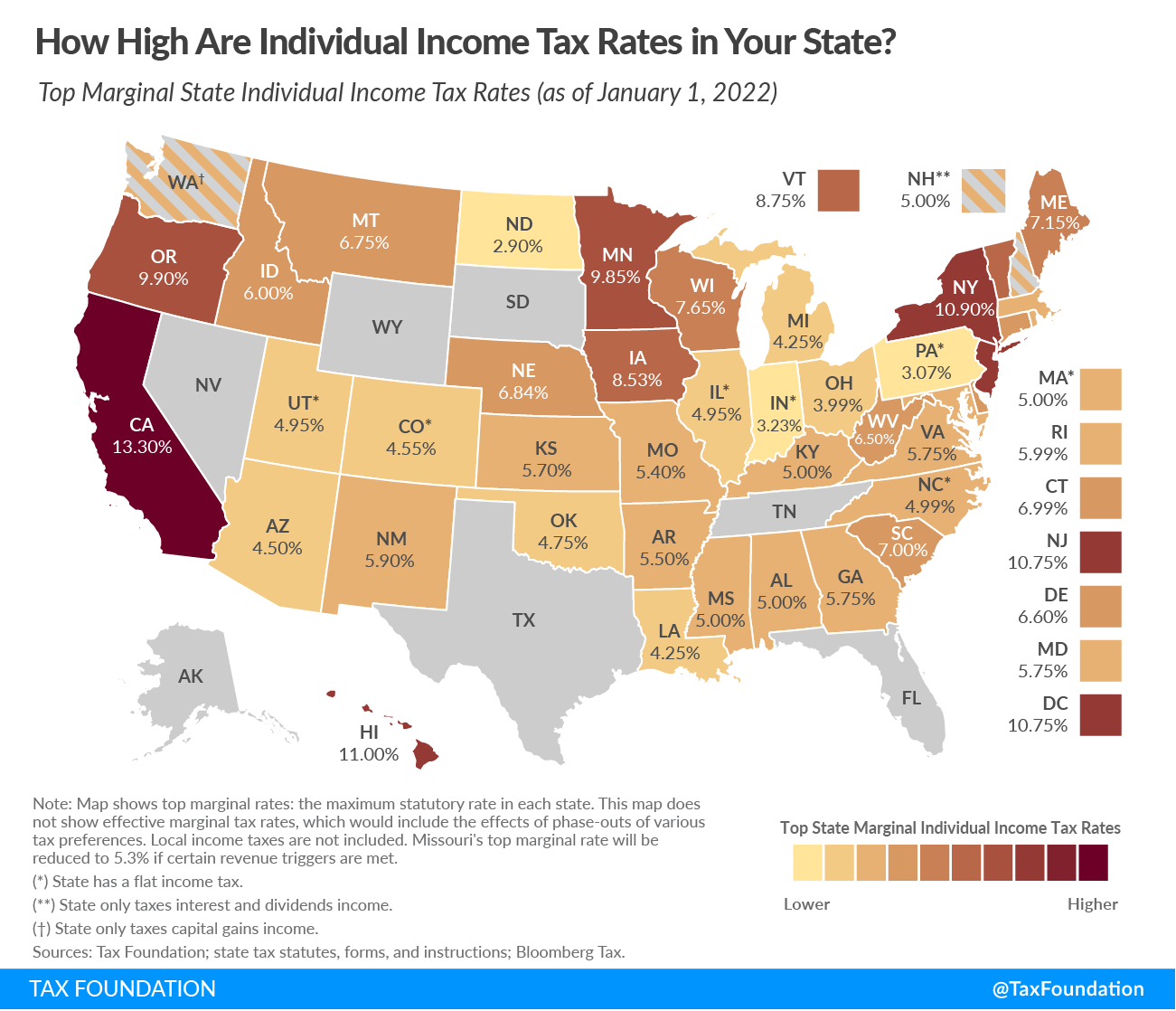
Historical Roots and Economic Implications
The decision to forgo an income tax in Florida dates back to the state’s early development. Proponents of this tax structure argue that it fosters a more business-friendly environment, encouraging investment and job creation. The absence of income tax can translate to higher disposable incomes for residents, potentially stimulating consumer spending and contributing to the state’s robust economy.
For travelers and vacationers, this translates into a more straightforward financial planning process. When budgeting for a trip to destinations like Orlando, Miami, or the Florida Keys, individuals don’t need to factor in an additional state-level income tax on any earnings they might accrue during their stay (though federal taxes and other state-specific taxes will still apply). This can make Florida a more attractive destination for extended vacations or seasonal residencies.
Alternative Revenue Sources: How Florida Funds Its Services
If Florida doesn’t collect income tax, how does it fund its essential public services, such as education, infrastructure, law enforcement, and healthcare? The state relies heavily on other forms of taxation, with sales tax and property tax being the primary contributors to its revenue.
Sales Tax: A Significant Contributor
The Florida state sales tax is a consumption-based tax applied to the sale of most goods and some services. The current statewide sales tax rate is 6%. Additionally, local governments can impose discretionary sales surtaxes, which vary by county and can bring the total sales tax rate in some areas to over 7.5%. This tax is a significant driver of state revenue, as it is directly tied to consumer spending. For tourists, this means that the prices of goods purchased in Florida, from souvenirs in St. Augustine to meals in a fine dining restaurant in Tampa, will include this sales tax.
Property Tax: A Local Revenue Backbone
Property taxes are levied by local governments (counties, municipalities, and special districts) and are a crucial source of funding for local services, including public schools, police and fire departments, and local infrastructure projects. The amount of property tax paid depends on the assessed value of the property and the millage rate set by the local taxing authorities. While residents and property owners are directly impacted by property taxes, tourists are indirectly affected through the costs associated with renting properties or the overall cost of living in a particular area, which can influence lodging prices.
Other Tax Revenue Streams
Beyond sales and property taxes, Florida also generates revenue from various other sources, including:

- Corporate Income Tax: While individual income is not taxed, businesses operating in Florida are subject to a corporate income tax.
- Documentary Stamp Tax: This tax is levied on certain legal documents, such as deeds and mortgage agreements.
- Gasoline Tax: A tax is applied to motor fuels, contributing to the funding of transportation infrastructure.
- Severance Tax: Taxes on natural resources extracted from the state.
- Pari-mutuel Taxes: Taxes on wagering at horse racing and jai alai facilities.
- Tourist Development Tax (TDT): Often referred to as a “bed tax,” this is a local option tax levied on the rental of transient accommodations (hotels, motels, vacation rentals) for less than six months. This tax is a direct contributor to the tourism industry’s infrastructure and promotion.
Implications for Different Traveler Types
The absence of a state income tax in Florida has distinct implications for various individuals planning to visit or spend time in the state.
Short-Term Tourists and Vacationers
For the typical tourist enjoying a vacation in destinations like Clearwater Beach or visiting theme parks at Walt Disney World, the primary tax consideration will be the sales tax applied to purchases and the potential tourist development tax on accommodations. The lack of an income tax simplifies budgeting, as there’s no need to account for a state-level income tax deduction on any money spent or earned during a short visit. This means your travel budget for entertainment, dining, and shopping can be more predictable from a state tax perspective.
Seasonal Residents and Snowbirds
Individuals who spend a significant portion of the year in Florida as seasonal residents, often referred to as “snowbirds,” also benefit from the absence of an income tax. If these individuals maintain their primary residence in another state with an income tax, they must carefully consider domicile rules to avoid double taxation. However, for those who establish residency in Florida, the absence of income tax on their retirement income, investment gains, or other earnings significantly enhances their financial well-being. This is a major draw for retirees looking to stretch their savings further.
Long-Term Visitors and Digital Nomads
The rise of remote work and digital nomadism has made Florida an increasingly popular destination for those who can work from anywhere. The lack of state income tax is a significant financial incentive for digital nomads and freelancers choosing to spend extended periods in cities like Fort Lauderdale or Sarasota. It means a larger portion of their earned income remains in their pockets, making the cost of living more attractive, especially when combined with Florida’s generally favorable tax environment. However, it’s crucial for these individuals to understand the specific tax implications for remote workers and to consult with tax professionals regarding their individual circumstances, especially concerning federal taxes and potential nexus issues if they establish a more permanent presence.
Understanding Tourist Development Taxes (Bed Taxes)
While Florida does not have a state income tax, it is important for travelers to be aware of the Tourist Development Tax, often called the “bed tax.” This is a local option tax levied by counties on the rental of transient accommodations for periods of six months or less. The purpose of this tax is generally to fund tourism promotion, infrastructure, and facilities that benefit the tourism industry, such as convention centers, sports stadiums, and marketing initiatives.
How Bed Taxes Affect Your Stay
The rate of the Tourist Development Tax varies by county. For example, a county might impose a 2% bed tax in addition to the state and local sales tax. This means that when you book a hotel room in Key West, a condo rental in Destin, or an Airbnb for a week, the total cost will include this additional tax. The collected revenue from these taxes is vital for maintaining the quality of tourist attractions and services that draw millions of visitors to the state each year, from the beaches of the Gulf Coast to the theme parks of Central Florida.
It is important to check the specific Tourist Development Tax rate for the county you are visiting, as it can add a noticeable amount to your accommodation expenses. This tax is typically itemized separately on your hotel bill or rental agreement.

Conclusion: A Tax-Advantaged Destination
In summary, the answer to “Is There A Florida State Income Tax?” is a definitive no. This significant fiscal characteristic is a major factor in Florida’s appeal to a diverse range of people, from vacationers seeking tax-efficient travel budgets to retirees and remote workers looking to maximize their earnings. While the absence of income tax is a substantial advantage, visitors and residents alike should remain cognizant of other taxes, particularly the sales tax and local Tourist Development Taxes, which contribute to the state’s infrastructure and services. Understanding this tax structure is key to comprehensive financial planning for any engagement with the Sunshine State.
LifeOutOfTheBox is a participant in the Amazon Services LLC Associates Program, an affiliate advertising program designed to provide a means for sites to earn advertising fees by advertising and linking to Amazon.com. Amazon, the Amazon logo, AmazonSupply, and the AmazonSupply logo are trademarks of Amazon.com, Inc. or its affiliates. As an Amazon Associate we earn affiliate commissions from qualifying purchases.