
The question of waste management in any destination can significantly impact a traveler’s experience, subtly shaping perceptions of cleanliness, environmental consciousness, and the overall quality of a visit. While Puerto Rico is celebrated for its breathtaking beaches, vibrant culture, and historical charm, understanding the realities of its waste management is crucial for a well-rounded appreciation of the island. This exploration delves into the complexities of garbage in Puerto Rico, focusing on its implications for tourism and the visitor experience.
Navigating the Landscape of Waste Management
Puerto Rico faces a multifaceted challenge in managing its solid waste. Decades of underinvestment, infrastructure limitations, and the sheer volume of waste generated by a growing population and a robust tourism sector have contributed to a complex situation. The island’s geography, with its mountainous interior and extensive coastline, also presents logistical hurdles for efficient collection and disposal.

Historical Context and Current Infrastructure
The history of waste management in Puerto Rico is marked by reliance on landfills, many of which have reached or exceeded their capacity. The closure of the Bayamón landfill in 2017, for instance, highlighted the urgent need for updated facilities and more sustainable practices. The island’s infrastructure for recycling and composting has historically lagged behind that of many developed nations, though there are ongoing efforts to improve these systems.
Landfills and Their Impact
The primary method of waste disposal has traditionally been through landfills. While necessary for managing residual waste, poorly managed landfills can pose environmental risks, including groundwater contamination and the release of greenhouse gases. The visual impact of overflowing or improperly maintained waste disposal sites can also detract from the natural beauty that draws so many visitors to Puerto Rico.
The Push for Recycling and Composting
In recent years, there has been a growing awareness and a concerted effort to promote recycling and composting across Puerto Rico. Initiatives are being implemented to increase recycling rates, expand access to composting programs, and educate the public about waste reduction. However, the effectiveness and reach of these programs can vary significantly by municipality.
Waste Management’s Influence on the Tourist Experience
The presence or absence of visible waste management issues can subtly but significantly influence a traveler’s perception of a destination. For Puerto Rico, like any popular tourist spot, maintaining a clean and aesthetically pleasing environment is paramount to preserving its allure.
Aesthetics and Public Spaces
When visitors arrive in Puerto Rico, their initial impressions are often formed by the cleanliness of airports, transportation routes, and public areas. Litter in streets, parks, and along scenic byways can create a negative impression, suggesting a lack of care and diminishing the overall enjoyment of exploring the island’s natural and urban landscapes. This is particularly true for popular tourist hubs like Old San Juan or the beaches near San Juan.
Environmental Concerns and Natural Beauty
Puerto Rico’s natural environment is one of its most significant assets. From the bioluminescent bays to the pristine beaches of Vieques and Culebra, the island’s ecological treasures are a major draw. Improper waste disposal can lead to pollution of waterways and oceans, threatening marine life and compromising the very natural beauty that attracts visitors. This includes potential impacts on areas like the El Yunque National Forest, a vital ecological gem.
The Role of Hotels and Resorts
The hospitality industry plays a crucial role in mitigating any perceived or actual garbage problems. High-end hotels and resorts in areas like the Dorado Beach, a Ritz-Carlton Reserve or the various properties along the Condado strip are typically meticulous about maintaining their grounds and implementing their own waste management protocols. This can include robust recycling programs, composting initiatives, and efficient waste collection services to ensure a pristine guest experience. Their commitment often sets a standard for the surrounding areas.
Addressing the Challenges: Initiatives and Solutions
Recognizing the importance of effective waste management for both its residents and its vital tourism industry, Puerto Rico has seen various initiatives aimed at tackling its garbage challenges. These efforts involve government agencies, private organizations, and community groups.
Government-Led Strategies and Policies
The Puerto Rico Environmental Quality Board and the Department of Natural and Environmental Resources are at the forefront of developing and implementing waste management policies. These efforts include aiming to increase recycling rates, seeking solutions for the long-term management of landfills, and exploring alternative waste-to-energy technologies. The island is also working to align its waste management practices with federal environmental regulations and best practices.
Community Engagement and Volunteer Efforts
Beyond official policies, community-led initiatives and volunteer clean-up drives are instrumental in addressing visible waste issues, particularly in public spaces and along coastlines. Organizations often mobilize to conduct beach clean-ups and raise public awareness about the importance of proper waste disposal. These efforts not only help to beautify the island but also foster a sense of collective responsibility.
The Impact of Natural Disasters
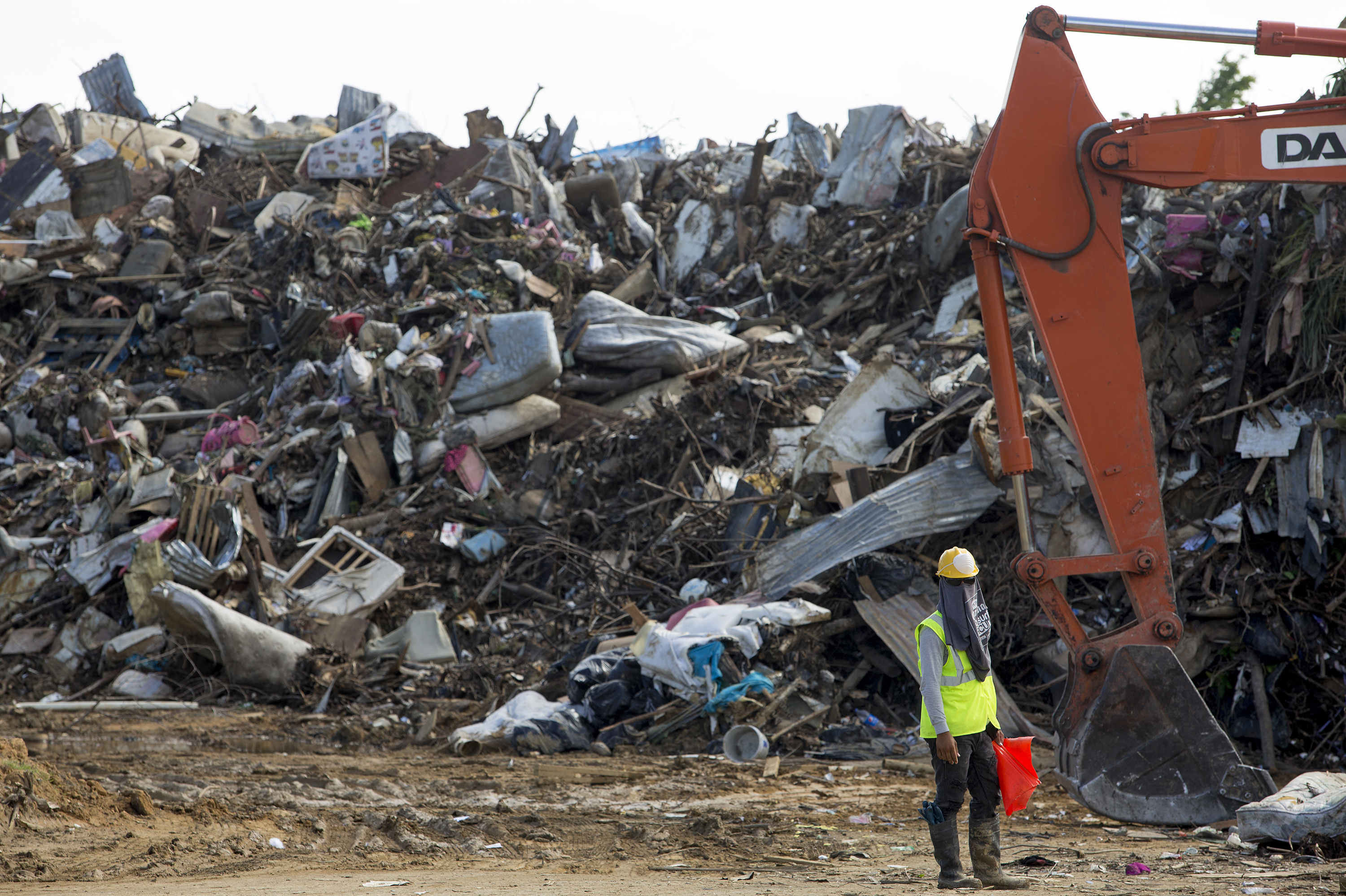
It’s important to note that natural disasters, such as the devastating hurricanes Irma and Maria in 2017, exacerbated existing waste management challenges. The debris generated by these storms, coupled with the disruption to waste collection infrastructure, created temporary but significant waste disposal issues that took considerable time to resolve. The recovery process has involved ongoing efforts to manage accumulated debris and rebuild more resilient waste management systems.
Sustainable Tourism and Waste Reduction
For travelers visiting Puerto Rico, adopting sustainable practices can contribute to preserving the island’s beauty and environment. Conscious choices by tourists can help alleviate pressure on local waste management systems.
Responsible Visitor Practices
Tourists can play a role by practicing the “leave no trace” principle, properly disposing of all waste, and minimizing their consumption of single-use plastics. Choosing reusable water bottles, bags, and containers can significantly reduce personal waste generation. Being mindful of recycling guidelines in accommodations and public areas is also essential.

Supporting Eco-Conscious Businesses
Patronizing hotels, restaurants, and tour operators that demonstrate a commitment to environmental sustainability can encourage best practices across the tourism sector. Many businesses in Puerto Rico are increasingly adopting eco-friendly policies, from reducing food waste to implementing comprehensive recycling programs. Seeking out these establishments not only enhances the travel experience but also supports the island’s environmental stewardship.
In conclusion, while Puerto Rico grapples with ongoing waste management challenges, these issues are being addressed through a combination of governmental policy, community action, and a growing awareness within the tourism sector. For visitors, understanding these dynamics allows for a more informed and responsible engagement with the island, ensuring that the unparalleled beauty of Puerto Rico can be enjoyed for generations to come. The question of a “garbage problem” is less about an insurmountable crisis and more about a dynamic process of improvement and adaptation, an ongoing journey for this vibrant Caribbean gem.
LifeOutOfTheBox is a participant in the Amazon Services LLC Associates Program, an affiliate advertising program designed to provide a means for sites to earn advertising fees by advertising and linking to Amazon.com. Amazon, the Amazon logo, AmazonSupply, and the AmazonSupply logo are trademarks of Amazon.com, Inc. or its affiliates. As an Amazon Associate we earn affiliate commissions from qualifying purchases.