
For travelers eyeing the sunny shores, vibrant cities, and renowned attractions of Florida, the prospect of a hurricane can be a significant concern. The question of whether a hurricane is threatening the state “right now” in 2024 demands a nuanced understanding of weather patterns, preparedness, and reliable information sources. Florida is undeniably a prime destination, but like any coastal region, it experiences an annual hurricane season. Navigating this period successfully requires proactive planning and a commitment to staying informed, ensuring your travel experience remains safe and enjoyable.
Navigating Hurricane Season in Florida: A Traveler’s Guide
Understanding the rhythms of the Atlantic Hurricane Season is paramount for any visitor to Florida. This season officially runs from June 1st to November 30th each year, with peak activity typically observed from mid-August through October. While hurricanes are not a daily occurrence, the potential for tropical storms and hurricanes exists throughout these months. For 2024, forecasters continually update their predictions, but the general advice remains consistent: awareness and preparation are key.
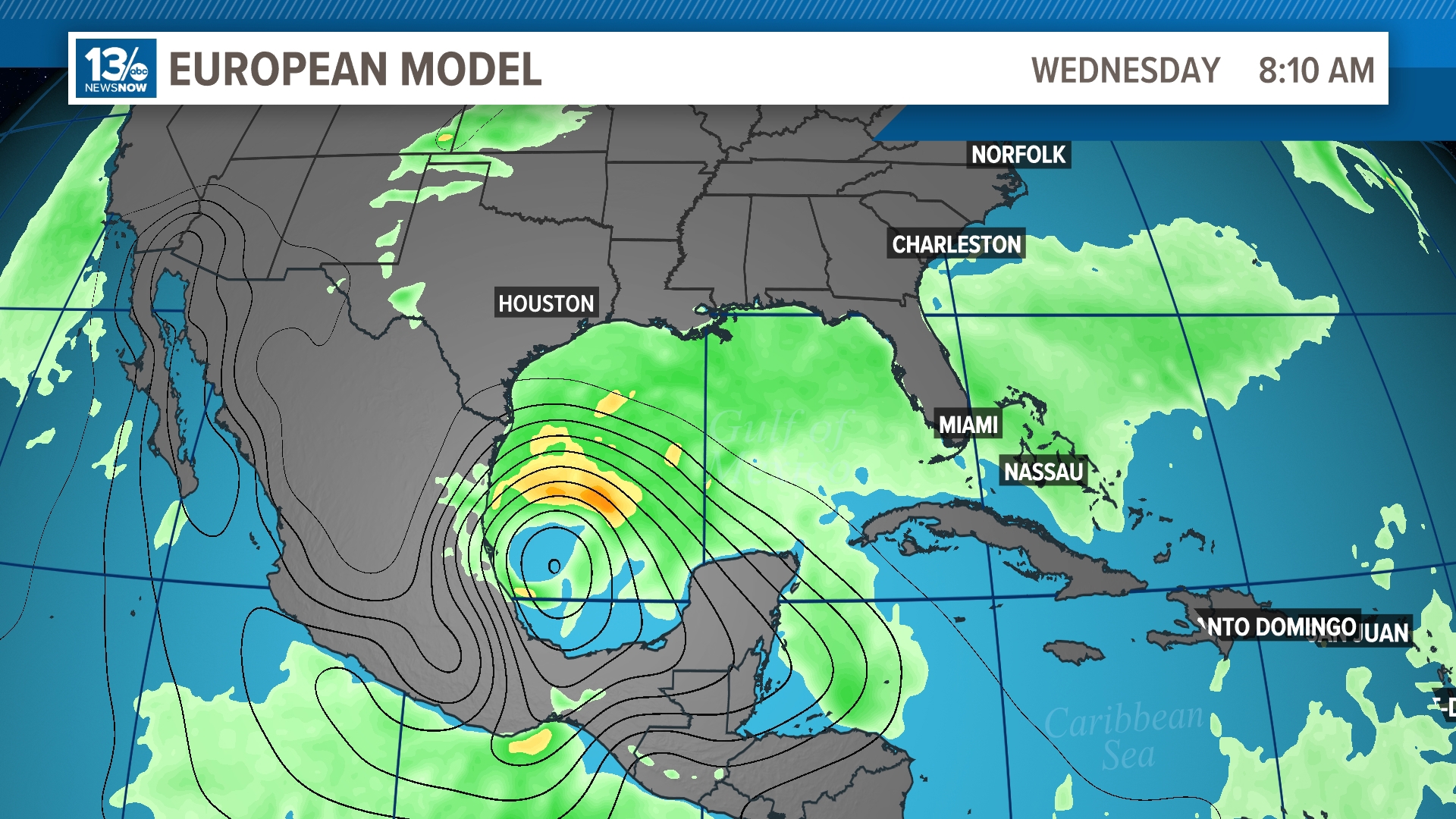
Understanding the Atlantic Hurricane Season
During the Atlantic Hurricane Season, tropical systems form over the warm waters of the Atlantic Ocean, Caribbean Sea, and Gulf of Mexico. These systems range from tropical depressions and storms to powerful hurricanes. The impact on Florida can vary significantly depending on the storm’s strength, track, and speed. A weak tropical storm might bring heavy rain and gusty winds for a day, while a major hurricane could cause widespread damage, flooding, and necessitate evacuations. Tourists planning visits to popular destinations like Miami, Orlando, the Florida Keys, or the Gulf Coast during these months should integrate hurricane preparedness into their travel itinerary. It is not about avoiding Florida during hurricane season, but rather about being acutely aware and ready to adapt.
Essential Weather Resources for Travelers
Reliable, real-time information is your best defense against unexpected weather events. Before and during your trip, make it a habit to consult official weather sources. The National Hurricane Center (NHC), a division of the National Oceanic and Atmospheric Administration (NOAA), is the authoritative source for tropical cyclone forecasts and advisories. Their website and public advisories provide detailed information on active systems, projected paths, intensity forecasts, and potential impacts. Additionally, the Florida Division of Emergency Management (FDEM) provides state-specific guidance, evacuation zones, and shelter information. Local news channels and weather apps like The Weather Channel or AccuWeather also offer valuable localized updates, but always cross-reference with official government sources for critical decisions. Staying continuously connected to these platforms will allow you to make informed decisions about your travel plans.
Before You Travel: Pre-Trip Preparation
Prudent planning significantly mitigates risks associated with hurricane season travel. Before confirming your trip to Florida in 2024, several preparatory steps can safeguard your investment and peace of mind.
Monitoring Official Sources: National Hurricane Center and Local Alerts
Before booking any flight or hotel, check the current long-range forecasts from the National Hurricane Center. While these cannot predict specific storm formations months in advance, they can give an indication of an active season. As your travel date approaches, regularly monitor NHC updates. If a storm forms and begins to track towards Florida, pay close attention to the cone of uncertainty, which illustrates the probable track of the storm’s center. Local county emergency management websites also offer specific alerts and preparedness information for your chosen destination, whether it’s Key West, Orlando, or the Space Coast. Sign up for text or email alerts from these local agencies if available.
Travel Insurance: A Prudent Investment
Investing in comprehensive travel insurance is perhaps the single most important step for hurricane season travel. Not all policies are created equal, so read the fine print carefully. Look for “cancel for any reason” (CFAR) policies, which offer the most flexibility, or policies that specifically cover weather-related cancellations, delays, and interruptions. Be aware that once a storm is named and poses a direct threat to your destination, it’s generally too late to purchase insurance that will cover that specific event. Therefore, purchase your policy well in advance of your departure date. This insurance can cover non-refundable flights, accommodation, and even provide assistance for unexpected expenses like extended stays or emergency evacuation.
Flexible Bookings and Cancellation Policies
When booking flights, hotels, and attractions, prioritize options with flexible cancellation or rebooking policies. Many airlines and hotels offer free changes or full refunds for cancellations made within a certain window, or in the event of a declared emergency. For example, major theme parks like Walt Disney World Resort and Universal Orlando Resort have specific hurricane policies, often allowing guests to reschedule or cancel without penalty if a hurricane warning is issued for the Orlando area or their place of residence. Always confirm these policies directly with your travel providers before finalizing your reservations. This foresight will save considerable stress and potential financial loss should a storm disrupt your plans.
While in Florida: Safety Protocols and Local Guidance
If you are already in Florida and a hurricane threat emerges, immediate action and adherence to local guidance are critical for your safety.
Evacuation Orders and Emergency Shelters in Florida
The most serious measure taken during a hurricane threat is an evacuation order. These orders are issued by local authorities and are based on storm intensity, potential for storm surge, and specific flood risks for different zones. If an evacuation order is issued for your area, comply immediately. Do not wait. Evacuation routes will be clearly marked, and traffic will likely be heavy. Information on designated emergency shelters is provided by local emergency management agencies and updated frequently. For travelers, understanding your hotel’s hurricane plan is also vital; many establishments in coastal areas have protocols for guest safety, including sheltering in place or facilitating evacuation. Always keep your car fueled and an emergency kit packed, ready to go.
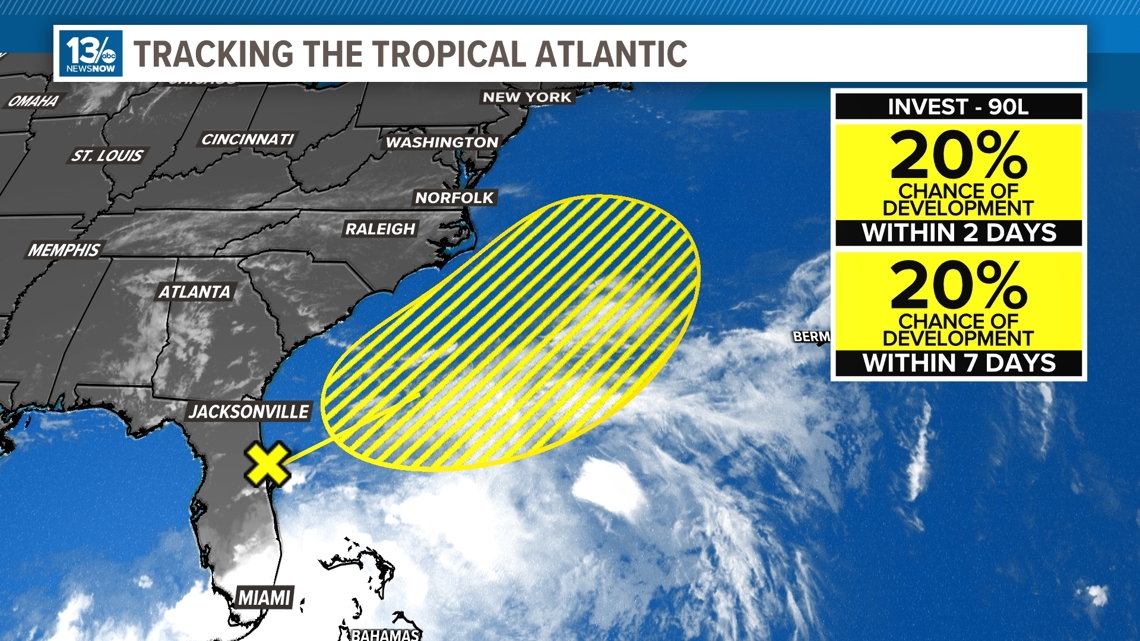
Communication is Key: Staying Connected
During a storm event, reliable communication can become challenging. Ensure your cell phone is fully charged, and consider carrying a portable power bank. Have a list of essential contacts – family members, your travel insurance provider, airline customer service, and your hotel’s front desk – written down, not just stored on your phone. Stay informed by listening to a NOAA weather radio, local news broadcasts, or official social media channels from emergency services. Inform family and friends of your whereabouts and plans. In the aftermath of a storm, cell service might be intermittent, so patience and persistence are necessary for communication.
Securing Your Stay: Hotel and Personal Safety
If you are advised to shelter in place, follow your hotel’s instructions diligently. Hotels in hurricane-prone areas typically have emergency procedures, which may include boarding up windows, securing outdoor furniture, and providing limited services. Stay inside, away from windows, and on lower floors if possible. If you are in a rental home, ensure all outdoor items are brought inside or secured, and windows are properly latched. Have an emergency kit with water, non-perishable food, flashlights, batteries, a first-aid kit, and any necessary medications. Power outages are common, so be prepared for a period without electricity. Your primary goal is to remain safe and avoid unnecessary risks during the storm’s passage.
Post-Storm Travel: Assessing Conditions and Rebooking
The immediate aftermath of a hurricane presents its own set of challenges for travelers. Infrastructure, including roads and airports, may be severely affected.
Road Conditions and Airport Operations
Following a hurricane, roads can be impassable due due to debris, flooding, or damaged infrastructure. Access to certain areas, especially the Florida Keys or coastal regions, might be restricted. Check with the Florida Department of Transportation for real-time road closures and conditions. Airports such as Orlando International Airport, Miami International Airport, Fort Lauderdale-Hollywood International Airport, and Southwest Florida International Airport may suspend operations for hours or even days. Confirm your flight status directly with your airline before heading to the airport. Do not assume your flight is canceled just because there was a storm; conversely, do not assume it is on time. Rebooking options will depend on airline policies and seat availability.
Support for Affected Travelers
Travel insurance becomes invaluable during the post-storm period, assisting with rebooking fees, additional accommodation costs, and even emergency medical needs. Airlines and hotels often have dedicated customer service lines for passengers affected by weather events. Be prepared for potentially long wait times and be patient, as many others will be seeking assistance. Florida also has various state and local resources that can provide support and information to those impacted, including tourist information centers once they reopen.
The Resilient Spirit of Florida Tourism
Despite the challenges posed by hurricanes, Florida’s destinations are remarkably resilient. Communities and tourist attractions often bounce back quickly, demonstrating the strength of Florida Tourism. Attractions like Everglades National Park or the beaches of Tampa may experience temporary closures for cleanup and safety checks, but local businesses are eager to welcome visitors back as soon as it is safe to do so. Supporting these communities post-storm by rebooking your trip when conditions allow can contribute significantly to their recovery.
Key Takeaways for 2024 Florida Travel
The answer to “Is there a hurricane coming to Florida right now in 2024?” is dynamic and requires constant vigilance during hurricane season. As of any specific moment, the answer could be no, but it could change rapidly.
Proactive Planning is Paramount
Never underestimate the importance of planning ahead. Travel during hurricane season means accepting a certain level of risk, but this risk can be managed through careful preparation: purchasing travel insurance, opting for flexible bookings, and having an emergency plan in place. Always verify information from multiple official sources.
Local Knowledge is Your Best Asset
Connect with local resources in your chosen Florida destination. Their guidance on evacuation routes, shelters, and local conditions will be the most accurate and timely. Respect all warnings and advisories issued by local authorities. Their priority is the safety of residents and visitors alike.

Enjoying Florida’s Destinations Responsibly
Florida remains an incredible travel destination year-round. By approaching hurricane season travel with respect for nature’s power and a commitment to responsible planning, you can minimize potential disruptions and ensure your safety. Stay informed, stay flexible, and you can still experience the magic that Florida offers, even during its most challenging weather period.
LifeOutOfTheBox is a participant in the Amazon Services LLC Associates Program, an affiliate advertising program designed to provide a means for sites to earn advertising fees by advertising and linking to Amazon.com. Amazon, the Amazon logo, AmazonSupply, and the AmazonSupply logo are trademarks of Amazon.com, Inc. or its affiliates. As an Amazon Associate we earn affiliate commissions from qualifying purchases.