
The serene beauty of the Hawaiian Islands, a paradise for travelers seeking sun-drenched beaches, lush volcanic landscapes, and vibrant local culture, is often a topic of discussion. However, like any tropical destination, the possibility of severe weather events, particularly hurricanes, can be a concern for those planning their dream vacation. The question, “Is There A Hurricane Coming To Hawaii?” is one that many potential visitors ponder, and understanding the climate patterns and historical context is crucial for a well-prepared and enjoyable trip.
Hawaii’s geographical location in the Central Pacific makes it susceptible to tropical cyclones. While hurricanes are a relatively rare occurrence compared to other tropical regions, they are not unheard of. The hurricane season in the Eastern North Pacific typically runs from May 15th to November 30th, with the peak activity often occurring between August and October. This period is when ocean temperatures are warmest, providing the necessary energy for tropical storms to form and intensify.
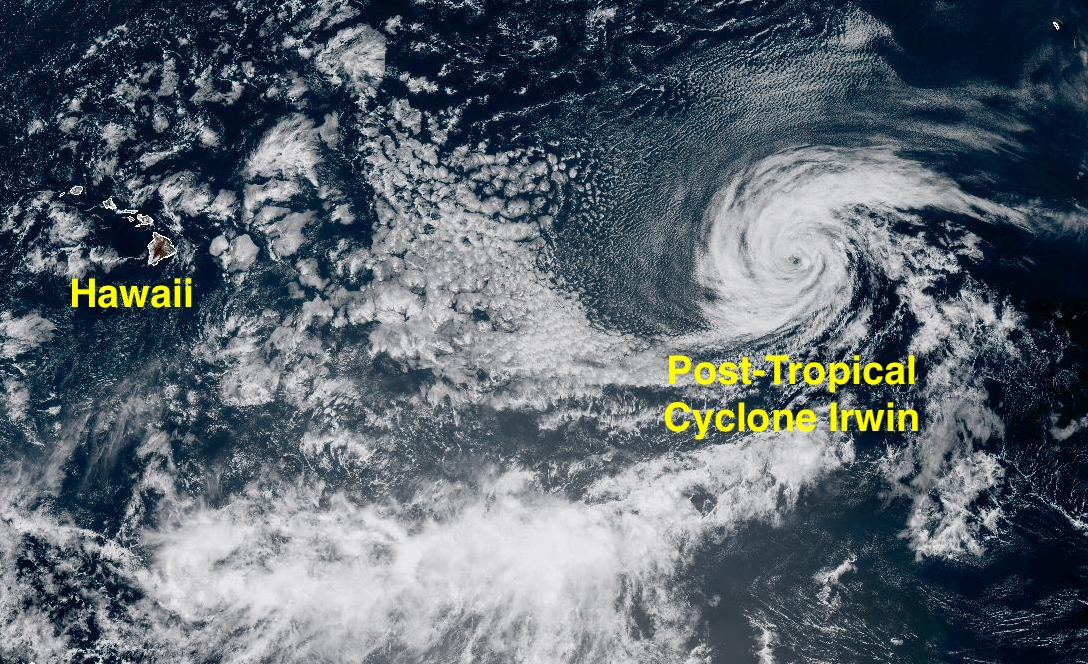
The National Oceanic and Atmospheric Administration (NOAA) and the Central Pacific Hurricane Center (CPHC) are the primary agencies responsible for monitoring and forecasting tropical cyclone activity in the region. They provide critical updates and advisories, allowing residents and visitors alike to stay informed and take necessary precautions. Understanding these official sources of information is paramount when considering the potential impact of a hurricane on travel plans.
Understanding Hurricane Risk in Hawaii
While the idea of a hurricane can be alarming, it’s important to approach the topic with a balanced perspective. Hawaii’s history has seen its share of powerful storms, but also many years with no direct hurricane impacts. The islands’ mountainous terrain and the vastness of the Pacific Ocean can sometimes help to weaken storms before they reach land, or steer them away from the populated areas. Nevertheless, vigilance and preparation are always advised.
The impact of a hurricane on Hawaii can vary significantly. A direct hit from a major hurricane can bring destructive winds, heavy rainfall leading to flash floods and landslides, and dangerous storm surge along coastal areas. Such an event would undoubtedly disrupt travel plans, leading to flight cancellations, evacuations, and temporary closures of hotels and attractions. This is why staying informed through official channels like the CPHC is so vital.
However, even a glancing blow or the passage of a distant storm can affect weather conditions in Hawaii, bringing increased surf, gusty winds, and rain. These less severe impacts can still alter the experience of tourists, affecting outdoor activities and beach conditions. Therefore, monitoring weather forecasts leading up to and during a trip is a prudent measure for any traveler visiting Hawaii during the hurricane season.
Historical Hurricane Impacts on Hawaii
Looking back at the history of hurricanes in Hawaii provides valuable context. The islands have experienced several notable tropical cyclones. One of the most significant was Hurricane Iwa in 1982, which caused widespread damage, particularly on Kauai. Another devastating storm was Hurricane Iniki in 1992, which struck Kauai and Oahu with Category 4 force, causing extensive destruction and disrupting life on the islands for an extended period. More recently, Hurricane Lane in 2018 brought torrential rain and significant flooding to parts of the Big Island and Maui, even though it weakened considerably before making landfall.
These historical events serve as stark reminders of the potential power of hurricanes and the importance of preparedness. However, it’s also crucial to note that Hawaii has gone through many years without experiencing direct hurricane impacts, demonstrating the variability of these weather systems. The frequency and intensity of hurricanes in the Central Pacific are influenced by complex climate patterns such as the El Niño-Southern Oscillation (ENSO), which can affect ocean temperatures and atmospheric conditions.
Factors Influencing Hurricane Formation and Track
Several oceanic and atmospheric factors contribute to the formation and track of hurricanes in the Pacific. Warm sea surface temperatures are a primary ingredient, providing the energy needed for tropical disturbances to develop. Wind shear, which is the change in wind speed and direction with height, plays a critical role in either strengthening or weakening a storm. Low wind shear allows thunderstorms to organize and grow vertically, leading to intensification. Conversely, high wind shear can tear a developing storm apart.
Ocean currents and prevailing wind patterns also influence the path a hurricane will take. Steering currents in the atmosphere, often associated with large-scale weather systems, guide the storm’s trajectory. For Hawaii, these steering currents can originate from various directions, making precise forecasting challenging. The CPHC’s expertise lies in analyzing these complex factors to predict potential threats. Understanding these dynamics helps to appreciate why hurricane forecasts are not always definitive far in advance, and why ongoing monitoring is essential.
Preparing for Potential Tropical Systems
For travelers planning a trip to Hawaii, especially during the hurricane season, a proactive approach to preparation can significantly mitigate concerns and ensure a smoother experience. This involves staying informed, making flexible travel arrangements, and understanding safety protocols.
Staying Informed with Official Forecasts
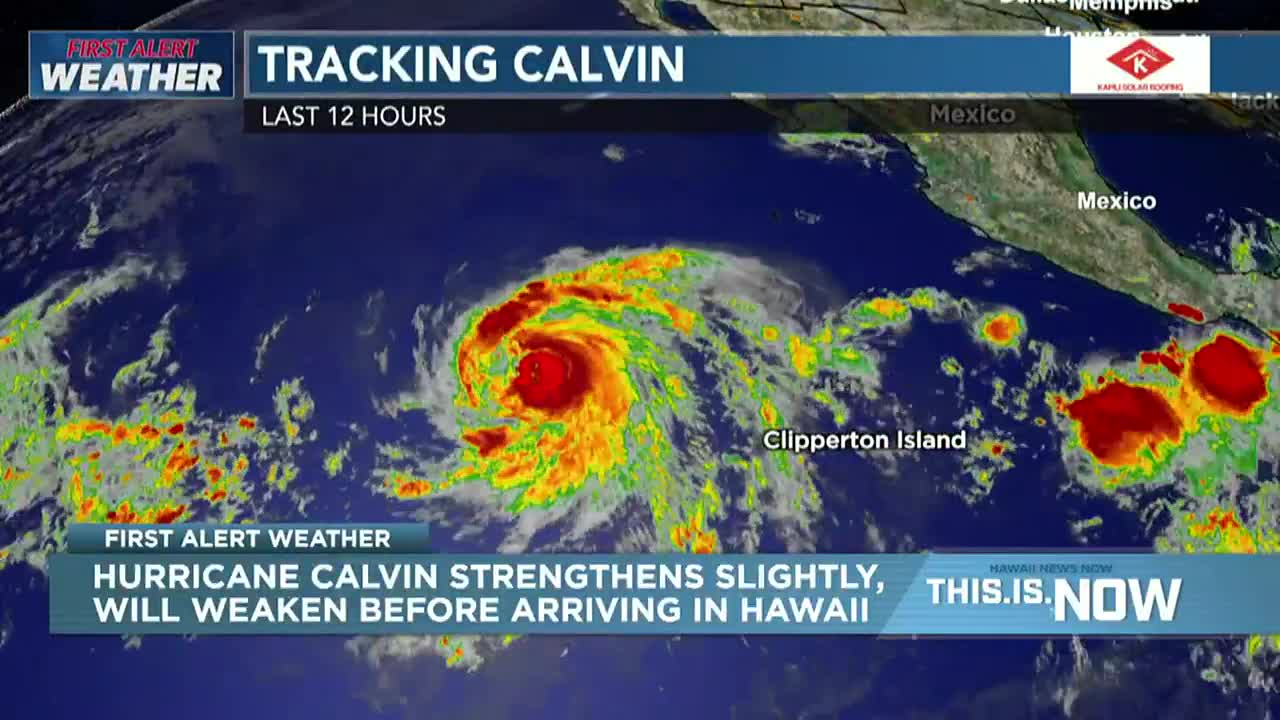
The most critical step in preparing for potential tropical systems is to stay informed through reliable and official sources. The Central Pacific Hurricane Center is the definitive source for hurricane information specific to Hawaii. Their website provides real-time updates on tropical storm and hurricane watches, warnings, and track forecasts. Local news outlets and emergency management agencies also disseminate vital information. It is advisable to bookmark these resources before your trip and check them regularly, especially if weather patterns suggest potential activity.
The National Weather Service also plays a crucial role, issuing advisories for rainfall, flash floods, and high surf, which can be associated with distant tropical systems even if a direct hurricane landfall is not imminent. Understanding the different levels of alerts – watches versus warnings – is also important. A hurricane watch means that hurricane conditions are possible within the specified area, while a hurricane warning signifies that hurricane conditions are expected.
Flexible Travel and Accommodation Planning
Given the unpredictable nature of hurricanes, flexibility in travel and accommodation planning is highly recommended. When booking flights, consider airlines that offer flexible change or cancellation policies. Similarly, when booking hotels or other accommodations, such as those found in Waikiki or on the Big Island, inquire about their hurricane policies. Many resorts and hotels have specific protocols in place for guests during severe weather events, including options for refunds or rescheduling.
Booking accommodation through platforms that offer comparison and reviews can also be beneficial. Reading about other travelers’ experiences during past weather events can provide valuable insights. For those planning longer stays or seeking apartments or villas, understanding the booking terms thoroughly is crucial. Having a contingency plan that includes understanding potential evacuation routes and safe shelters, as advised by local authorities, is part of responsible travel planning.
Safety Measures and Emergency Preparedness
In the event of a tropical storm or hurricane watch or warning, it is essential to heed the advice of local authorities and emergency management agencies. This might include securing outdoor items, staying indoors during the height of the storm, and having an emergency kit ready with essentials such as water, non-perishable food, medications, a flashlight, and batteries.
If you are staying in a hotel, familiarize yourself with the hotel’s emergency procedures and the location of the nearest safe shelter. If you are renting a car, ensure you know the evacuation routes from your accommodation. For those exploring the islands, such as visiting iconic landmarks like Pearl Harbor or the Volcanoes National Park, be aware that closures and access restrictions can occur with little notice during severe weather.
For adventurous travelers considering luxury travel or budget travel options, the fundamental safety advice remains the same. Family trips and business stays alike should prioritize awareness and adherence to official guidelines. The natural beauty of Hawaii, from its stunning beaches to its majestic mountains, is best enjoyed when approached with respect for the power of nature and a commitment to safety.
Navigating Hawaii During Hurricane Season
The question of whether a hurricane is coming to Hawaii is best answered by understanding that the possibility exists during the designated season, and preparedness is key. Many visitors enjoy wonderful vacations in Hawaii during the summer and fall months without any significant weather disruptions. However, being aware and informed allows for a more confident and enjoyable travel experience.
Enjoying Hawaii’s Attractions Responsibly
Hawaii offers a plethora of attractions, from the surfing mecca of the North Shore on Oahu to the dramatic cliffs of the Na Pali Coast on Kauai. When traveling during hurricane season, it’s wise to build some flexibility into your itinerary. If a storm is approaching, activities like boat tours, hiking, and beach visits might be postponed or canceled. This can be an opportunity to explore indoor attractions, such as museums in Honolulu or historical sites.
Many hotels offer excellent amenities, including pools, spas, and dining options, which can provide entertainment even if outdoor activities are limited. The local culture of Hawaii is rich and varied, with opportunities to enjoy luaus, learn about Hawaiian history, or indulge in the diverse culinary scene, all of which can be enjoyed regardless of the weather.
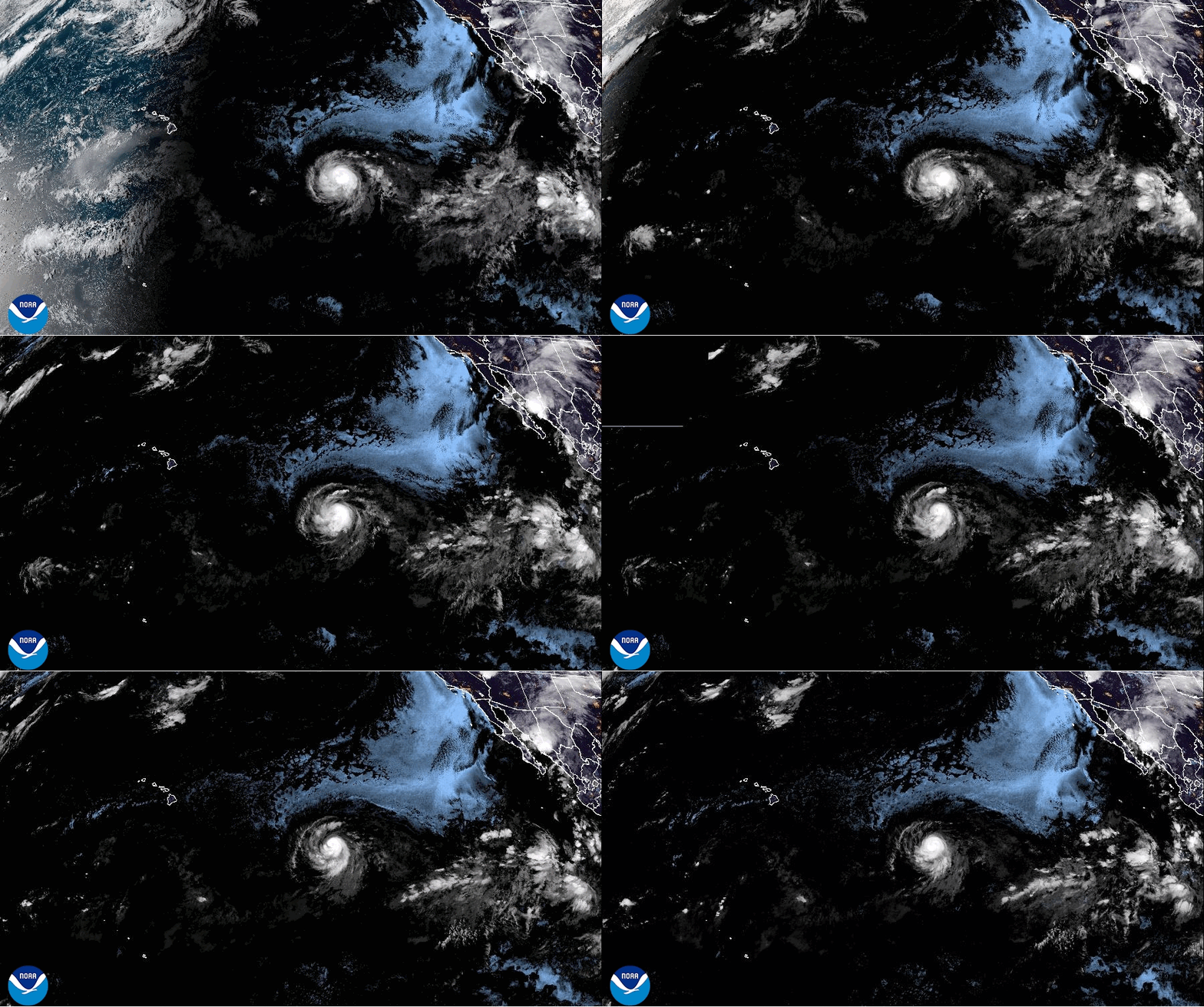
The Role of Tourism and Local Communities
The tourism industry in Hawaii plays a vital role in the state’s economy, and local communities are well-accustomed to preparing for and responding to natural events. Hotels, tour operators, and local businesses often have well-established disaster preparedness plans. They work closely with emergency management agencies to ensure the safety of their guests and staff.
When traveling to Hawaii, supporting local businesses and respecting local customs is always encouraged. During potential weather events, this support becomes even more crucial for the resilience of the community. Understanding the local way of life, often referred to as “aloha spirit,” also involves appreciating the importance of community cooperation during challenging times.
In conclusion, while the question “Is There A Hurricane Coming To Hawaii?” might evoke concern, it is best addressed by understanding the seasonal risks, staying informed through official channels, and adopting a prepared and flexible mindset. Hawaii remains a breathtaking destination, and with proper planning, visitors can continue to experience its unparalleled beauty and hospitality, even during the active hurricane season. The key lies in responsible travel, informed decision-making, and a deep respect for the powerful natural forces that shape this incredible island paradise.
LifeOutOfTheBox is a participant in the Amazon Services LLC Associates Program, an affiliate advertising program designed to provide a means for sites to earn advertising fees by advertising and linking to Amazon.com. Amazon, the Amazon logo, AmazonSupply, and the AmazonSupply logo are trademarks of Amazon.com, Inc. or its affiliates. As an Amazon Associate we earn affiliate commissions from qualifying purchases.