
As the calendar pages turn towards the heart of summer and autumn, the question of hurricane activity in the Gulf of Mexico becomes a primary concern for residents and prospective travelers to the vibrant state of Louisiana. For anyone planning a trip focused on Louisiana’s rich culture, delectable cuisine, and unique attractions, understanding the nuances of hurricane season in 2024 is paramount for a safe and enjoyable experience. While no one can predict with certainty whether a specific hurricane will make landfall in Louisiana in 2024, meteorologists and climate experts offer projections and insights that can inform your travel planning. This article aims to provide a comprehensive guide for navigating travel to Louisiana during hurricane season, focusing on preparedness, flexible planning, and how to still savor the essence of the Pelican State responsibly.

Louisiana is a destination that captivates with its distinct blend of European, African, and Caribbean influences, evident in its music, food, and architecture. From the bustling streets of New Orleans to the serene bayous, there’s an endless array of experiences awaiting. However, its geographical location makes it susceptible to tropical weather systems. For those dreaming of a journey to places like the historic French Quarter, the elegant Garden District, or the capital city of Baton Rouge, being informed about potential weather impacts is a crucial step in travel preparation. Our focus here isn’t to discourage travel but to empower you with knowledge, ensuring that your Louisiana adventure is as smooth and memorable as possible, come rain or shine. We’ll delve into the specifics of hurricane season, offer practical advice on booking and accommodation, and highlight how to embrace Louisiana’s incredible lifestyle and attractions, even when weather concerns are on the horizon.
Understanding Hurricane Season in Louisiana
For travelers and tourism enthusiasts, a clear understanding of hurricane season is the first step toward informed decision-making. Louisiana falls within the Atlantic Hurricane Season calendar, which officially runs from June 1st to November 30th each year. During this period, conditions in the tropical Atlantic Ocean and Gulf of Mexico are conducive to the formation and intensification of tropical storms and hurricanes.
When is Hurricane Season and What to Expect in 2024?
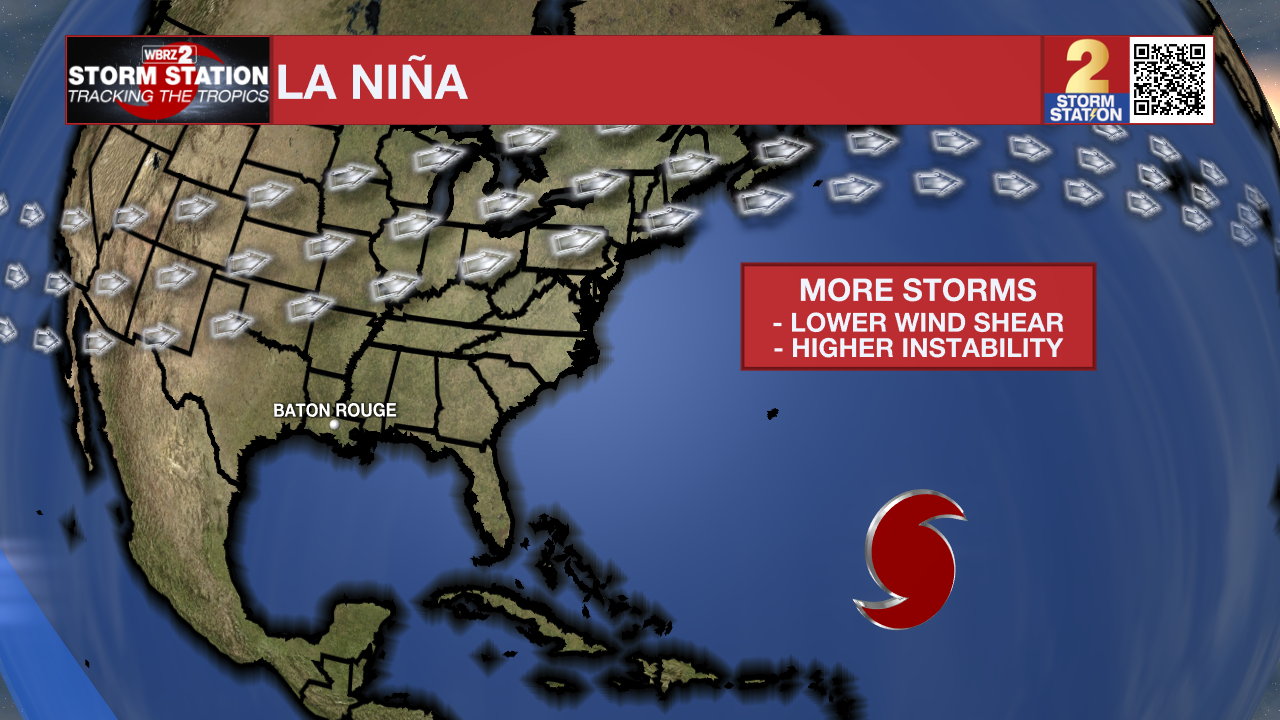
While the entire six-month window is considered hurricane season, the peak activity typically occurs from late August through September. This is when sea surface temperatures are warmest, and atmospheric conditions are most favorable for hurricane development. For 2024, meteorologists often release predictions for the overall season well in advance, usually by late spring. These predictions are based on various factors, including current El Niño or La Niña patterns, sea surface temperatures, and atmospheric wind shear. Early outlooks for 2024 have suggested a potentially active season, influenced by record warm Atlantic waters and a developing La Niña pattern, which tends to reduce wind shear and foster hurricane development. However, these are seasonal forecasts, not specific predictions for landfall.
It’s crucial to differentiate between an “active season” and “direct impact.” An active season means more storms may form, but it does not guarantee that any particular storm will affect Louisiana. Travelers should monitor official sources like the National Hurricane Center (NHC) and local news outlets for the most current and accurate information as their travel dates approach. These resources provide real-time updates on developing systems, potential threats, and recommended actions. Planning a trip to Louisiana during these months requires an extra layer of vigilance and flexibility, especially for coastal destinations like New Orleans, Lake Charles, and the parishes along the Gulf Coast. Even if a storm doesn’t directly hit, its proximity can lead to heavy rainfall, strong winds, and travel disruptions.
Historical Context and Louisiana’s Resilience
Louisiana has a long history of enduring and recovering from tropical systems, which has fostered a strong sense of community resilience and robust preparedness infrastructure. Iconic cities like New Orleans have faced numerous challenges over centuries, each time demonstrating remarkable strength and the ability to rebuild. This historical context informs how the state approaches hurricane season today, with comprehensive evacuation plans, emergency services, and community support systems in place.
Understanding this resilience can provide a measure of reassurance for travelers. State and local authorities are well-versed in managing potential impacts and prioritizing the safety of residents and visitors. While the threat of a hurricane is serious, the experience of visiting Louisiana is rarely defined by fear, but rather by the vibrant spirit and indomitable will of its people. Many visitors successfully enjoy their trips during hurricane season by staying informed and having contingency plans. Even during an active season, long stretches of beautiful, clear weather are common. It’s about being prepared, not paralyzed, by the possibility. From the lively atmosphere of Jackson Square to the solemn beauty of the St. Louis Cathedral, Louisiana’s landmarks and cultural institutions are vital to its identity and are supported by robust recovery efforts when necessary.
Navigating Travel to Louisiana During Hurricane Season
Traveling to Louisiana during hurricane season requires a proactive and informed approach. For those planning their dream vacation, whether it’s a luxury getaway to New Orleans or a budget-friendly exploration of the state’s natural beauty, careful preparation can make all the difference. This section outlines essential strategies for managing your travel plans and ensuring peace of mind.
Essential Preparedness for Travelers
The cornerstone of worry-free travel during hurricane season is comprehensive preparedness. Start by researching and purchasing travel insurance that specifically covers weather-related cancellations, delays, and medical emergencies. Policies vary widely, so read the fine print to understand what events trigger coverage, such as mandatory evacuations or widespread travel disruptions. Look for “cancel for any reason” policies if you desire maximum flexibility, though these typically come at a higher premium. This is a vital lifestyle choice for frequent travelers.
Next, prioritize flexible booking options for flights and accommodations. Many airlines and hotels offer refundable rates or the ability to change dates without penalties. While these might be slightly more expensive upfront, they offer invaluable peace of mind should a storm threaten your plans. For hotels, investigate their specific hurricane policies: do they offer full refunds for mandatory evacuations? Can you rebook easily? This information is often available on the hotel’s website or by directly contacting them. Whether you’re staying at a boutique hotel in the French Quarter or a resort near Lake Pontchartrain, understanding these policies is key.
Staying informed is perhaps the most crucial aspect. Before and during your trip, continuously monitor weather forecasts from reputable sources like the National Hurricane Center (NHC) and local Louisiana news channels. Sign up for weather alerts and emergency notifications specific to the areas you plan to visit, such as New Orleans Emergency Preparedness or Baton Rouge Alerts. Have a communication plan with your travel companions and family back home. Share your itinerary and check-in regularly. If you’re traveling from another country to the United States, ensure your mobile plan includes international roaming or consider purchasing a local SIM card upon arrival.
Accommodation Considerations and Safety Measures
When selecting accommodation in Louisiana during hurricane season, certain considerations can enhance your safety and comfort. Beyond checking cancellation policies, inquire about the property’s specific hurricane preparedness plan. What steps do they take to ensure guest safety? Do they have generators? How do they communicate with guests during an emergency? Hotels like the hypothetical “New Orleans” or “Baton Rouge” (if they exist) should have readily available information on their emergency protocols.
Consider the location of your accommodation. While a charming villa on the coast might seem idyllic, properties further inland or in elevated areas, such as those in Shreveport or Monroe, might offer a greater sense of security. Even within New Orleans, areas like the Garden District tend to be on higher ground than parts of the French Quarter, though all areas have their own flood protection systems. Always respect evacuation orders if they are issued; these are put in place for your safety.
Many hotels and resorts have internal systems to track weather and will advise guests accordingly. Familiarize yourself with evacuation routes from your specific location, even if you don’t anticipate needing them. Keep a “go-bag” ready with essential documents, medications, a power bank for your phone, and a change of clothes. For those interested in long-term stays or apartment rentals, discuss emergency plans with your host or property manager. These practical steps ensure that your chosen accommodation serves as a safe haven, allowing you to relax and enjoy your Louisiana experience with confidence.
Experiencing Louisiana Responsibly and Safely
Even with the possibility of hurricane activity, Louisiana’s spirit remains vibrant and welcoming. Responsible travel during hurricane season means not only prioritizing safety but also understanding how to support local communities and enjoy the state’s offerings thoughtfully, regardless of the weather.
Exploring Louisiana’s Resilience and Charm
Louisiana is a state defined by its enduring charm and the incredible resilience of its people. If your travel dates coincide with quieter weather, you’ll find the state as lively as ever. Embrace the local culture by exploring indoor attractions that offer shelter from summer heat or potential rain. In New Orleans, immerse yourself in history at the National WWII Museum, discover aquatic wonders at the Audubon Aquarium of the Americas, or take a culinary class to master Creole and Cajun cooking. The Audubon Zoo and City Park also offer plenty of attractions that are less weather-dependent.
Head to Baton Rouge to marvel at the Louisiana State Capitol, visit the Rural Life Museum, or enjoy local art at the LSU Museum of Art. Further north, Shreveport boasts the R.W. Norton Art Gallery and lively casinos. The state’s food scene, from renowned New Orleans restaurants to hidden gems serving authentic Cajun fare in Lafayette, remains a highlight, often best enjoyed indoors. Consider exploring the Tabasco Museum on Avery Island for a spicy and immersive experience.
Should coastal regions be impacted, consider pivoting your itinerary to inland cities like Alexandria or the northern reaches of the state, where distinct attractions and local charm await. Many smaller towns, such as Mandeville, Covington, and Slidell on the Northshore, offer unique cultural experiences and outdoor activities that are less exposed to direct coastal storm impacts. These areas provide a different, yet equally enriching, perspective on Louisiana life. Embracing Louisiana’s diverse landscape and cultural offerings means recognizing that its beauty extends far beyond its coastlines.

Supporting Recovery Efforts and Community Tourism
In the unfortunate event that a hurricane does affect Louisiana during your planned visit, reconsidering your trip becomes necessary. However, for those who wish to contribute, supporting the state’s recovery efforts through responsible tourism can be incredibly impactful once it is safe to do so. After a storm, local businesses, especially those in the tourism and hospitality sectors, rely heavily on visitor support to rebuild and thrive.
If your trip is postponed, consider rebooking for a later date rather than canceling entirely. This demonstrates commitment to the local economy. When you do visit post-storm, spend your money locally: dine at independent restaurants, shop at small boutiques, book tours with local guides, and stay in locally-owned hotels or accommodations. Every dollar spent helps communities get back on their feet. Many organizations also facilitate volunteer efforts or accept donations to aid in long-term recovery. Research reputable local charities if you wish to offer direct support.
The spirit of Mardi Gras and the everyday joie de vivre that defines Louisiana are not easily extinguished. By traveling responsibly, staying informed, and demonstrating flexibility, you can ensure your 2024 trip to Louisiana is not only safe and enjoyable but also a meaningful contribution to a state that continually welcomes the world with open arms, come what may. There may or may not be a hurricane coming to Louisiana in 2024, but with careful planning, your travel experience can weather any storm.
LifeOutOfTheBox is a participant in the Amazon Services LLC Associates Program, an affiliate advertising program designed to provide a means for sites to earn advertising fees by advertising and linking to Amazon.com. Amazon, the Amazon logo, AmazonSupply, and the AmazonSupply logo are trademarks of Amazon.com, Inc. or its affiliates. As an Amazon Associate we earn affiliate commissions from qualifying purchases.