
For many travelers, Florida represents the epitome of a sunny escape, offering everything from pristine beaches to world-class theme parks. However, a significant consideration for anyone planning a trip to the Sunshine State is the annual hurricane season. The question, “Is there a hurricane going to Florida?” is not just a meteorological inquiry but a crucial planning component for prospective visitors. Understanding the dynamics of hurricane season, how to monitor threats, and what preparations to make can transform potential anxiety into informed travel decisions.
Understanding Florida’s Hurricane Season and Its Impact on Travel
Florida’s geographical position, flanked by the Atlantic Ocean to the east and the Gulf of Mexico to the west, places it squarely in the path of tropical cyclones forming in these basins and the Caribbean Sea. The official hurricane season runs from June 1st to November 30th each year, with the peak activity typically occurring from mid-August through October. During this period, travelers need to be particularly vigilant.

Peak Season Considerations
While hurricanes can occur at any point during the season, the highest probability of a major storm striking Florida is concentrated in the late summer and early fall. This coincides with many families’ vacation schedules and popular travel times, making it imperative for travelers to be aware. Booking travel during these months often comes with the benefit of lower prices for flights and accommodations, yet this economic advantage must be weighed against the increased risk of weather disruptions.
Historical Perspective for Travelers
Florida has a long history with hurricanes, from devastating events like Hurricane Andrew in 1992 and Hurricane Irma in 2017 to more recent impacts like Hurricane Michael (2018) and Hurricane Ian (2022). These events highlight the potential for widespread damage, power outages, and significant travel interruptions, including airport closures, road blockages, and mandatory evacuations. However, it’s equally important to note that many hurricane seasons pass with minimal or no direct impact on major tourist destinations. The key for travelers is not to avoid Florida entirely during hurricane season but to approach travel with informed preparedness.
Monitoring the Forecast: Essential Tools and Resources for Travelers
Staying informed is the most critical aspect of traveling to Florida during hurricane season. Reliable, up-to-date information allows travelers to make timely decisions, whether it’s adjusting plans before departure or taking action if already at their destination.
Official Weather Sources
The primary authority for hurricane forecasting in the United States is the National Hurricane Center (NHC), part of the National Oceanic and Atmospheric Administration (NOAA). Their website provides comprehensive information, including:
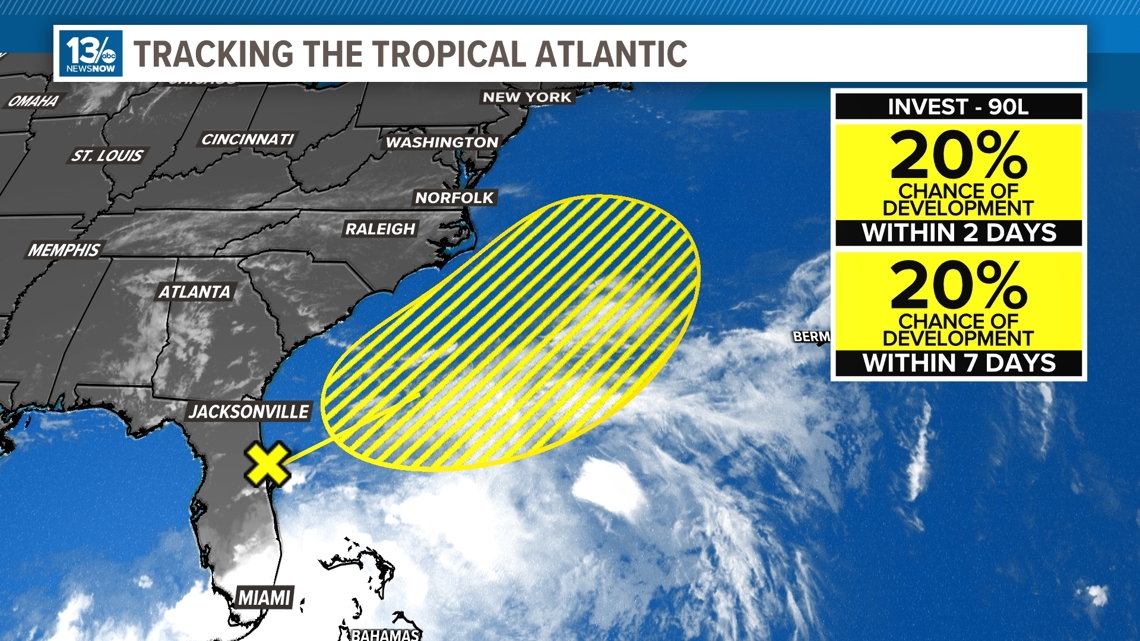
- Cone of Uncertainty: This graphic illustrates the probable track of a storm’s center. Travelers should understand that impacts can extend far beyond this cone.
- Tropical Weather Outlooks: Daily summaries of potential storm development.
- Public Advisories: Detailed text forecasts and warnings for active storms.
- Hurricane Watches and Warnings: A “watch” means conditions are possible within 48 hours; a “warning” means conditions are expected within 36 hours. These are critical alerts for travelers.
The National Weather Service (NWS) also provides localized forecasts and alerts that are crucial once a storm is near.
Local Florida Resources
Beyond national agencies, Florida has robust state and local emergency management systems. Websites for the Florida Division of Emergency Management and individual county emergency operations centers (e.g., Miami-Dade County Emergency Management) offer specific advice, evacuation routes, shelter information, and real-time updates for their areas. Major news outlets in cities like Miami, Orlando, Tampa, and Jacksonville are also excellent sources for local reporting. Many local governments offer opt-in alert systems (text or email) that can provide critical real-time updates.
Pre-Trip Planning: What Travelers Need to Consider
Proactive planning is paramount for travelers heading to Florida during hurricane season. This involves more than just packing sunscreen; it requires a strategic approach to bookings, insurance, and contingency plans.

Travel Insurance
This is arguably the most important consideration. Standard travel insurance policies vary widely, but many offer coverage for trip cancellations or interruptions due to hurricanes, provided the policy was purchased before a storm was named or a warning was issued for the destination. Carefully review policy details to understand what is covered, including:
- Trip Cancellation/Interruption: Covers non-refundable expenses if your trip is cut short or canceled due to a storm.
- Travel Delay: Reimburses for accommodation and meals during unforeseen delays.
- Baggage Delay/Loss: Important if you need to evacuate or move quickly.
- Emergency Medical: Covers medical care if you become ill or injured during the trip.
Consider “cancel for any reason” (CFAR) insurance if maximum flexibility is desired, though these policies are typically more expensive and reimburse only a percentage of your non-refundable costs.
Flexible Bookings
Whenever possible, opt for flights and accommodations with flexible change or cancellation policies. Many airlines and hotels offer waivers during hurricane season if a named storm threatens your destination, allowing you to rebook or receive a refund without penalty. However, these policies are often activated only when a specific watch or warning is issued, so understanding the terms beforehand is vital. Theme parks, such as Walt Disney World and Universal Studios Florida, often have “Hurricane Policies” that allow guests to reschedule or cancel without penalty if a hurricane warning is issued for the Orlando area or their place of residence.
Emergency Contact Information
Before departing, compile a list of essential contacts:
- Your airline and hotel customer service numbers.
- Travel insurance provider’s 24/7 assistance line.
- Emergency services (911 in the US).
- The nearest consulate or embassy if you are an international traveler.
- Family or friends not traveling with you.
Share your itinerary with someone back home and agree on a communication plan in case cell service is disrupted.
If You’re Already There: Staying Safe During a Storm
If a hurricane threatens while you are already enjoying your Florida vacation, quick and decisive action, guided by official advisories, is crucial.
Heed Evacuation Orders
The most important rule is to always obey official evacuation orders. Florida officials issue these orders for public safety, especially for coastal areas, barrier islands like Key West, and low-lying zones prone to storm surge. Know your evacuation zone (your hotel or rental property management can provide this) and be prepared to leave if advised. Have a pre-planned route and ensure your vehicle has a full tank of gas.
Prepare a “Go-Bag”
Even if you are not in an evacuation zone, or are awaiting further instructions, preparing a small bag with essentials is prudent. This “go-bag” should include:
- Important documents (ID, passport, insurance policies, booking confirmations).
- A few days’ supply of prescription medications.
- First-aid kit.
- Cash (ATMs may not work during power outages).
- Snacks and water.
- Portable phone charger/power bank.
- Any necessary baby supplies or pet essentials.
Communication and Shelter
Stay connected to official news sources via battery-powered radio or fully charged mobile devices. Inform family members of your status. If you cannot evacuate, identify the safest part of your accommodation – typically an interior room on the lowest floor – and follow your hotel’s emergency procedures. Many hotels have internal plans for guest safety, including sheltering in place or moving guests to safer areas of the property.
Post-Storm Travel: Assessing Impact and Recovery
After a hurricane passes, the immediate aftermath can be just as challenging for travelers as the storm itself. Patience, flexibility, and respect for local recovery efforts are essential.
Assessing Damage and Accessibility
It takes time for emergency services to assess damage, clear roads, and restore utilities. Major airports may close for inspection and debris removal, leading to flight cancellations and significant delays. Road closures, particularly on coastal routes or interstates, are common. Before attempting to travel or return to an affected area, consult official sources for updates on infrastructure, including bridge and road conditions, and airport operational status.
Adjusting Travel Plans
If your destination was impacted, attractions may be closed, tours canceled, and restaurant service limited for days or even weeks. Beaches might be eroded or littered with debris. Contact your airline, hotel, and any booked tour operators directly for updates and to reconfirm reservations. Be prepared for potentially long wait times for customer service due to high call volumes.
Supporting Recovery Efforts
For those who wish to travel to Florida after a storm, consider visiting areas that were less impacted, or delay your trip until affected regions have had time to recover. When you do visit, your tourist dollars can significantly aid local economies. Be a responsible traveler by respecting ongoing recovery, understanding that some services may still be limited, and supporting local businesses. Organizations like the Red Cross and the Federal Emergency Management Agency (FEMA) are typically involved in relief efforts, and travelers wishing to help can look into donating to these established groups.
In conclusion, while the question “Is there a hurricane going to Florida?” can be daunting, a well-informed and prepared traveler can confidently navigate the risks. By understanding the season, diligently monitoring forecasts, and making smart pre-trip arrangements, a memorable Florida vacation remains entirely possible, even during hurricane season.
LifeOutOfTheBox is a participant in the Amazon Services LLC Associates Program, an affiliate advertising program designed to provide a means for sites to earn advertising fees by advertising and linking to Amazon.com. Amazon, the Amazon logo, AmazonSupply, and the AmazonSupply logo are trademarks of Amazon.com, Inc. or its affiliates. As an Amazon Associate we earn affiliate commissions from qualifying purchases.